
ウメモドキ Ilex serrata


折くるゝ
与謝蕪村
心こぼさじ
梅もどき
ウメモドキ Ilex serrata
With its delicate branching and charming berries, Umemodoki has long been cherished as a garden tree and bonsai. Its graceful form, evoking the changing seasons, embodies the subtle beauty and quiet elegance of wabi-sabi, making it a beloved bonsai for appreciating the beauty of berries throughout the seasons.
ウメモドキの育て方
置き場所
風通し良く日当たりのいい環境を好みます。日陰でも育ちますが、やや実付きが悪くなる傾向があります。
屋外の場合
柔らかな風や、優しい雨は植物を十分にリフレッシュさせてくれます。夏は日差しが強く乾燥の原因となるので注意が必要です。
「春・秋」
日当たりのいい環境で育成しましょう。特に春は新芽が芽吹く大切な時期。風通しと日当たりの良い環境で育成すると丈夫な葉になります。
「夏」
強い日差しによる葉焼けや乾燥に注意しましょう。風通しの良い場所で管理し、すだれや遮光ネットで直射日光を遮るなど工夫が必要です。
「冬」
寒さには強いですが、用土が凍結するほど冷え込む地域では寒風や霜から保護しましょう。気温がマイナスになる場合はムロや半屋内(寒い場所)などで管理することをオススメします。
屋内の場合
基本は屋外管理推奨です。屋内で鑑賞する場合、1週間ほど屋内に入れたら屋外へ戻すようにしたいところです。また、エアコンの風が直接当たる場所や、閉め切った部屋で極度に気温の上がる場所は避けてください。
できるだけ外の空気に当てたり、雨に当てたりしてあげると植物はリフレッシュできて元気に育ちます。
「春・秋」
明るい窓辺など、日照量と風通しを確保できる場所が理想です。日陰で新芽が出ると、弱々しい葉になってしまいますので注意。
「夏」
優しい日当たりで風通しのよい場所で管理します。窓辺に置く場合には、レースのカーテンなどで直射日光をやわらげてあげると良いでしょう。夏場は乾きやすくなるので、水枯れにも注意が必要です。
「冬場」
暖房の効いていない場所など寒いところで管理します。しっかり寒さを体験させ休眠させることで、植物のリズムが整います。また、低温を体験すると春の芽吹きや花付きが健全になります。落葉した後は日光が当たらなくても問題ありません。
水やり
乾燥は嫌いますので、水切れに注意。特に春~夏はたっぷりあげましょう。水やりの目安は、春秋は1~2日1回、夏は1日2回、冬は2〜3日に1回です。しかし、乾いていない場合は無理に水やりの必要はありません。よく観察して判断しましょう。
また、暑い時期の葉水は、葉の乾燥防止や健康維持に効果的です。朝や夕方に霧吹き等で与えるといいでしょう。どうしても乾燥してしまう時は腰水も有効です。
肥料
真夏を除いた4月〜10月までの期間は1〜2週に1回の頻度で液肥を与えます。
※バイオゴールドヴィコント564NEOを基準にしています。その他の肥料を与える場合は説明書などを参考にしてください。
※開花時から結実するまでの間に肥料を与えると、花や実が落ちることがあります。実付きの様子を確認してから施肥を再開すると、より安心して実を楽しむことができます。
※置き肥の場合は、実付きの様子を確認した後、月1回を目安に固形肥料を与えます。
病害虫
比較的丈夫な樹木ですが、環境や管理状態によっては病害虫が発生することがあります。風通しが悪い場所や枝葉が混み合った状態ではカイガラムシやアブラムシなどが発生しやすくなるため、日頃から枝や葉の状態を観察しましょう。
また、黒星病などの病気が発生することもあります。葉に黒い斑点などの異常が見られた場合は、早めに対処しましょう。
ウメモドキ(梅擬)の別名
落霜紅、ムメモドキ、ウメボトケ、など
木々の小話
秋を彩る小さな赤い実
ウメモドキは、葉の形が梅に似ていることから名づけられた落葉低木です。初夏には淡紫色の小さな花を咲かせ、秋になると枝いっぱいに赤い実をつけます。その愛らしい実姿は、古くから茶花や生け花にも用いられ、親しまれてきました。
秋の深まりとともに色づくウメモドキの実は、華やかでありながらどこか慎ましく、移ろう季節の一瞬をそっと記憶に残してくれる木です。
「折くるゝ心こぼさじ梅もどき」
秋が深まり、葉を落とした枝に残る、梅もどきの赤い実。その一枝を、誰かがそっと折ってくれた。
「折りくるる」――折ってくれた人の心。
「心こぼさじ」――その心まで、こぼしてしまわぬように。
梅もどきの枝を折ってくれた人の心遣いを無駄にすることなく、その一枝を大切に受け取ろうとする心。そう読むと、ひとつひとつの赤い実が、ただ美しいだけのものではなく思えてきます。
秋の静かな景色のなかに、植物と人とのあいだに生まれる、温かな心のやりとりがそっと描かれています。
小さな赤い実を眺めながら、目に見える美しさの向こうにあるものまで、大切に受け取りたくなる一句です。
ウメモドキの詳しいお手入れ
ウメモドキ(梅擬)に適した用土
一般には赤玉土を基本とした用土を使用します。水はけと水持ちのバランスがよい用土が適しています。
【石木花の土】が該当します。
ウメモドキ(梅擬)の植え替え
おおよそ2~3年に1回、植え替えます。鉢土が盛り上がったり、鉢底から根っこがたくさん出ているようだと根が鉢内で充実しているサインです。適期は春先の芽吹く前、2~3月頃です。植え替えの際は古い土を落とし、伸びすぎた根を整理して植え替えます。
樹形を維持する方法
剪定
落葉後から芽吹き前の2〜3月頃に、伸びすぎた枝や混み合った枝を剪定して樹形を整えます。花芽は3月中旬~4月下旬頃に形成されるので、剪定時期が遅れて春の生長が始まった後に剪定をすると、花芽を切り落としてしまうので注意が必要です。
また、幹の根元から勢いよく伸びる徒長枝(ひこばえ)は必ず根元から切り落としましょう。放っておくとどんどん伸びて養分をすわれてしまいます。
芽摘み
芽摘みとは、伸びたばかりの柔らかな芽を摘み取り、生育を調整する作業です。
春、新芽が伸びて枝が間延びする場合は、適度に芽摘みを行い樹形を整えます。
ただし、ウメモドキの花芽は春最初に伸びる新梢(一番枝)に多くつくため、翌年の花や実を楽しむ場合は、伸びた枝をすべて摘み取らず、一番枝をできるだけ残しましょう。自然な姿を楽しむのもまた、ウメモドキを育成する醍醐味と言えるでしょう。
ウメモドキ(梅擬)育成のポイント
◯植物に四季を体感させてあげることで、末永く健康的に育成できます。特に冬の寒さを経験することで、春の健やかな芽吹きにつながります。基本的に屋外管理がおすすめです。
◯ウメモドキは雌雄異株の植物です。赤い実を楽しむためには、雌株であることに加え、受粉できる環境が必要です。
◯実を美しく色づかせるためには、日当たりの良い環境で育てることが大切です。日照不足では花付きや実付きが悪くなることがあります。
◯落葉樹なので、秋には葉が黄色く色づいた後、落葉します。葉を落とした後は、翌春の芽吹きに向けて休眠します。
◯長年育成すると枝葉が充実し、枝先が混み合うことがあります。その場合は不要な枝を剪定し、風通しを確保してあげましょう。
◯肥料を好みますが、開花から結実までの時期は肥料が効きすぎないよう注意が必要です。実付きが確認できてから適切に肥料を与えることで、翌年の花や実を楽しむための樹勢を保つことができます。
◯特に屋内管理の場合は日照や風通しの条件が悪くなりやすいため、活性剤を定期的に与えることでより健やかに育成できます。
Basic Maintenance and Care
Suitable Soil for Umemodoki (Ilex serrata)
Generally, a potting mix based on akadama soil is used. A well-balanced soil that provides both good drainage and adequate water retention is suitable.
【Sekibokka Soil】is suitable for this purpose.
Repotting Umemodoki (Ilex serrata)
Repot approximately once every 2–3 years. If the soil in the pot has started to bulge upward or many roots are growing out from the drainage holes, this is a sign that the roots have become well established within the pot. The ideal time for repotting is around February to March, before new growth begins in early spring. When repotting, remove the old soil, trim excessively long roots, and replant.
How to Maintain the Tree’s Shape
Pruning
From after the leaves have fallen until around February to March, before new growth begins, prune overly long or crowded branches to maintain the tree’s shape. Flower buds form from around mid-March to late April, so pruning too late, after spring growth has begun, may result in flower buds being cut off. Care should therefore be taken with the timing of pruning.
Also, be sure to cut off vigorous shoots (suckers) growing from the base of the trunk, cutting them back to the base. If left unattended, they will continue to grow vigorously and take nutrients away from the tree.
Bud Pinching
Bud pinching is the process of removing newly emerged, soft shoots to regulate growth.
In spring, if new shoots become too long and cause the branches to become sparse, pinch the buds as needed to maintain the tree’s shape.
However, Umemodoki produces many flower buds on the first new shoots to develop in spring (the first flush of growth). Therefore, if you wish to enjoy flowers and berries the following year, avoid pinching all of the new growth and leave as much of the first flush of growth as possible. Allowing the tree to develop its natural form is also one of the pleasures of growing Umemodoki.
Key Points for Growing Umemodoki (Ilex serrata)
◯ Allowing the plant to experience the changing seasons will help it remain healthy and thrive for many years. In particular, experiencing the cold of winter supports healthy bud break in spring. Outdoor cultivation is generally recommended.
◯ Umemodoki is a dioecious plant, meaning that male and female flowers grow on separate trees. To enjoy its red berries, the tree must be female and there must also be suitable conditions for pollination.
◯ To develop beautifully colored berries, it is important to grow the tree in a location with plenty of sunlight. Insufficient sunlight may result in fewer flowers and berries.
◯ Umemodoki is a deciduous tree, and its leaves turn yellow in autumn before falling. After shedding its leaves, the tree enters dormancy in preparation for new growth the following spring.
◯ As the tree matures over many years, its branches and foliage may become dense toward the tips. In such cases, prune unnecessary branches to ensure good air circulation.
◯ Umemodoki responds well to fertilizer, but care should be taken not to over-fertilize during the period from flowering to fruiting. Once the formation of berries has been confirmed, applying fertilizer appropriately can help maintain the tree’s vigor and allow you to enjoy flowers and berries the following year.
◯ Particularly when grown indoors, sunlight and air circulation tend to be limited. Regular application of a plant activator can help promote healthier growth.
- 葉 Leaf
- 葉は楕円形で先がとがり、縁には細かな鋸歯があります。春の芽吹きから秋の紅葉まで季節ごとの変化を楽しめる葉姿も魅力のひとつです。秋には黄色く色づき、落葉します。 The leaves are oval in shape with pointed tips and finely serrated edges. Another appealing feature is the changing appearance of the foliage throughout the seasons, from the fresh new growth of spring to the autumn colors. In autumn, the leaves turn yellow before falling.
- 花 Flower
- 花期は5〜6月頃。葉の付け根に小さな淡紫色の花を咲かせます。花は控えめながら、秋に実を楽しむための大切な季節の変化です。 The flowering season is from around May to June. Small, pale purple flowers bloom at the base of the leaves. Although the flowers are subtle, they mark an important seasonal transition that leads to the beautiful berries enjoyed in autumn.
- 実 Seed
-
秋になると鮮やかな赤い実をつけます。葉が落ちた後も枝に残る実は、冬の静かな景色に彩りを添え、ウメモドキ最大の魅力です。
※雌雄異株のため、実を楽しむには雌株が必要です。
In autumn, Umemodoki produces vivid red berries. Even after the leaves have fallen, the berries remain on the branches, adding a splash of color to the quiet winter landscape. This is one of the tree’s greatest charms.
Note: Umemodoki is dioecious, meaning male and female flowers grow on separate trees. A female tree is required to enjoy its berries.
- 耐寒性 Cold
-

- 水やり Water
-

- 日光 Sun
-

- 肥料 Fertilizer
-


-
 赤メギ Berberis thunbergii
-
 ヒイラギ香り姫 Osmanthus heterophyllus (G.Don) P.S.Green
-
 ハゼ oxicodendron succedaneum (L.) Kuntze
-
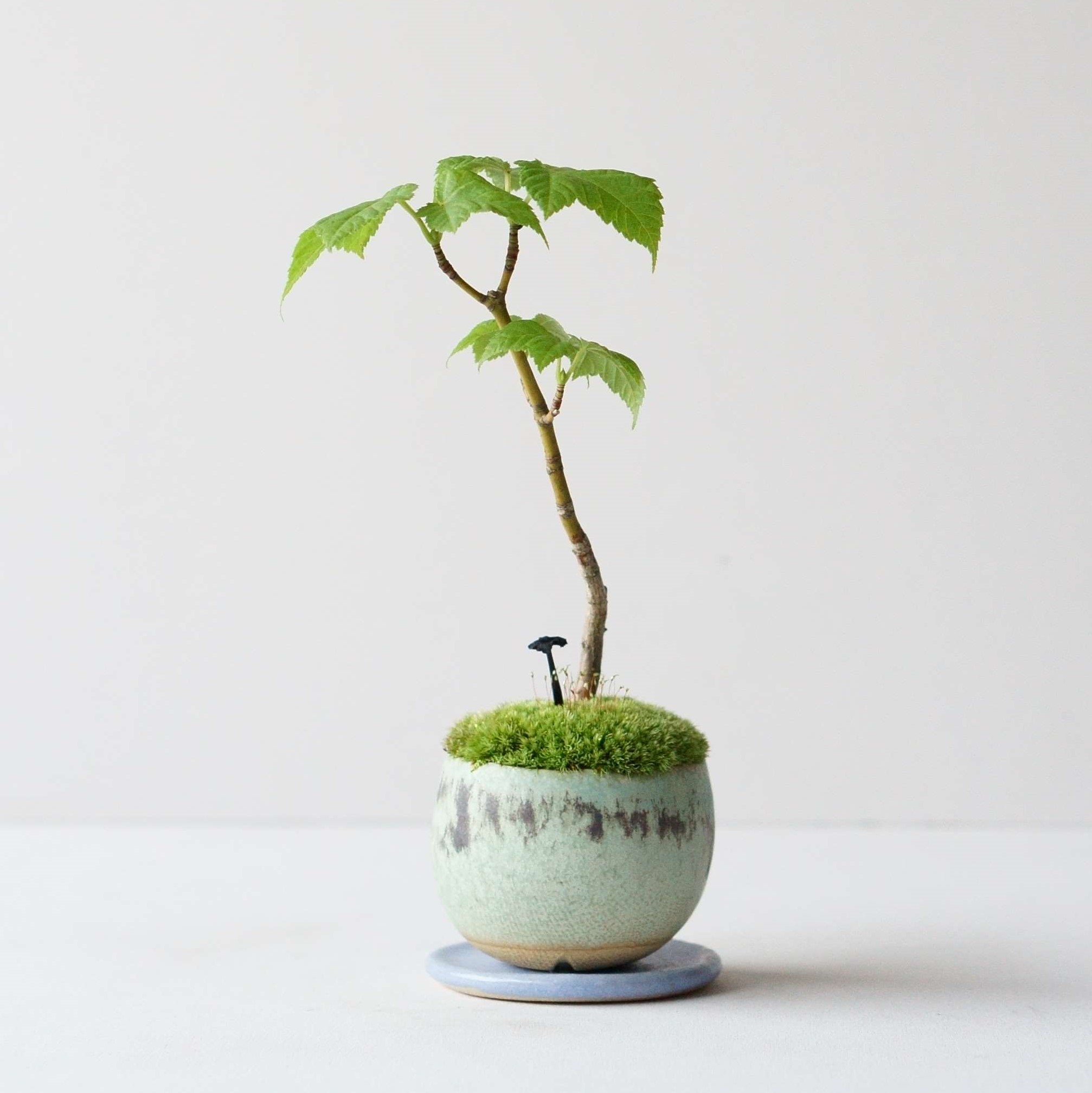 ウリハダカエデ Acer rufinerve
-
 アメリカフジ Wisteria frutescens
-
ウメモドキ Ilex serrata
-
 マルバシャリンバイ Rhaphiolepis umbellata var. integerrima
-
 斑入りコケモモ Vaccinium vitis-idaea
-
 グミ Elaeagnus multiflora
-
 アケビ Akebia quinata
-
 ハマボウ Hibiscus hamabo
-
 カナシデ Carpinus japonica
-
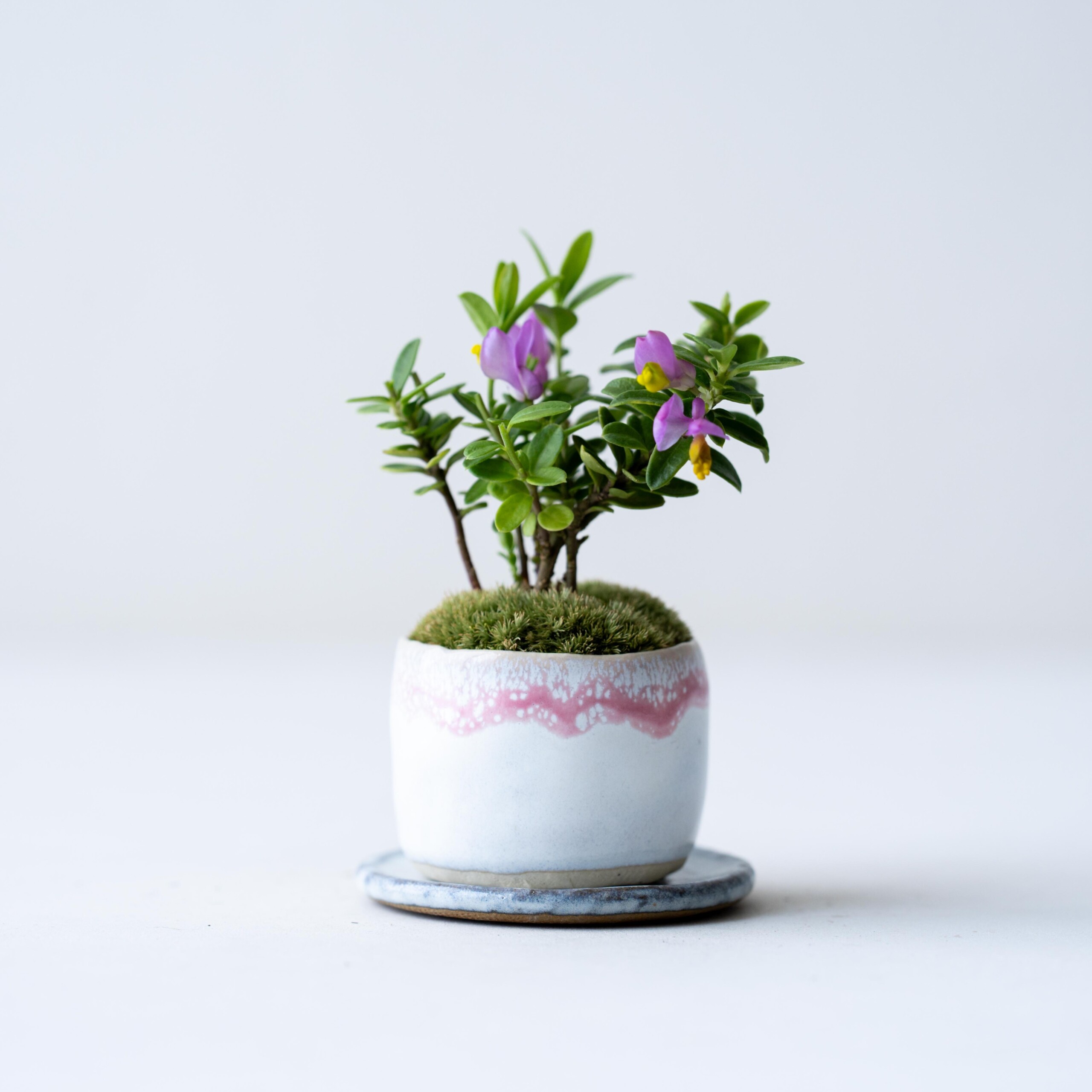 トキワヒメハギ Polygala chamaebuxus var.grandiflora
-
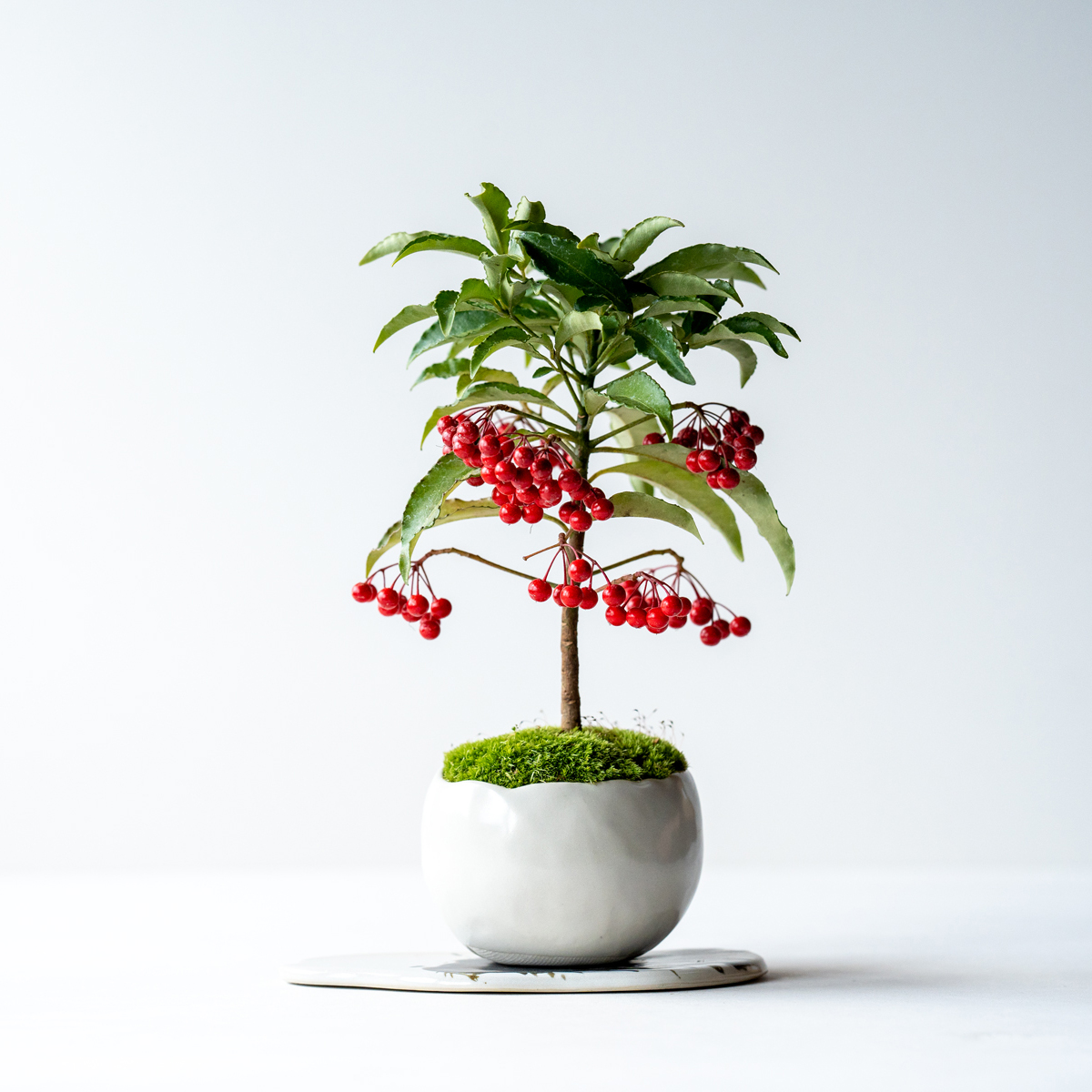 万両 Sarcandra glabra
-
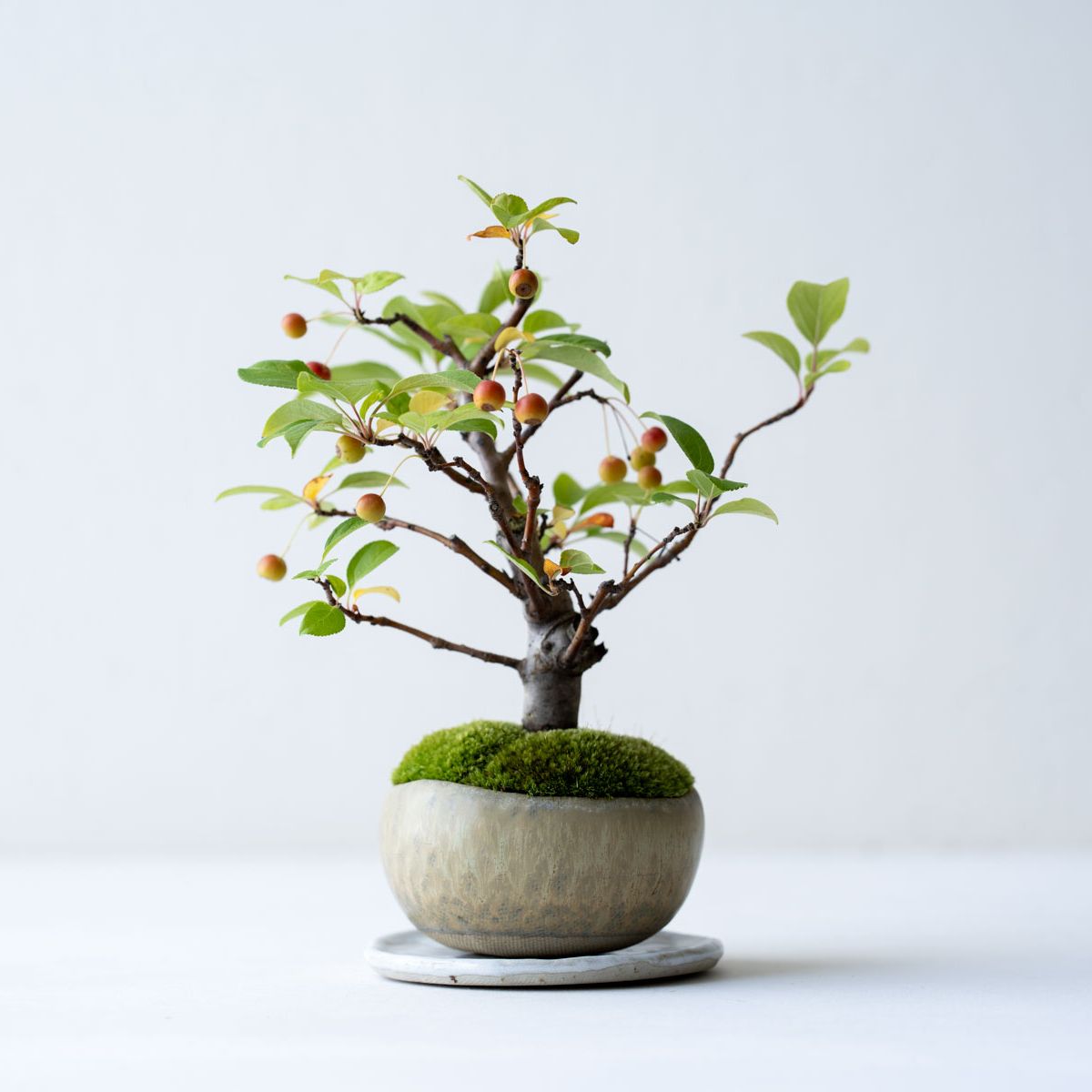 深山カイドウ Malus micromalus
-
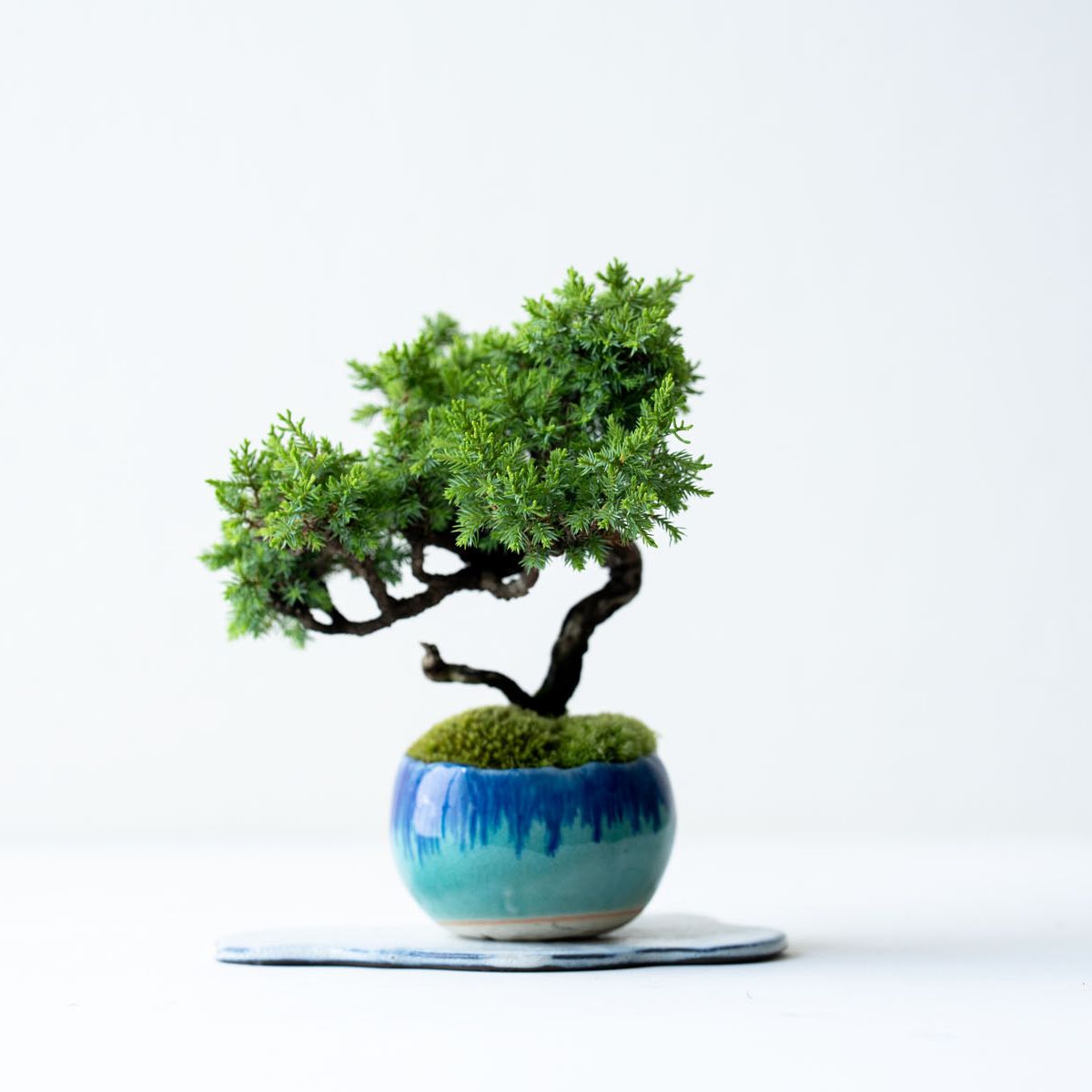 トショウ Juniperus rigida
-
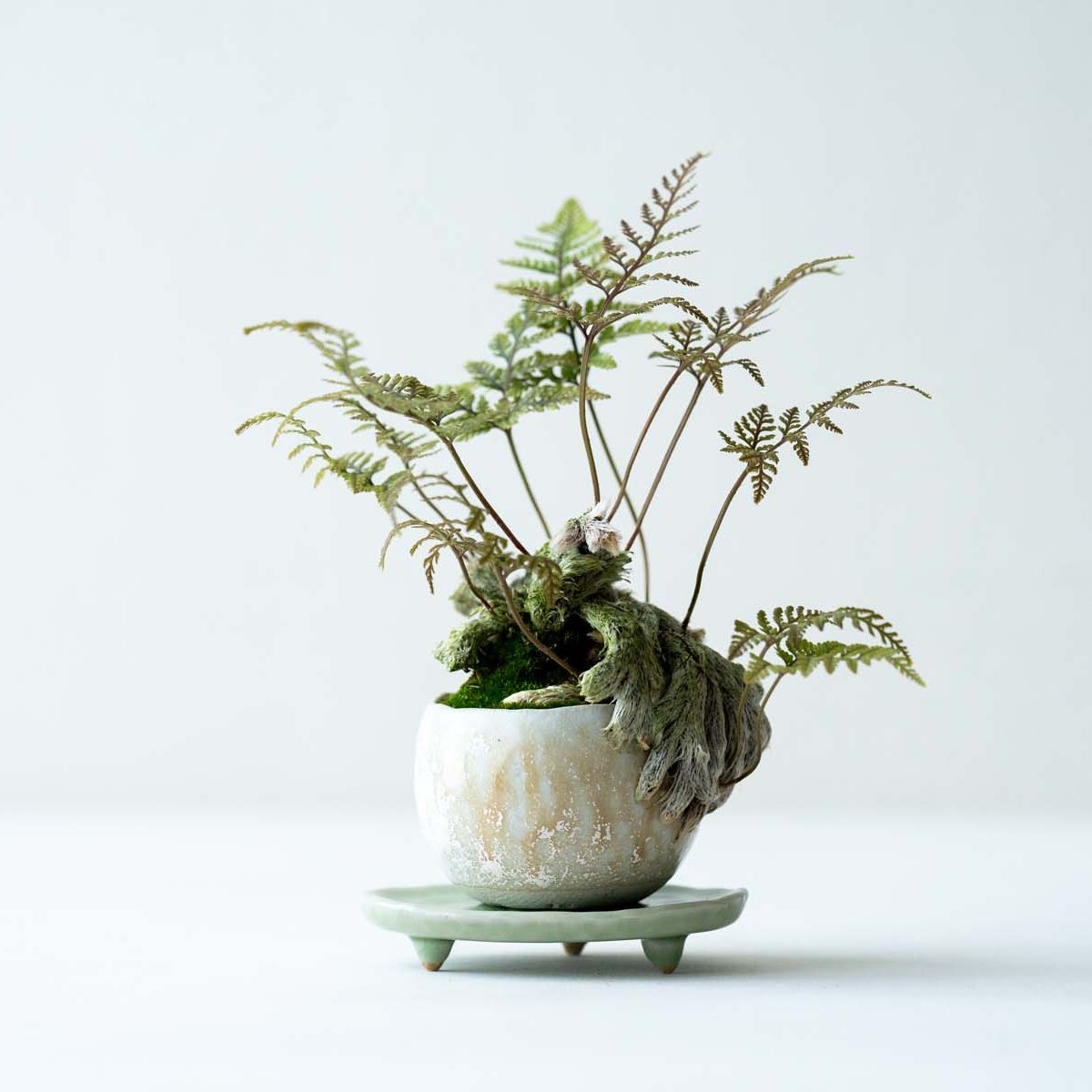 猫の手シダ Rabbit's Foot Fern
-
 ミズナラ Japanese oak
-
 ニワウメ Japanese bush cherry
-
 姫オリーブ Little Ollie
-
 錦糸ナンテン Nandina domestica var.capillaris
-
 桃色ユキヤナギ Fujino Pink Spirea
-
 ツリバナマユミ
-
 タチマユミ
-
 トキワマンサク
-
 銀葉シンパク
-
 イボタ Ligustrum obtusifolium
-
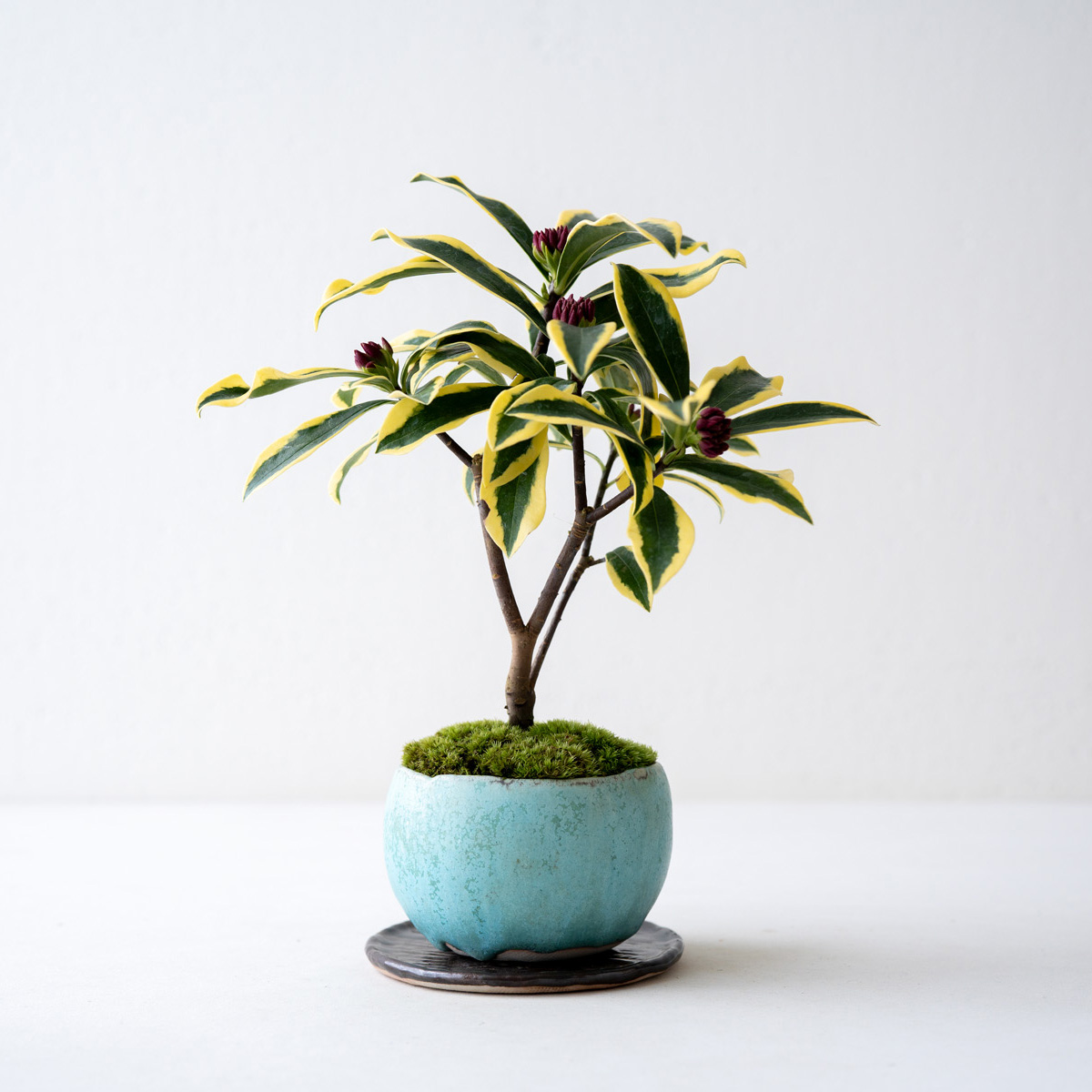 沈丁花 Winter Daphne
-
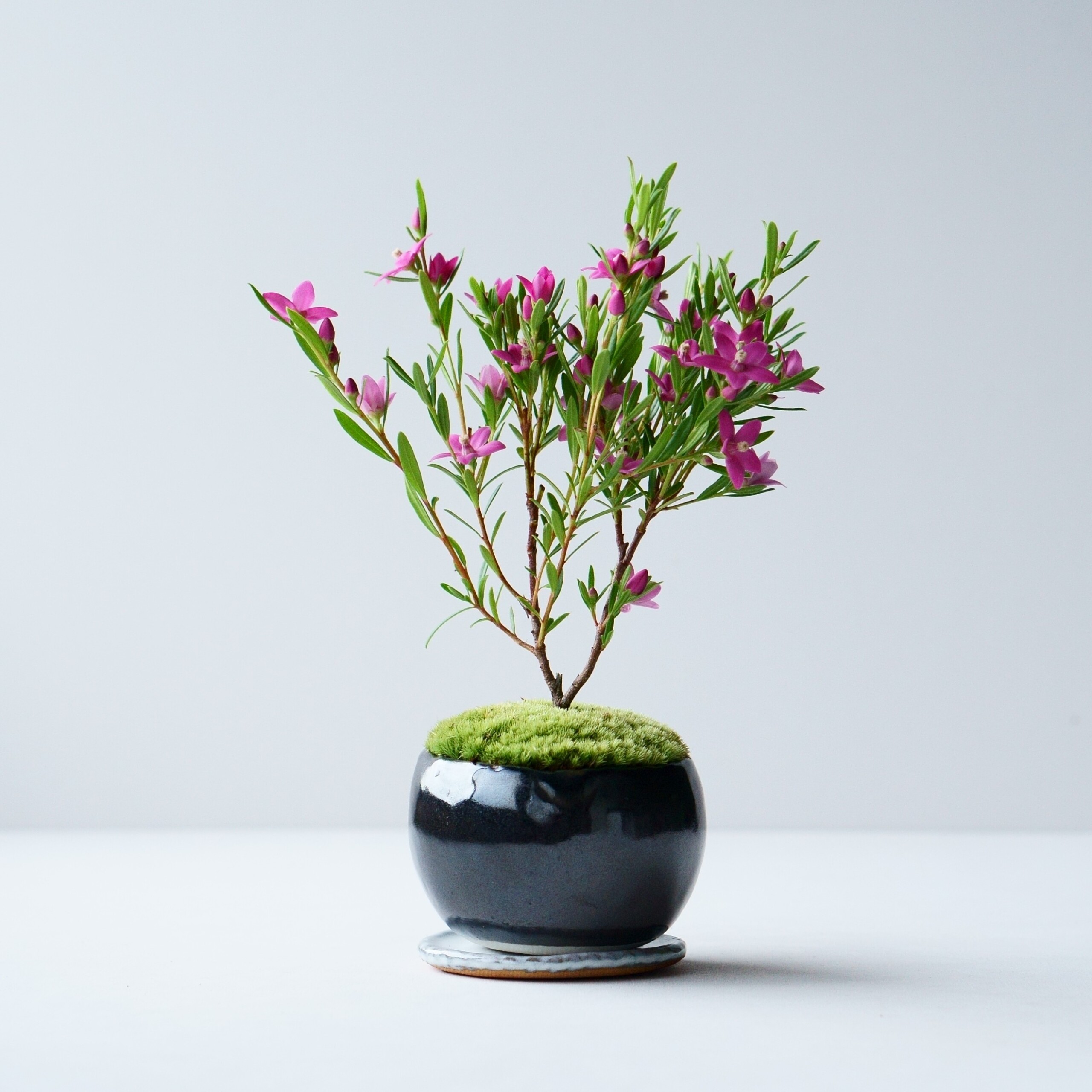 サザンクロス
-
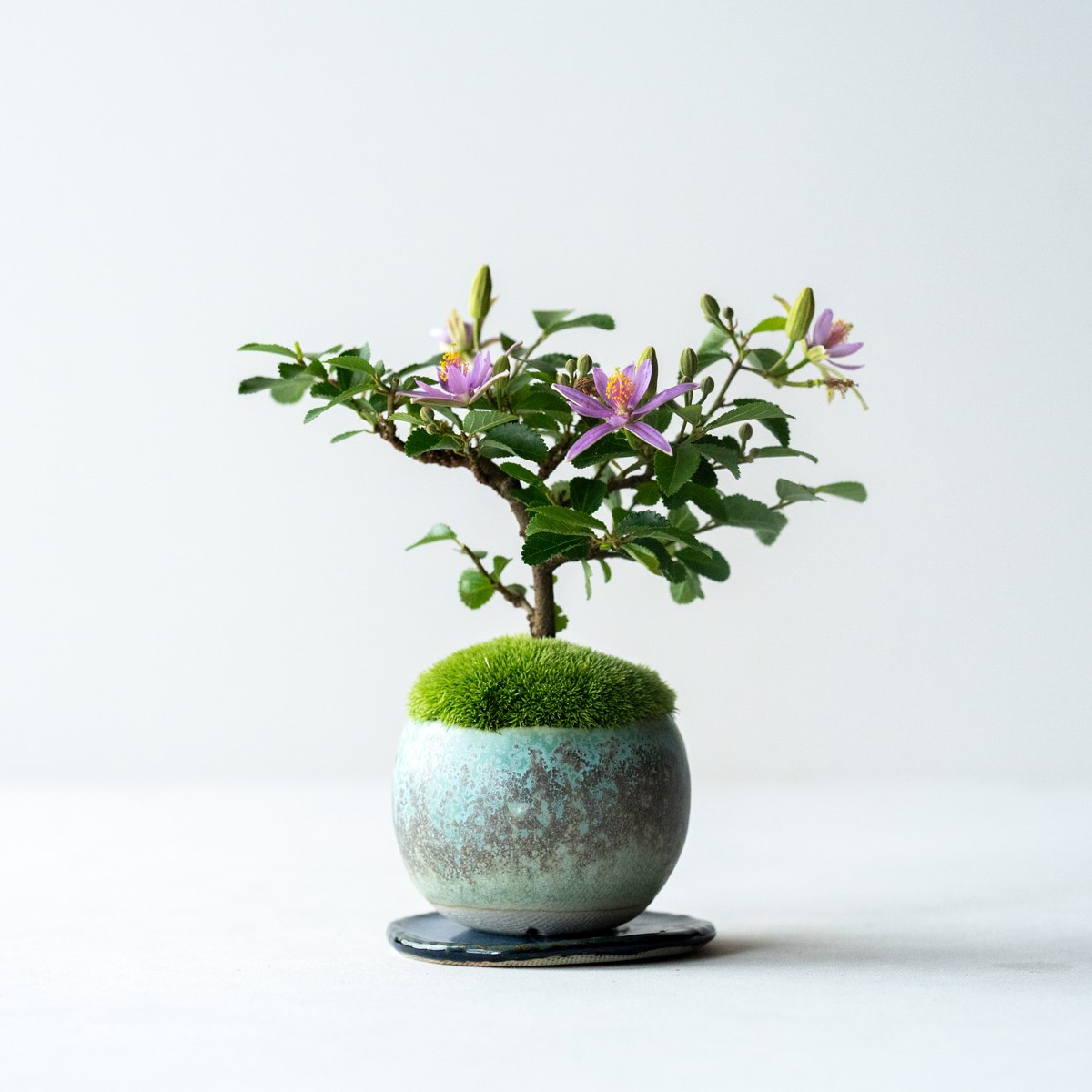 スイレンボク
-
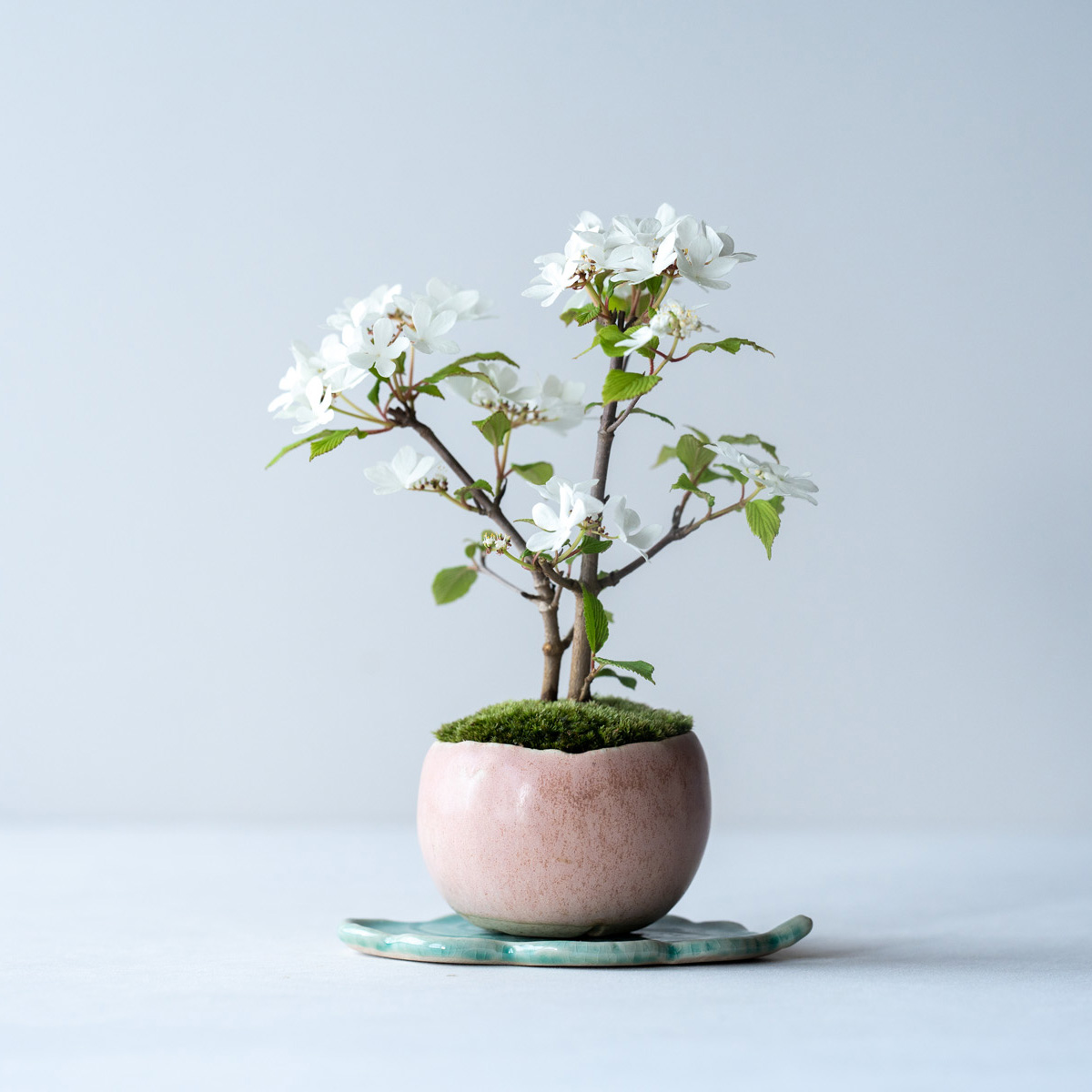 ヤブデマリ
-
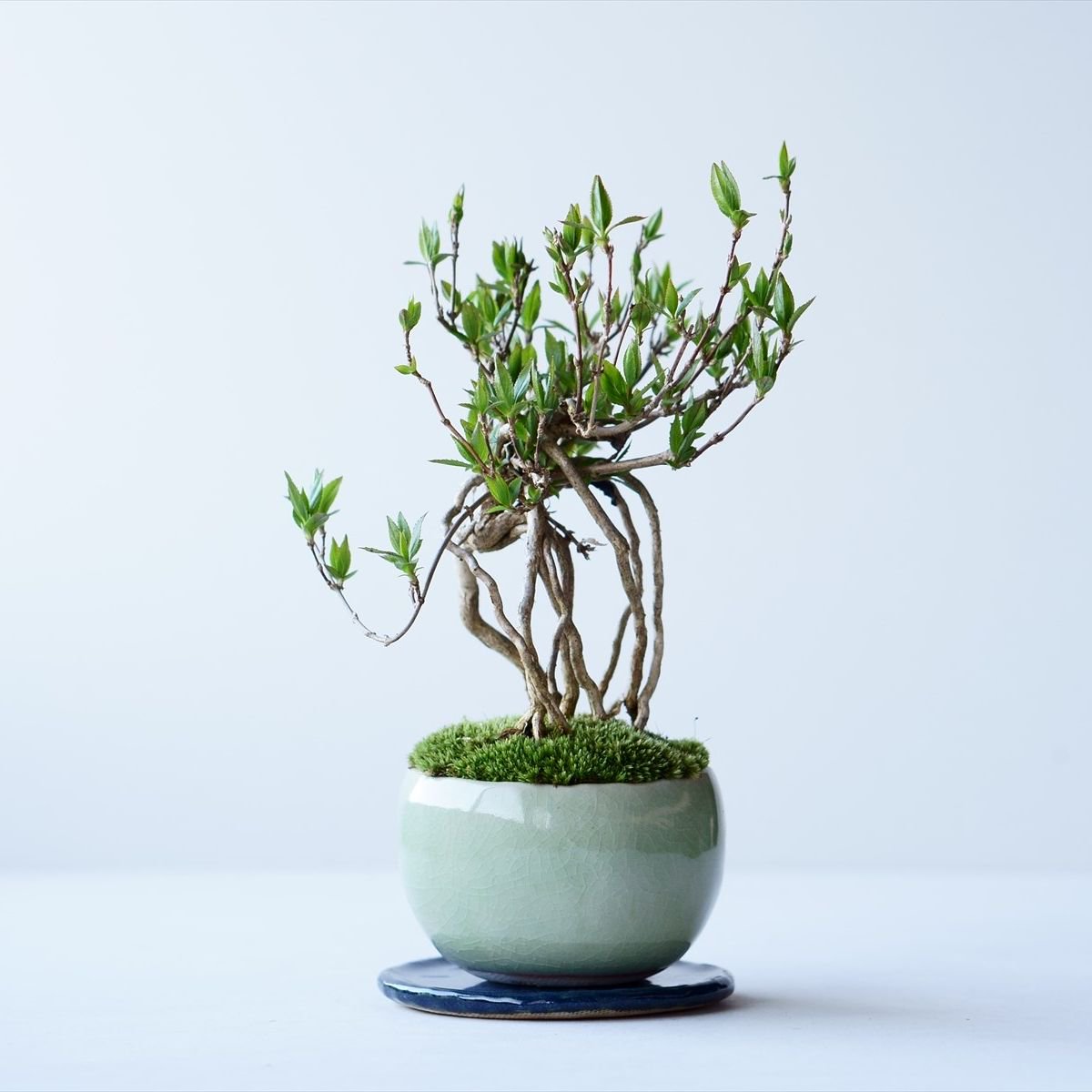 姫ウツギ
-
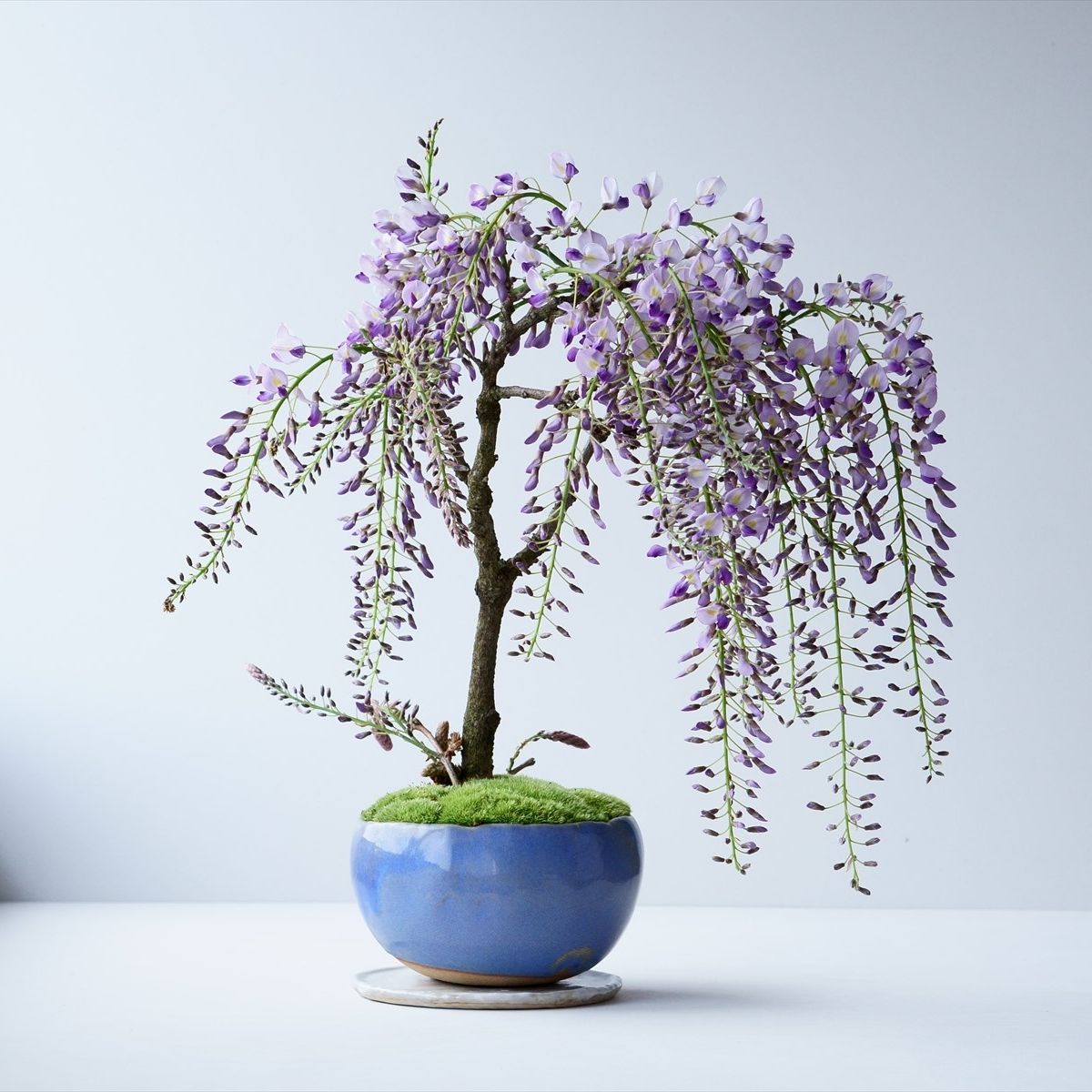 フジ
-
 コフジ
-
 オジギソウ
-
 姫ライラック
-
 コメツツジ
-
 ロウヤガキ
-
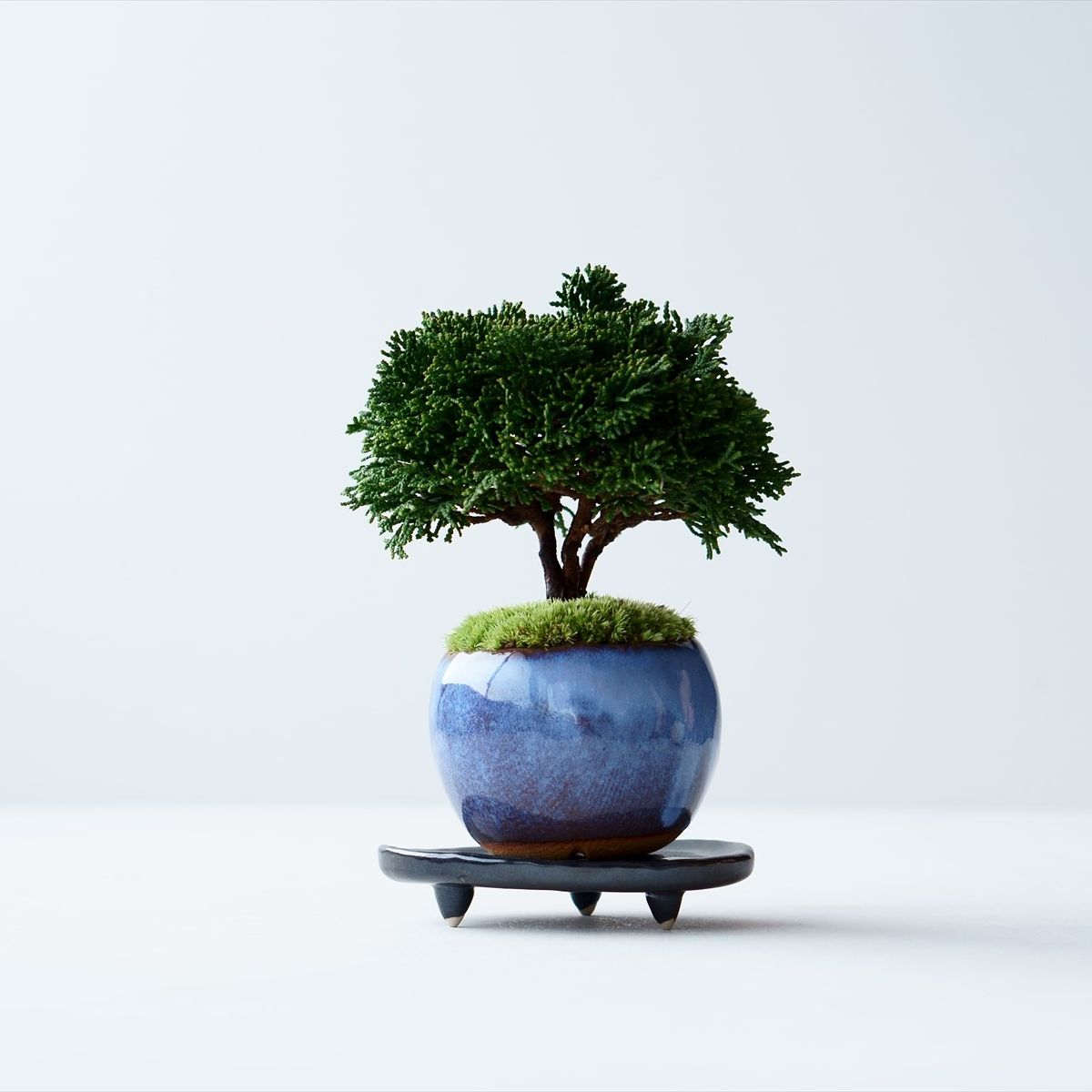 連山ヒノキ
-
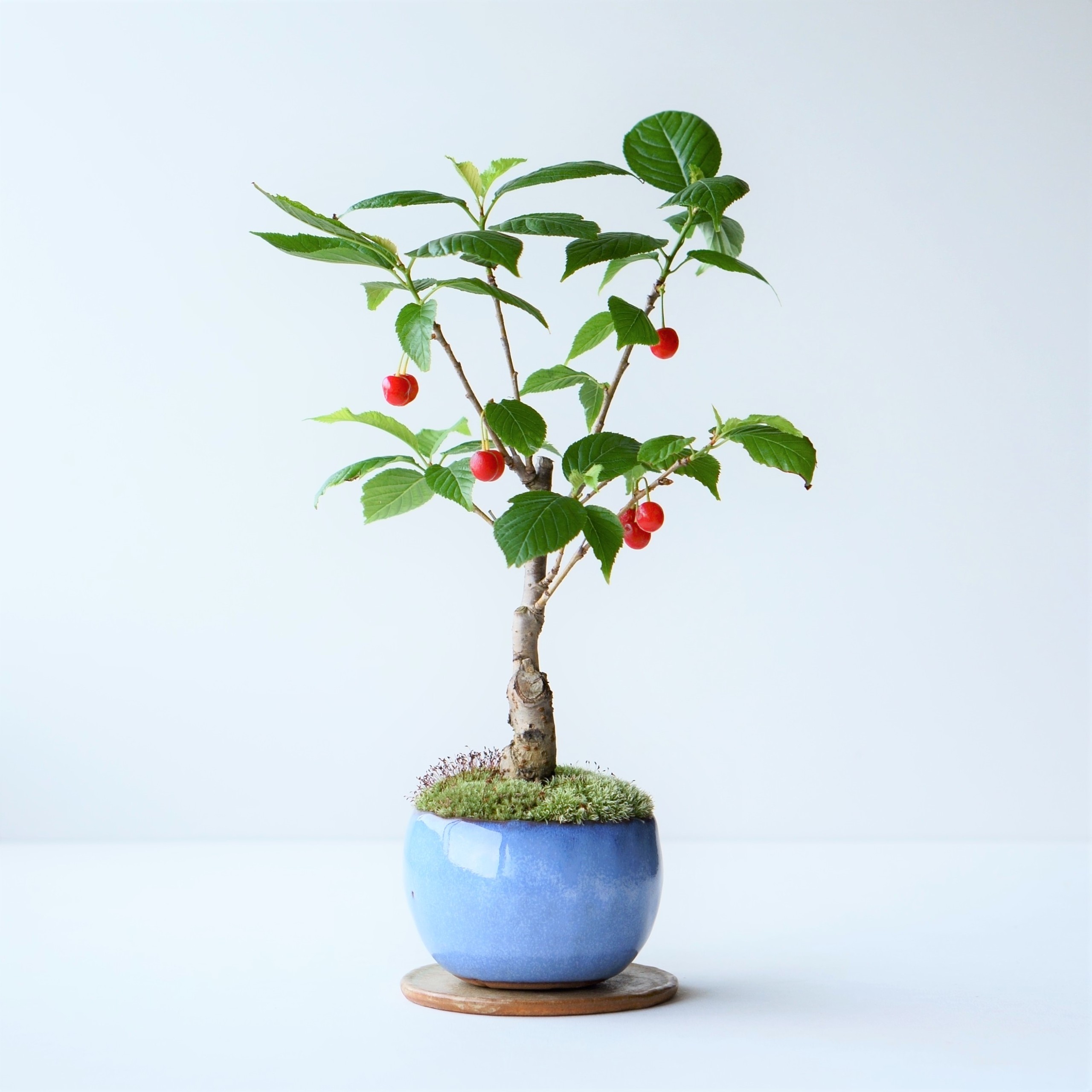 サクランボ
-
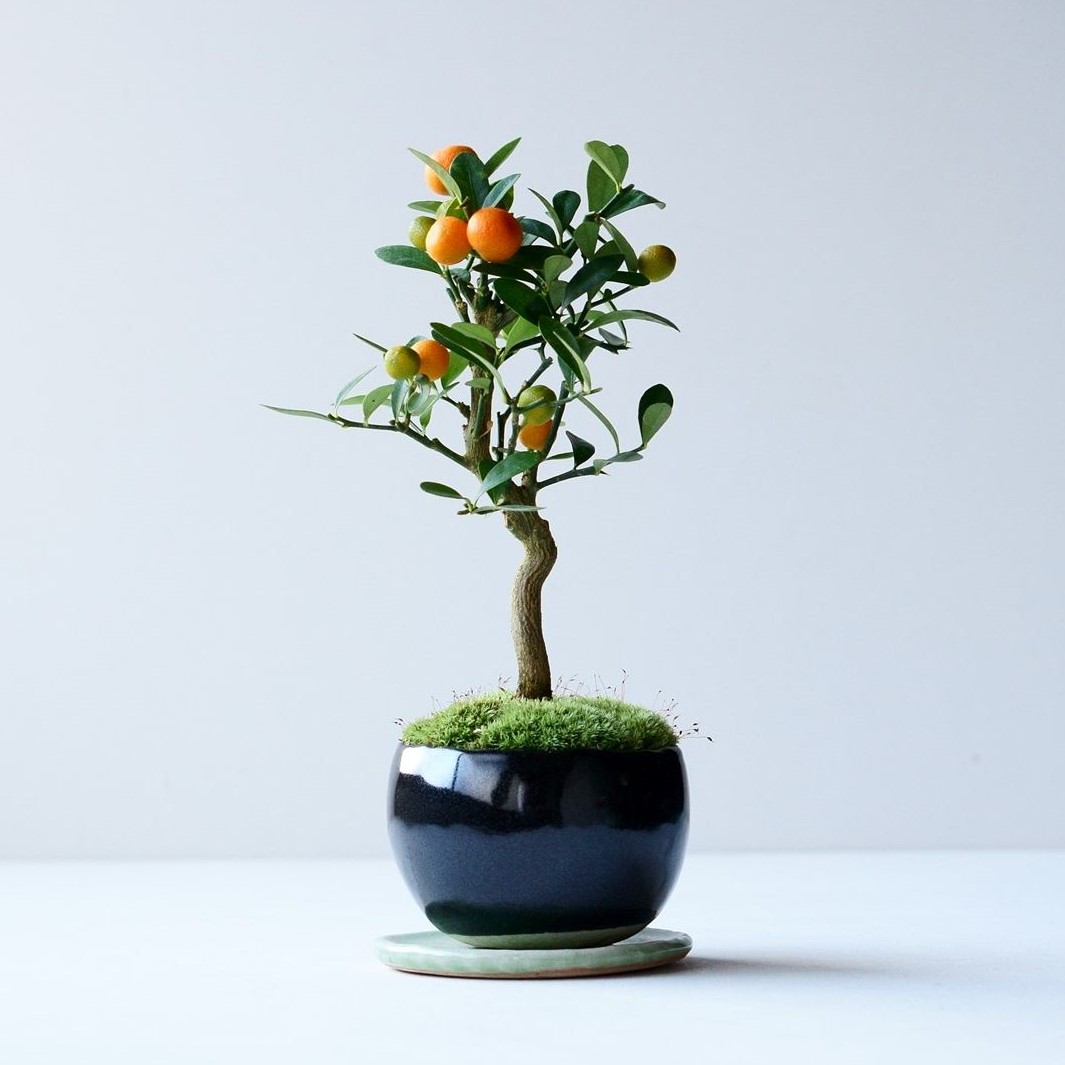 キンズ
-
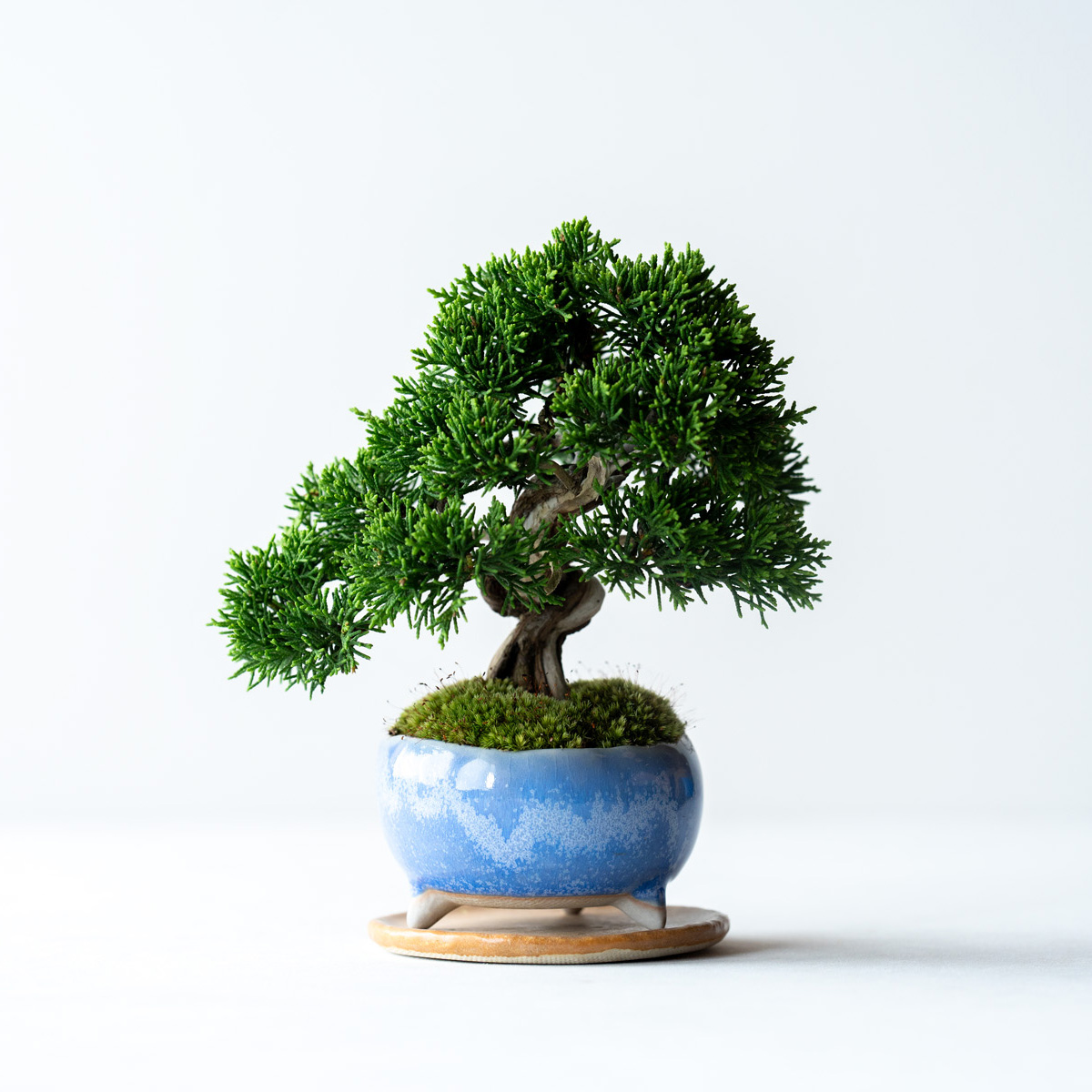 シンパク
-
 エゾマツ
-
 コナラ
-
 リュウノヒゲ
-
 椿
-
 ナンテン
-
 姫寒菊
-
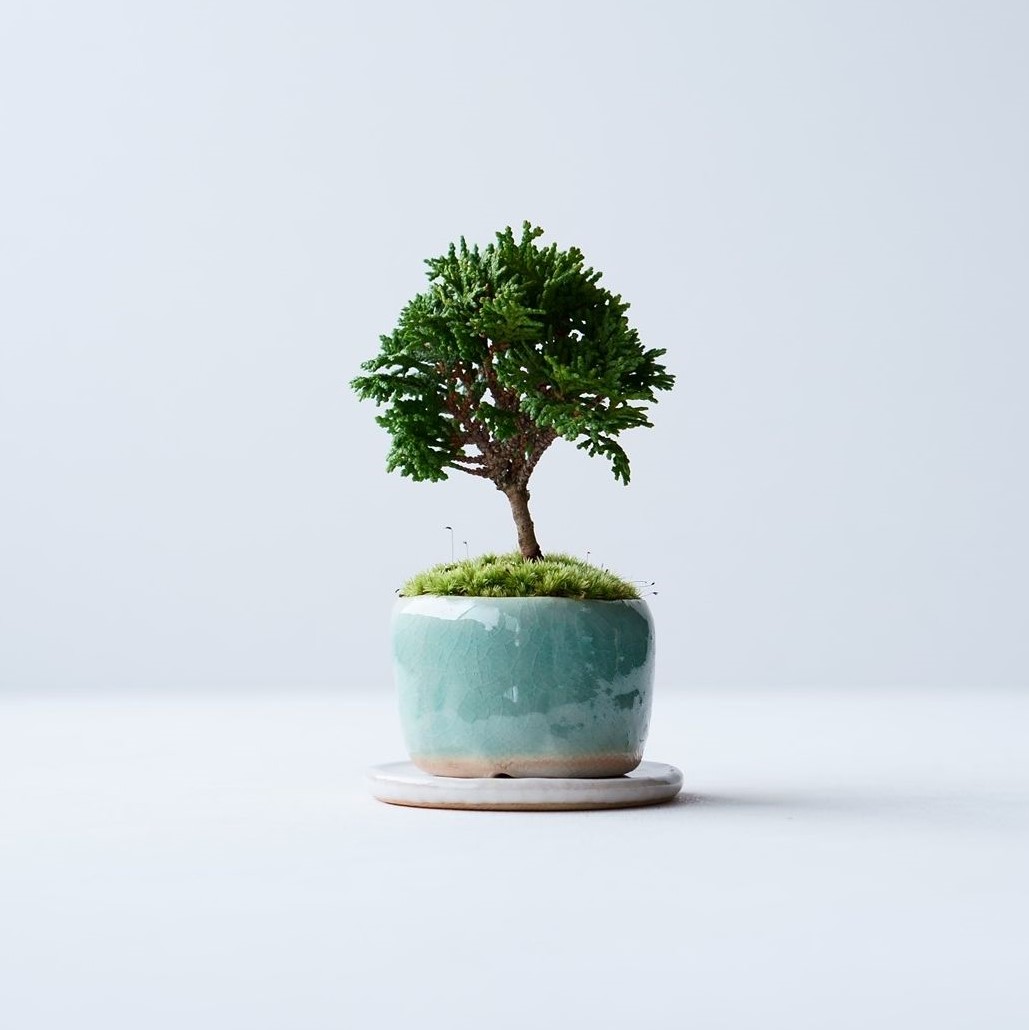 津山ヒノキ
-
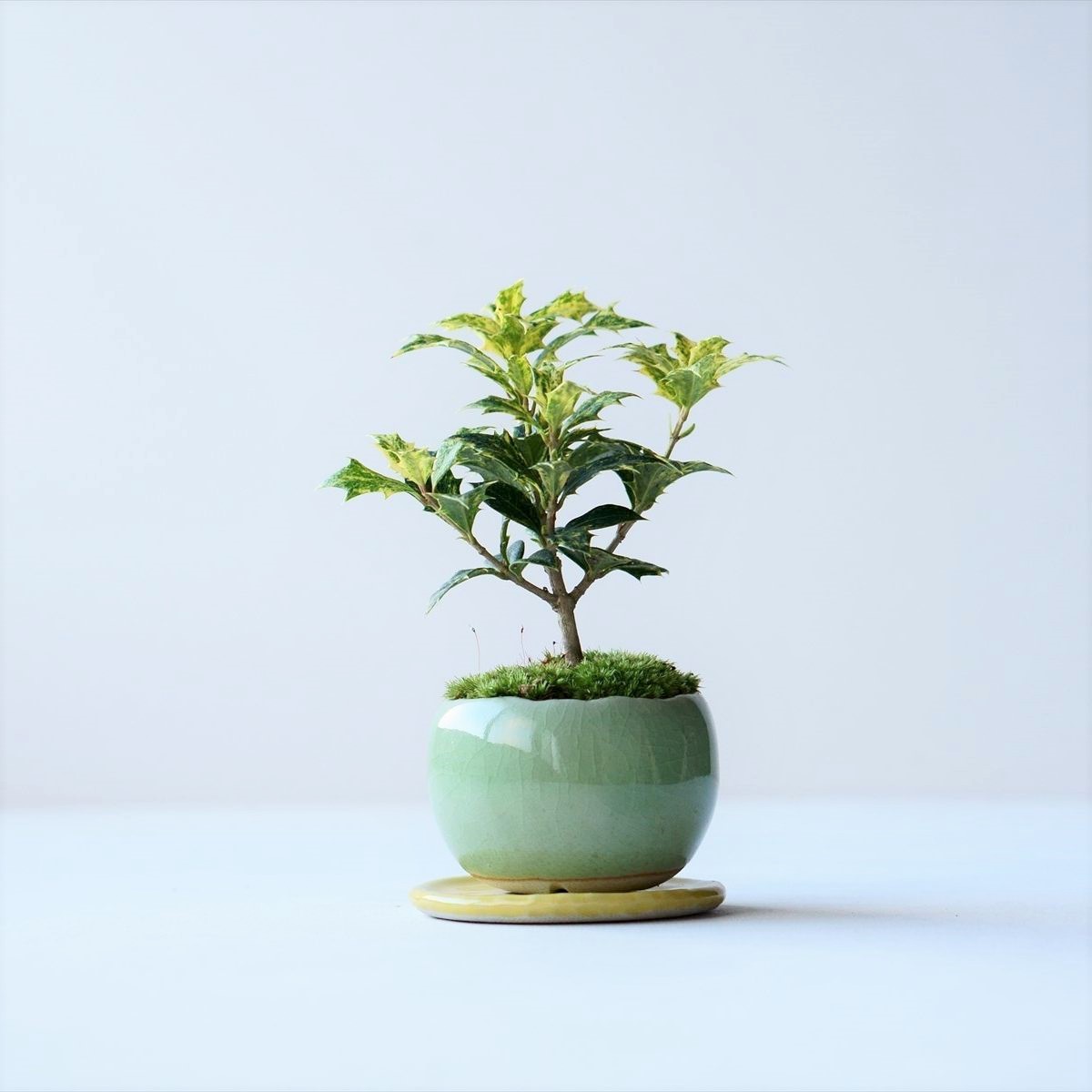 斑入りヒイラギ
-
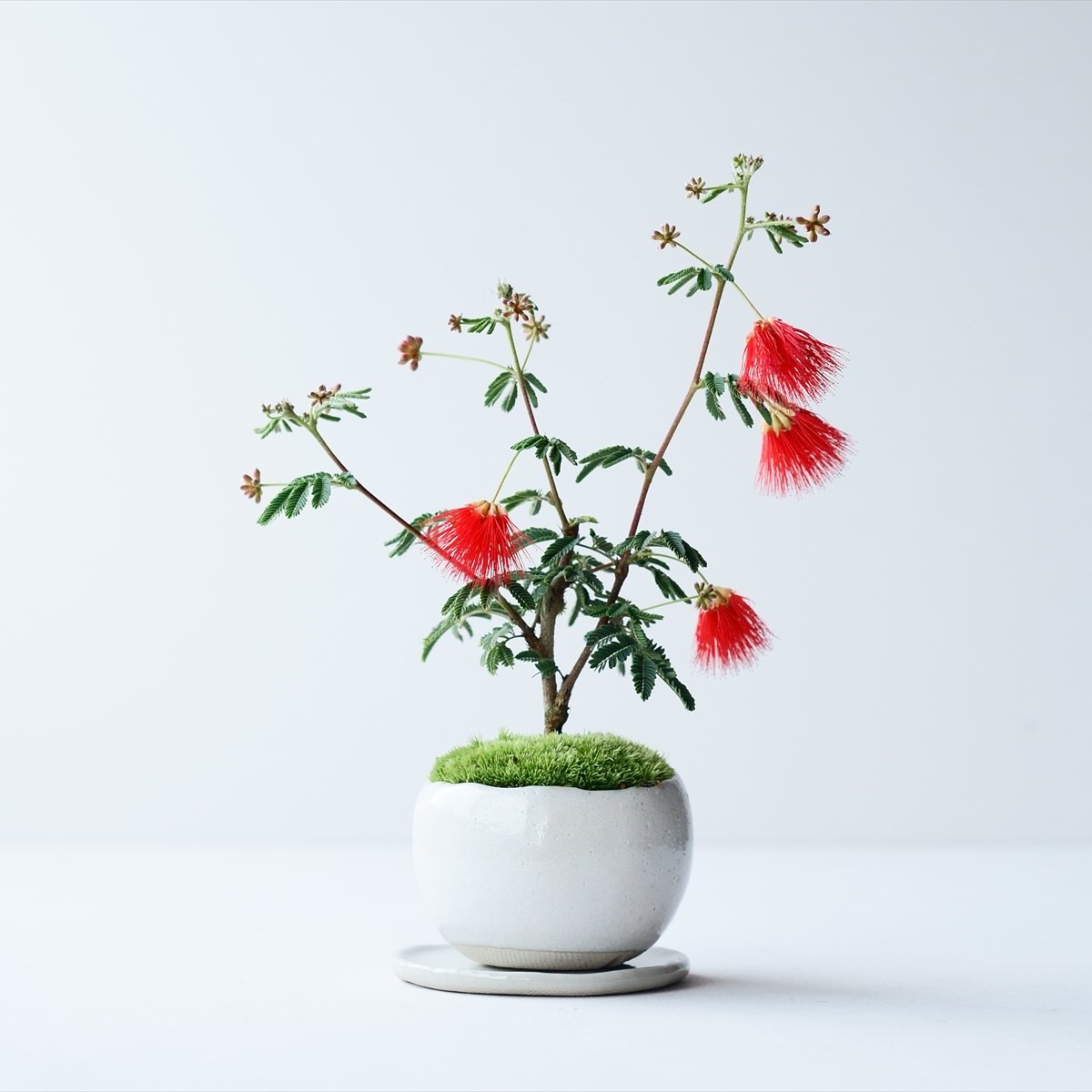 緋ネム
-
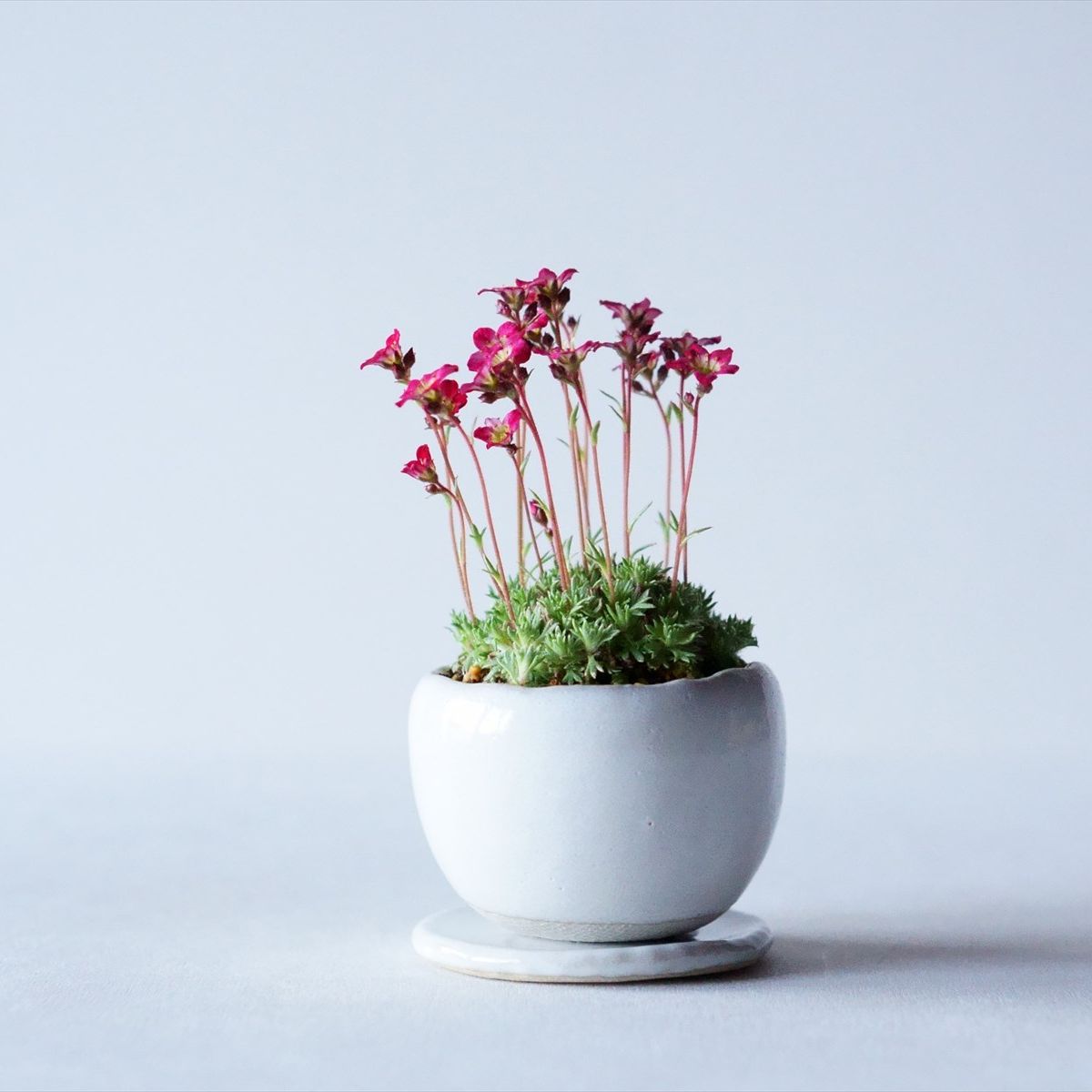 雲間草
-
 ネコヤナギ
-
 八房香丁木
-
 木瓜
-
 十月桜
-
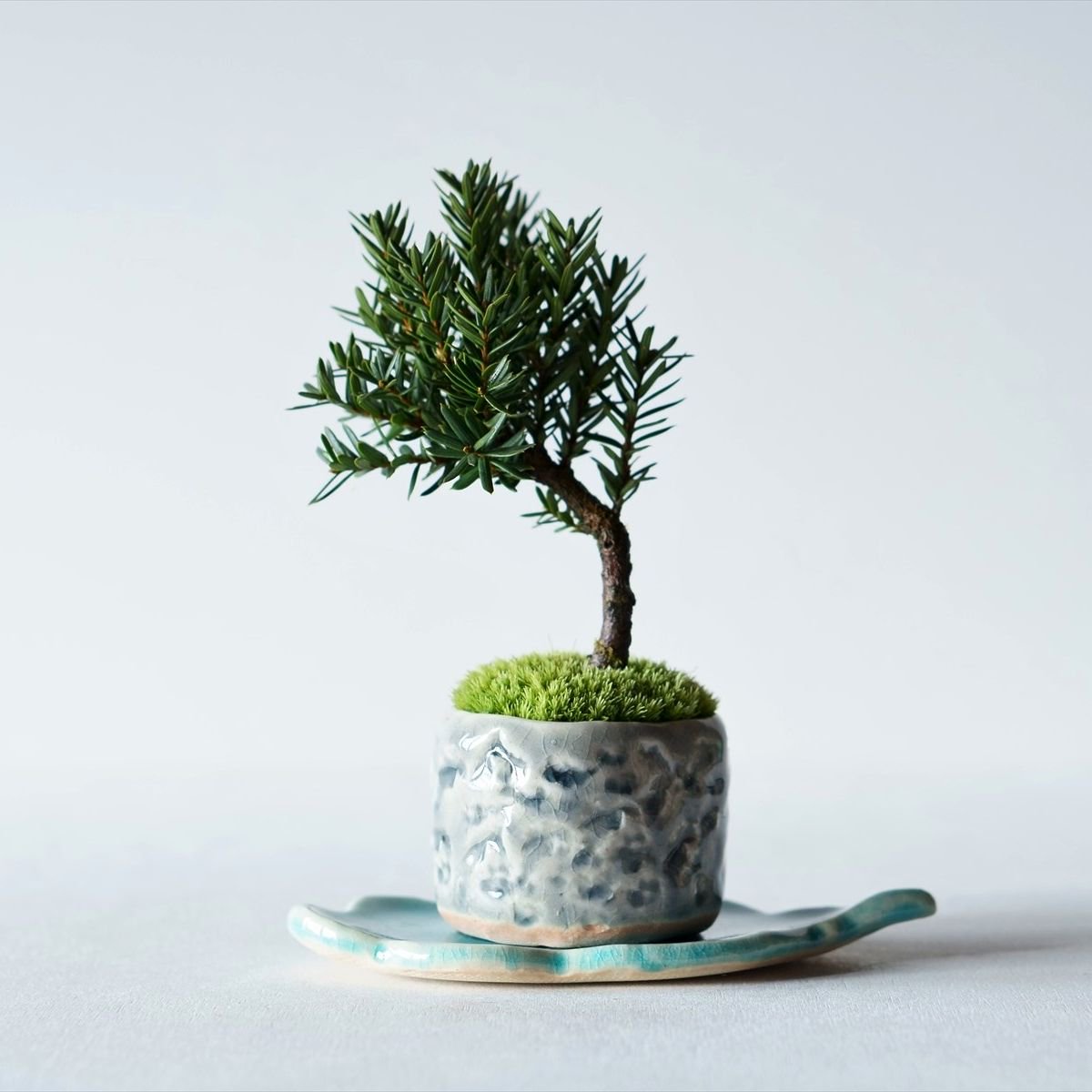 キャラボク
-
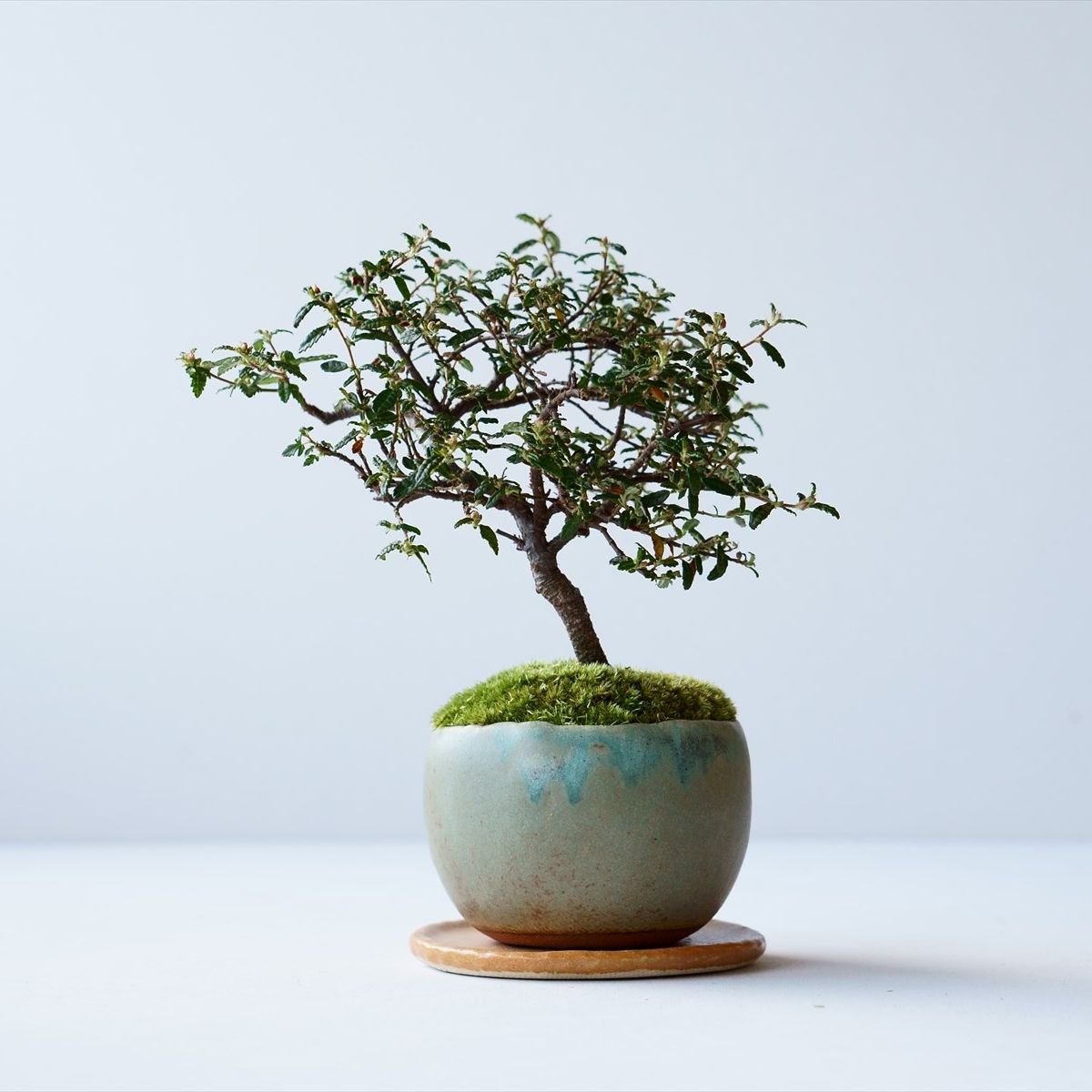 天皇梅
-
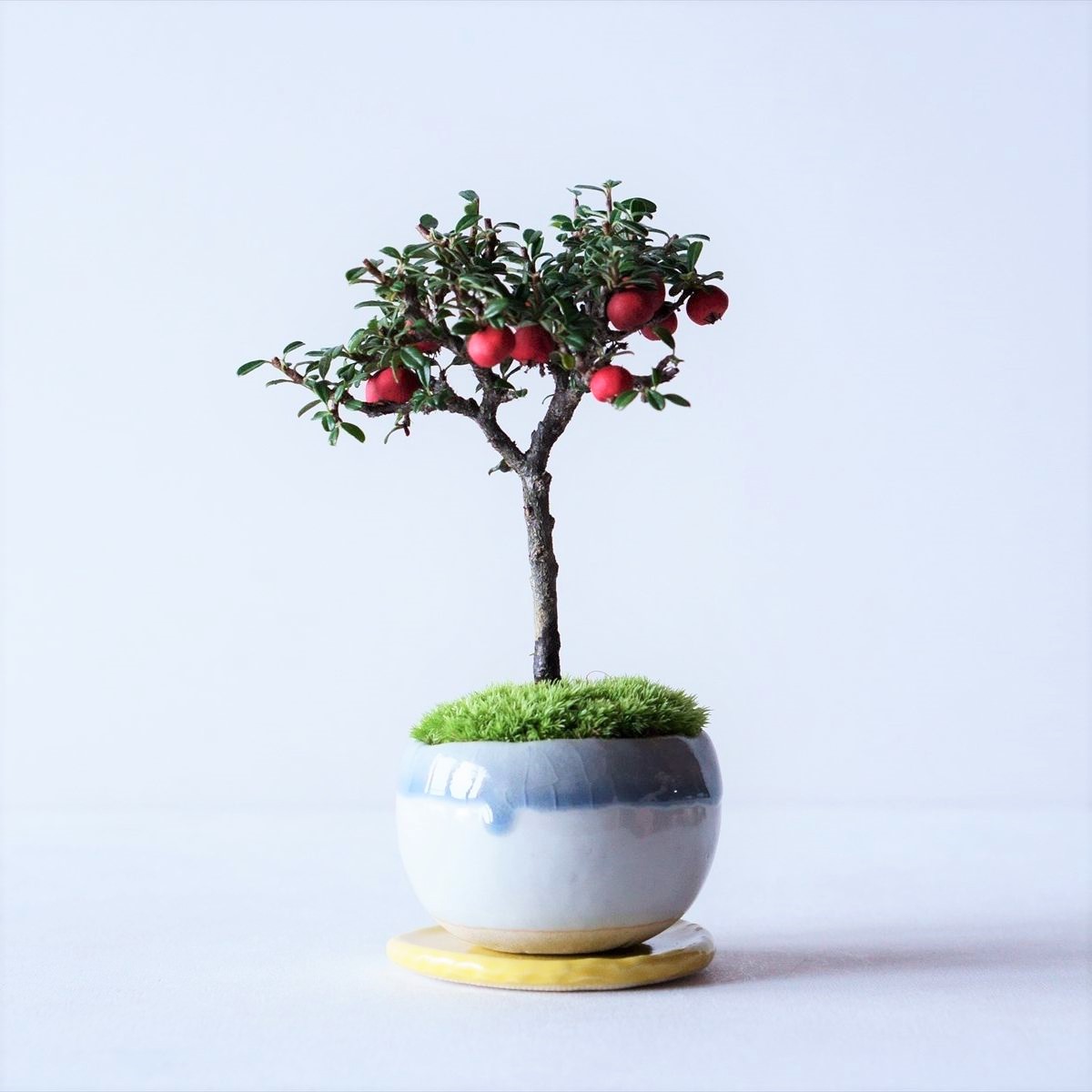 シロシタン
-
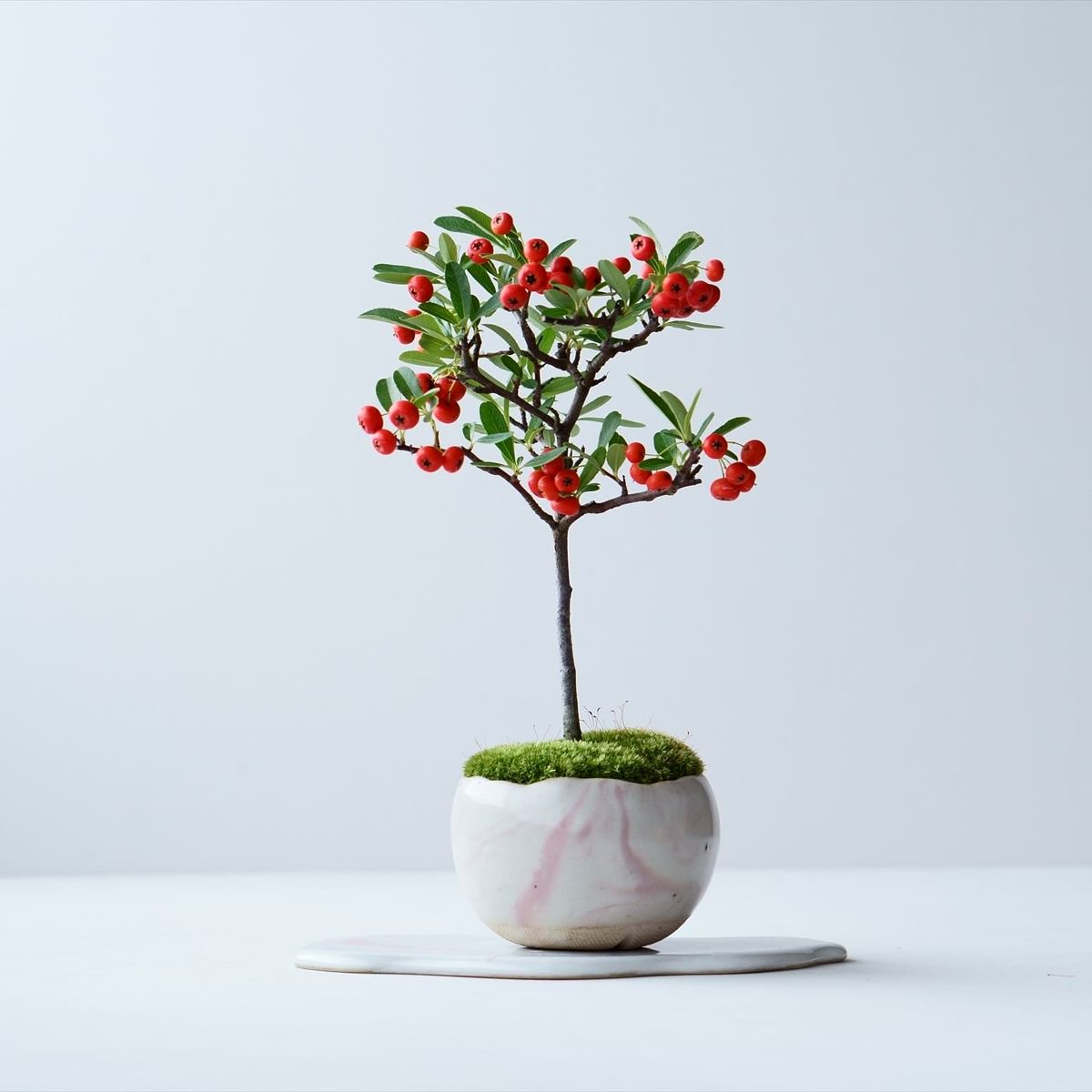 トキワサンザシ
-
 ヤブコウジ
-
 梅
-
 長寿梅
-
 トキワシノブ
-
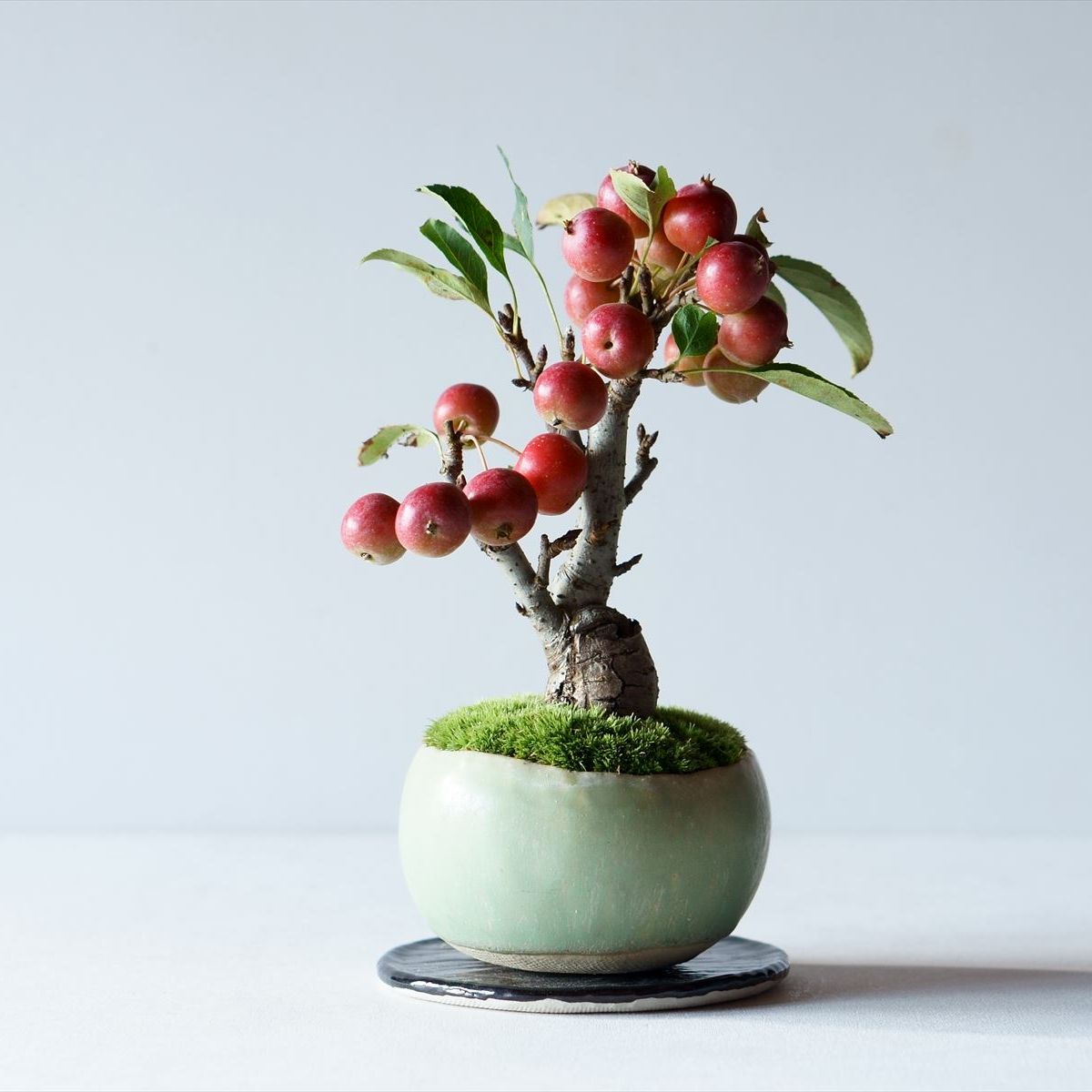 姫リンゴ
-
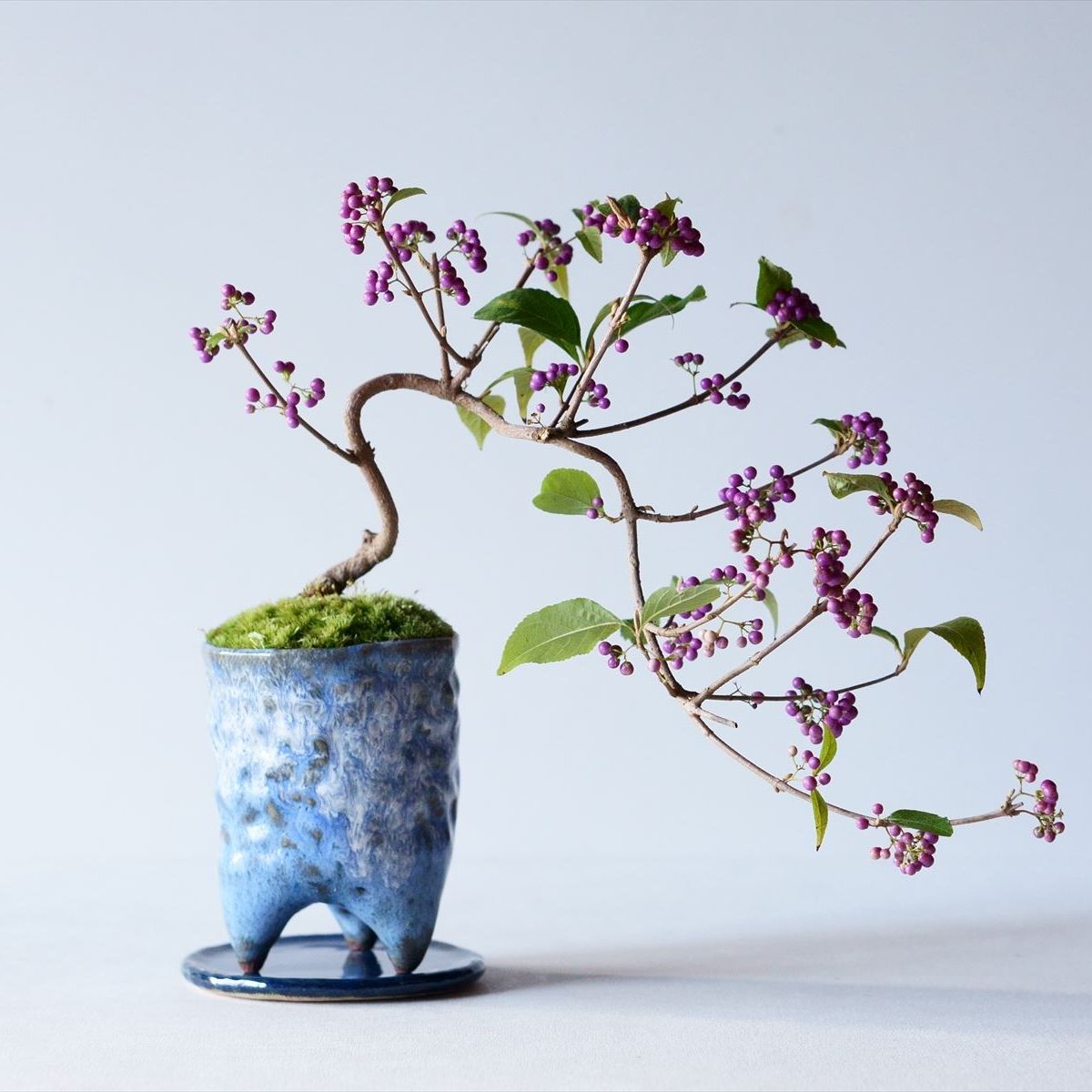 コムラサキ
-
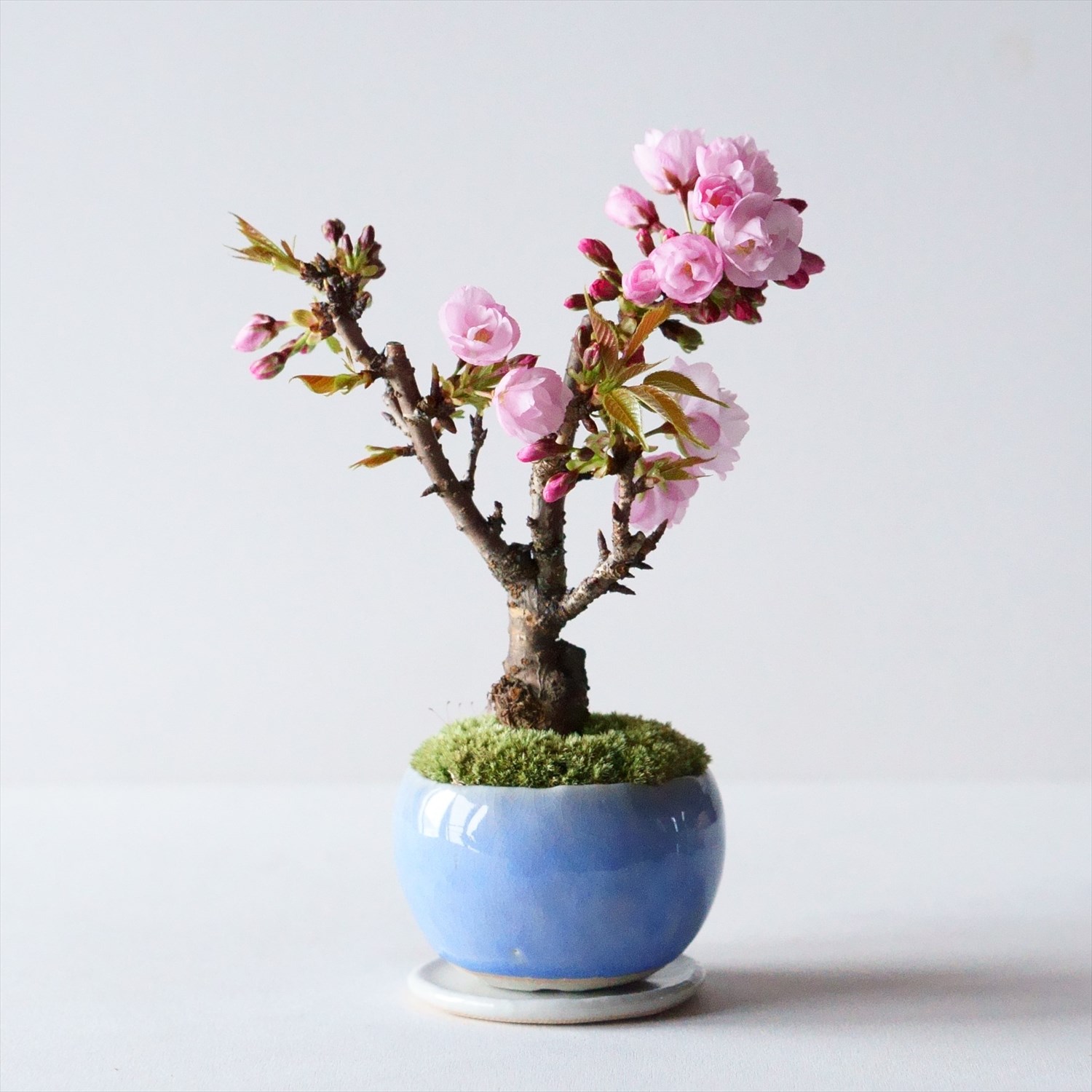 旭山桜
-
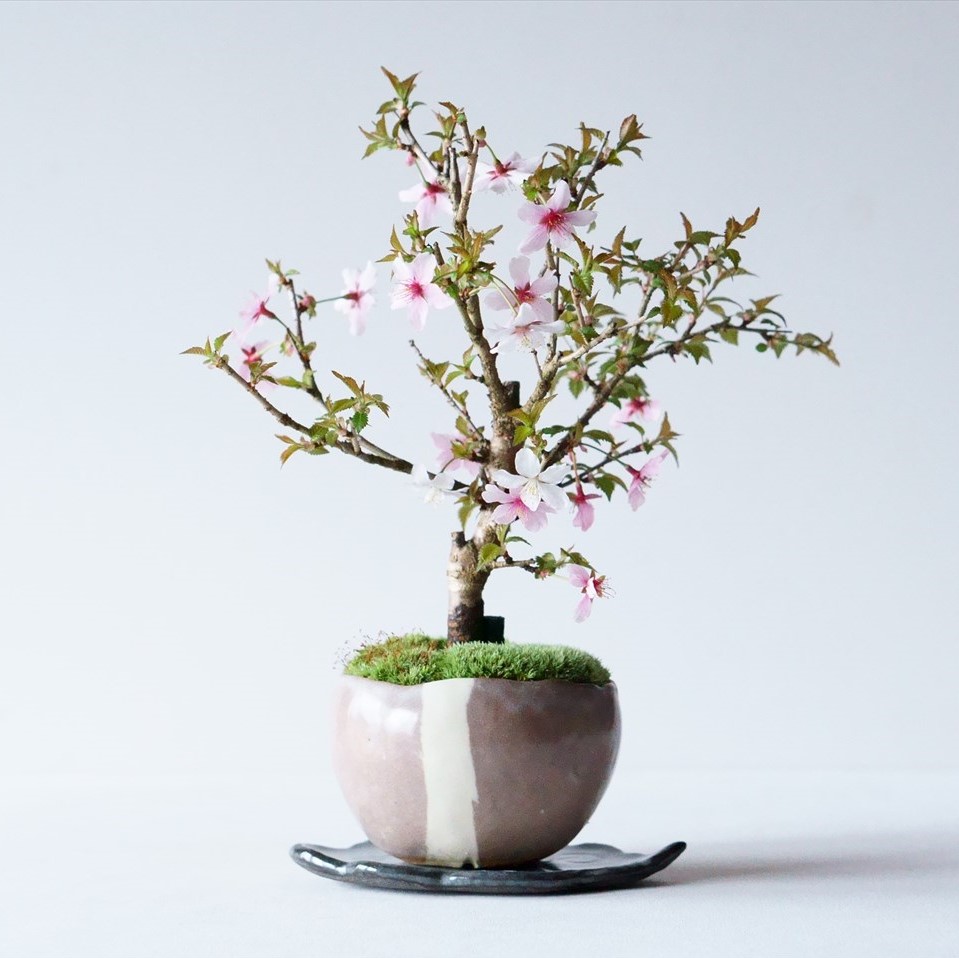 富士桜
-
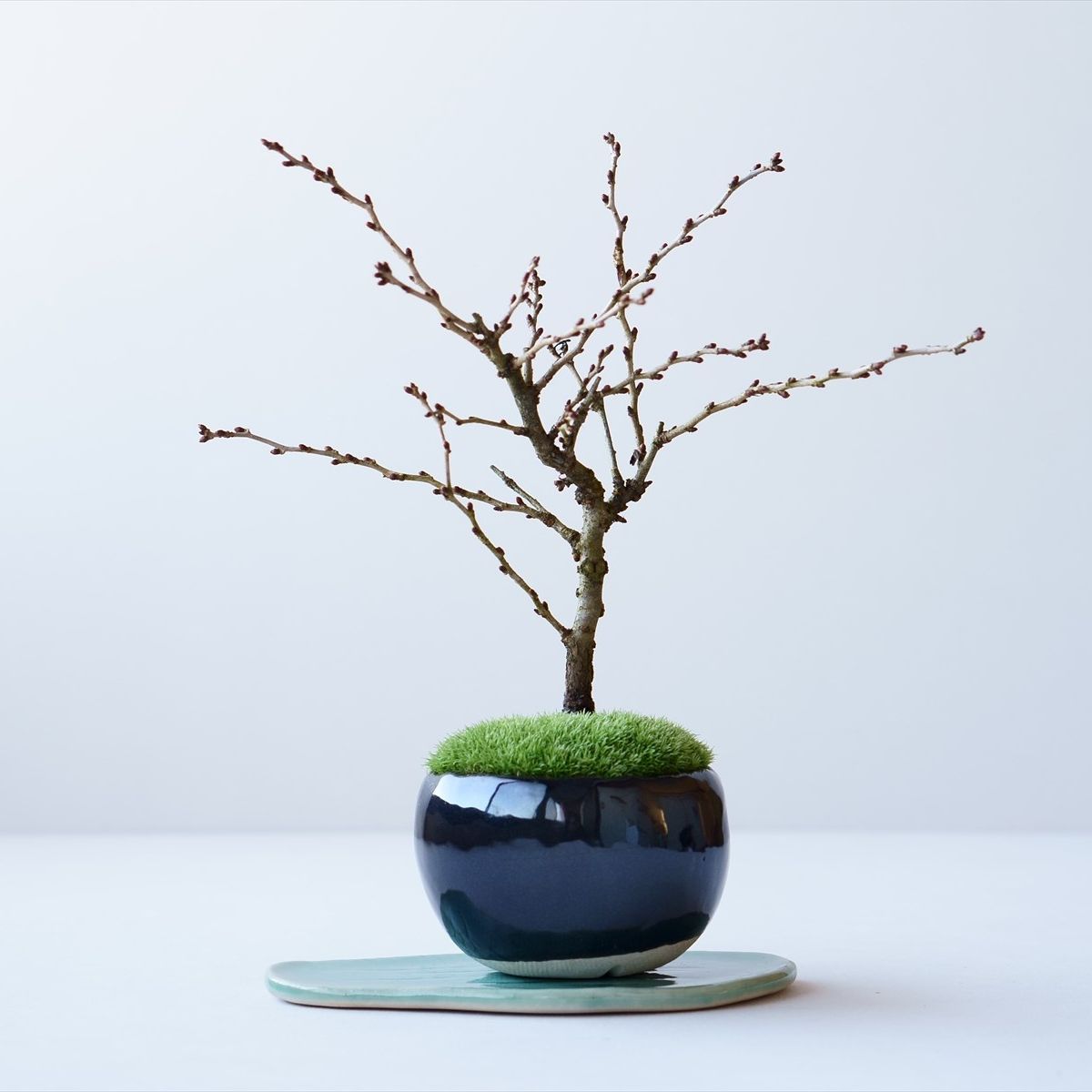 雲竜富士桜
-
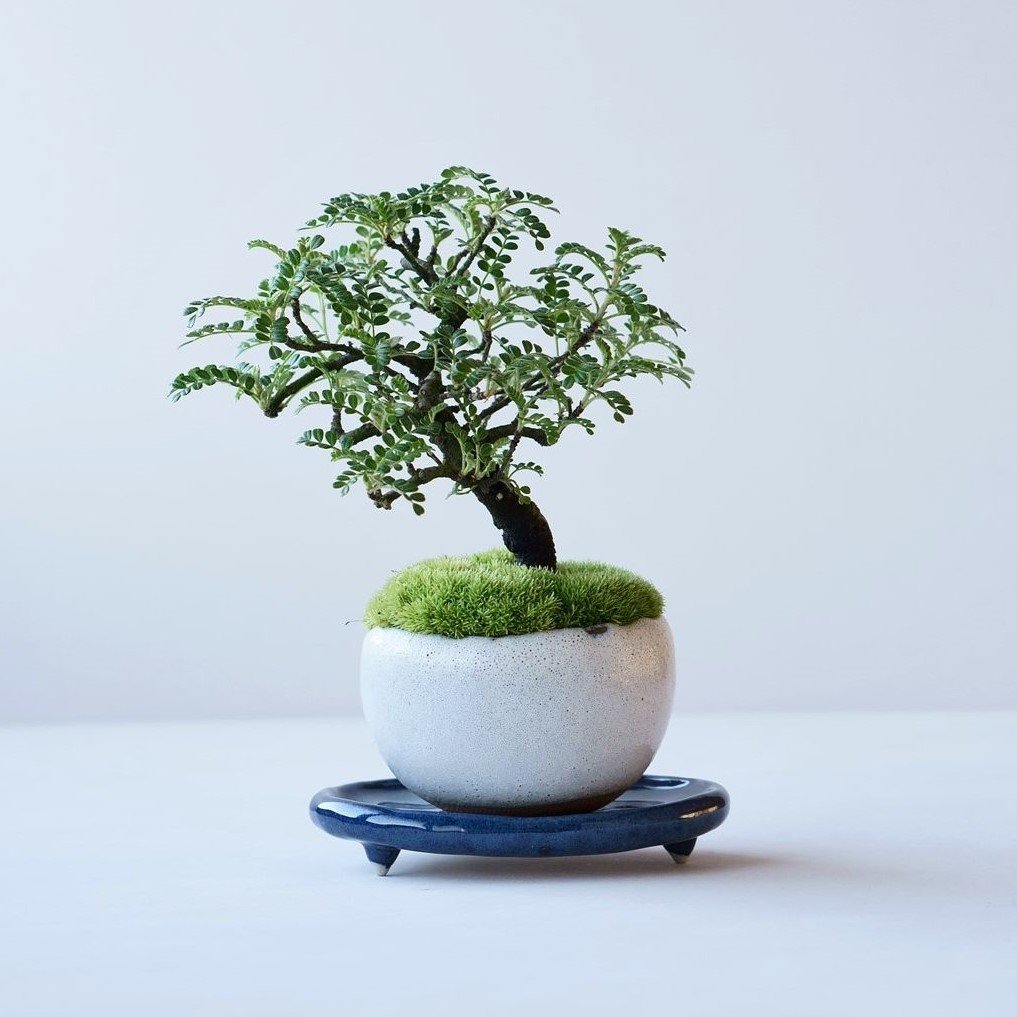 イソザンショウ
-
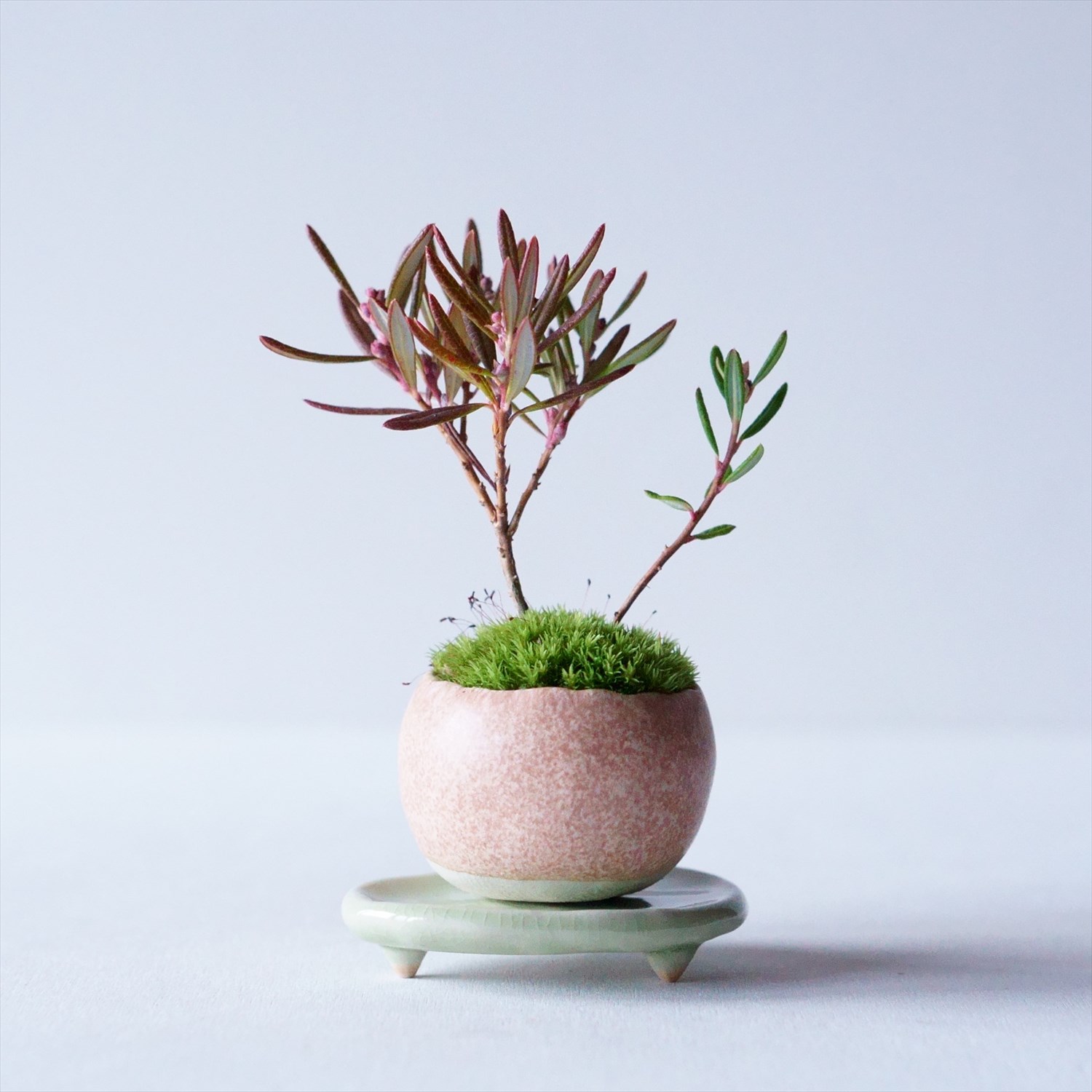 姫シャクナゲ
-
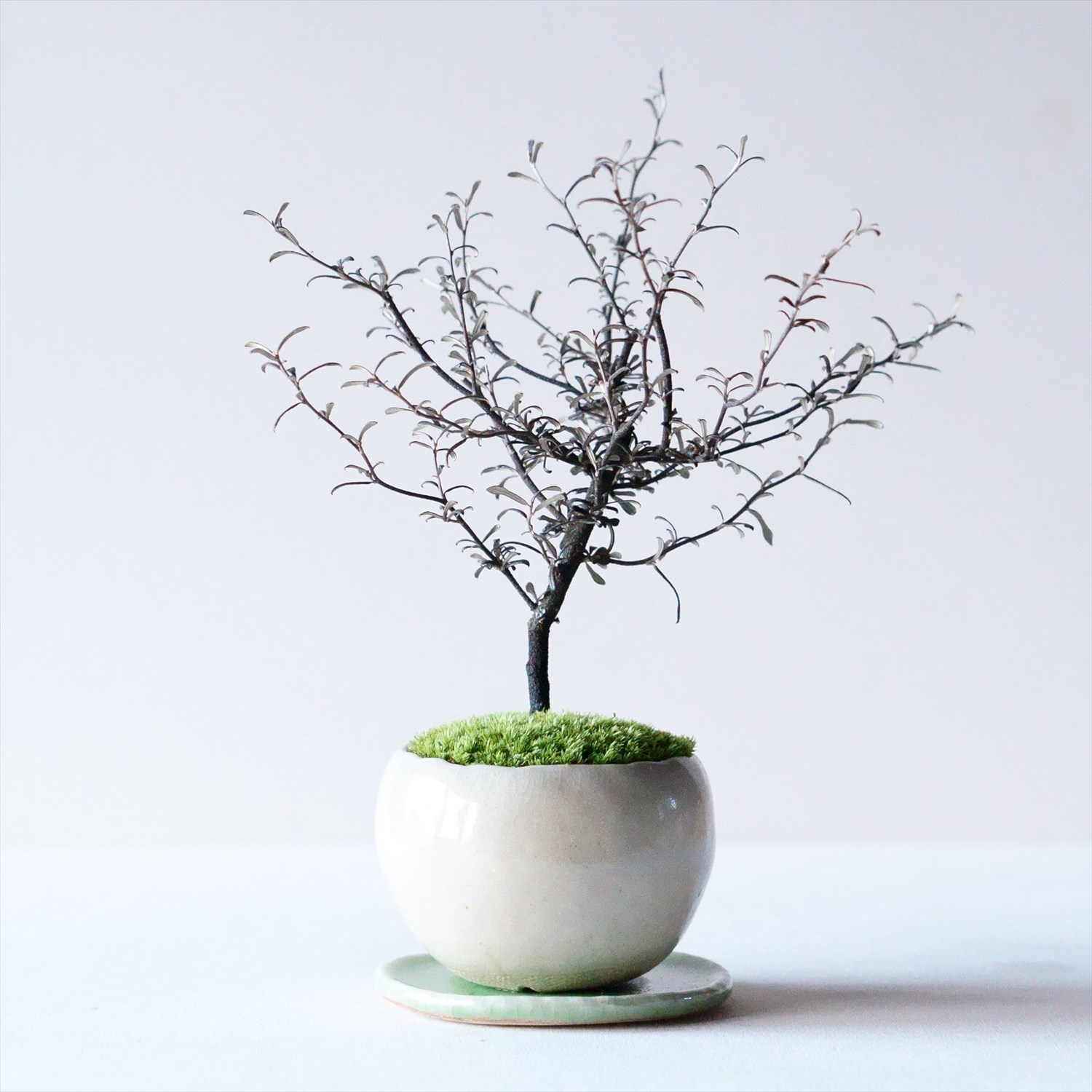 コロキア
-
 しだれ桜
-
 ゴヨウマツ
-
 キバナジャスミン
-
 山ブドウ
-
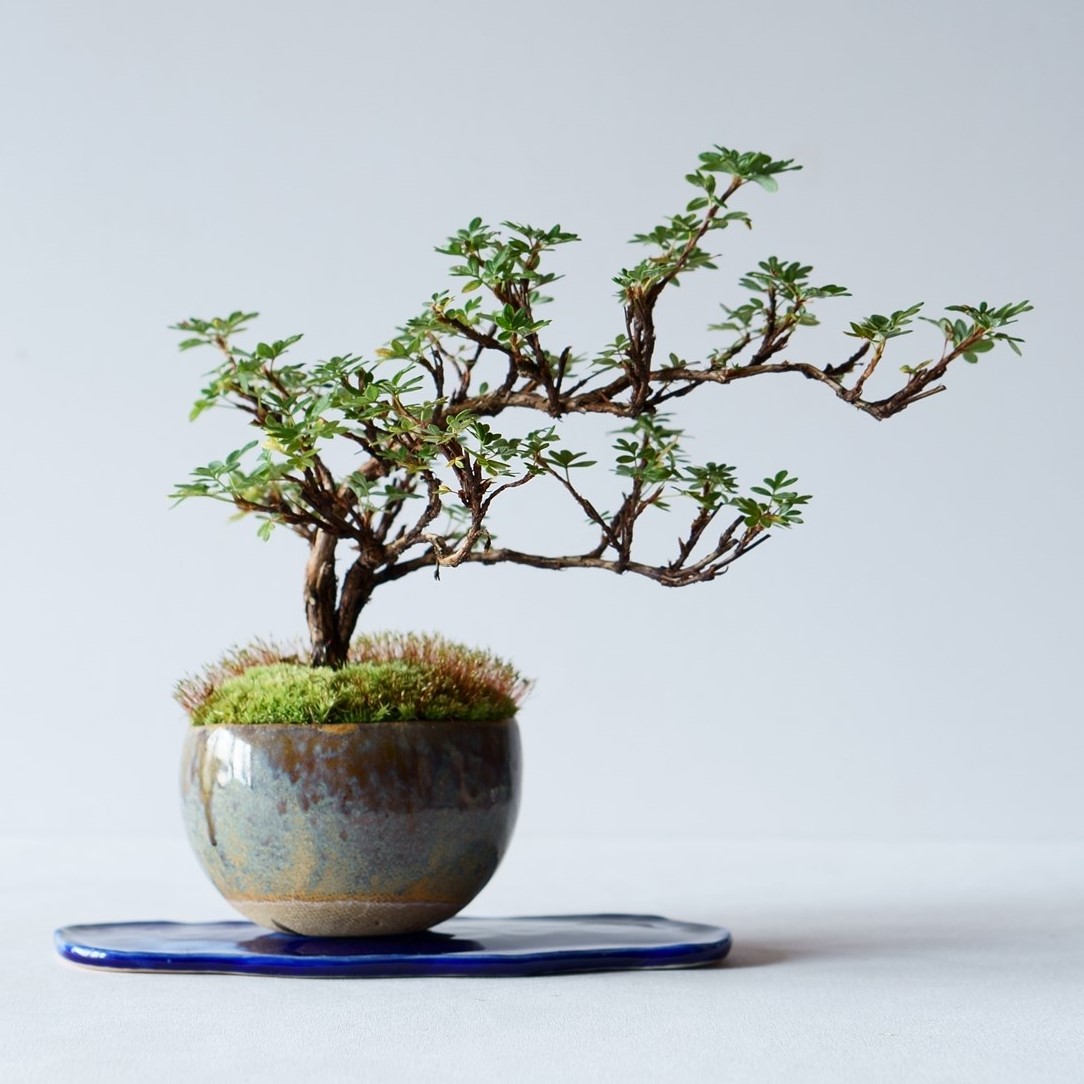 キンロバイ
-
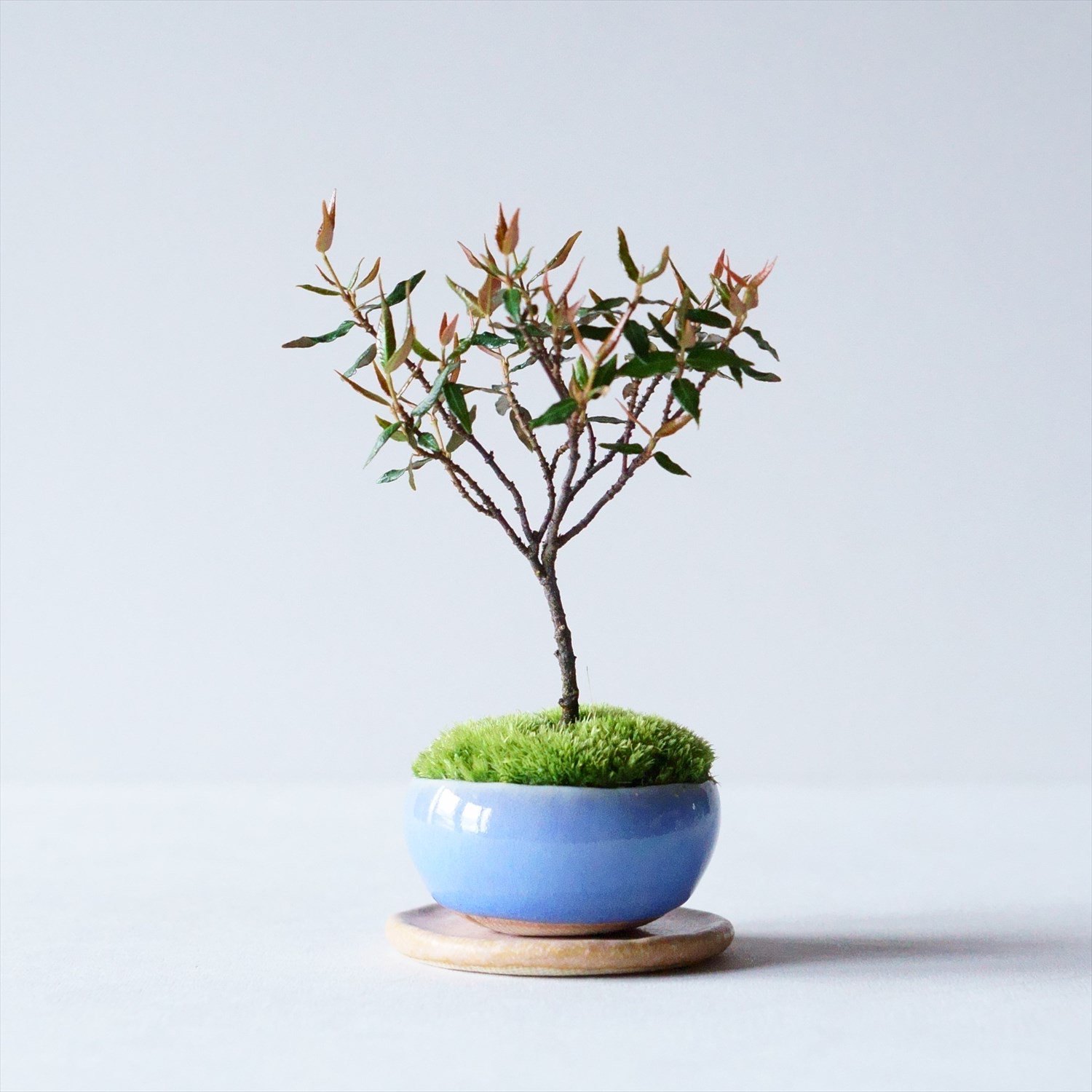 チリメンカズラ
-
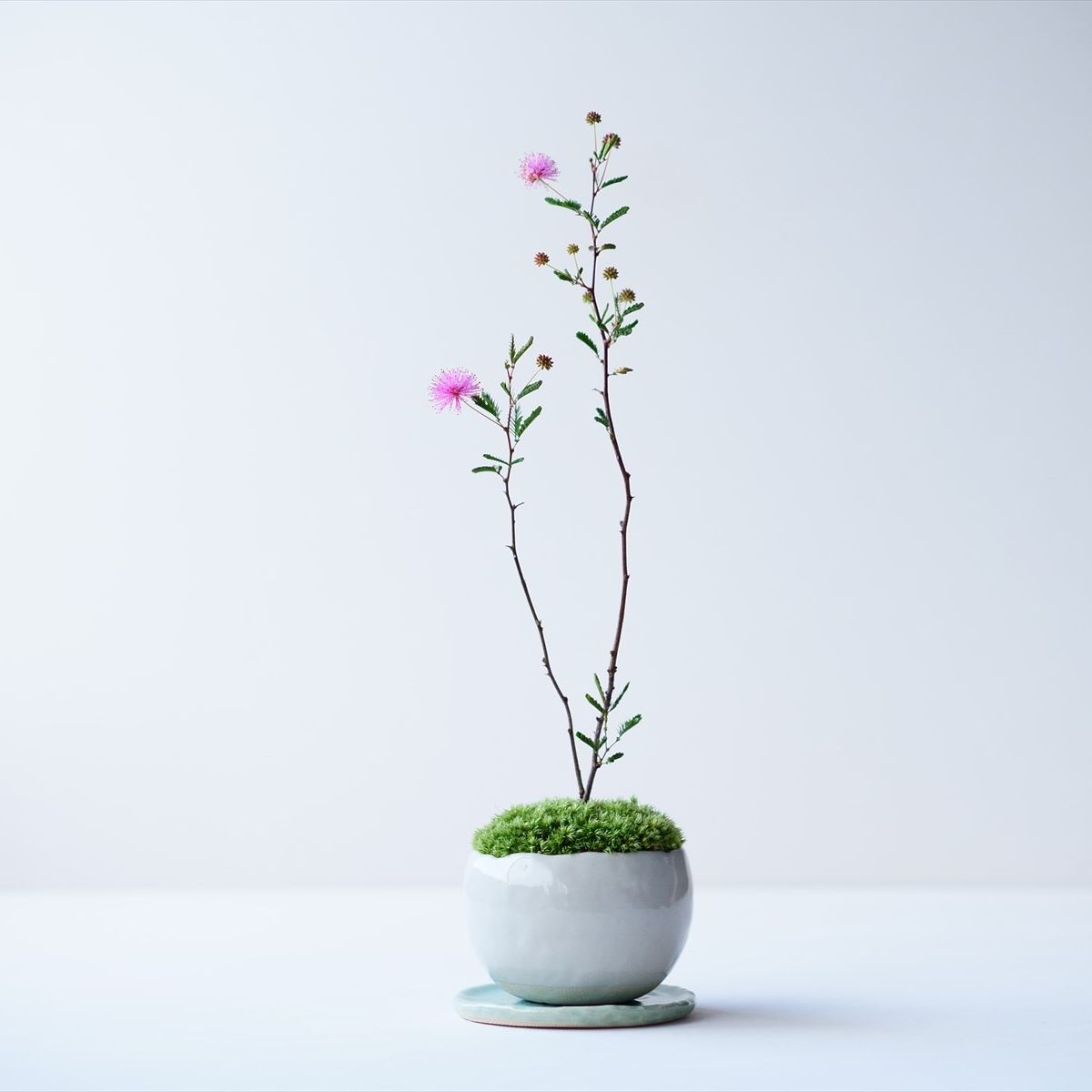 姫ネムノキ
-
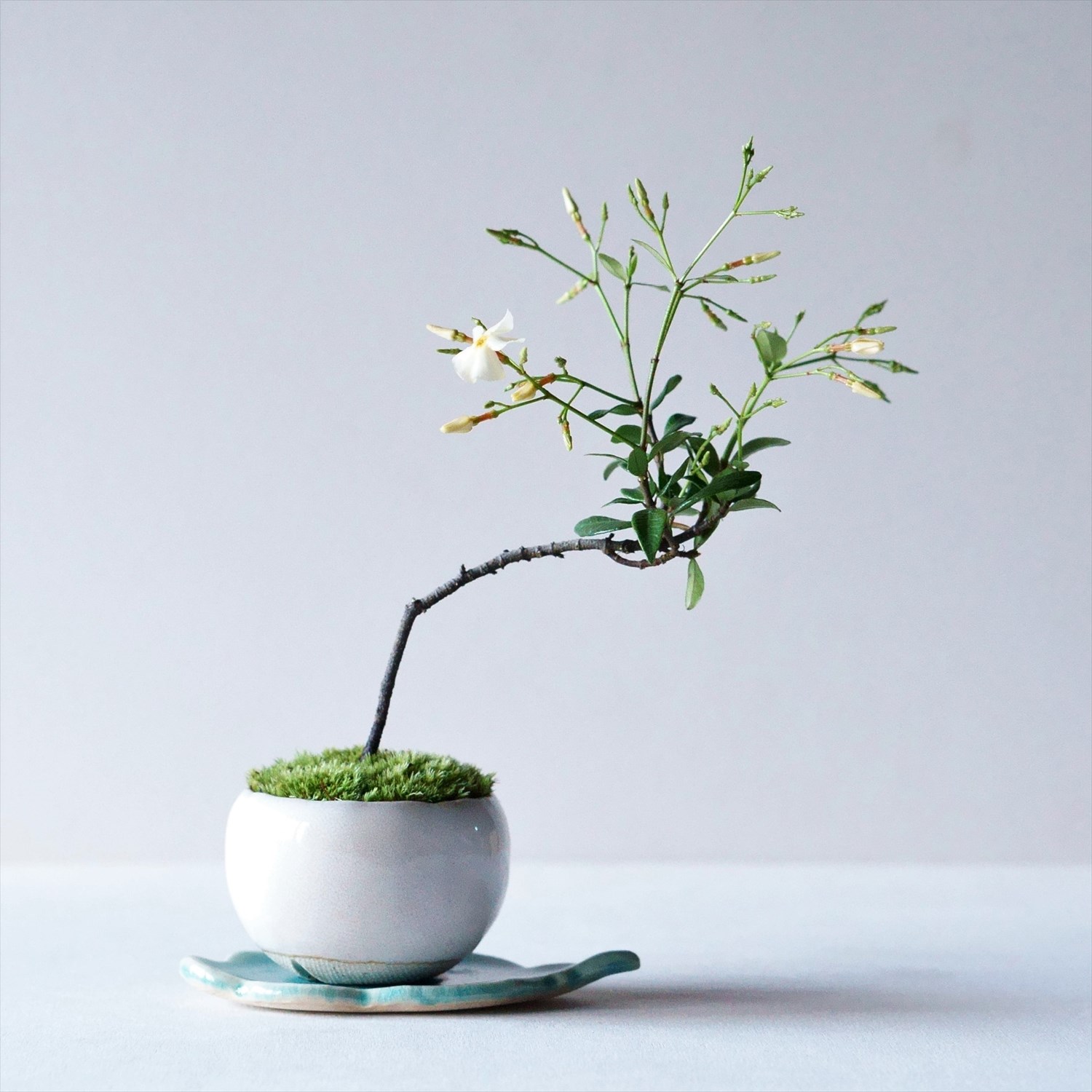 テイカカズラ
-
 斑入りチリメンカズラ
-
 ヤマツツジ
-
 日向ミズキ
-
 コプロスマ
-
 ヒメソナレ
-
 ツルウメモドキ
-
 姫エンジュ
-
 ヤマアジサイ
-
 イチョウ
-
 ヤマモミジ
-
 アカメシデ
-
 アセビ
-
 屋久島アセビ
-
 深山キリシマツツジ
-
 斑入りギンバイカ
-
 クロマツ
-
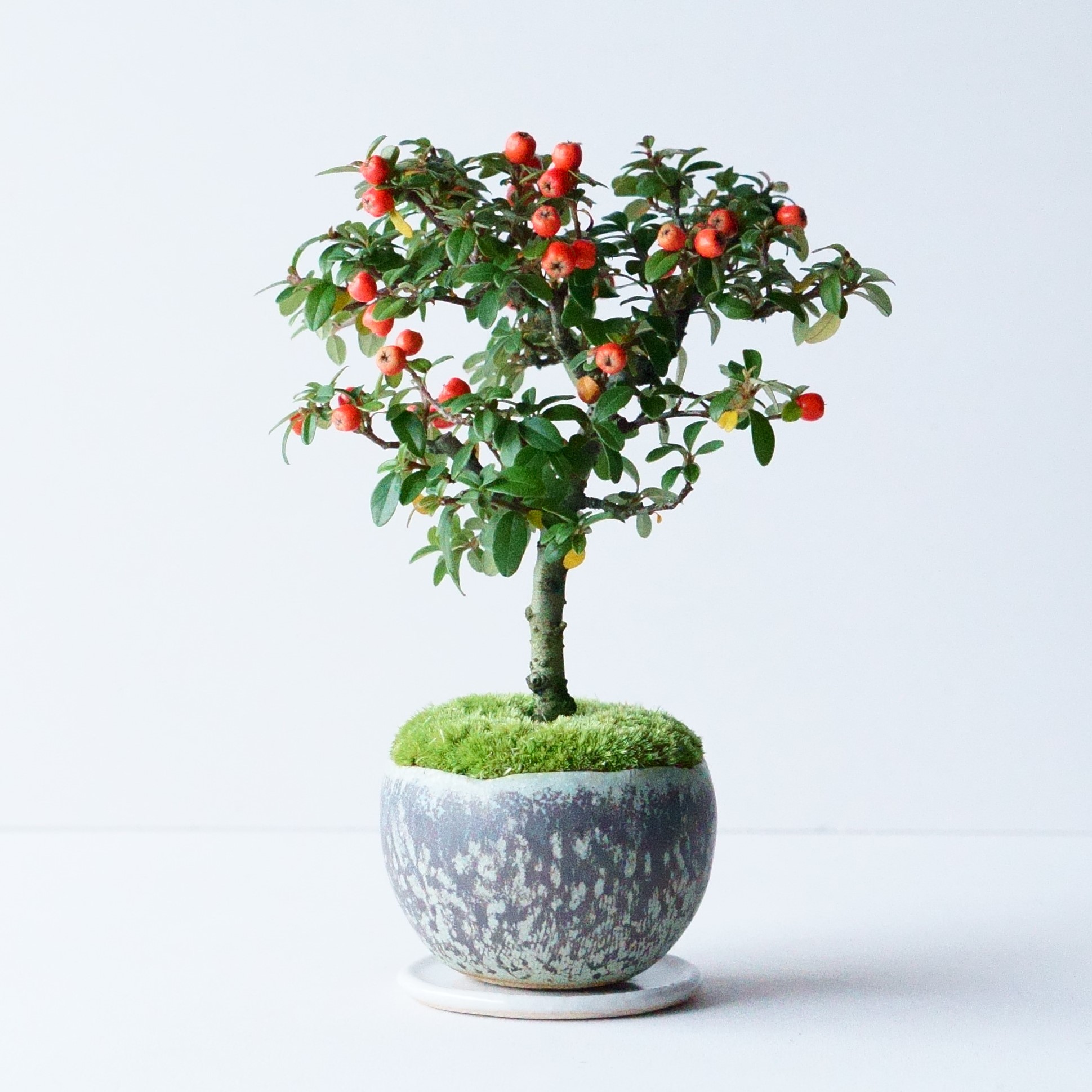 カマツカコケモモ
-
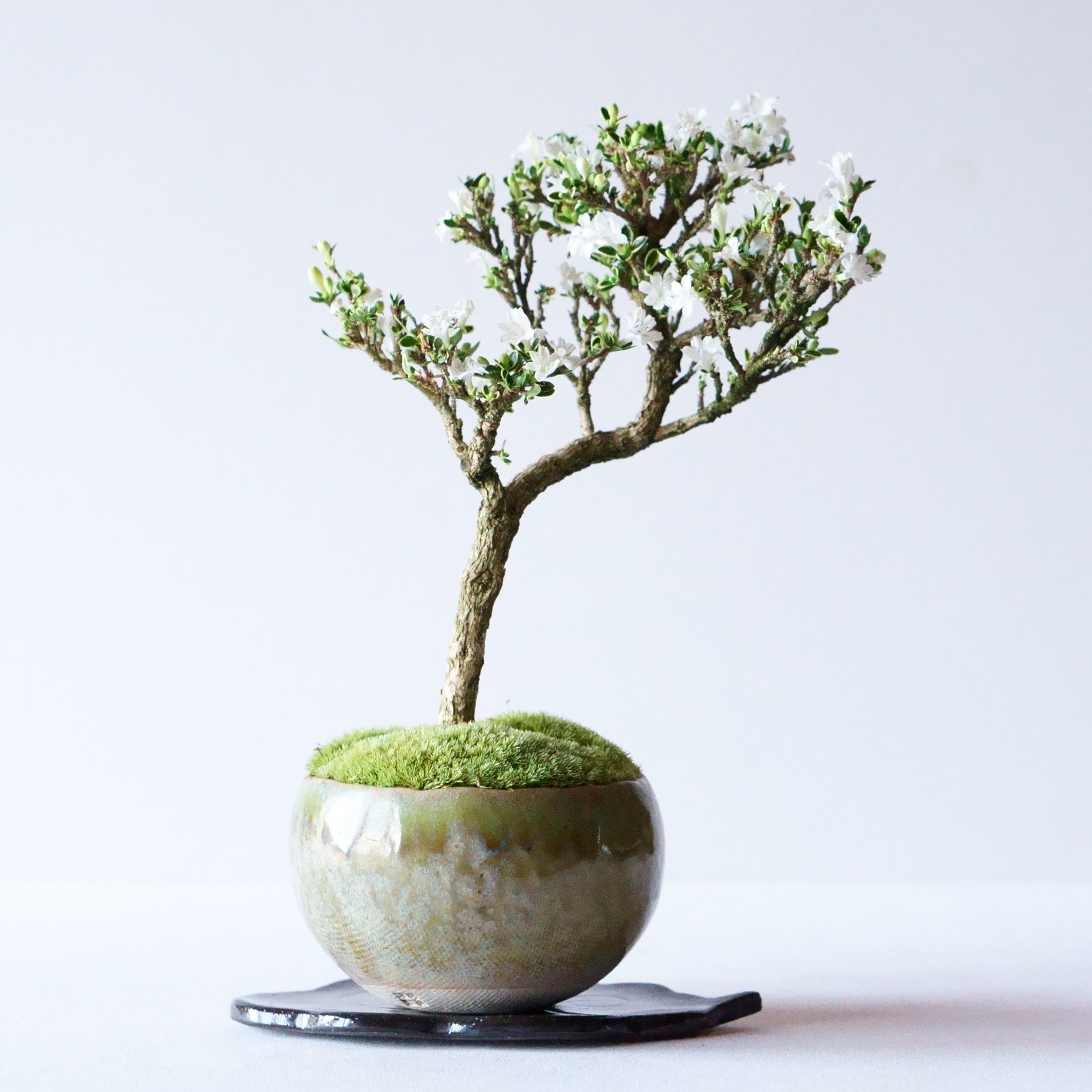 白鳥花
-
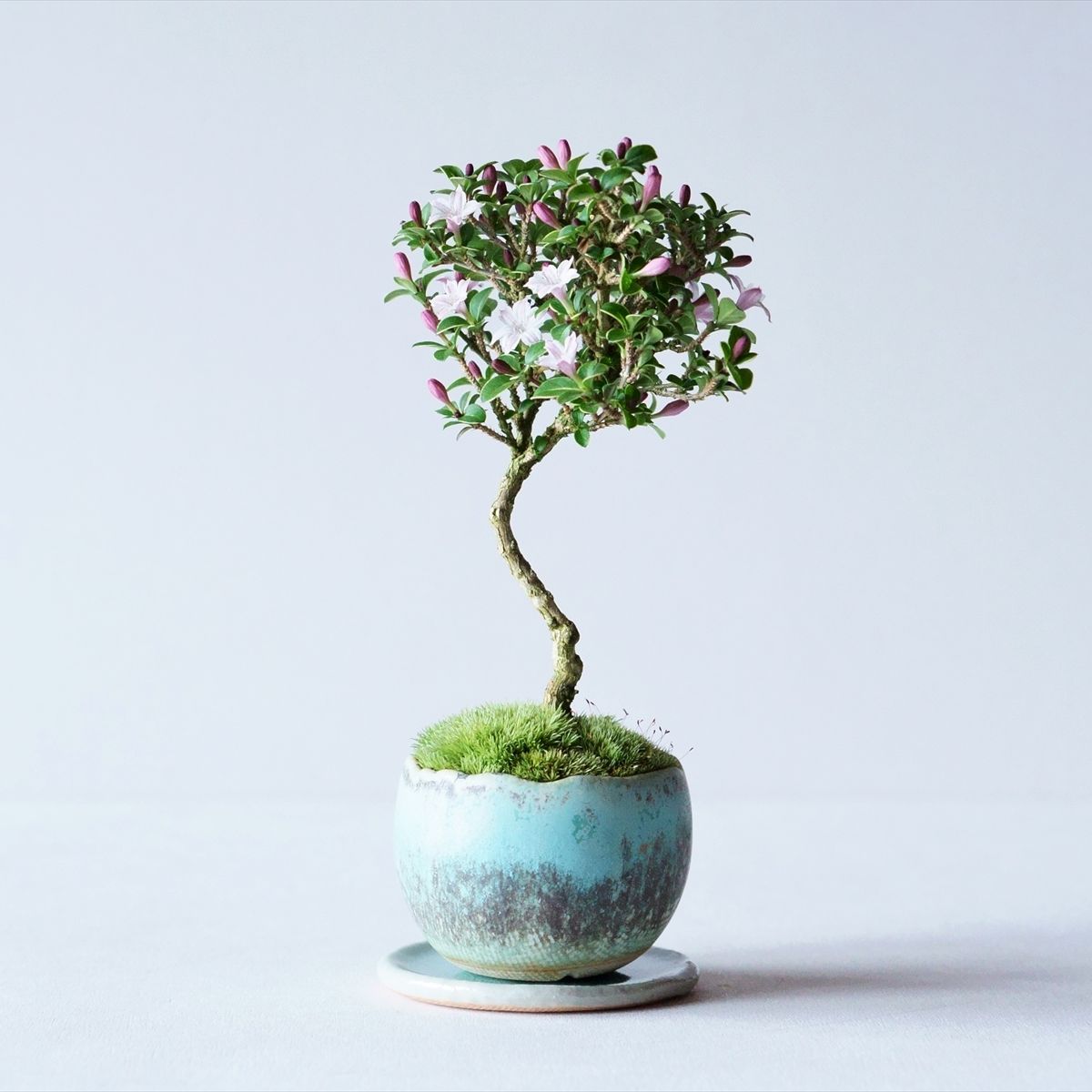 香丁木
-
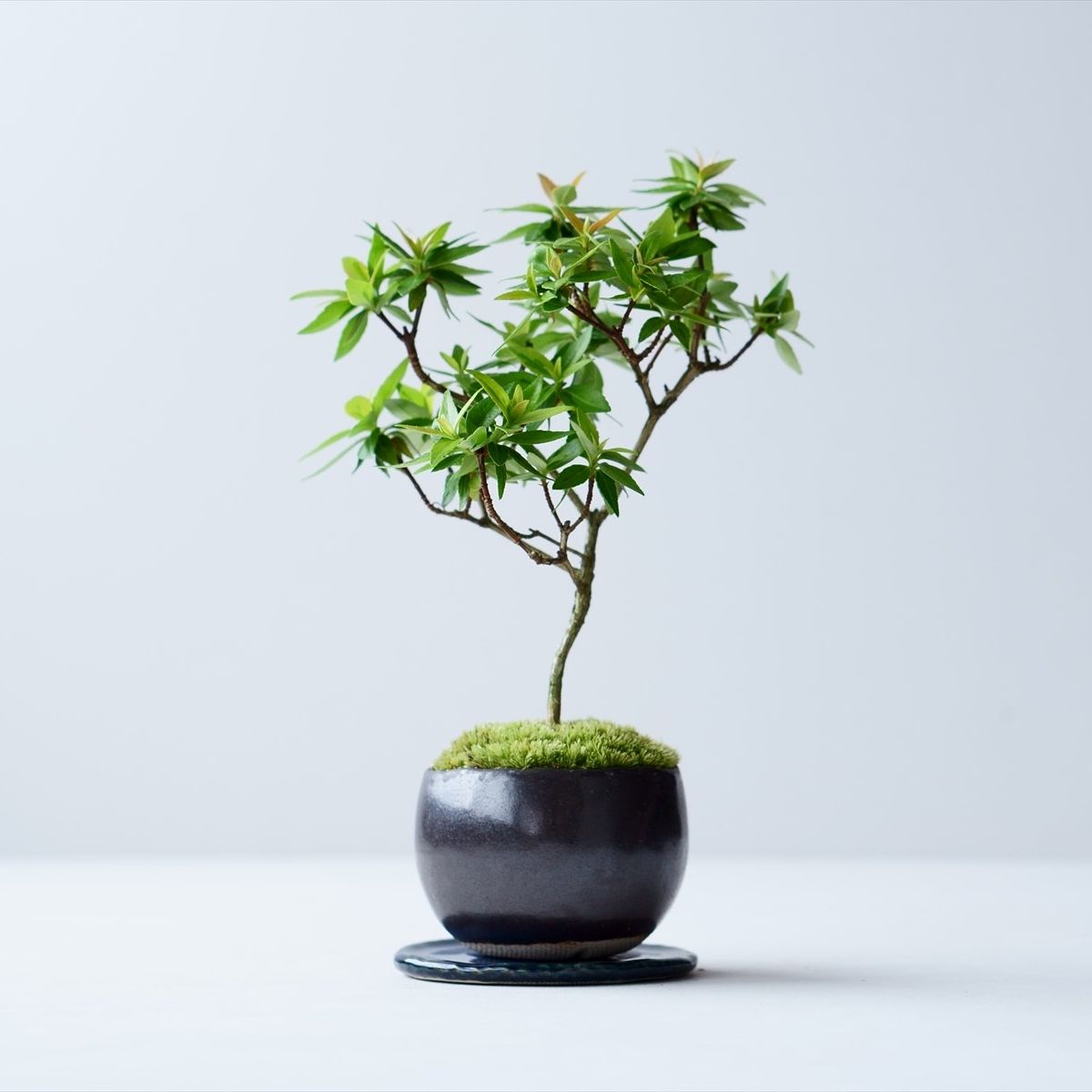 アベリア
-
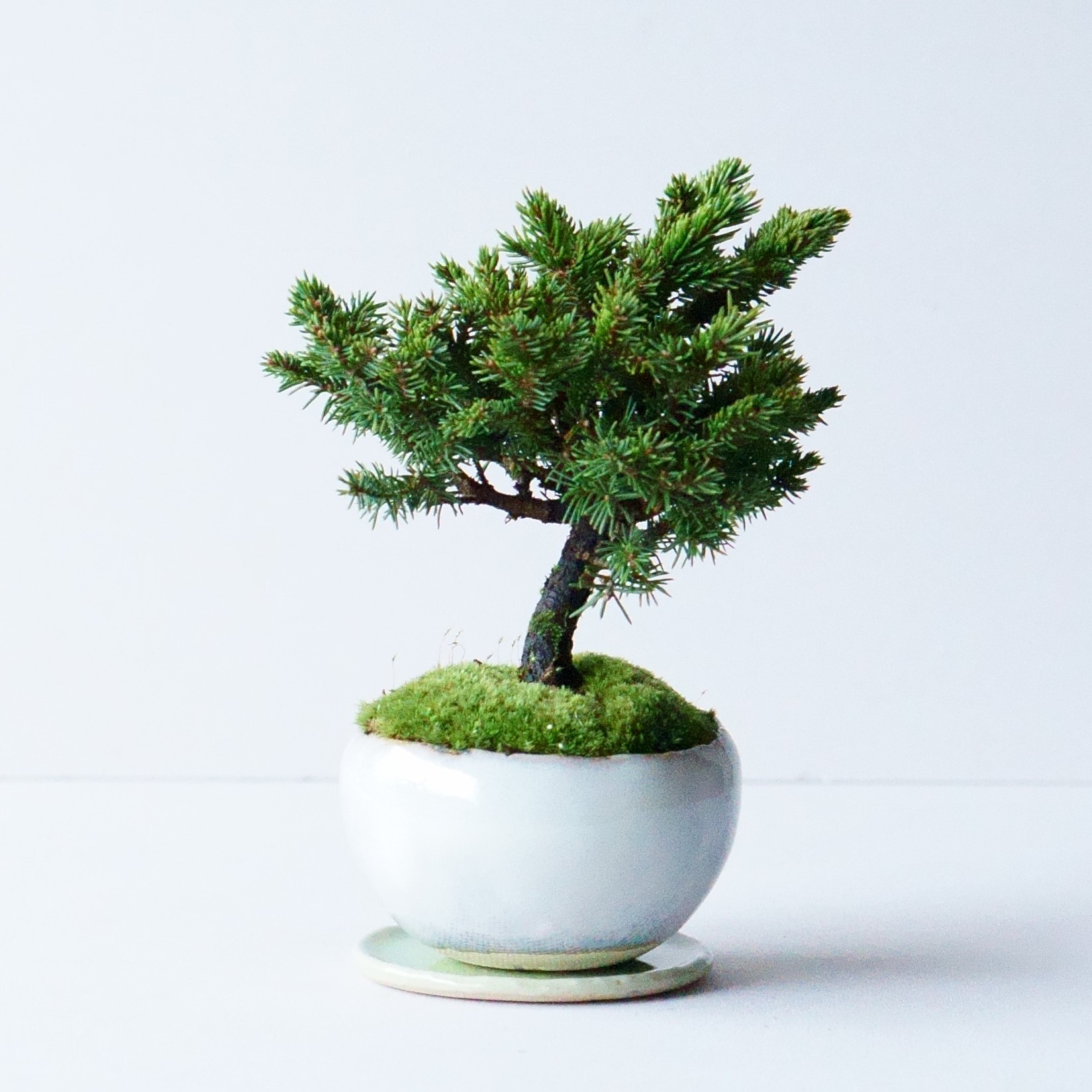 八房エゾマツ
-
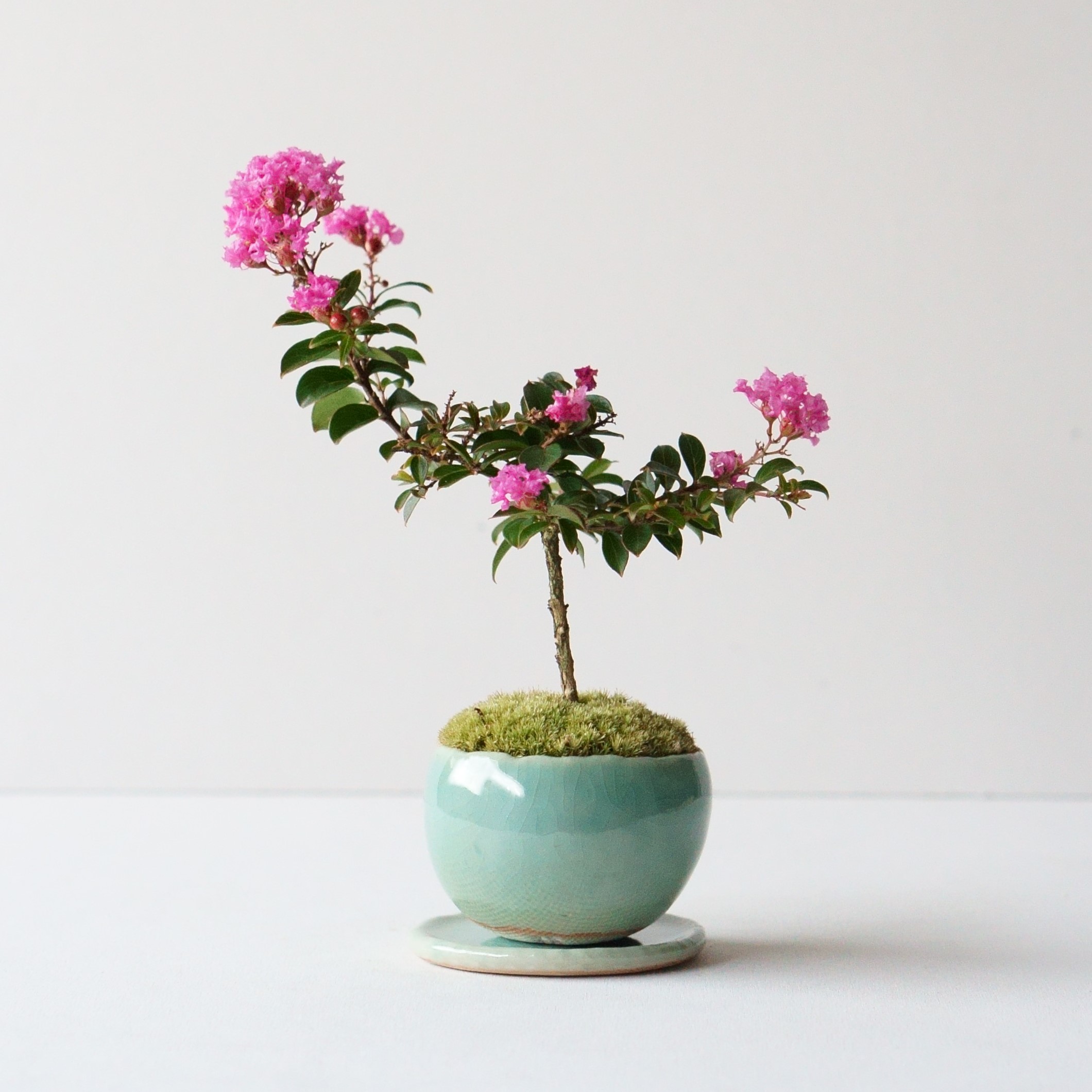 姫サルスベリ
-
 モミジバフウ
-
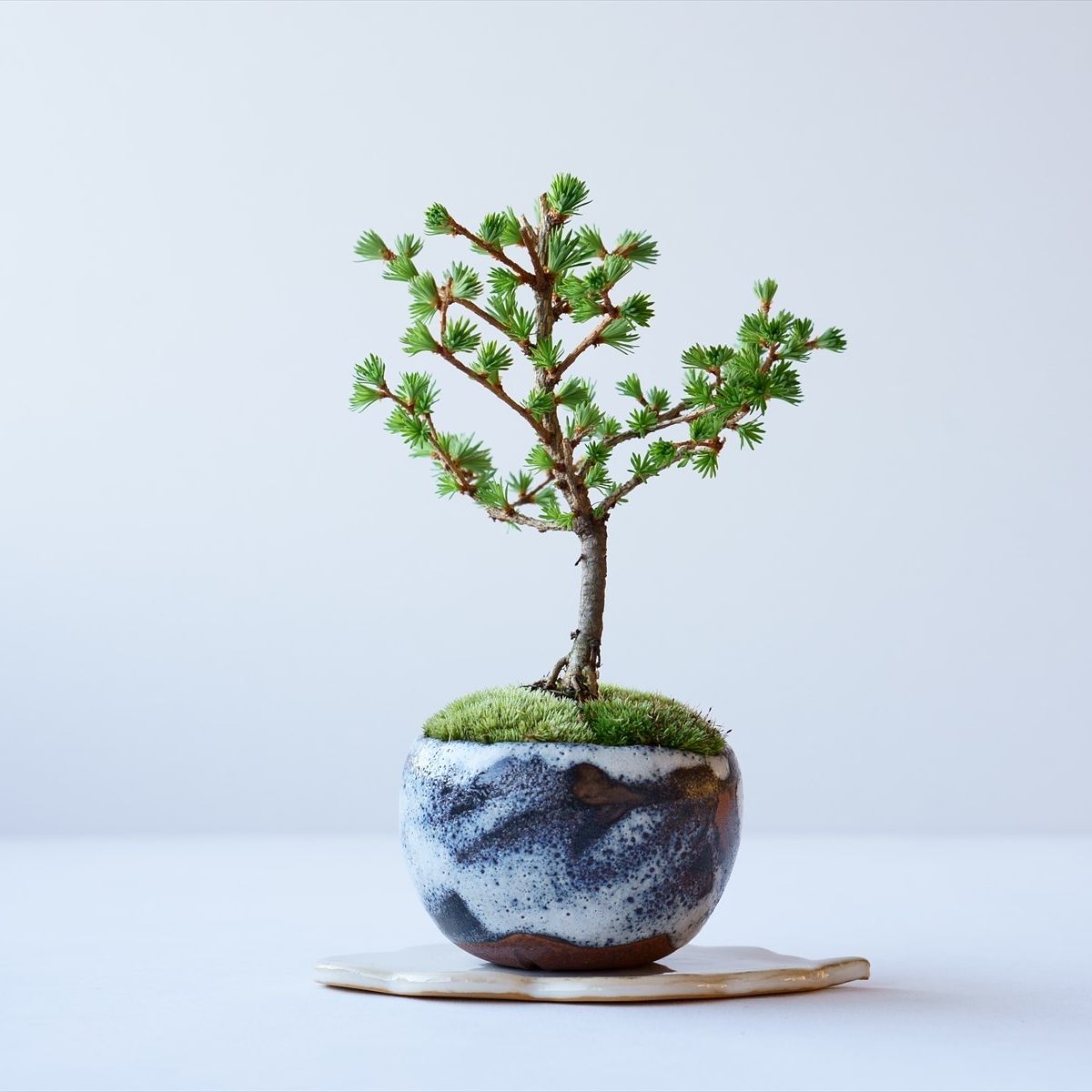 カラマツ
-
 ナナカマド
-
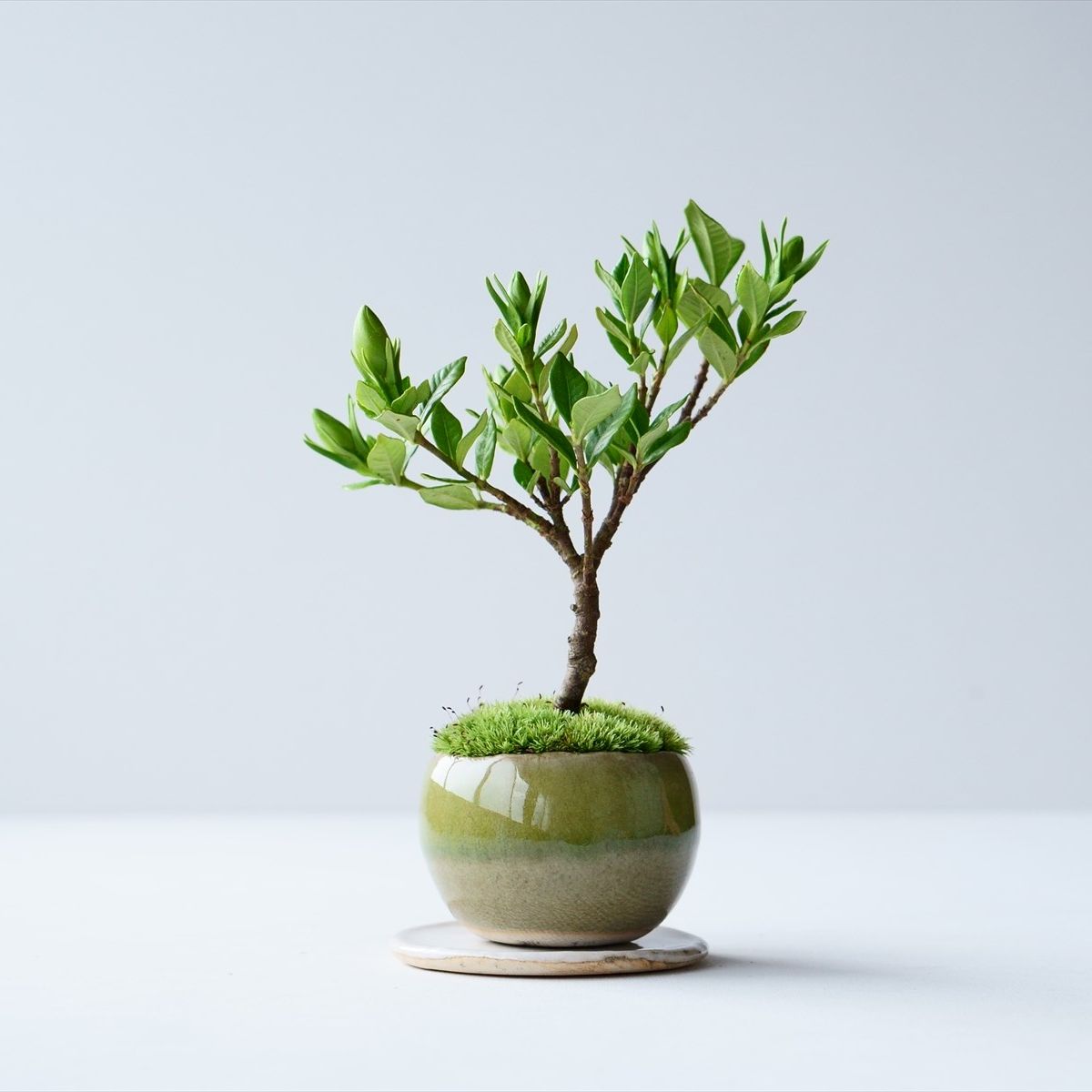 クチナシ
-
 姫クチナシ
-
 ニレケヤキ
-
 イタヤカエデ
-
 トウカエデ
-
 姫ヒイラギ
-
 ノバラ
-
 シラカシ
-
 モミ
-
 リョウブ
-
 ヒメサカキ
-
 トドマツ
-
 チャノキ
-
 バレリーツリー
-
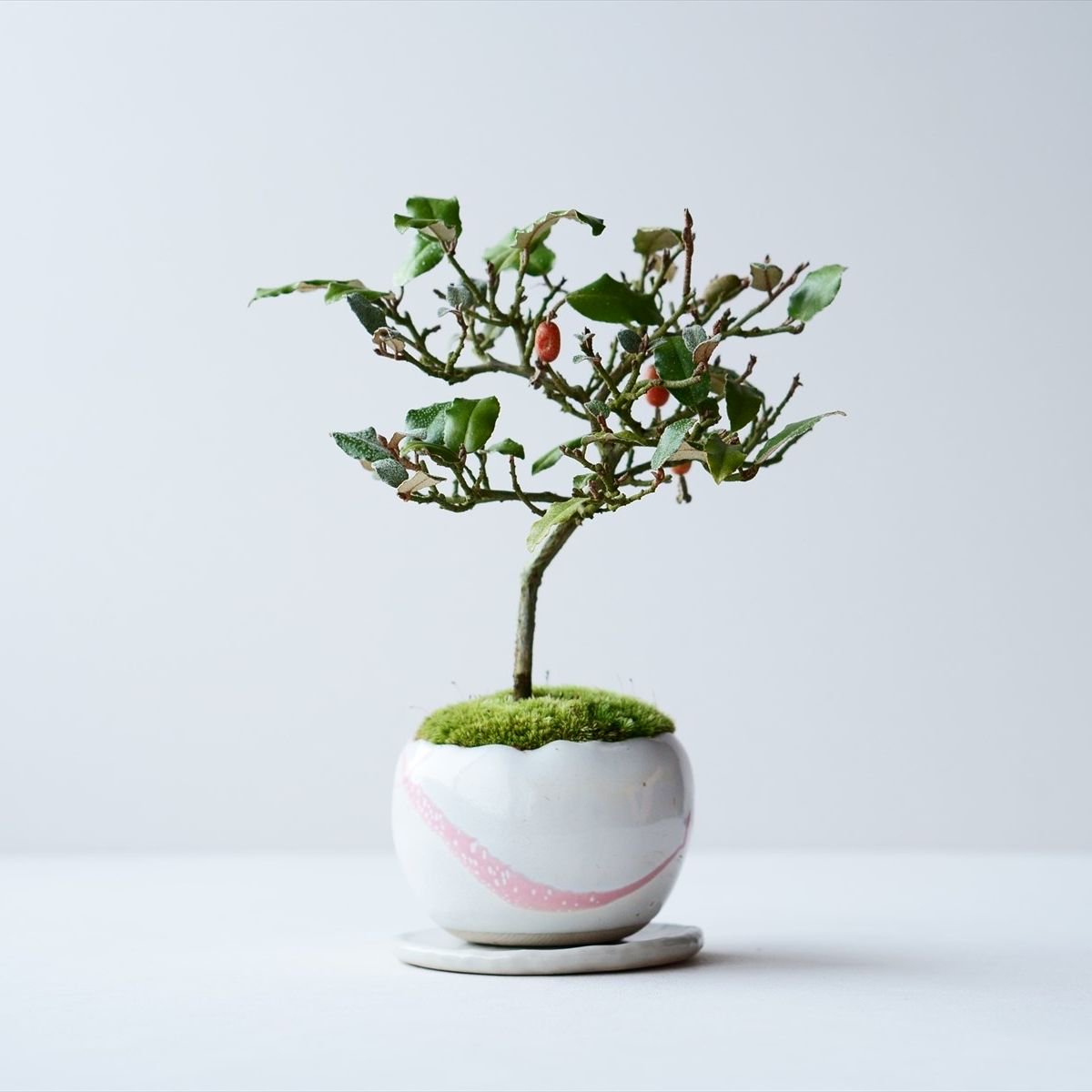 寒グミ
-
 モチノキ
-
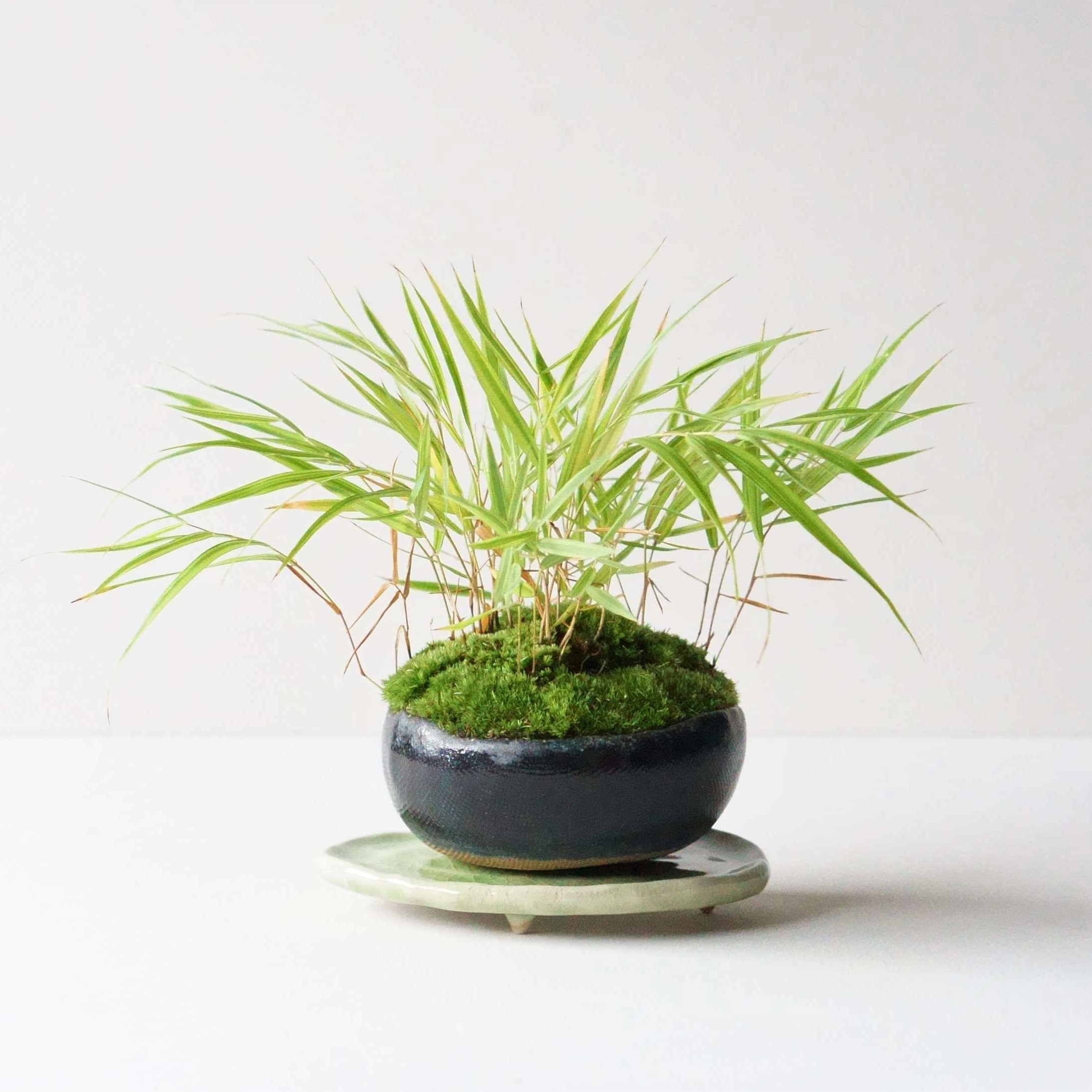 風知草
-
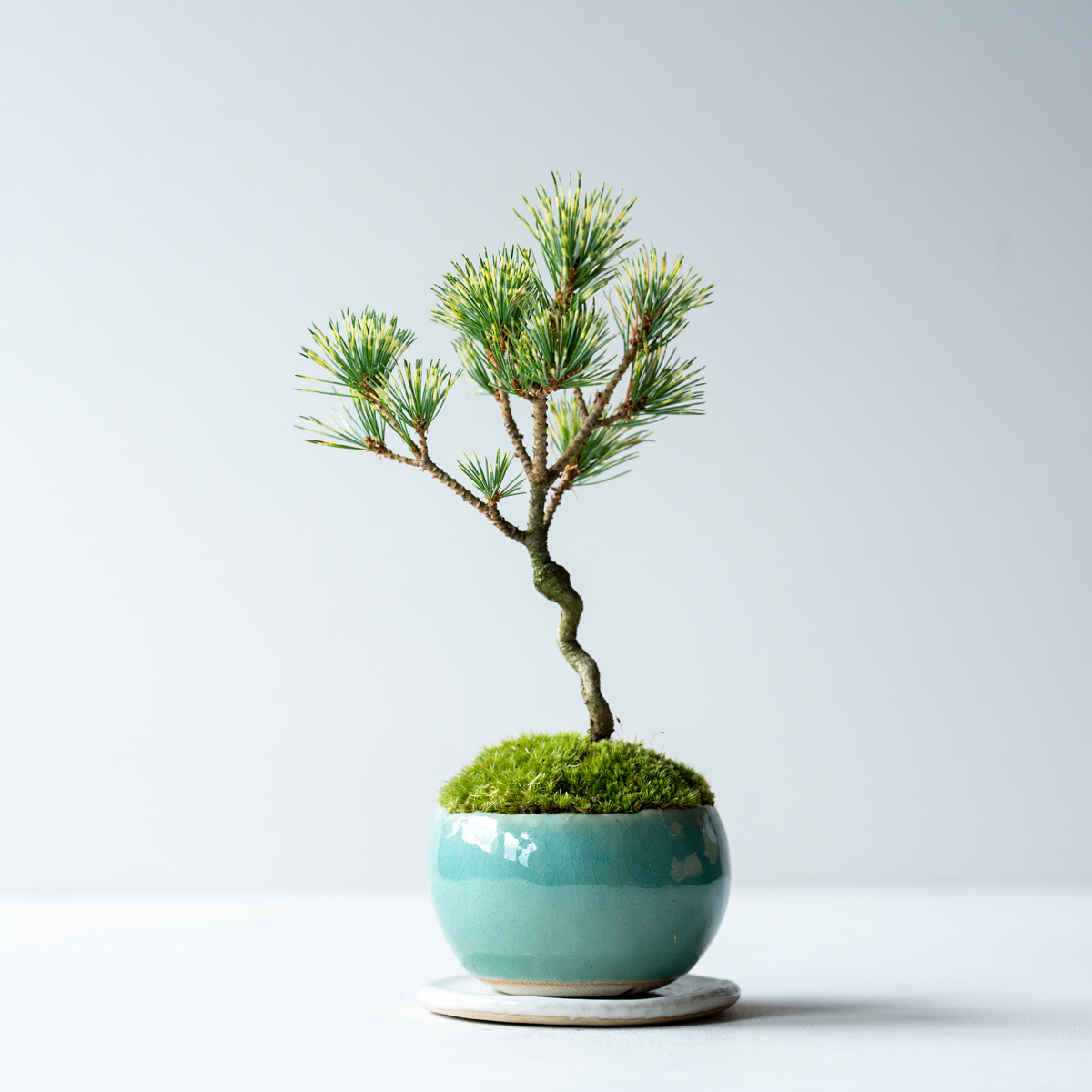 ジャノメマツ
-
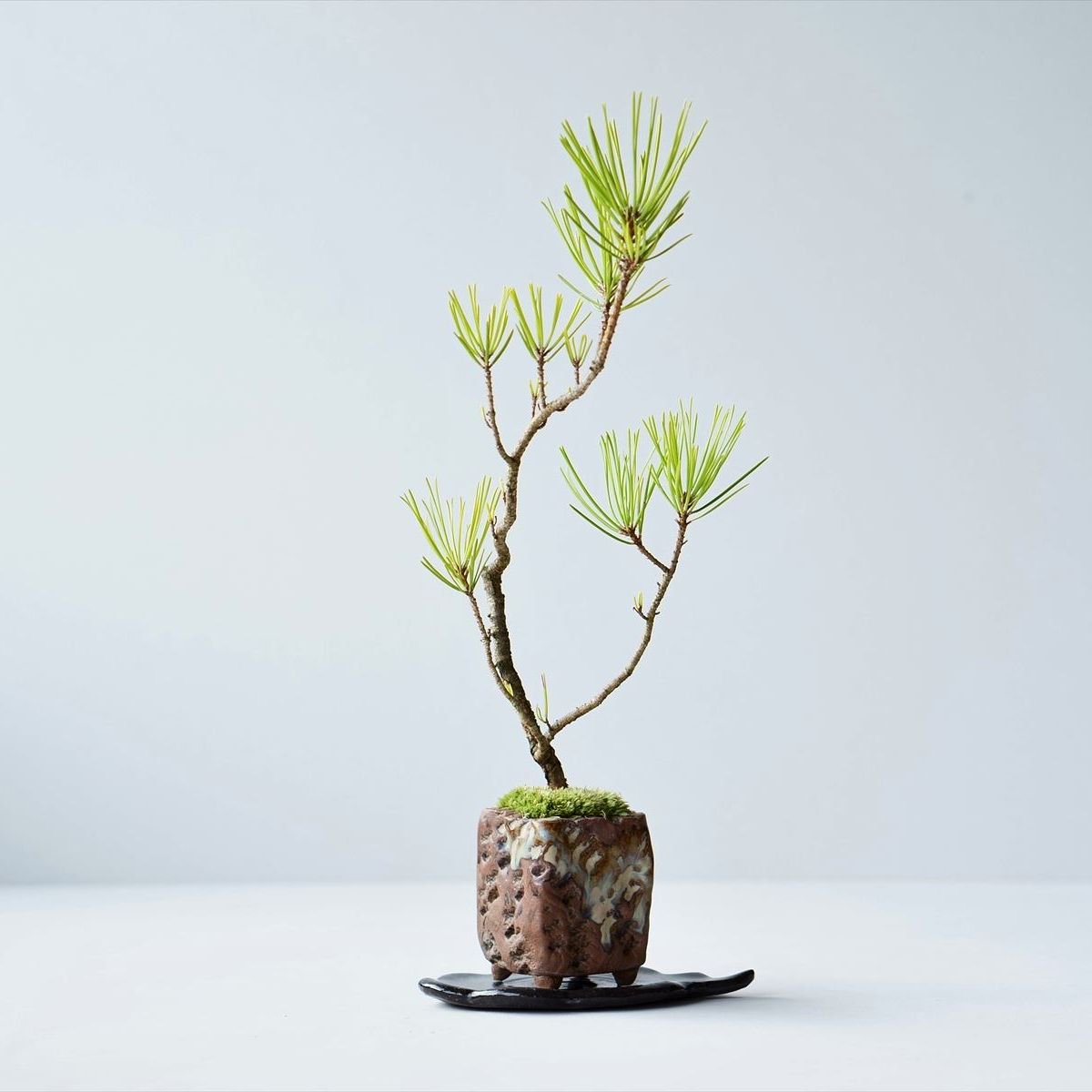 アカマツ
-
 ツクモヒバ
-
 トネリコ(アオダモ)
-
 ブナ
-
 シロヤシオ
-
 クマヤナギ
-
 キブシ
-
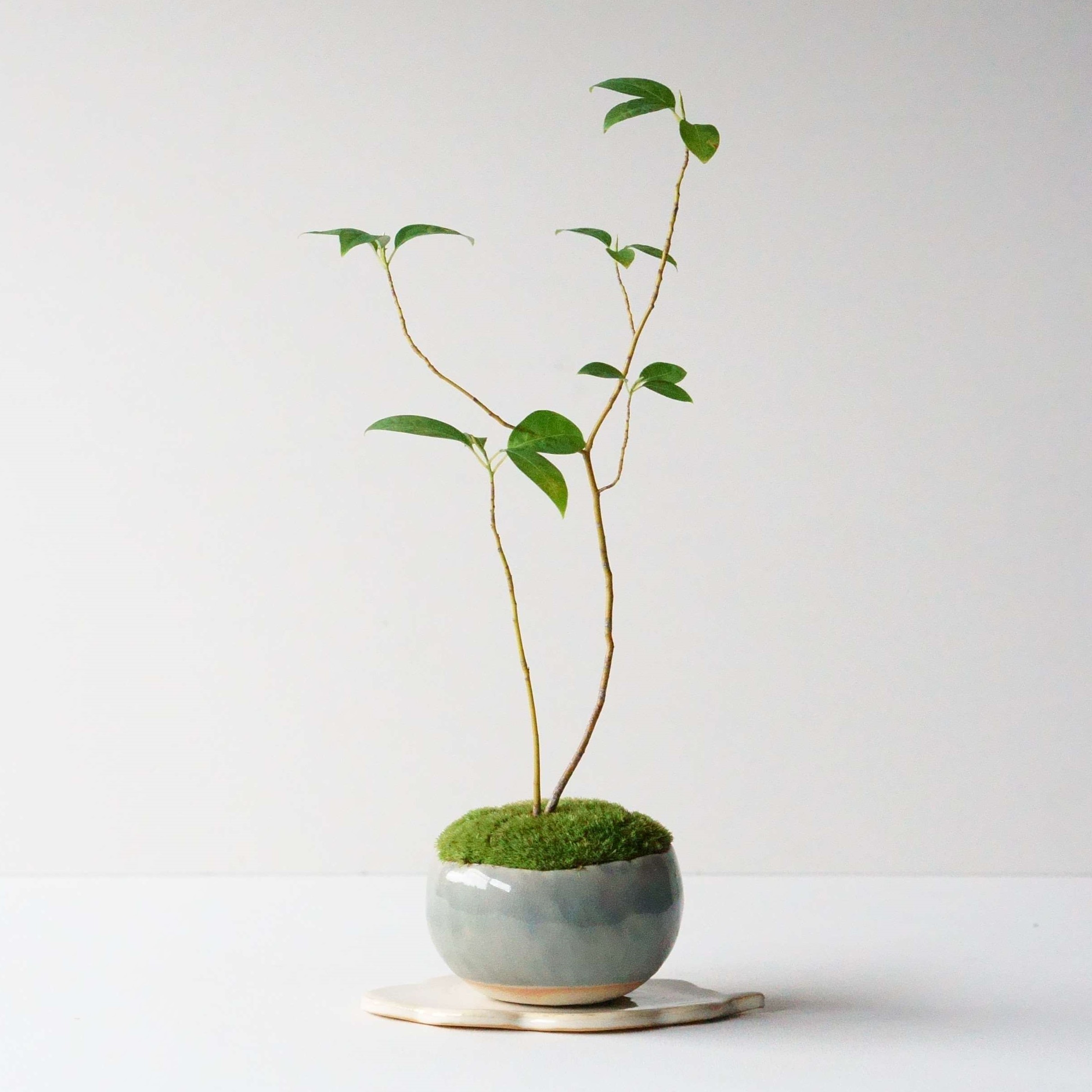 クロモジ
-
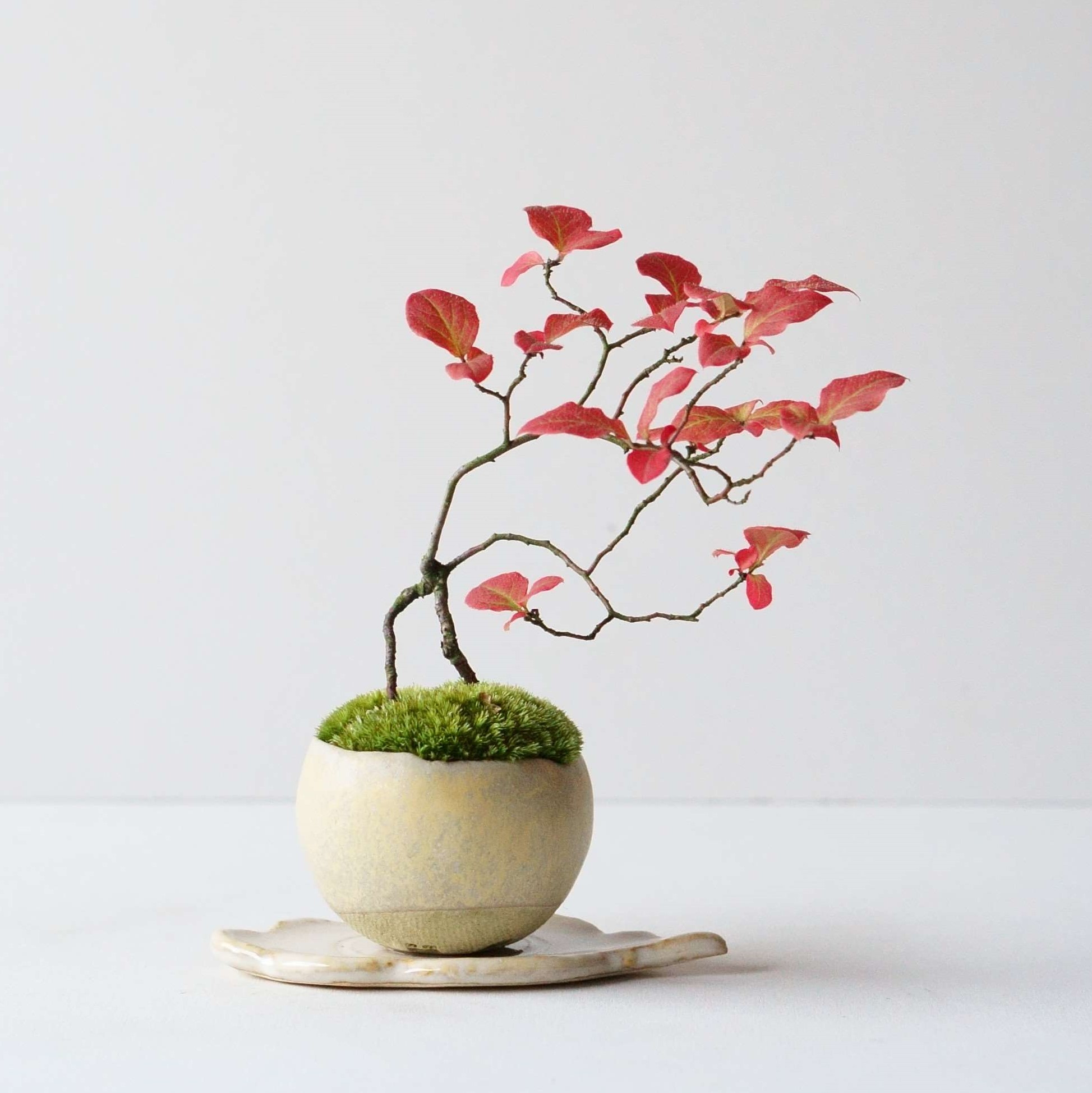 夏ハゼ
-
 マルバカエデ
-
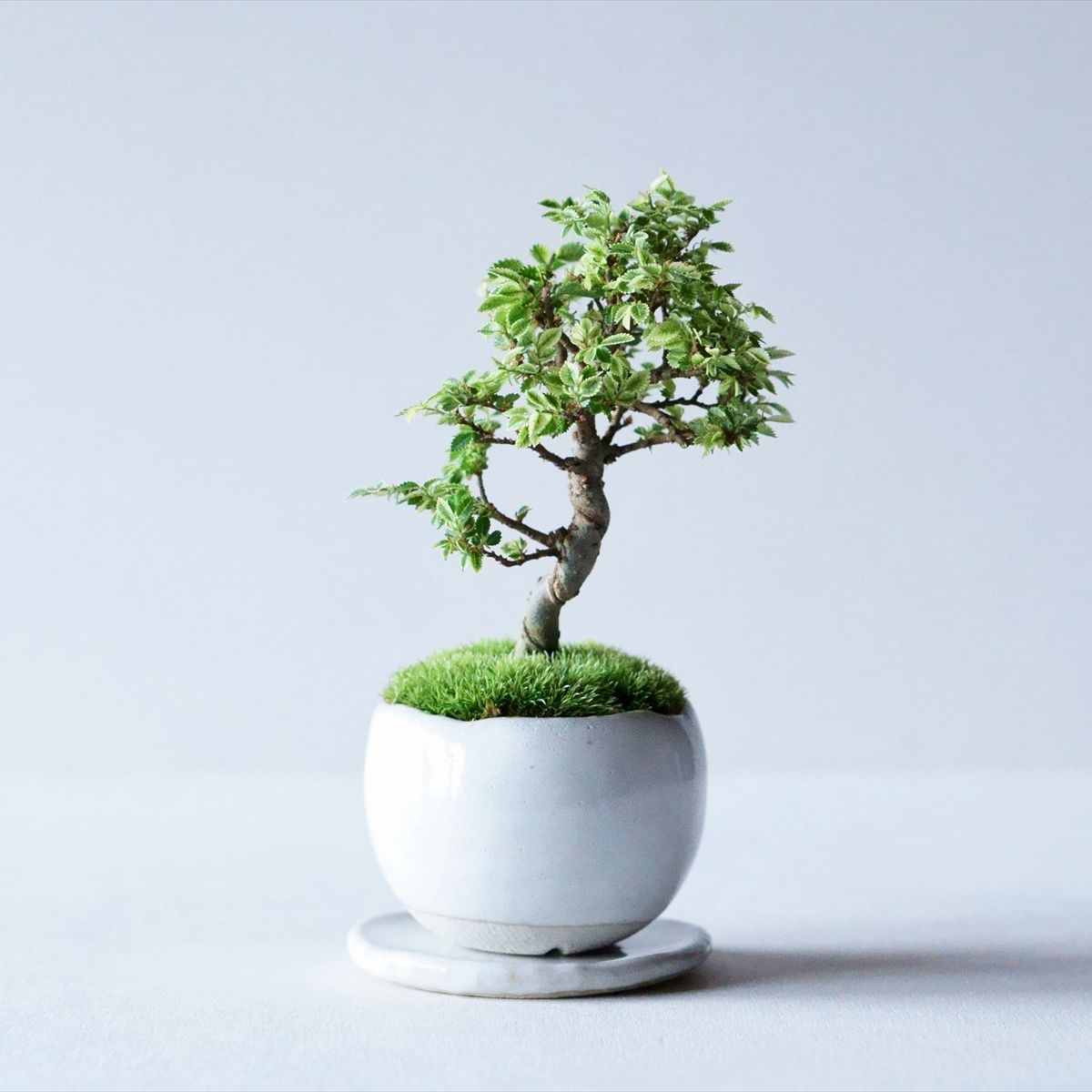 金芽ケヤキ
-
 ヤマドウタン
-
 エゴノキ
-
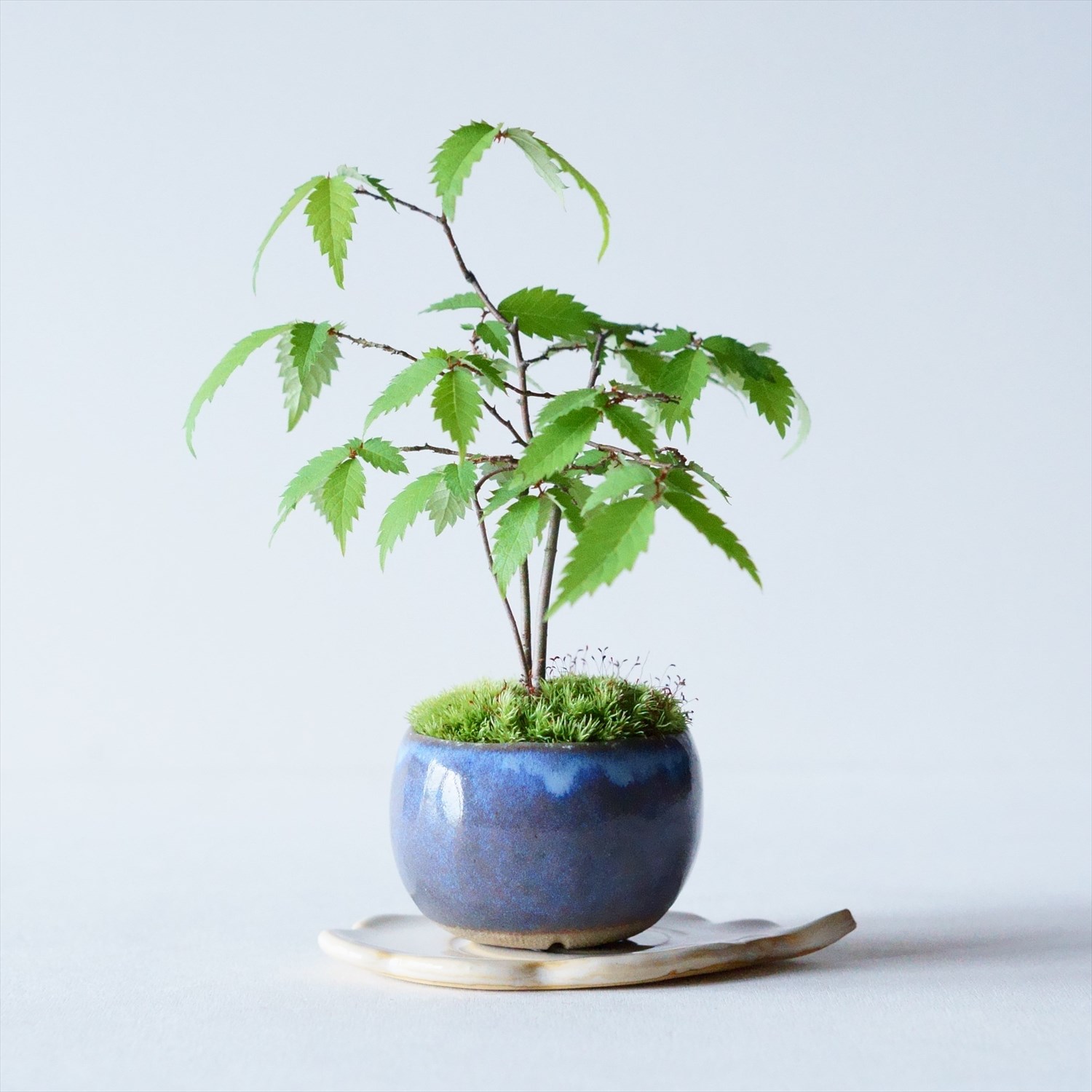 ケヤキ
-
 ガマズミ
-
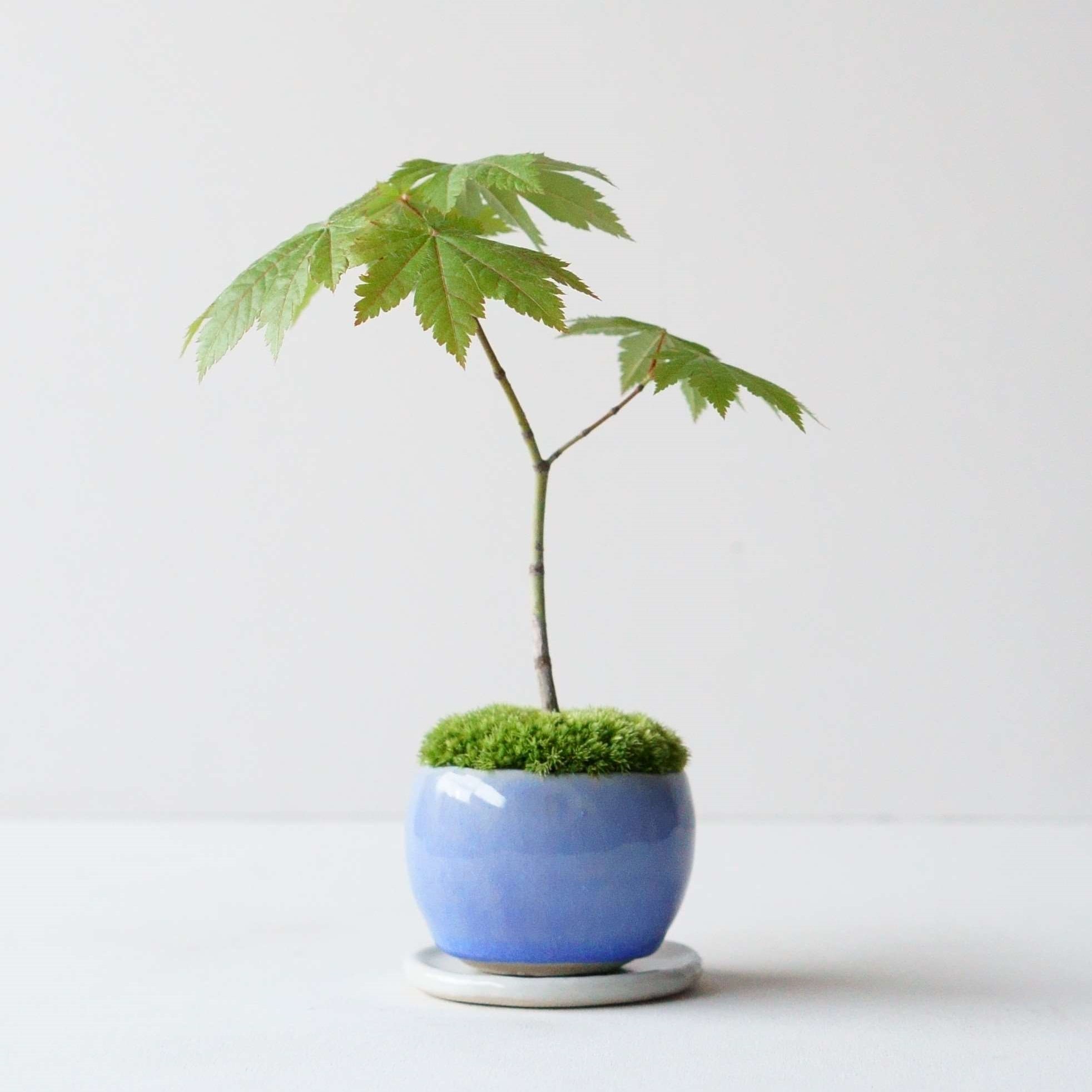 ウチワカエデ
-
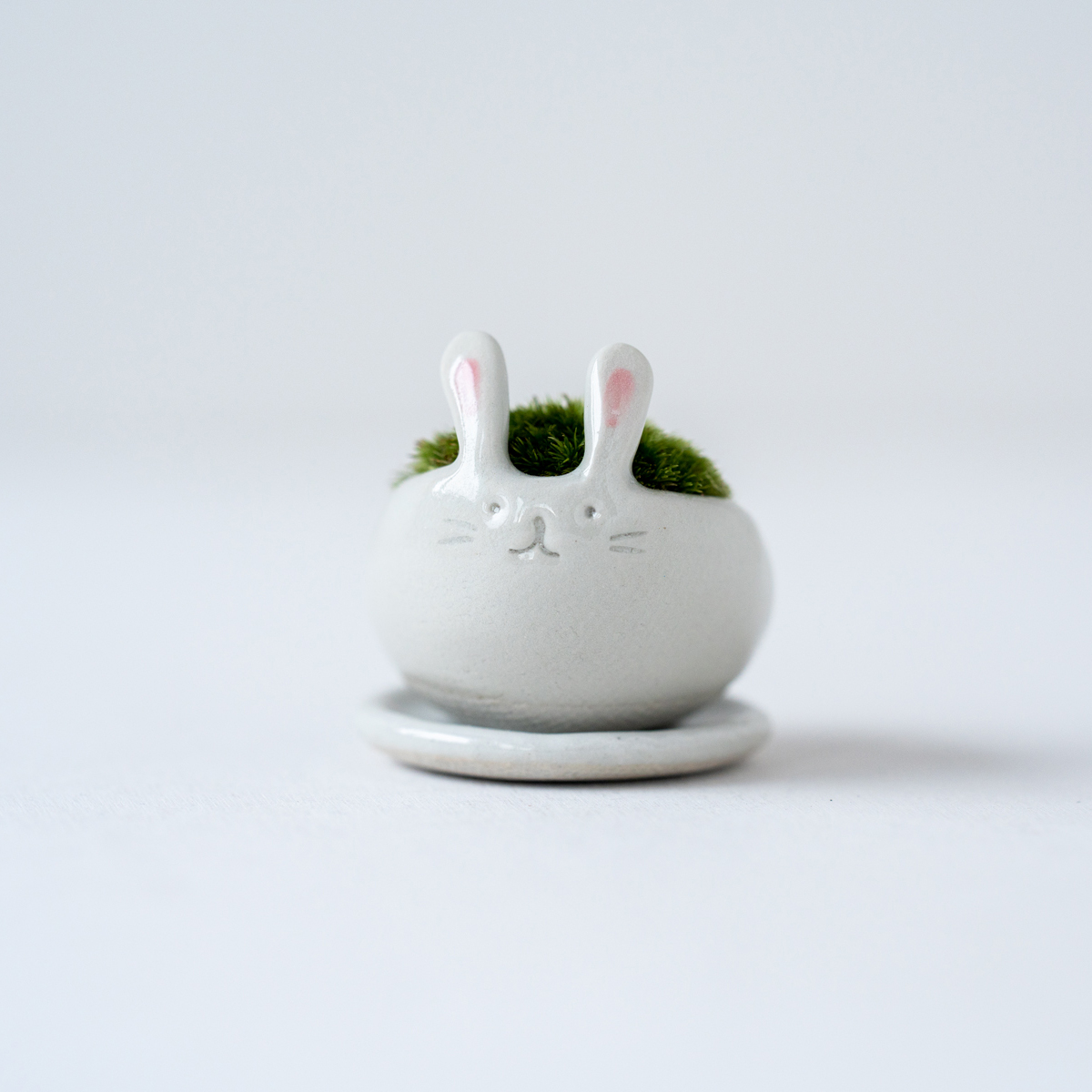 まるうさぎ


細やかな枝ぶりと可憐な実姿は、古くから庭木や盆栽として親しまれてきました。季節の移ろいを感じさせる風情ある佇まいは、侘び寂びの趣を持つ実もの盆栽として、多くの人に愛されています。