
ヒイラギ香り姫 Osmanthus heterophyllus (G.Don) P.S.Green


柊の
浪化(江戸前期)
花のこぼれや
四十雀
ヒイラギ香り姫 Osmanthus heterophyllus (G.Don) P.S.Green
ヒイラギ香り姫の育て方
置き場所
基本的には半日陰で風通しのよい場所で育てます。
屋外の場合
柔らかな風や、優しい雨は植物を十分にリフレッシュさせてくれます。夏は日差しが強く乾きの原因となるので注意が必要です。
「春・秋」
優しい日当り・半日陰の環境で育てましょう。強い日差しでなければ直射日光のもとでも元気に育ちます。
「夏場」
夏の直射日光は水枯れや葉焼けの原因となりますので半日陰や明るい日陰で育成しましょう。
「冬場」
寒さには比較的強く、0℃くらいまでは問題なく越冬できます。しかし関東以北では寒風や霜からは保護するためにムロや半屋内(用土が凍結しない程度に寒い場所)などで管理することをオススメします。
屋内の場合
屋内で管理する場合、風通しの確保が重要になります。エアコンの風 が直接当たる場所は避けましょう。偏った乾燥状態になり、植物は傷んでしまいます。また、できるだけ外の空気に当てたり、雨に当てたりしてあげると植物はリフレッシュでき元気に育ちます。
「春・秋」
日当たりのいい窓辺などで育成します。特に春は新芽が伸びるので重要な時期です。あまりに日当たりが悪いと徐々に傷んできてしまいます。できるだけ屋外管理の時間を設けましょう。
「夏場」
夏場は乾きやすくなるので、水切れにも注意が必要です。窓辺で育成する場合は、締め切った部屋では蒸れてしまうことがありますので、そうならないように注意します。
「冬場」
出来るだけ寒い環境で「冬を体験」させてあげましょう。ずっと暖房のついた屋内で育成すると四季を失い、木のバイオリズムが乱れてしまいます。また、しっかり寒い環境で育成すると翌春の新芽も美しく芽吹きます。
水やり
特に春~夏は乾きやすいのでたっぷりあげましょう。水やりの目安は、春秋は1日1回、夏は1日1回、冬は2〜3日に1回ですが、乾いていないようでしたら無理にあげなくて大丈夫です。また、暑い時期の葉水は、葉の乾燥防止や健康維持に効果的です。朝や夕方に霧吹き等で与えるといいでしょう。
なお、どうしても乾燥しやすい時期は腰水も有効な方法です。
肥料
3~4月・9~11月に週に1回の頻度で液肥を与えます。 ※バイオゴールドヴィコント564を基準にしています。その他の肥料を与える場合は説明書などを参考にしてください。
※置き肥の場合は3月、10月に1回、固形肥料を与えます。
病害虫
病害虫にとても強い樹木ですが、まれにカイガラムシが付くことがあります。見つけ次第駆除しましょう。
→病害虫について
木々の小話
冬を告げる香り、幸せを願う木
木へんに冬と書いて「柊(ヒイラギ)」。その名のとおり、秋の終わりから冬の初めにかけて、小さな白い花を咲かせます。
ヒイラギは金木犀と同じモクセイ科の植物。花は控えめでありながら、甘く清らかな香りを漂わせ、静かに冬の訪れを知らせてくれます。
日本では古くから、ヒイラギには邪気を払い、災いから家を守る力があると信じられてきました。
その歴史は古く、奈良時代に編纂された『古事記』には「比々羅木(ひひらぎ)」の名が登場します。また、平安時代の紀貫之による『土佐日記』には、正月に都の家々で飾られるヒイラギを懐かしく思う場面が描かれています。
やがて、節分にヒイラギの枝と鰯の頭を門口に飾る「柊鰯(ひいらぎいわし)」の風習も広まりました。これは災いを遠ざけ、家族の無病息災を願う、日本の古き良き暮らしの知恵です。
厄を払うとされる凛とした葉姿と、冬に咲く小さな花の優しい香り。
ヒイラギは、古くから人々の暮らしに寄り添い、家族の幸せを見守ってきた樹木なのです。
柊の花と、冬の小さな訪問者
江戸時代前期、松尾芭蕉にも師事した俳人・浪化(ろうか)は、ヒイラギの花をこんな一句に詠んでいます。(図鑑冒頭の句)
柊の花のこぼれや四十雀
秋が深まり、冬の訪れを感じる頃。ヒイラギの小さな白い花がこぼれるように咲き、その枝先には一羽の四十雀(シジュウカラ)が訪れています。
「花のこぼれ」という繊細な言葉からは、小さな花が散る様子と、枝を飛び交う小鳥の軽やかな動きが目に浮かぶようです。
ヒイラギの花は「柊の花」として冬の季語にもなっています。深緑の葉に寄り添うように咲く白い花は、決して華やかではありませんが、甘く優しい香りを漂わせ、静かに季節の訪れを知らせてくれます。
小さな花の美しさに目を留め、鳥のさえずりに耳を澄ませる。
そんな何気ない自然の情景に心を寄せる感性は、古くから日本人が大切にしてきた美意識のひとつなのかもしれません。
ヒイラギ香り姫の詳しいお手入れ
ヒイラギ(柊)に適した用土
比較的用土を選びませんが、肥沃な土を好みますので、一般には赤玉に腐葉土やたい肥を混ぜたものを使用します。
【石木花の土】が適します。
植え替え
約2~3年に1回を目安に植え替えます。適期は春ですが、植え替え後はあまり寒さに当てないように気遣いが必要です。一度鉢から抜き、古い根を半分ほど切り戻して再度植え込みます。バランスをみて一回り大きめの鉢に移す際も根はしっかり処理しましょう。特に太い根を切り、細い根を残すのがコツです。
剪定
成長期は徒長枝(極端に伸びている強い枝)が伸びてきますので、そうした枝は剪定して樹形を整えておきましょう。剪定は輪郭を整えるイメージで行います。とても丈夫な性質なので、深く考えすぎず短めに切り戻しておけばやがて新芽が出てきます。
ヒイラギ(柊)育成のポイント
〇とても丈夫なので初心者向けと言えます。
◯基本的に屋外で育成時間を設けると元気に育ちます。
◯冬は凍結しない場所で管理して寒さから保護しましょう。しかし、寒さを体験させることは非常に大切です。
◯成長期の水切れに注意します。朝に水をやっても夕方乾いてしまうようなら置き場所を工夫し、できるだけ涼しいところで管理しましょう。
◯特に屋内管理の場合は日照や風通しの条件が悪くなりやすいため、活性剤を定期的に与えることでより健やかに育成できます。
〇しっかり施肥することで、丈夫で元気な木に育ちます。
Basic Maintenance and Care
Placement
In general, grow the plant in a partially shaded, well-ventilated location.
Outdoor Care
Gentle breezes and light rain help refresh and revitalize the plant. Be cautious during summer, as strong sunlight can cause the soil to dry out quickly.
“Spring & Autumn”
Place the plant in a location with gentle sunlight or partial shade. It can also grow well in direct sunlight, provided the sunlight is not too intense.
“Summer”
Strong summer sunlight can cause dehydration and leaf scorch. Keep the plant in partial shade or bright shade.
“Winter”
Hiiragi is relatively cold-hardy and can generally tolerate temperatures down to around 0°C. However, in the Kanto region and further north, we recommend protecting it from cold winds and frost by placing it in a cold frame or a sheltered, unheated area where the soil will not freeze.
Indoor Care
When growing the plant indoors, proper ventilation is essential. Avoid placing it directly in the airflow from an air conditioner or heater, as this can cause uneven drying and damage the plant. Whenever possible, allow it to experience fresh outdoor air and natural rainfall to help maintain its health and vigor.
“Spring & Autumn”
Place the plant near a bright, sunny window. Spring is particularly important because new shoots begin to grow. Insufficient sunlight over time can weaken the plant. Whenever possible, allow it to spend some time outdoors.
“Summer”
During summer, the soil dries out more quickly, so be careful to prevent dehydration. If keeping the plant near a window, ensure adequate ventilation, as heat and humidity can build up in a closed room.
“Winter”
Allow the plant to experience a naturally cool winter environment whenever possible. Keeping it continuously in a heated room can disrupt its natural seasonal cycle and growth rhythm. Experiencing a sufficiently cool winter also encourages healthy, beautiful new growth the following spring.
Watering
The soil tends to dry out more quickly from spring through summer, so water thoroughly. As a general guideline, water once a day in spring and autumn, once a day in summer, and once every 2–3 days in winter. However, if the soil is still moist, there is no need to water.
During hot weather, misting the foliage can help prevent the leaves from drying out and maintain their health. Use a spray bottle in the morning or evening.
Bottom watering is also an effective method during periods when the soil dries out particularly quickly.
Fertilizer
Apply liquid fertilizer once a week from March to April and from September to November. ※ These recommendations are based on BioGold Vicont 564. When using other fertilizers, please follow the manufacturer’s instructions.
※ If using solid fertilizer, apply it once in March and once in October.
Pests & Diseases
Hiiragi is highly resistant to pests and diseases, although scale insects may occasionally appear. Remove them as soon as they are found.
Suitable Soil for Hiiragi (Holly Osmanthus)
Hiiragi is relatively adaptable to different soil types but prefers fertile soil. A mixture of Akadama soil, leaf mold, and compost is generally recommended.
【Sekibokka Soil】 is suitable for growing Hiiragi.
Repotting
Repot approximately once every 2–3 years. Spring is the best time for repotting, but care should be taken to avoid exposing the plant to excessive cold afterward.
Remove the plant from its pot and prune back approximately half of the old roots before replanting. When transferring it to a slightly larger pot, be sure to prune the roots appropriately while maintaining a balanced appearance. The key is to remove thicker roots while preserving fine roots.
Pruning
During the growing season, vigorous shoots may grow excessively long. Prune these shoots to maintain the desired shape of the tree.
Think of pruning as gently refining the tree’s overall silhouette. Hiiragi is a very hardy plant, so there is no need to overthink the process. Even when branches are cut back relatively short, new shoots will eventually emerge.
Key Points for Growing Hiiragi (Holly Osmanthus)
〇 Hiiragi is very hardy, making it an excellent choice for beginners.
◯ Providing regular periods of outdoor growing conditions will help keep the plant healthy and vigorous.
◯ During winter, protect the plant from freezing temperatures by keeping it in a location where the soil will not freeze. However, allowing it to experience a naturally cool winter is very important.
◯ Be careful to prevent the soil from drying out during the growing season. If the soil becomes dry by evening even after watering in the morning, consider moving the plant to a cooler, more sheltered location.
◯ Indoor growing conditions often provide insufficient sunlight and ventilation. Regular application of a plant vitality supplement can help support healthier growth.
〇 Proper fertilization encourages strong, healthy growth.
- 葉 Leaf
- 棘のある硬い葉をつけますが、年を重ねると棘はなくなっていきます。 Its firm, spiny leaves gradually lose their sharp edges as the tree matures.
- 花 Flower
- 11~12月ごろに香りのとてもいい小さな白い花を咲かせます。 From November to December, it produces small white flowers with a wonderfully sweet fragrance.
- 実 Seed
- 実はあまりつきません。 It rarely produces fruit.
- 耐寒性 Cold
-

- 水やり Water
-

- 日光 Sun
-

- 肥料 Fertilizer
-


-
 赤メギ Berberis thunbergii
-
ヒイラギ香り姫 Osmanthus heterophyllus (G.Don) P.S.Green
-
 ハゼ oxicodendron succedaneum (L.) Kuntze
-
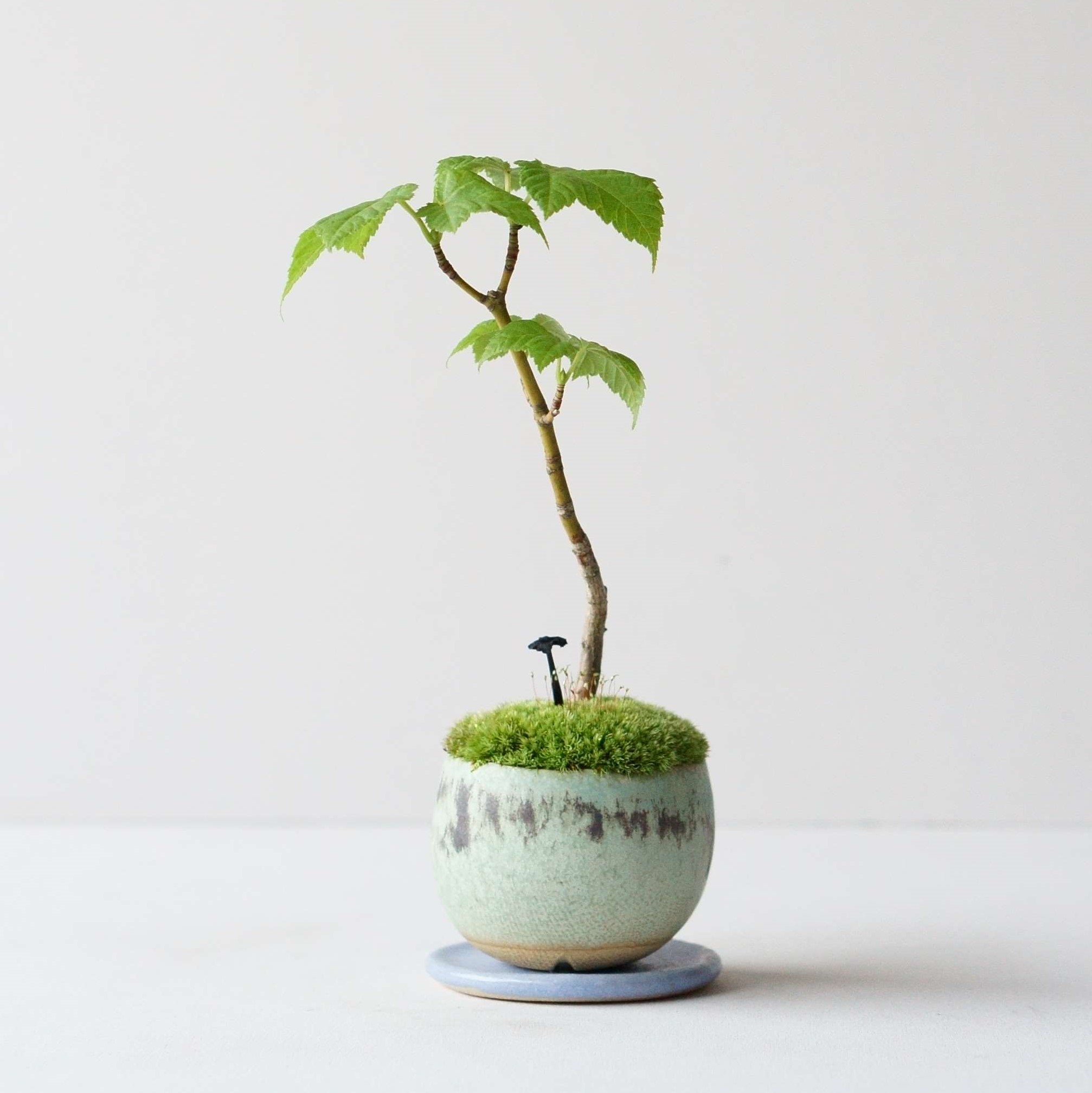 ウリハダカエデ Acer rufinerve
-
 アメリカフジ Wisteria frutescens
-
 ウメモドキ Ilex serrata
-
 マルバシャリンバイ Rhaphiolepis umbellata var. integerrima
-
 斑入りコケモモ Vaccinium vitis-idaea
-
 グミ Elaeagnus multiflora
-
 アケビ Akebia quinata
-
 ハマボウ Hibiscus hamabo
-
 カナシデ Carpinus japonica
-
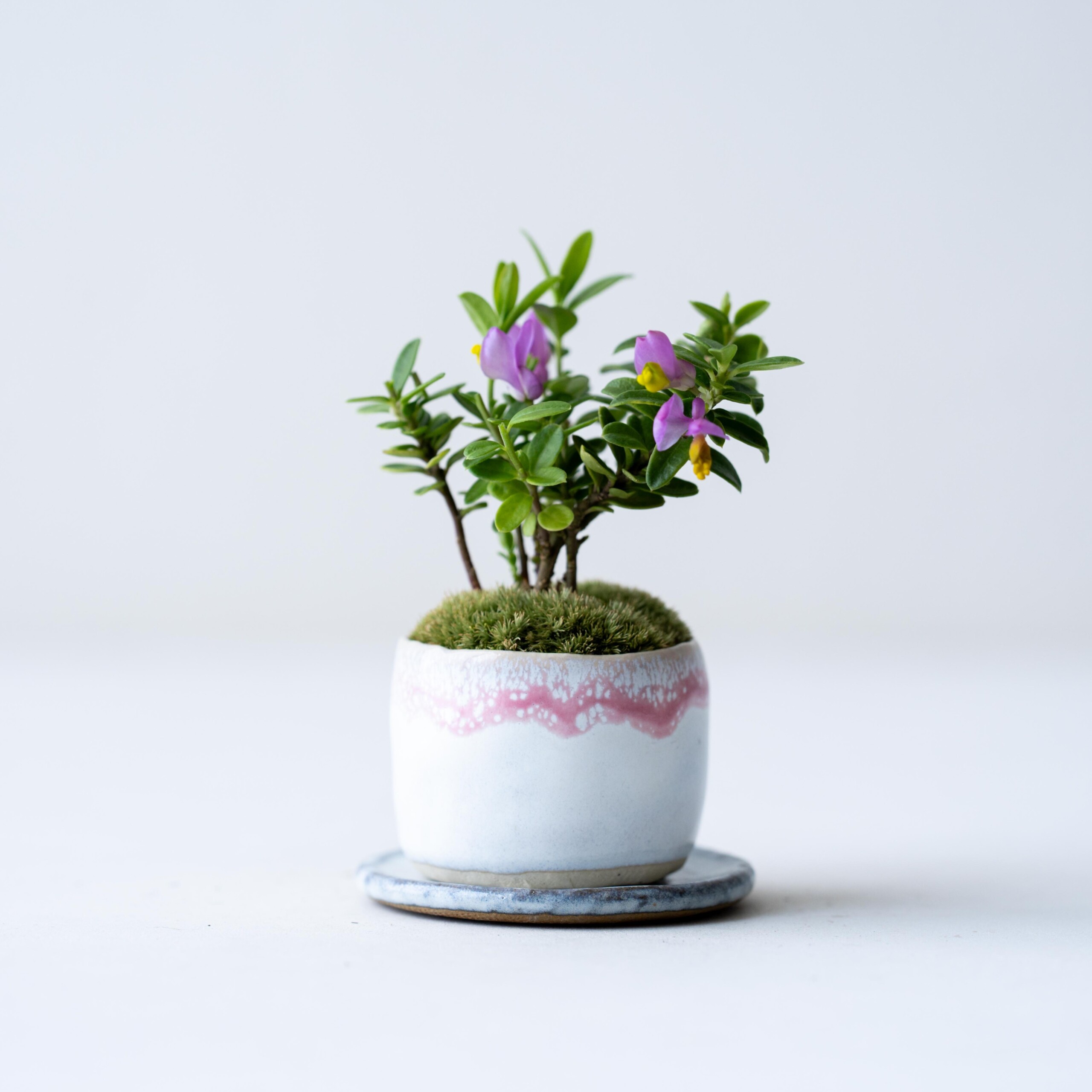 トキワヒメハギ Polygala chamaebuxus var.grandiflora
-
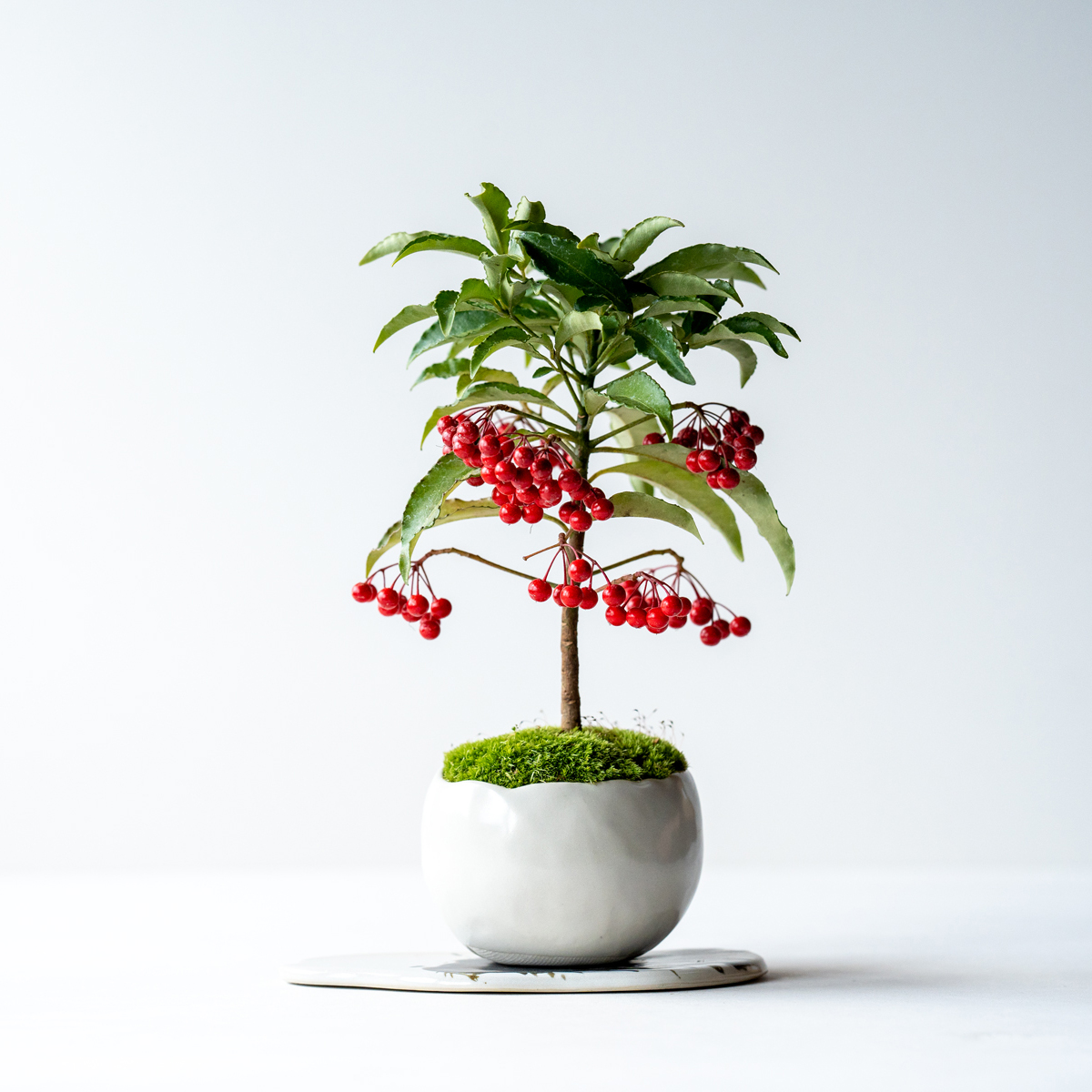 万両 Sarcandra glabra
-
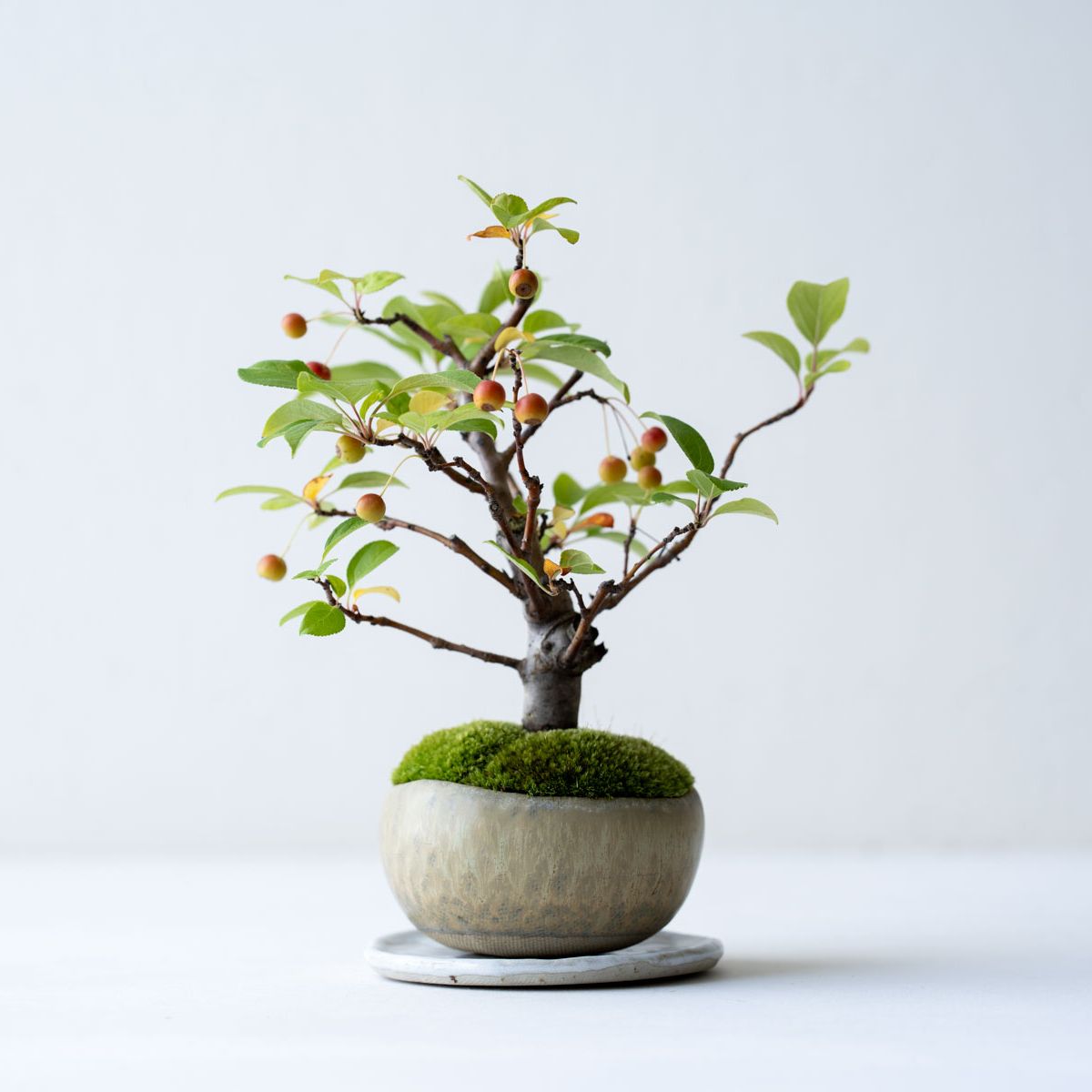 深山カイドウ Malus micromalus
-
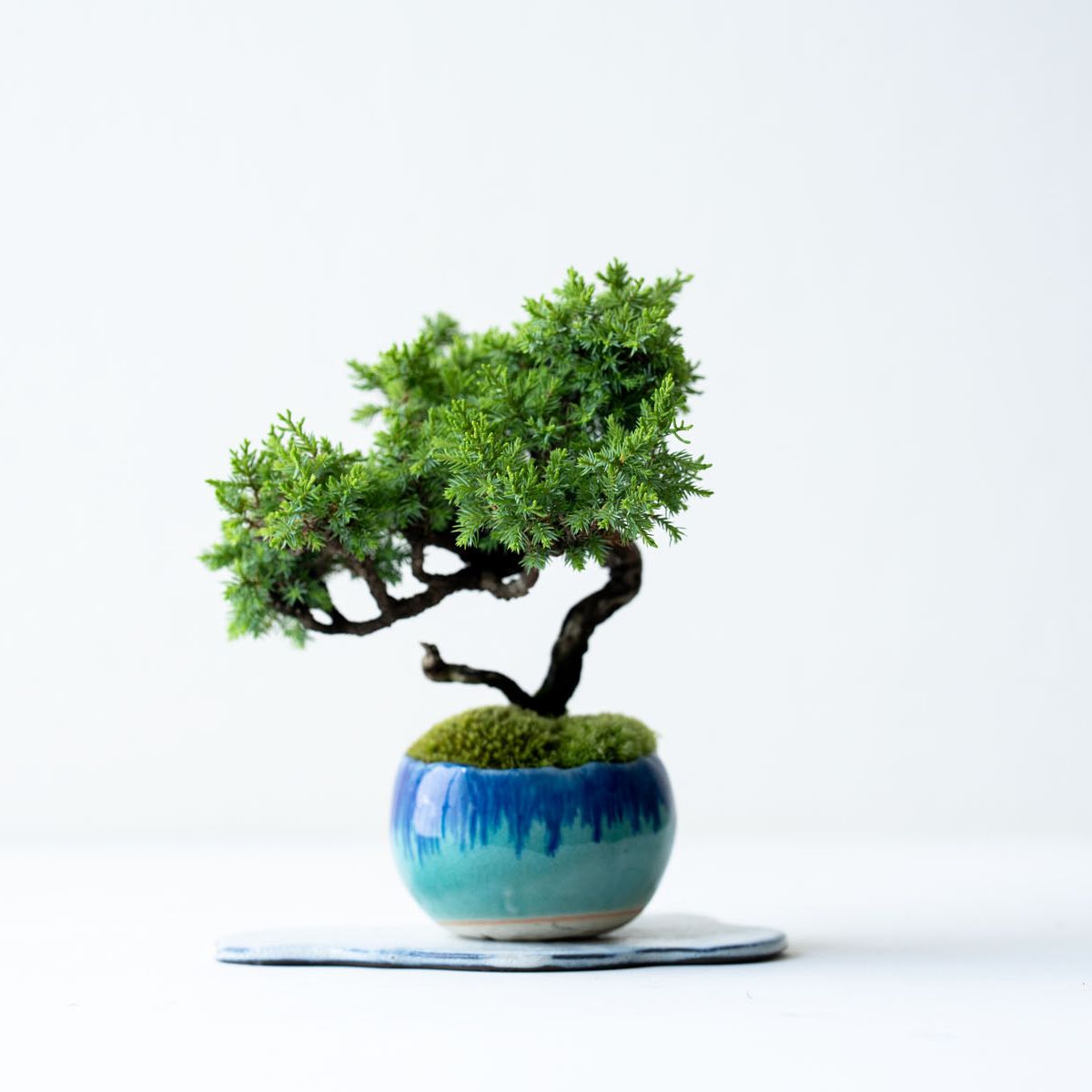 トショウ Juniperus rigida
-
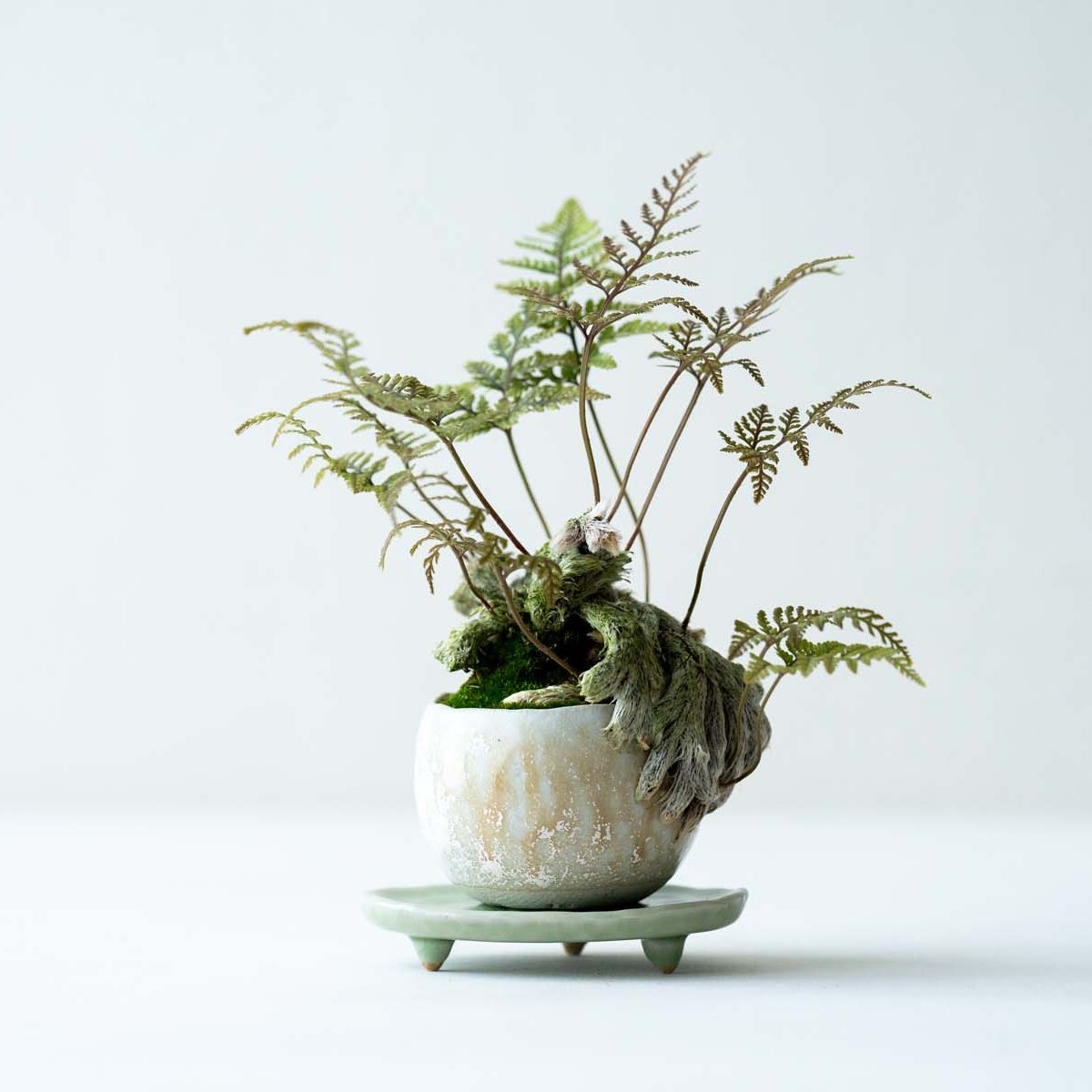 猫の手シダ Rabbit's Foot Fern
-
 ミズナラ Japanese oak
-
 ニワウメ Japanese bush cherry
-
 姫オリーブ Little Ollie
-
 錦糸ナンテン Nandina domestica var.capillaris
-
 桃色ユキヤナギ Fujino Pink Spirea
-
 ツリバナマユミ
-
 タチマユミ
-
 トキワマンサク
-
 銀葉シンパク
-
 イボタ Ligustrum obtusifolium
-
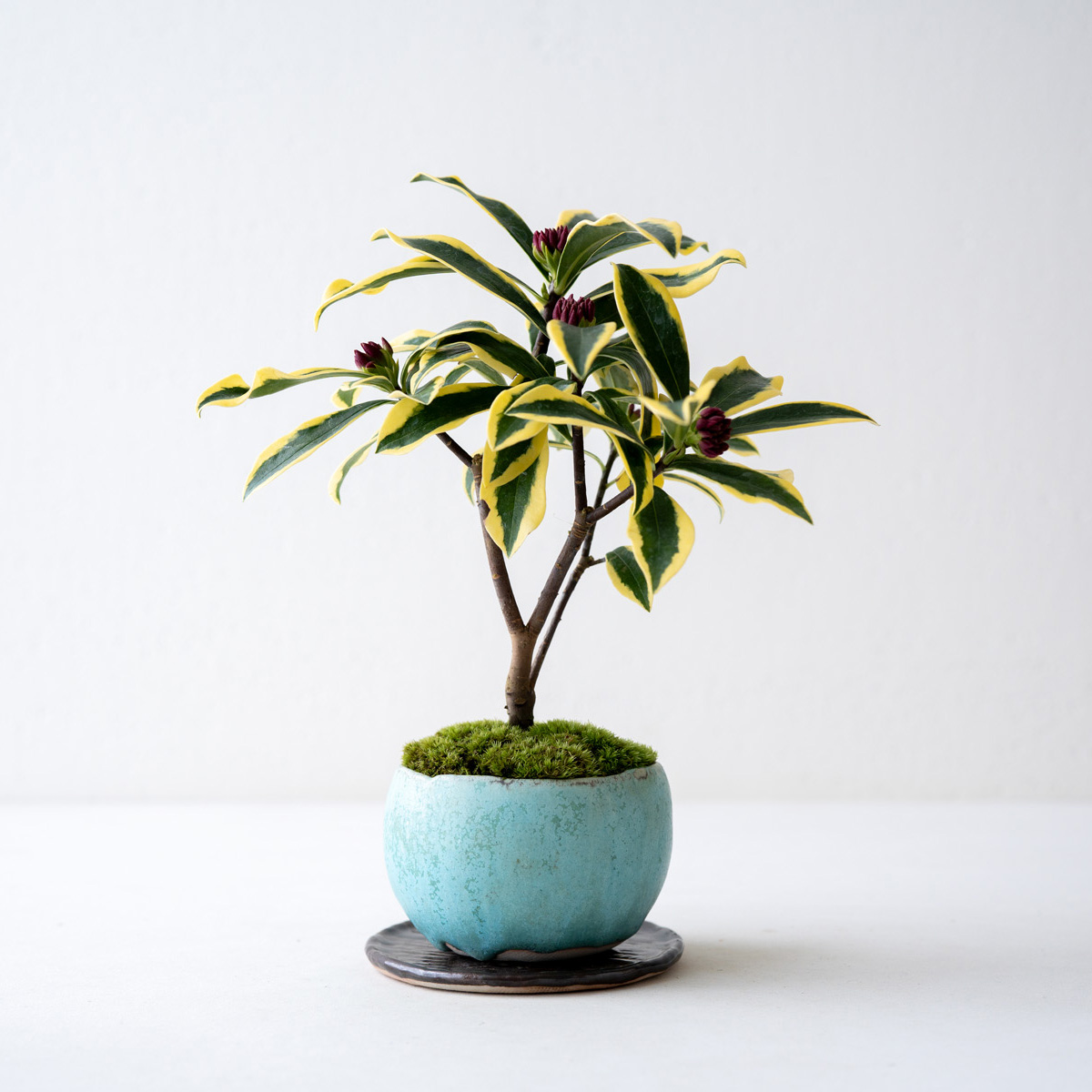 沈丁花 Winter Daphne
-
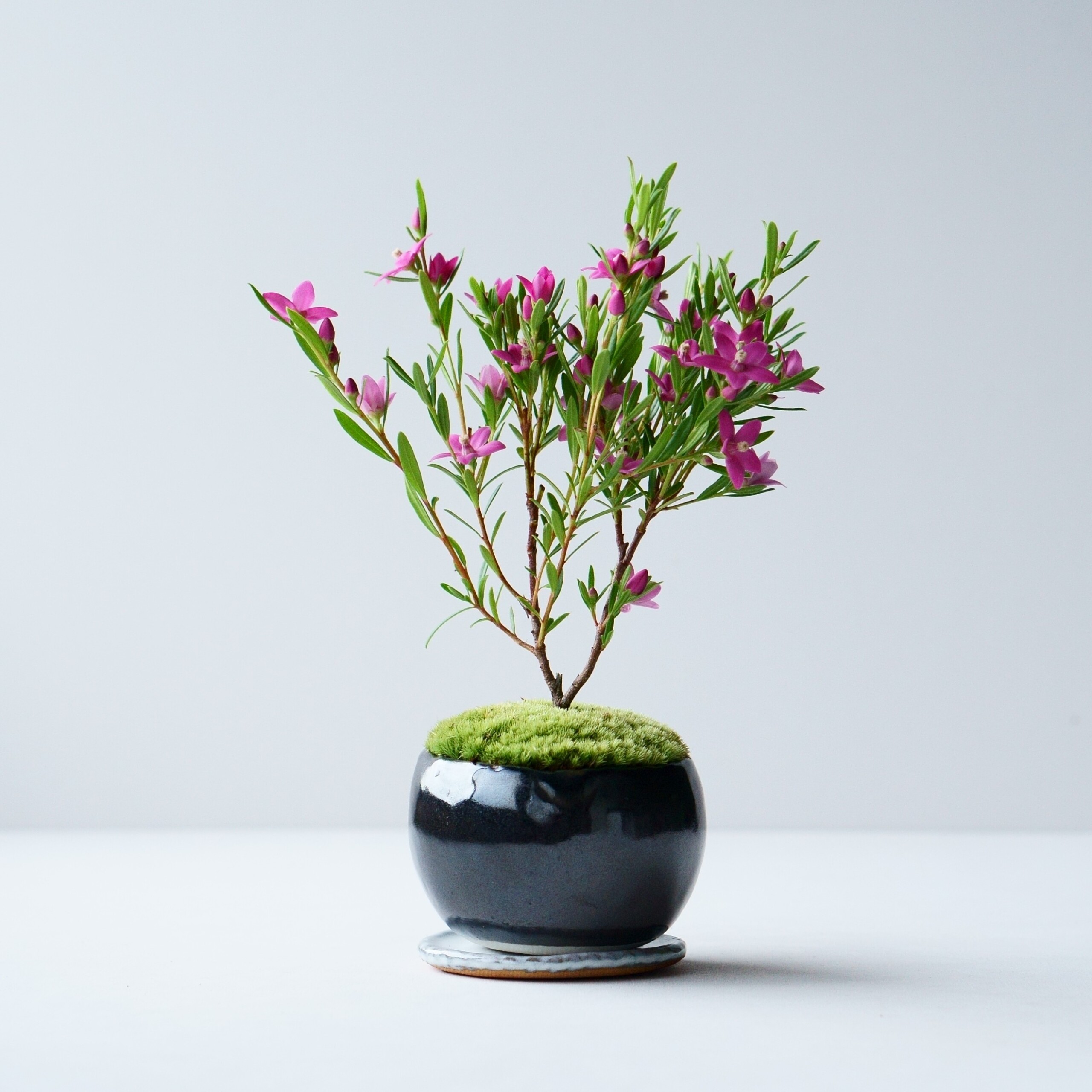 サザンクロス
-
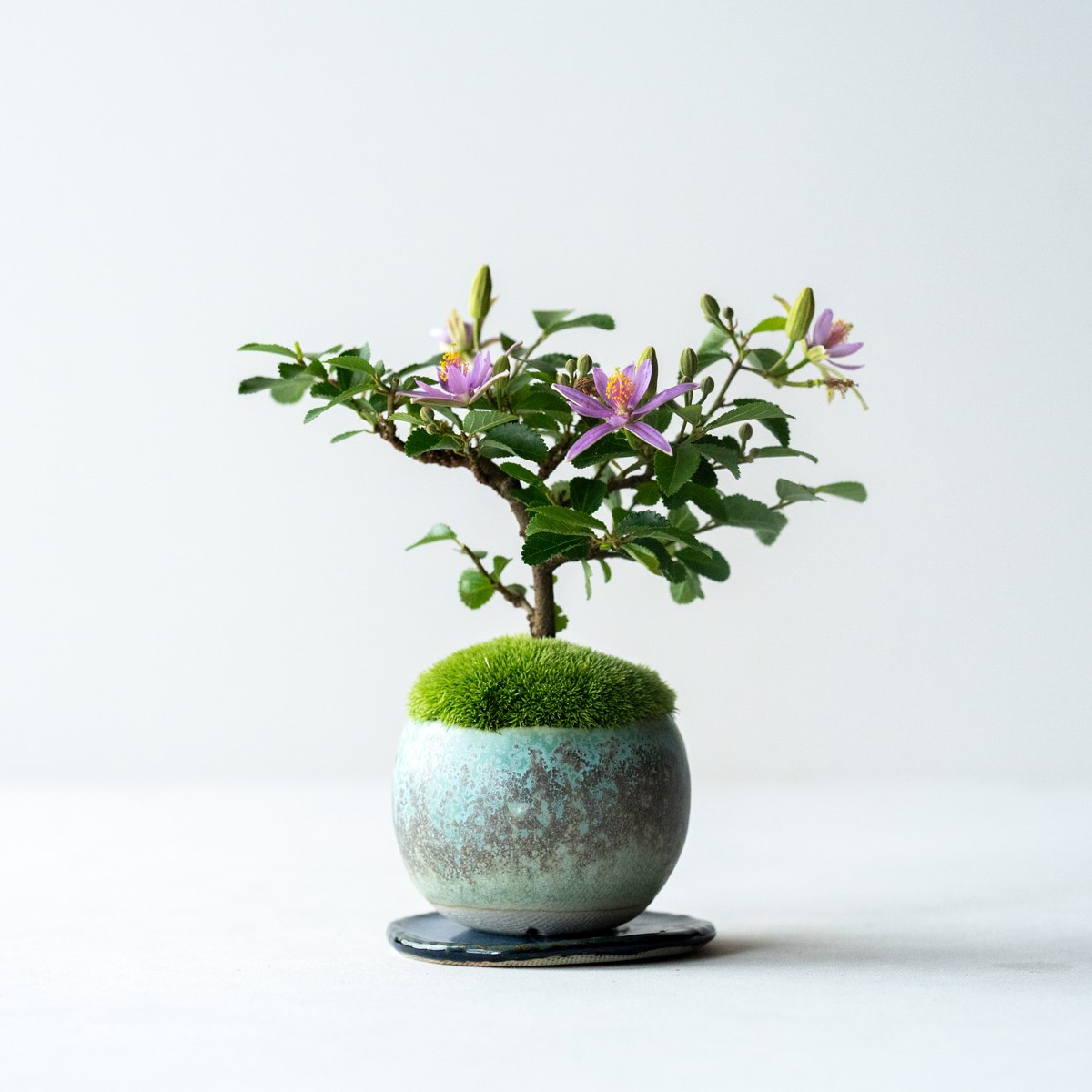 スイレンボク
-
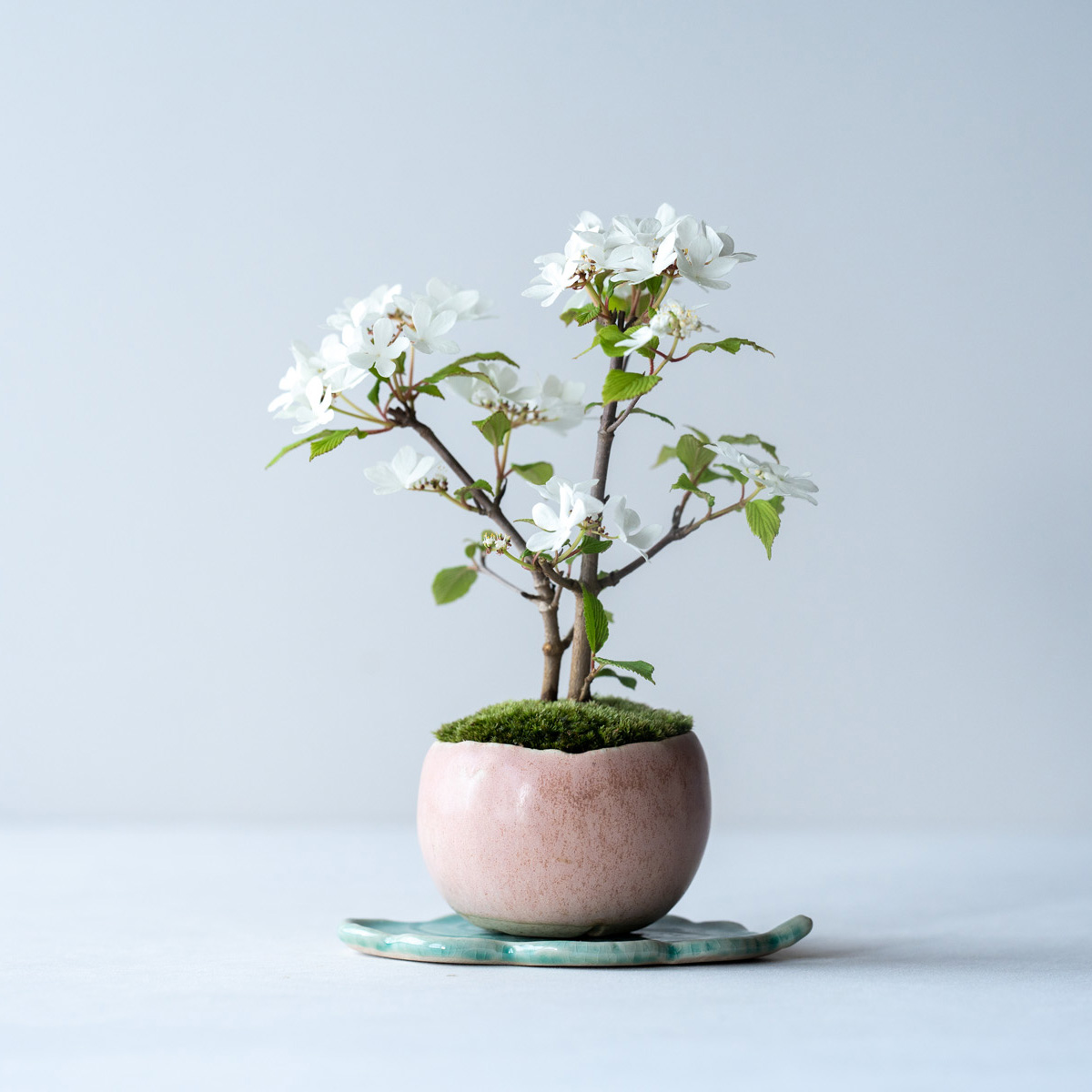 ヤブデマリ
-
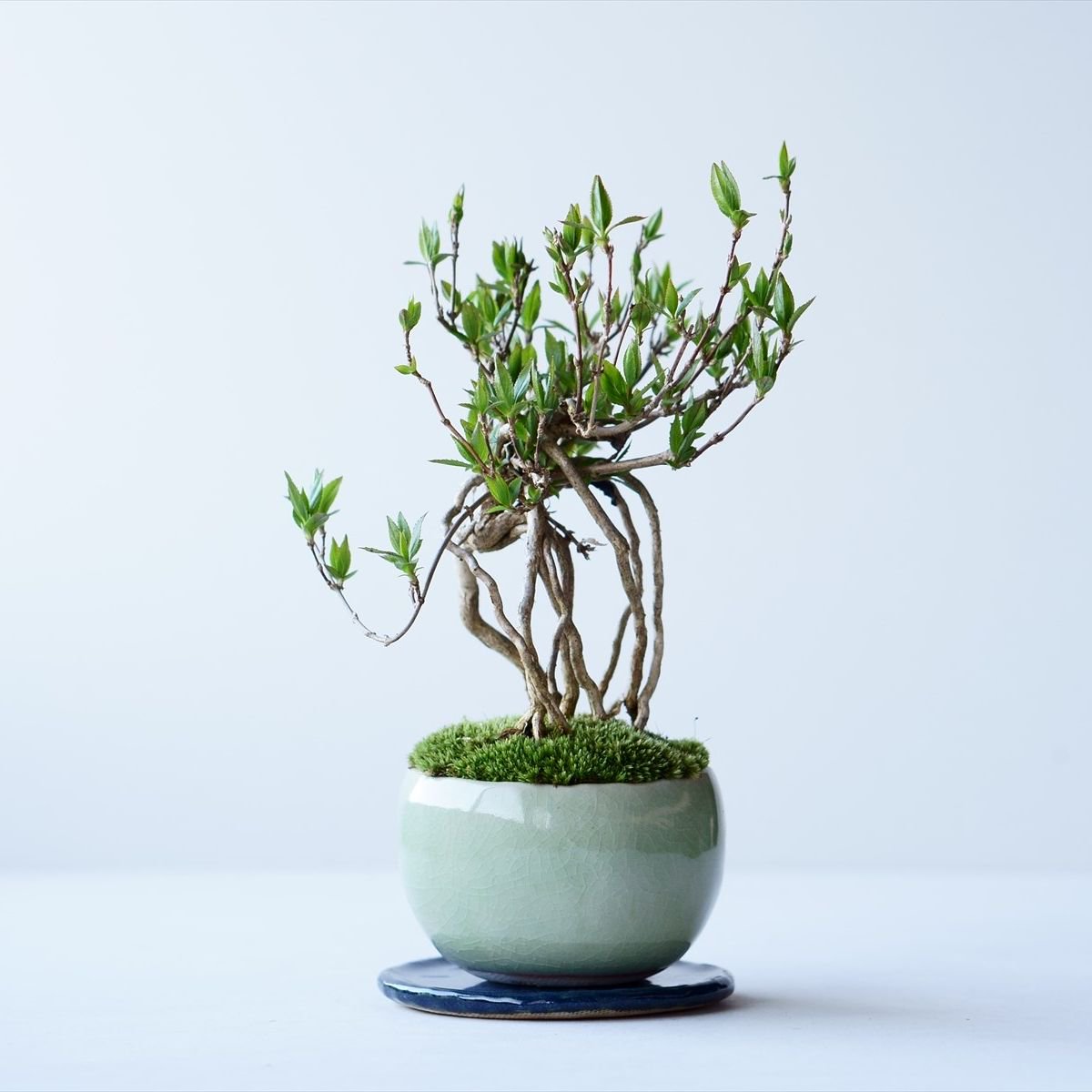 姫ウツギ
-
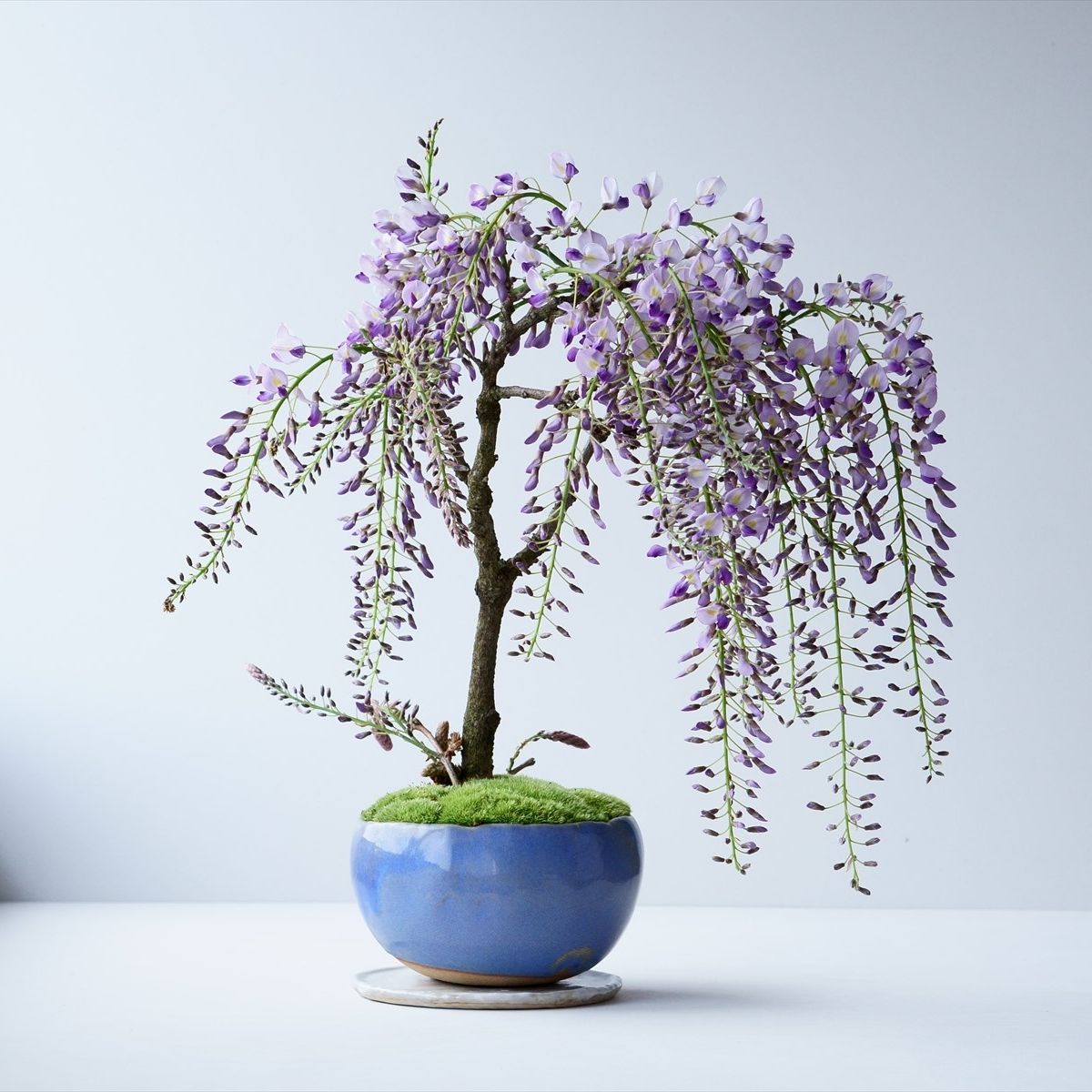 フジ
-
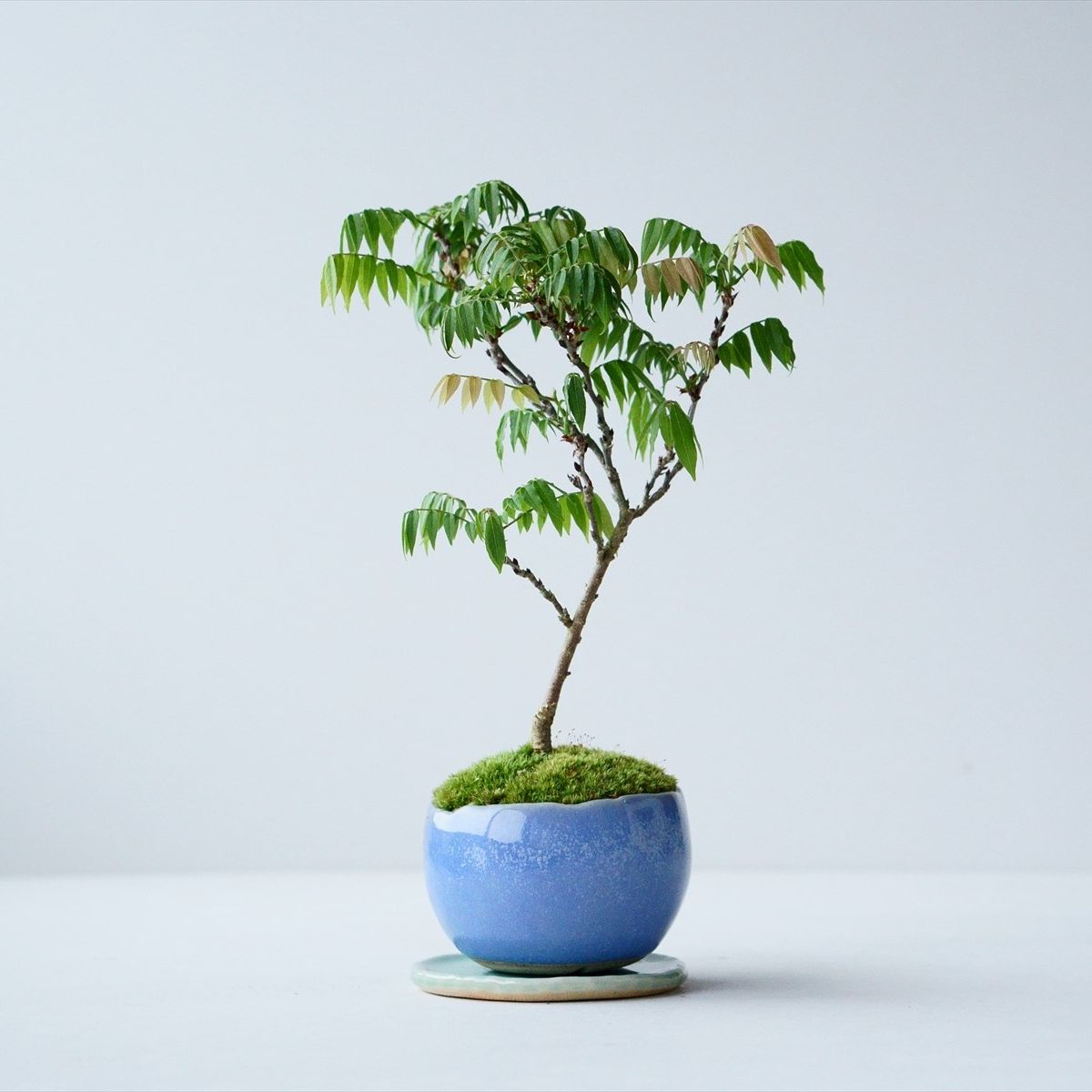 コフジ
-
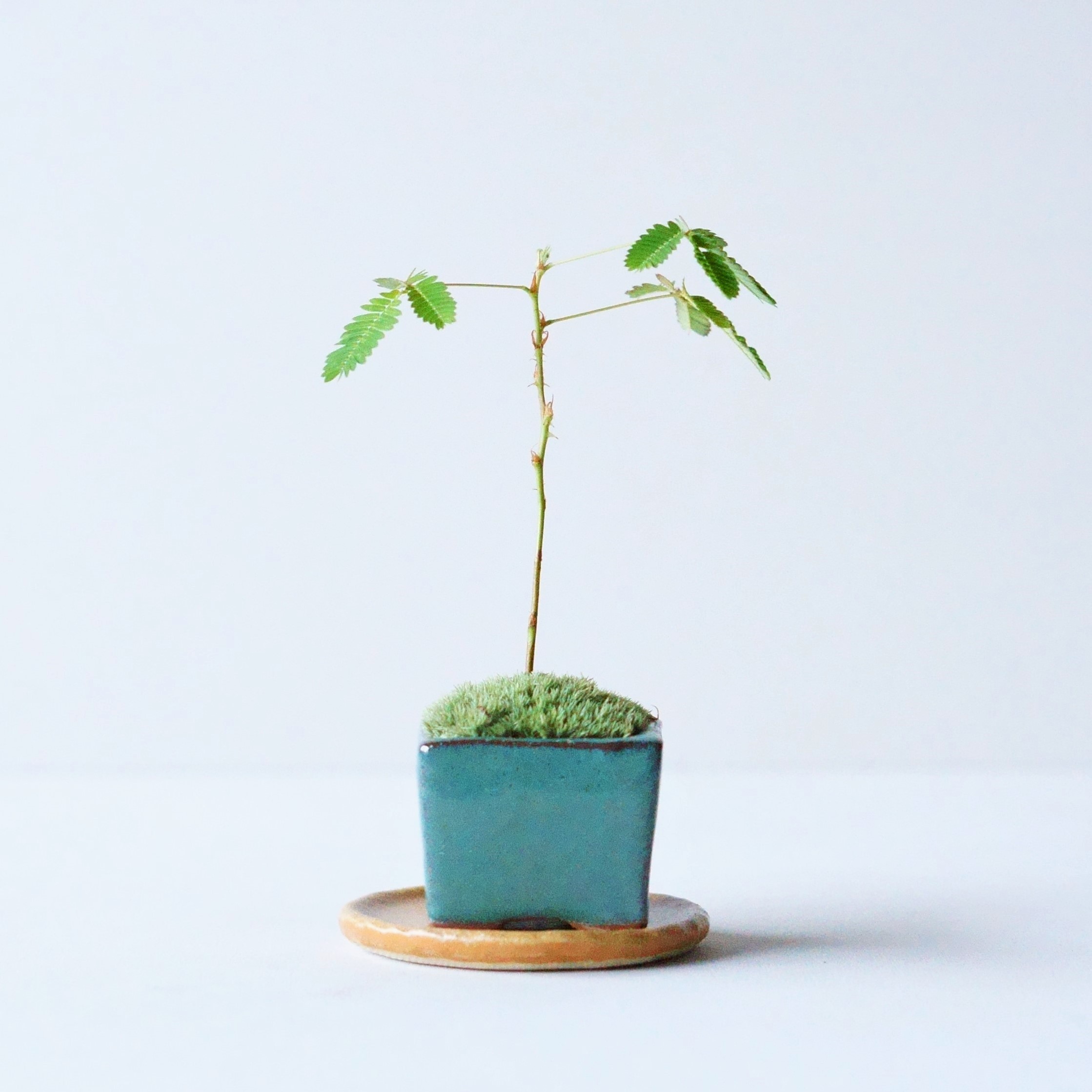 オジギソウ
-
 姫ライラック
-
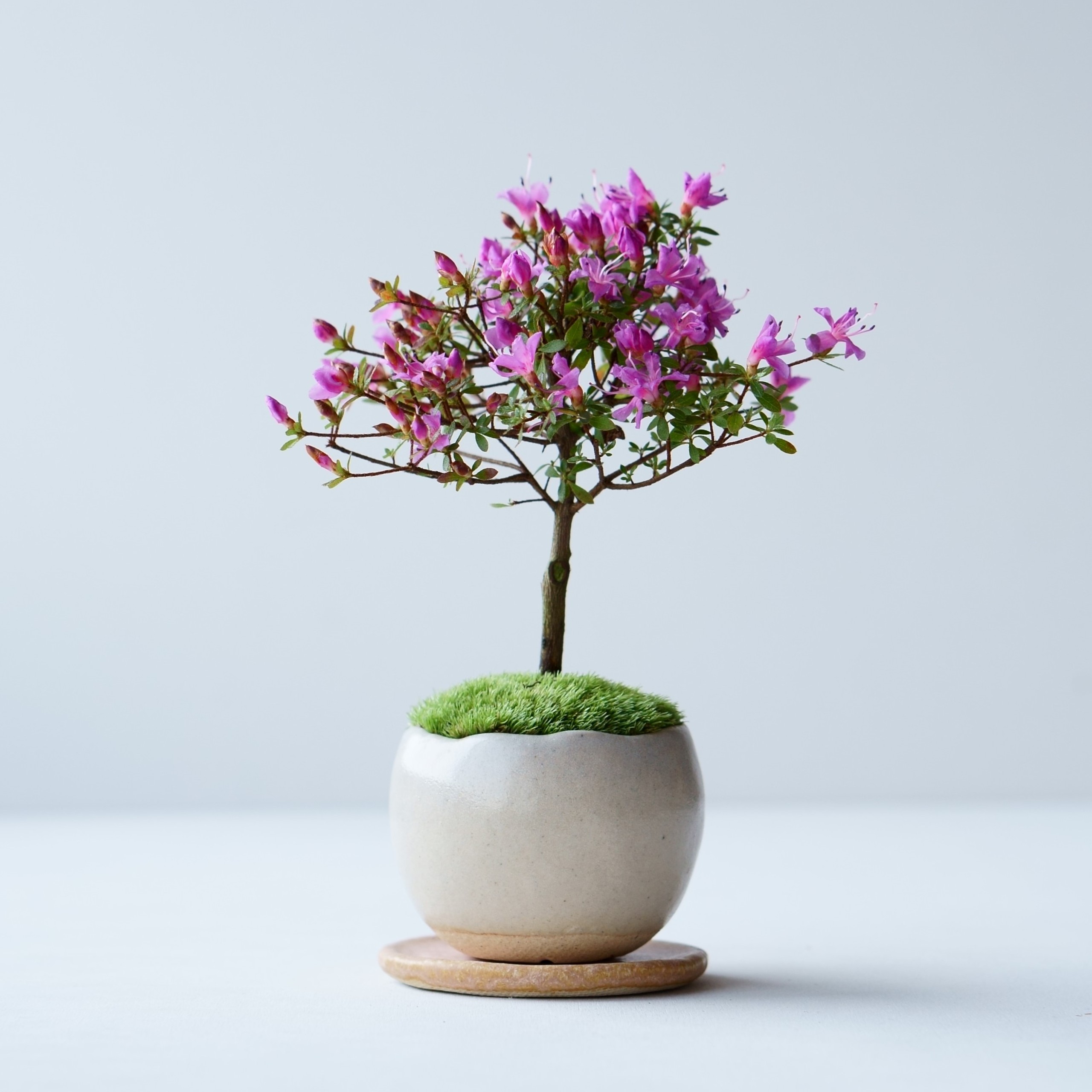 コメツツジ
-
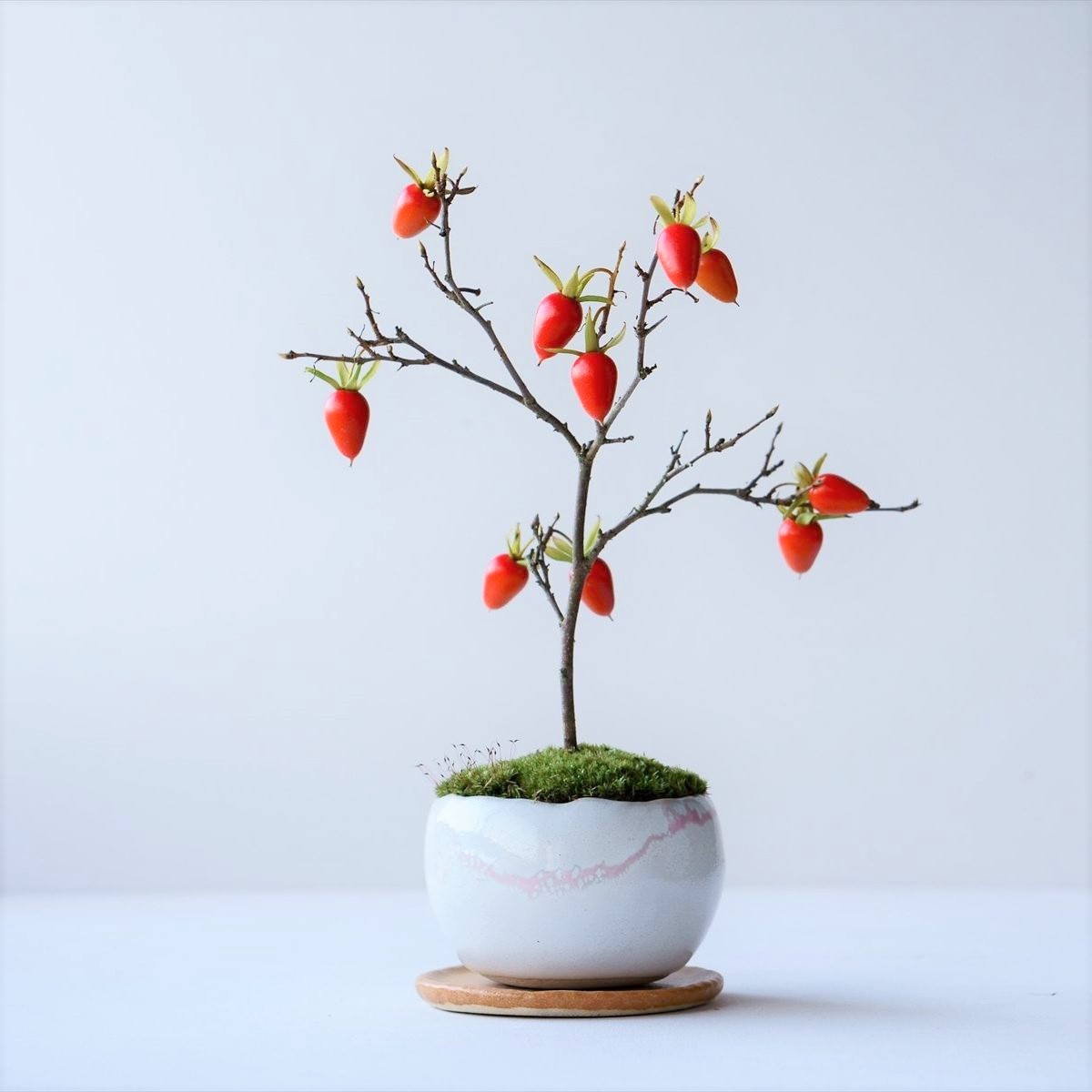 ロウヤガキ
-
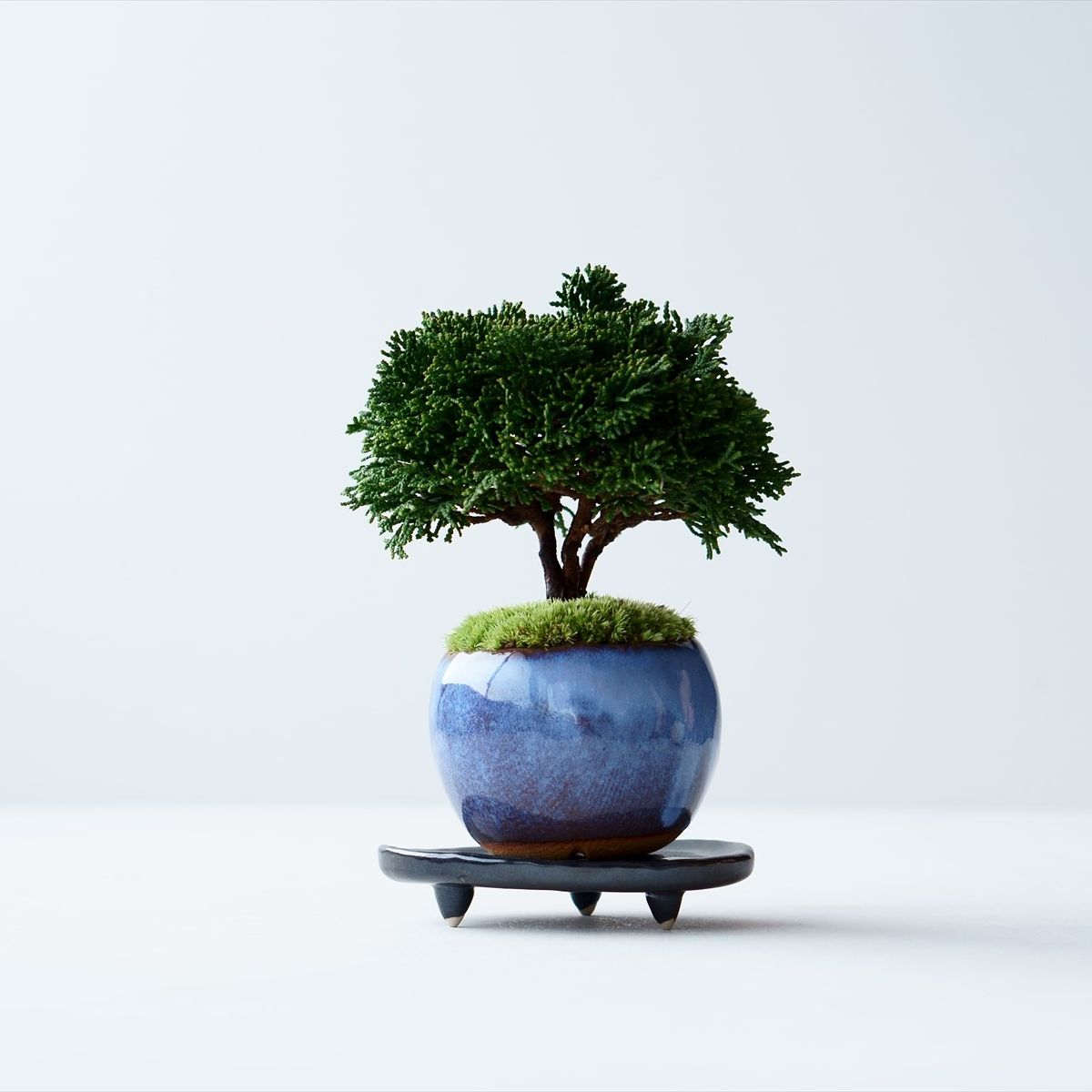 連山ヒノキ
-
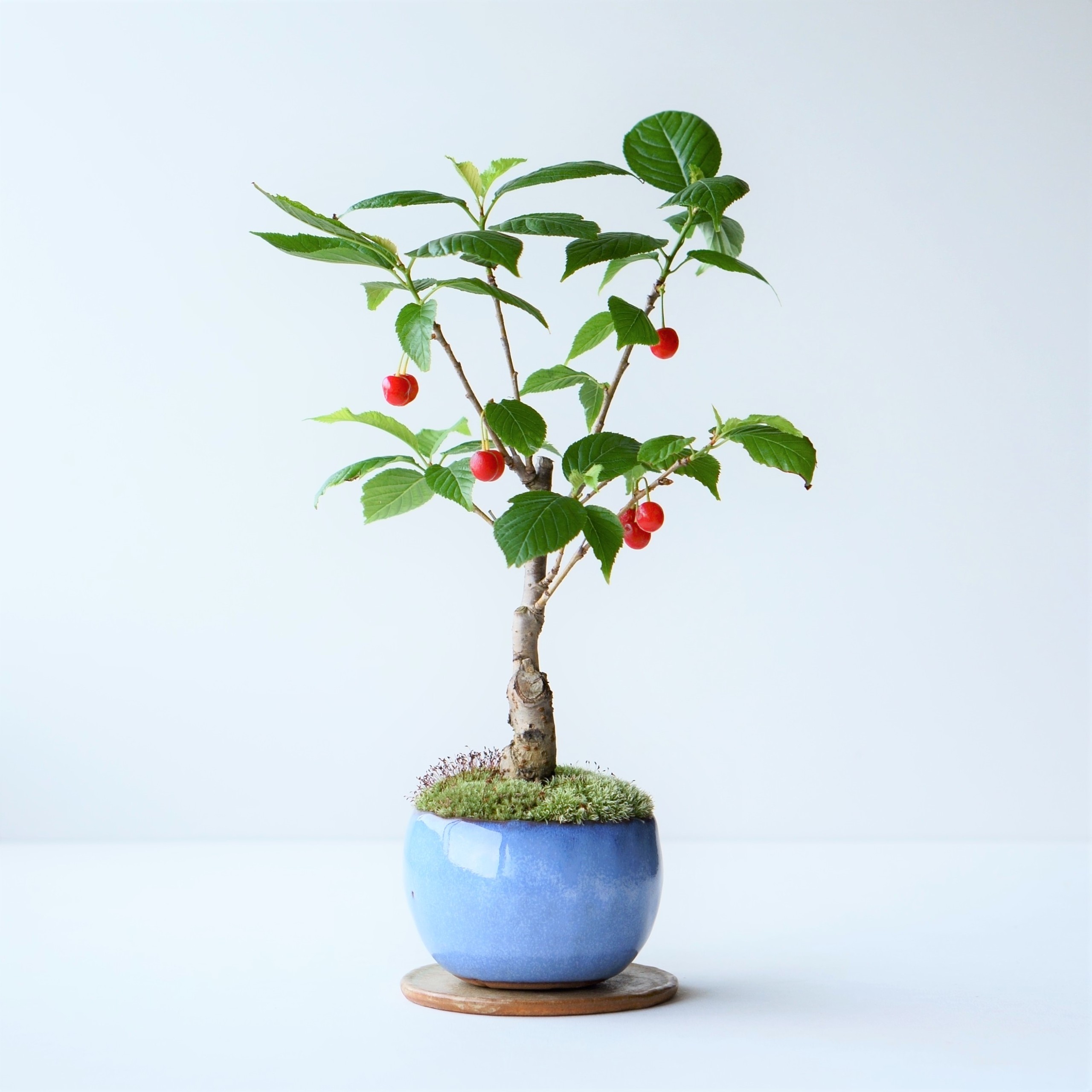 サクランボ
-
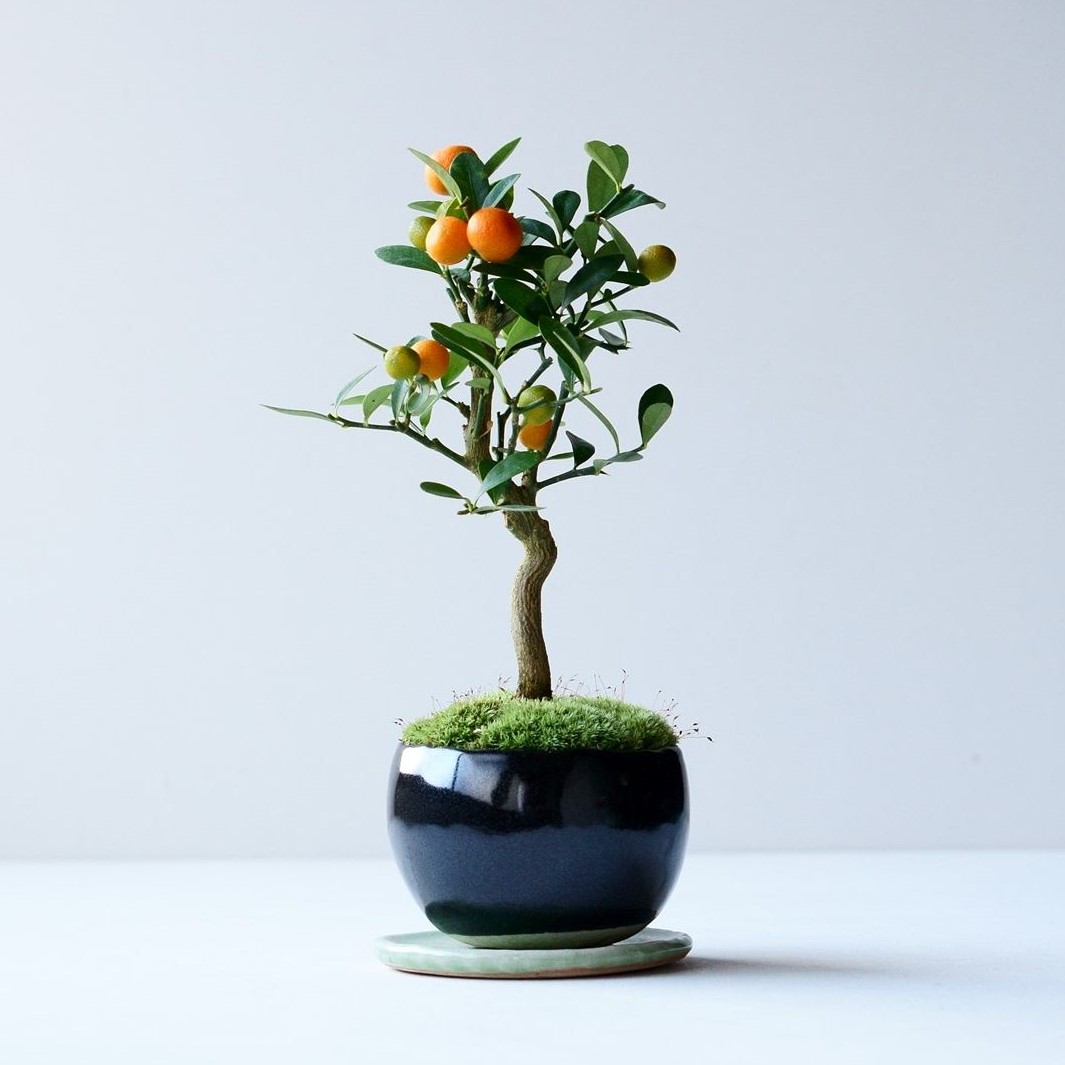 キンズ
-
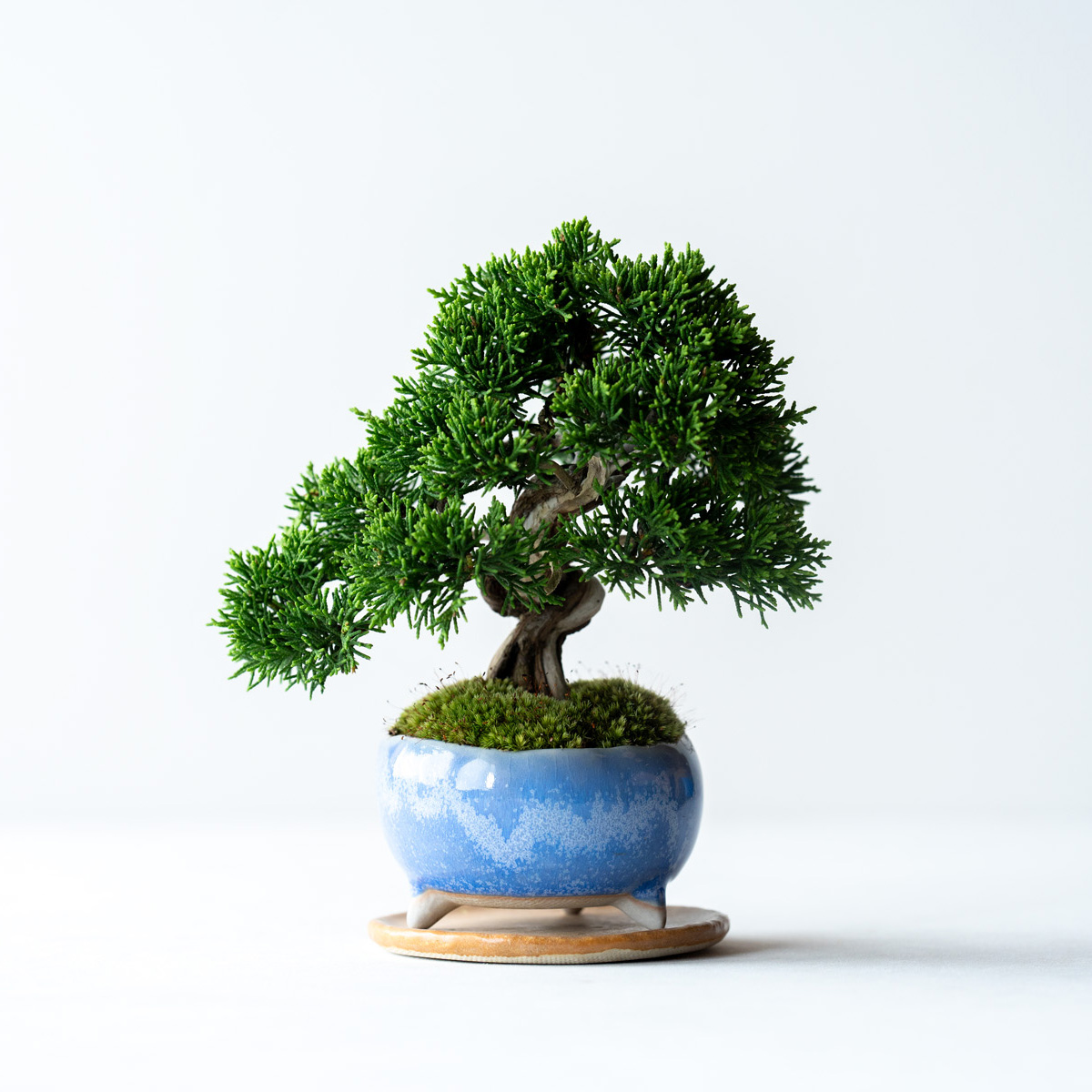 シンパク
-
 エゾマツ
-
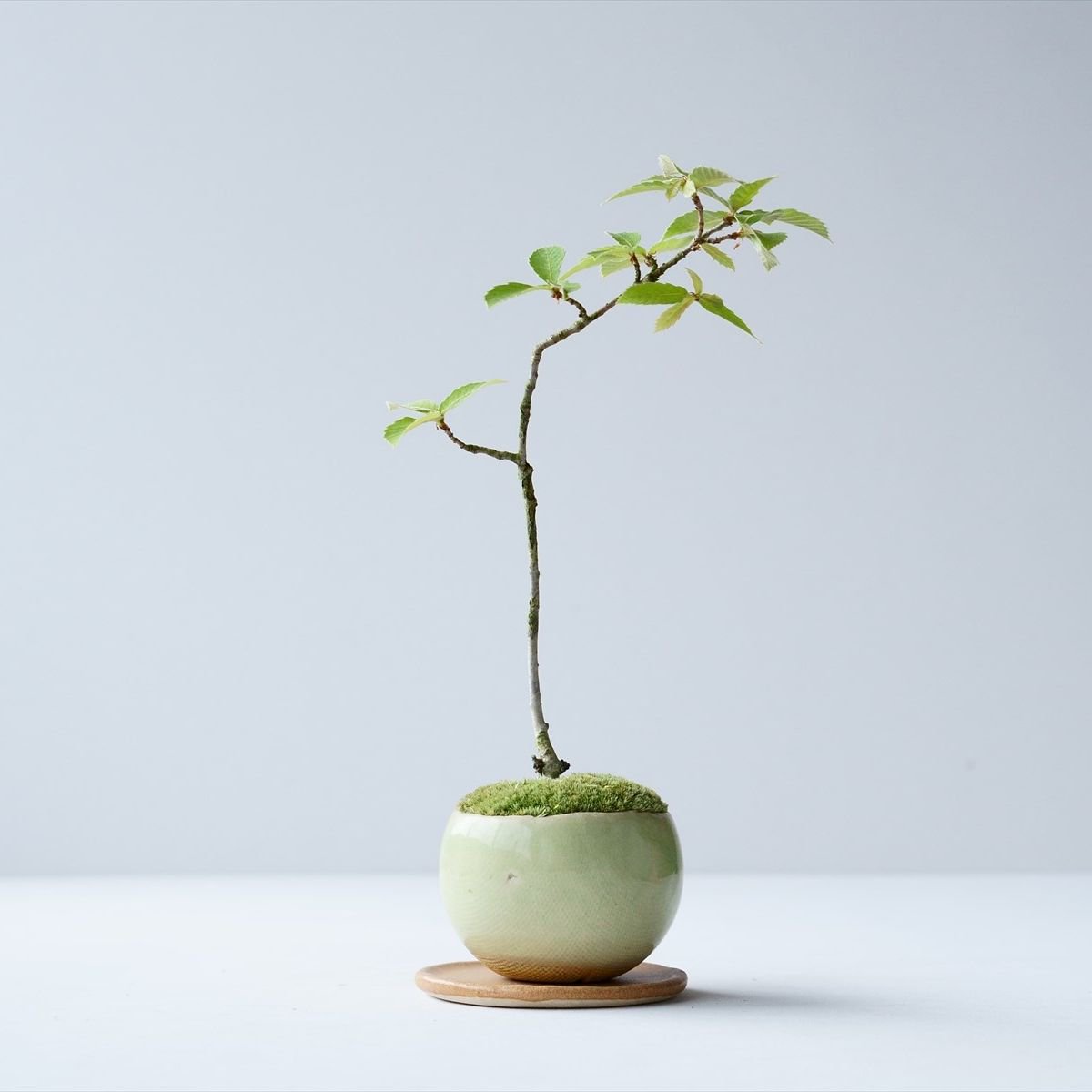 コナラ
-
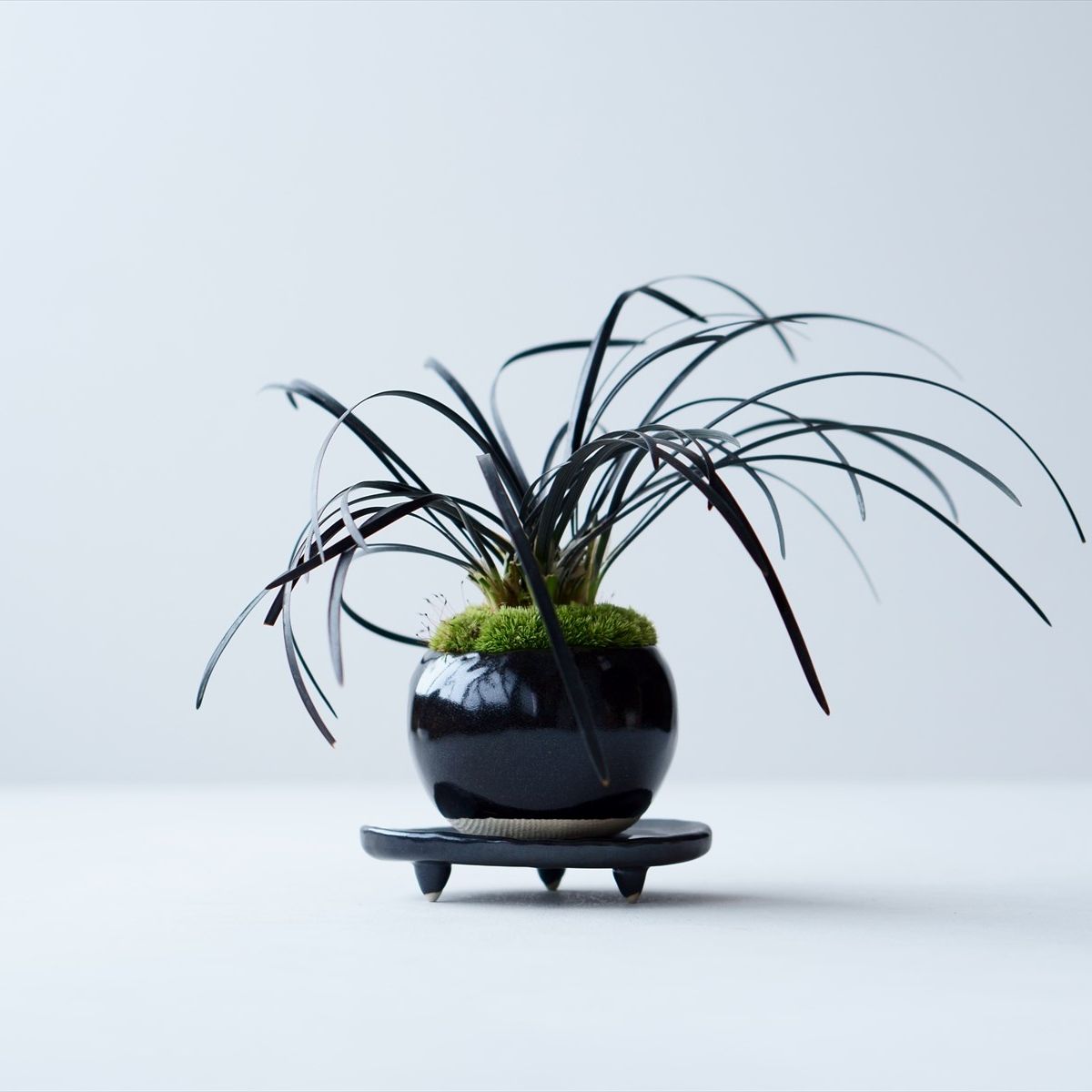 リュウノヒゲ
-
 椿
-
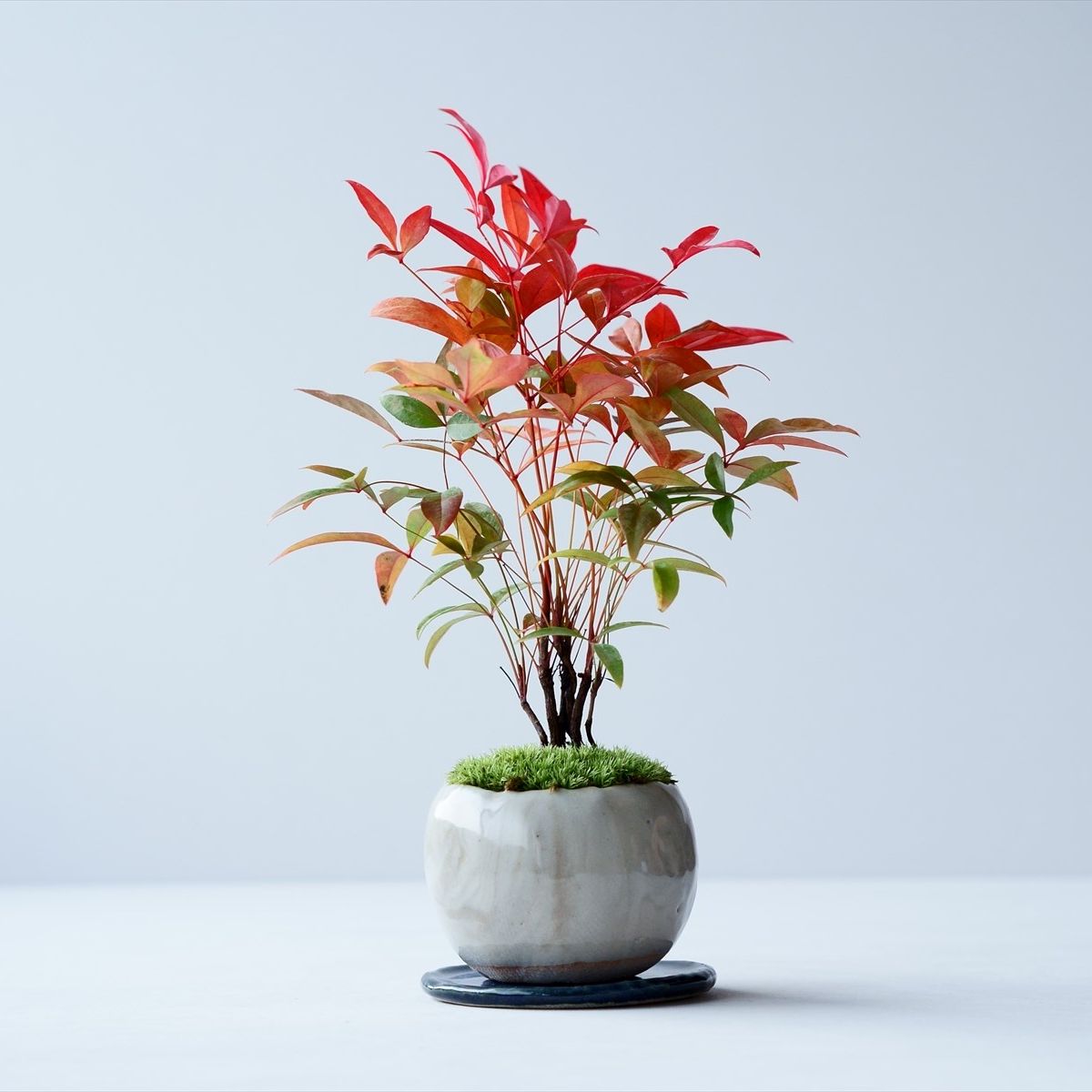 ナンテン
-
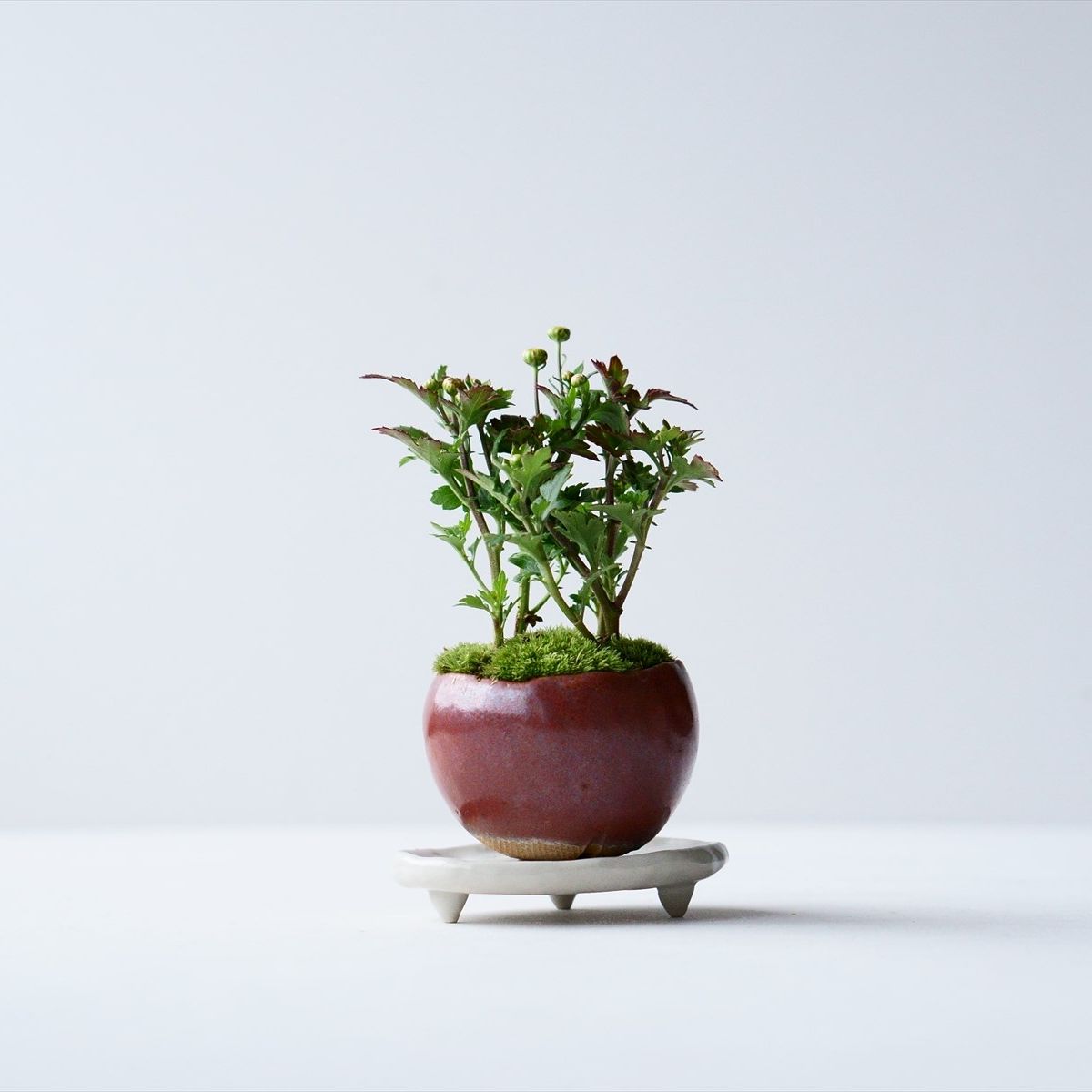 姫寒菊
-
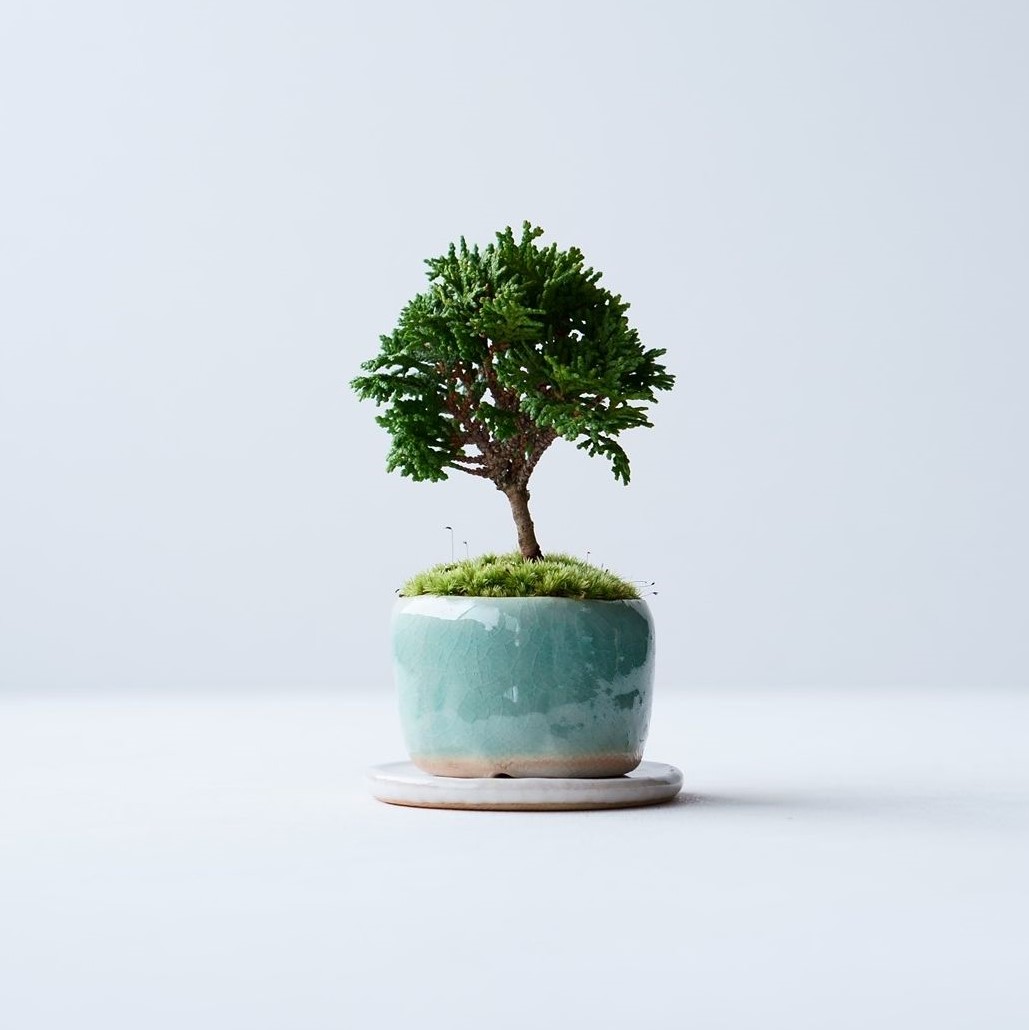 津山ヒノキ
-
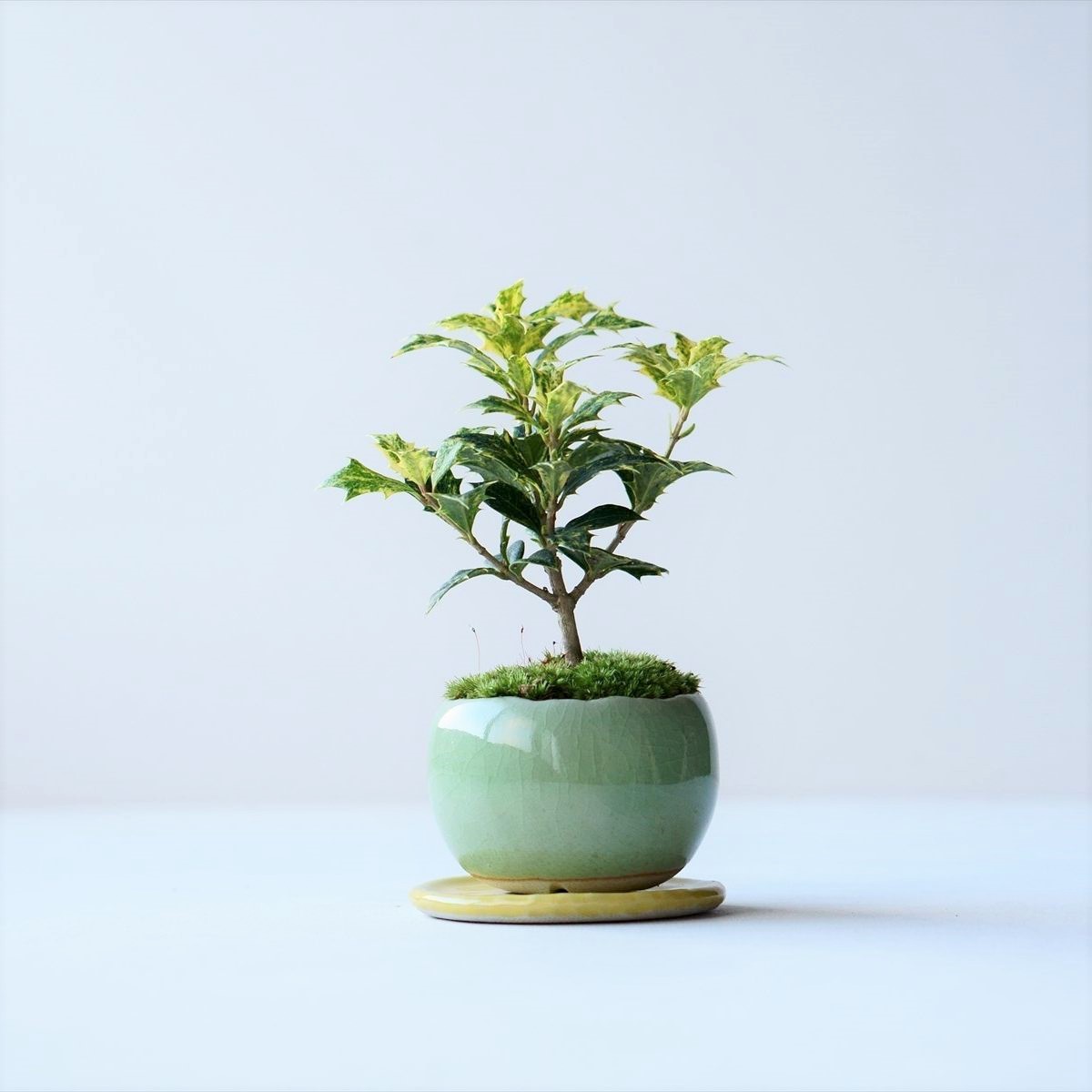 斑入りヒイラギ
-
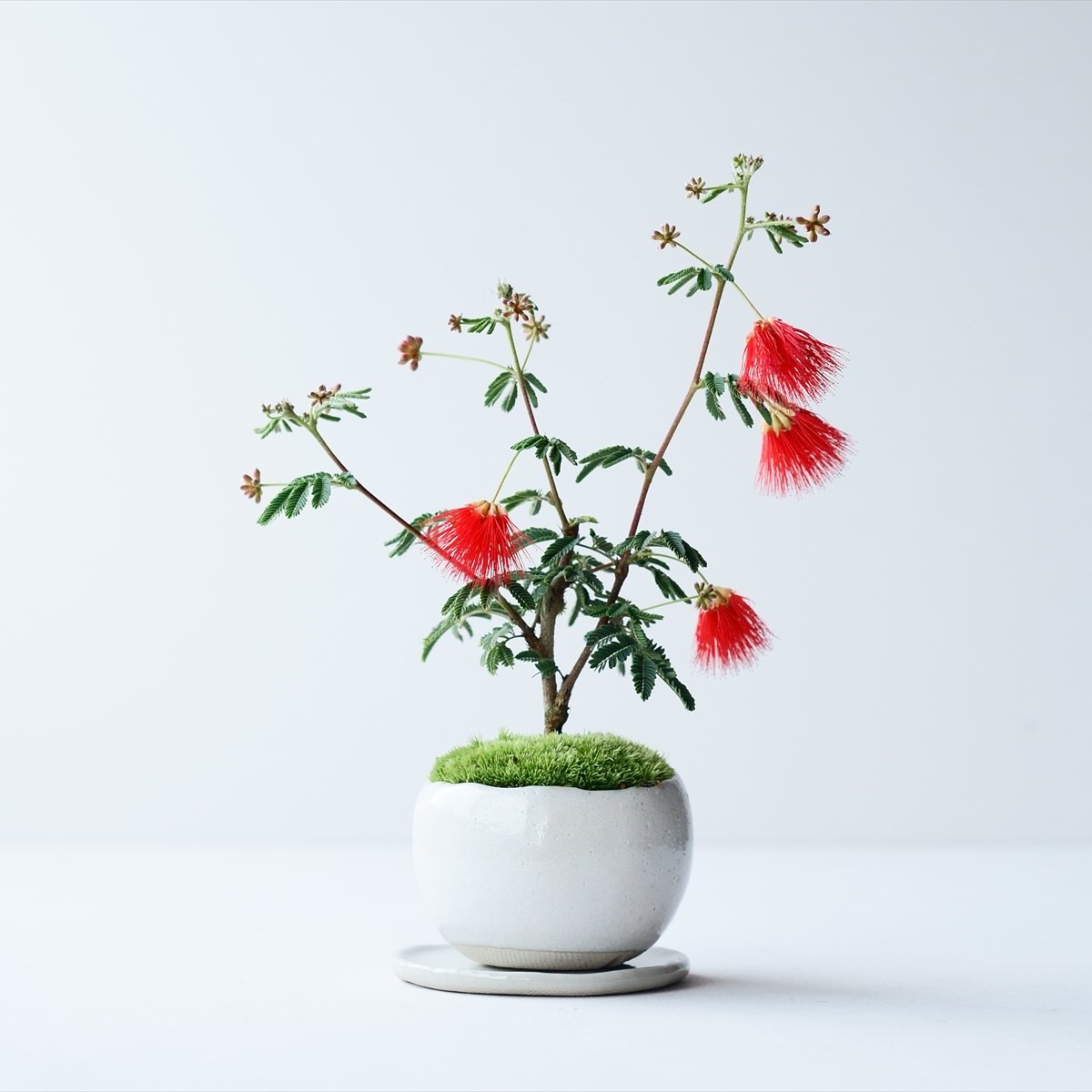 緋ネム
-
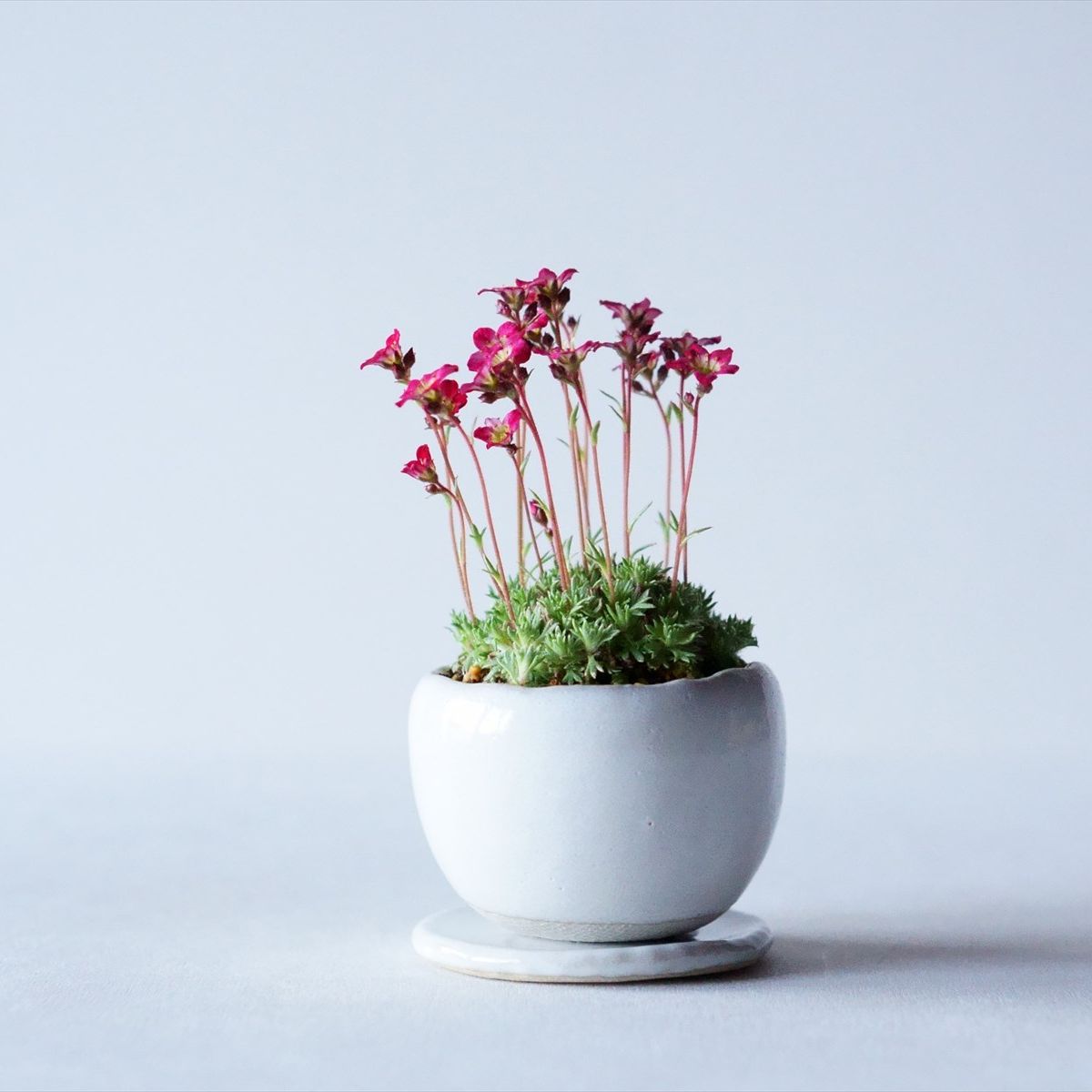 雲間草
-
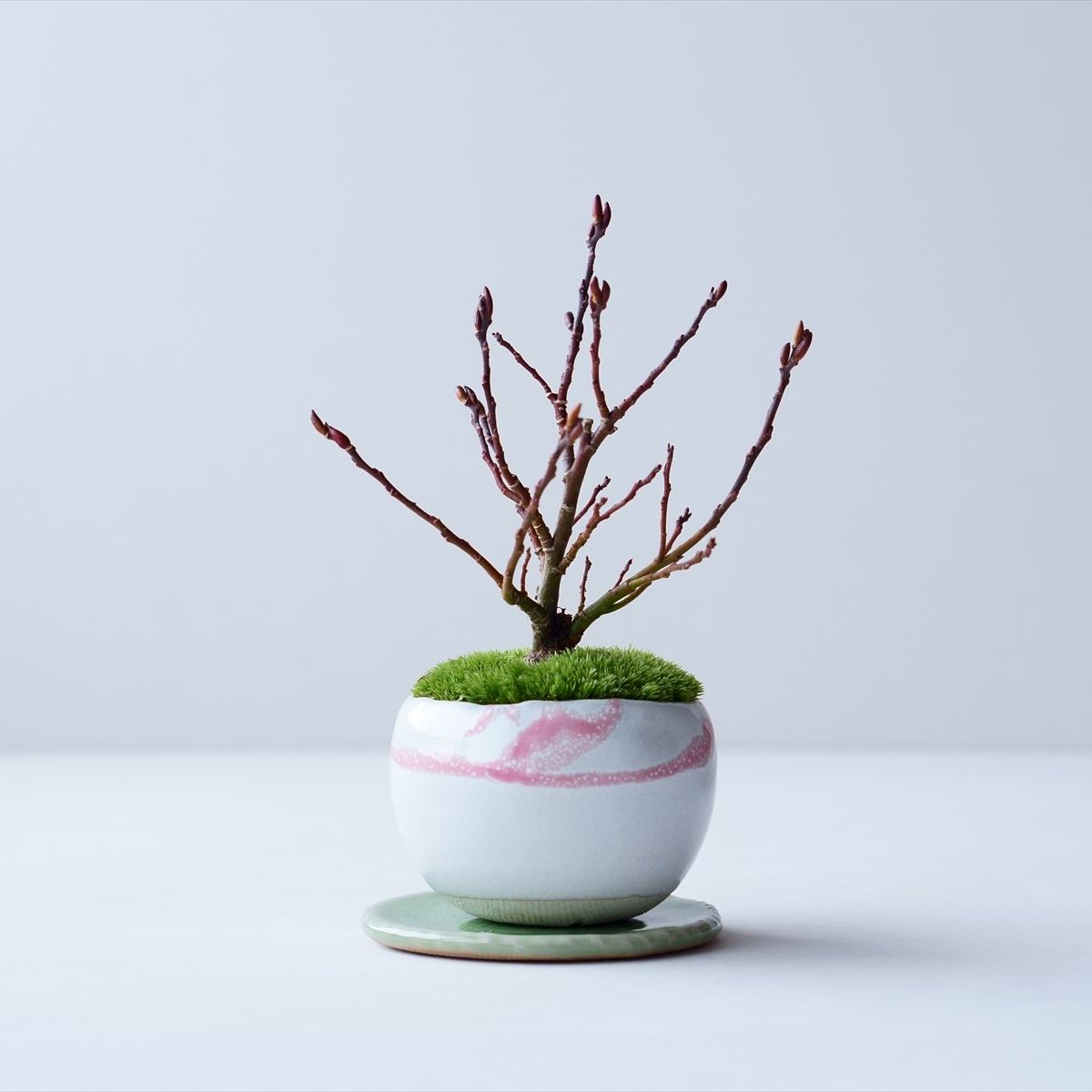 ネコヤナギ
-
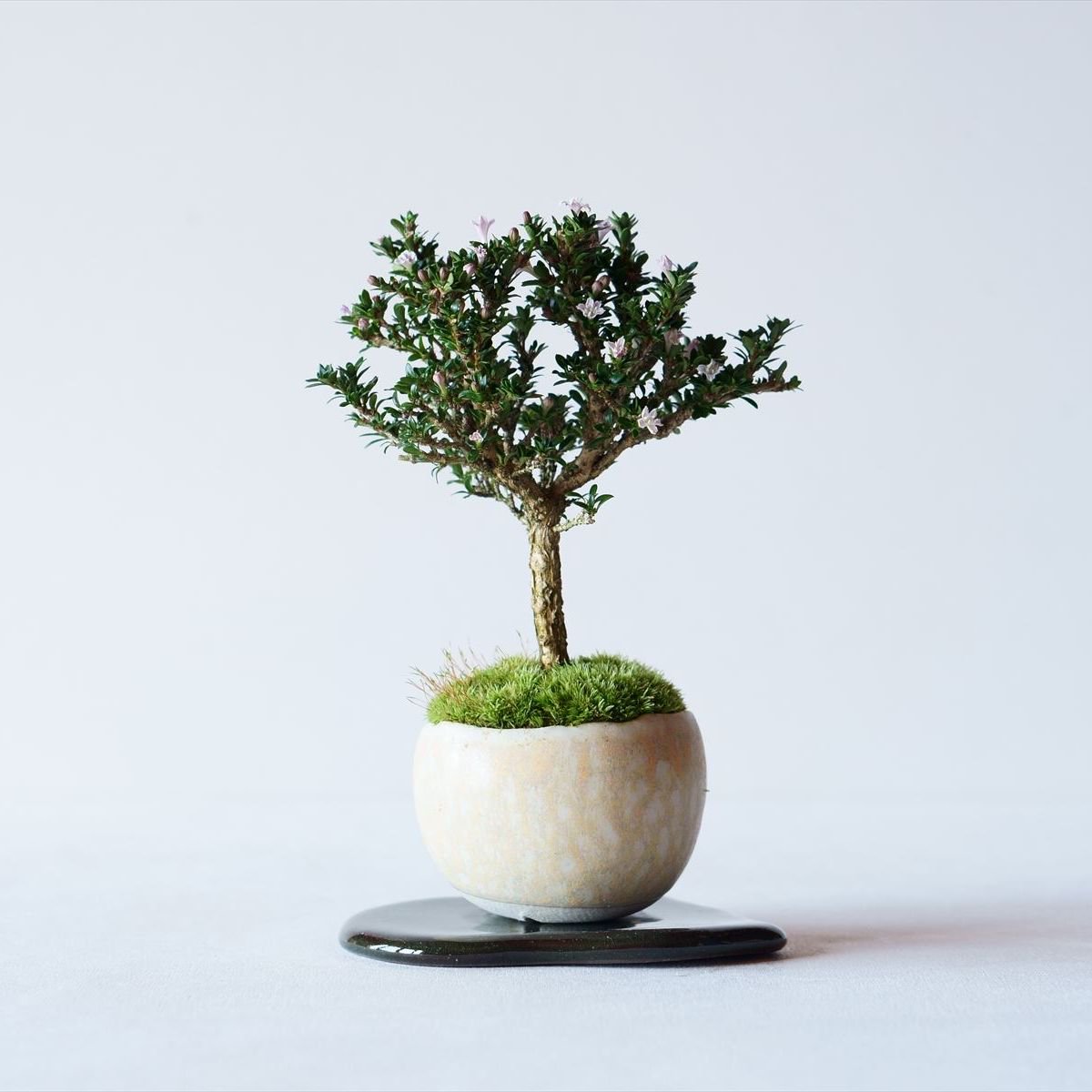 八房香丁木
-
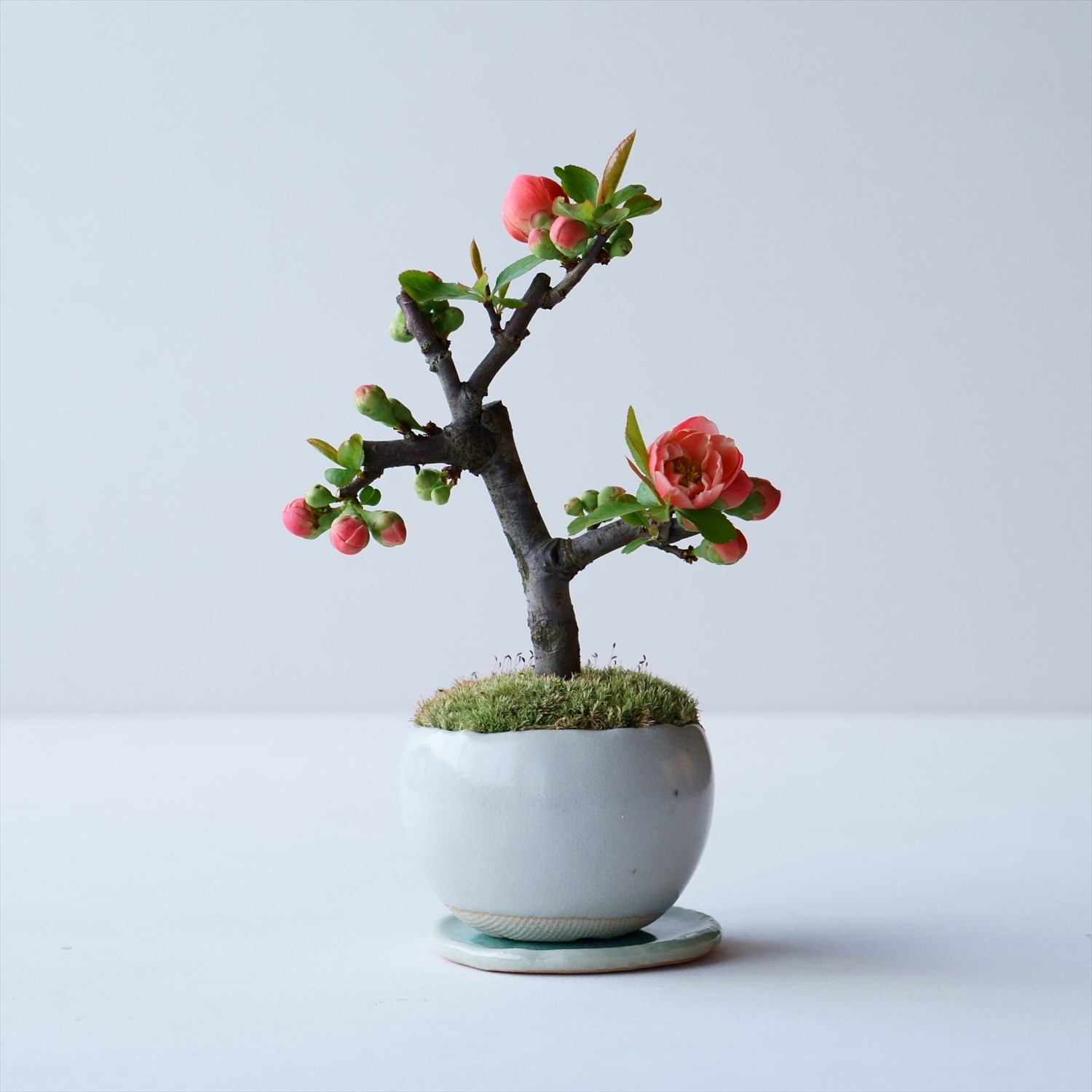 木瓜
-
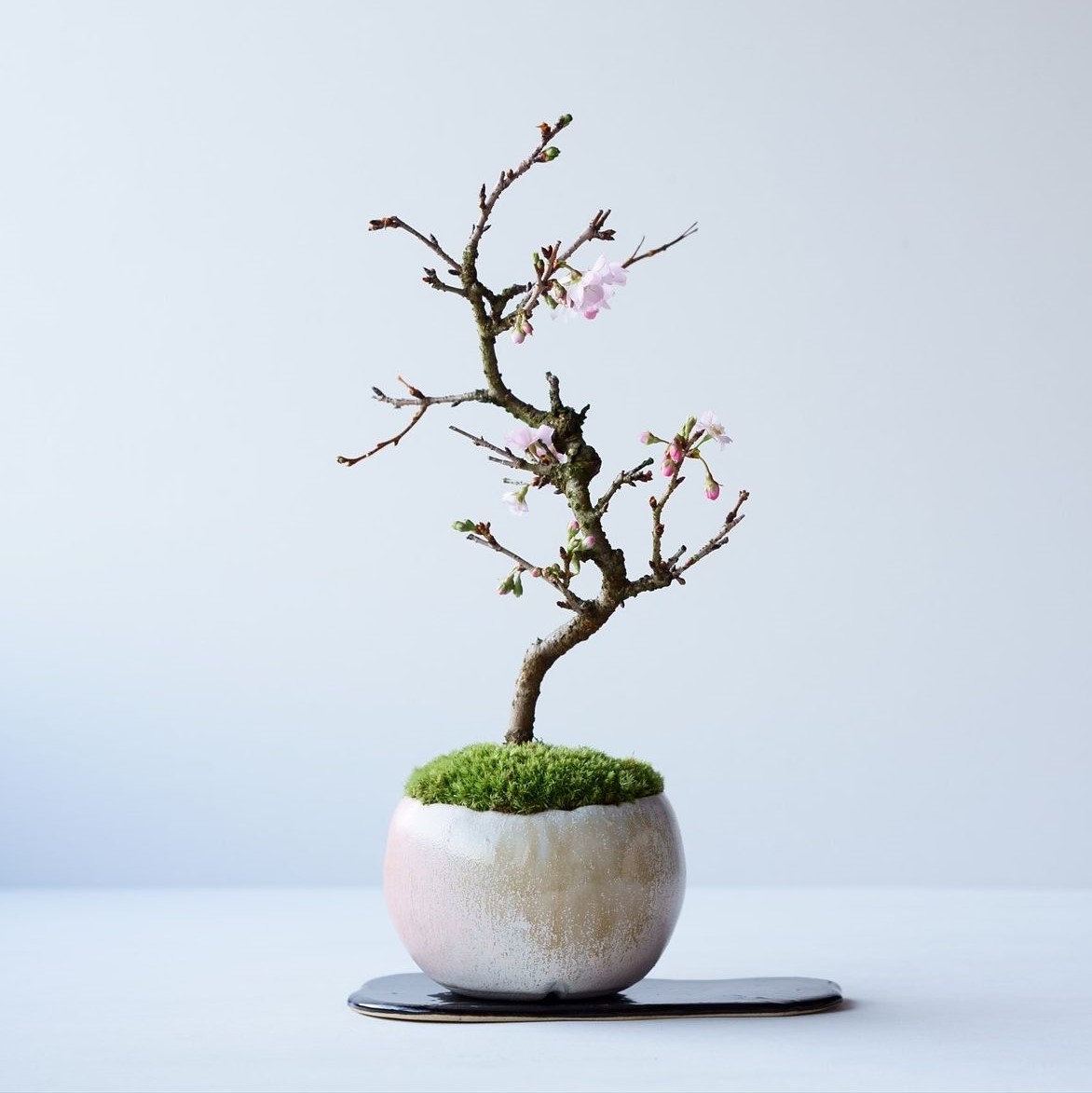 十月桜
-
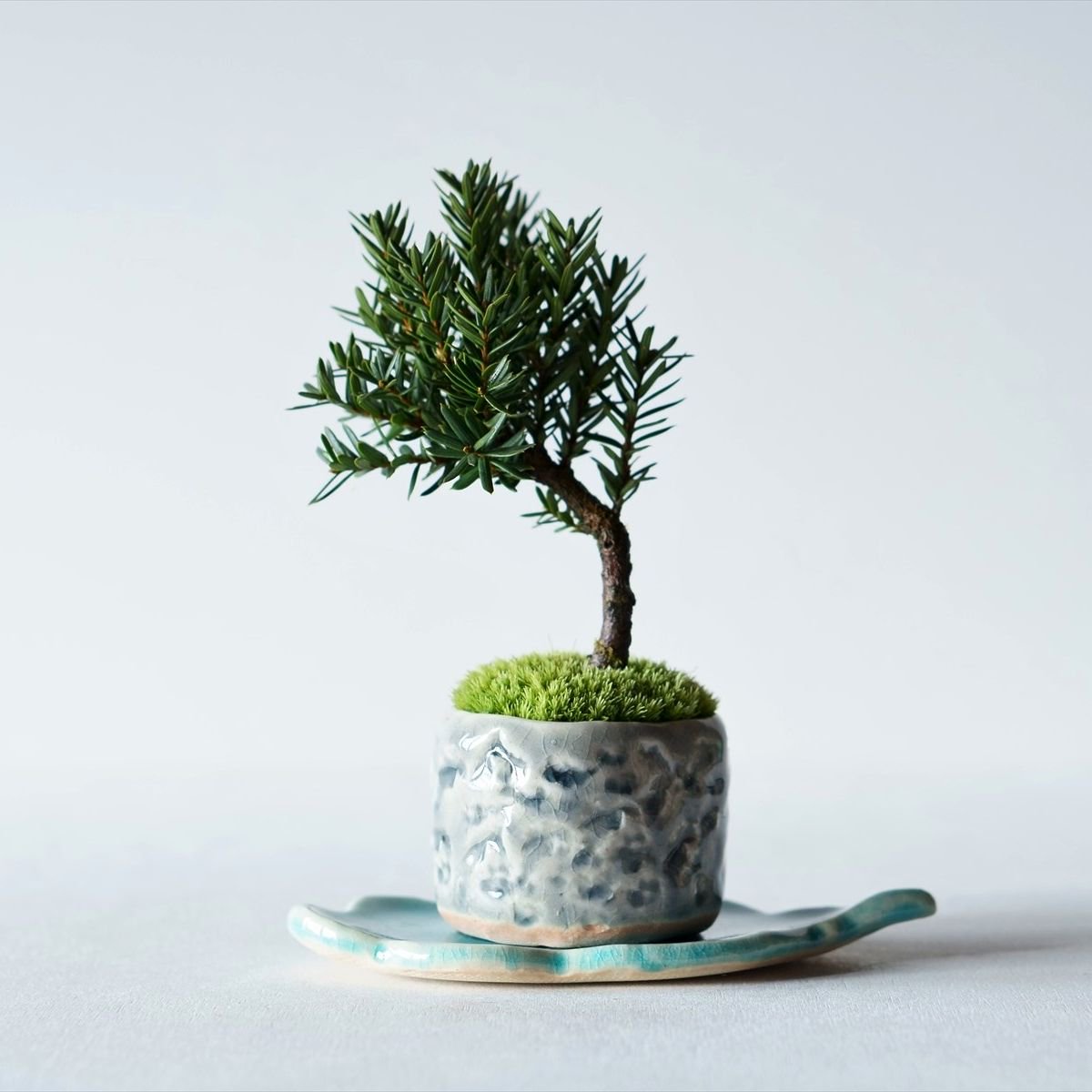 キャラボク
-
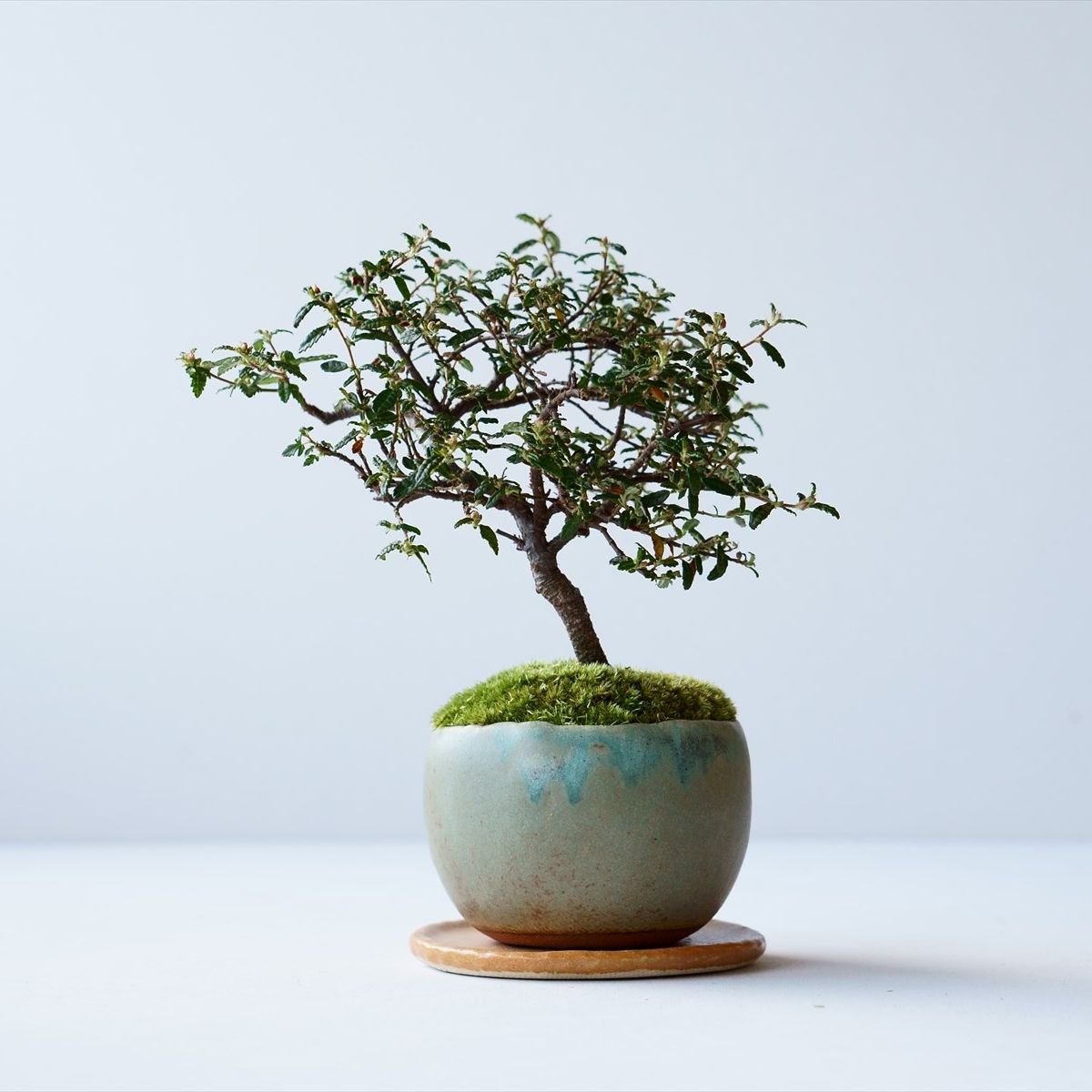 天皇梅
-
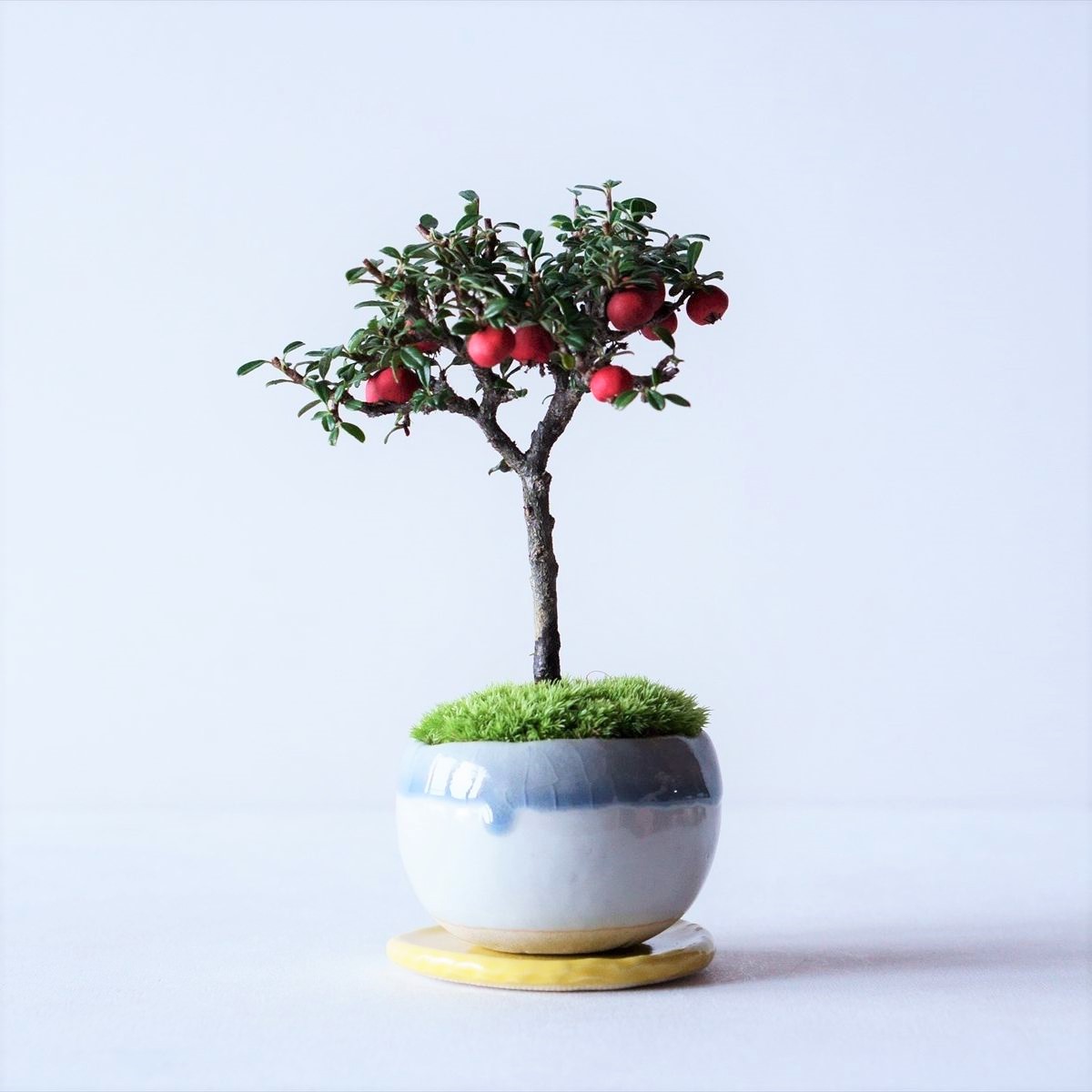 シロシタン
-
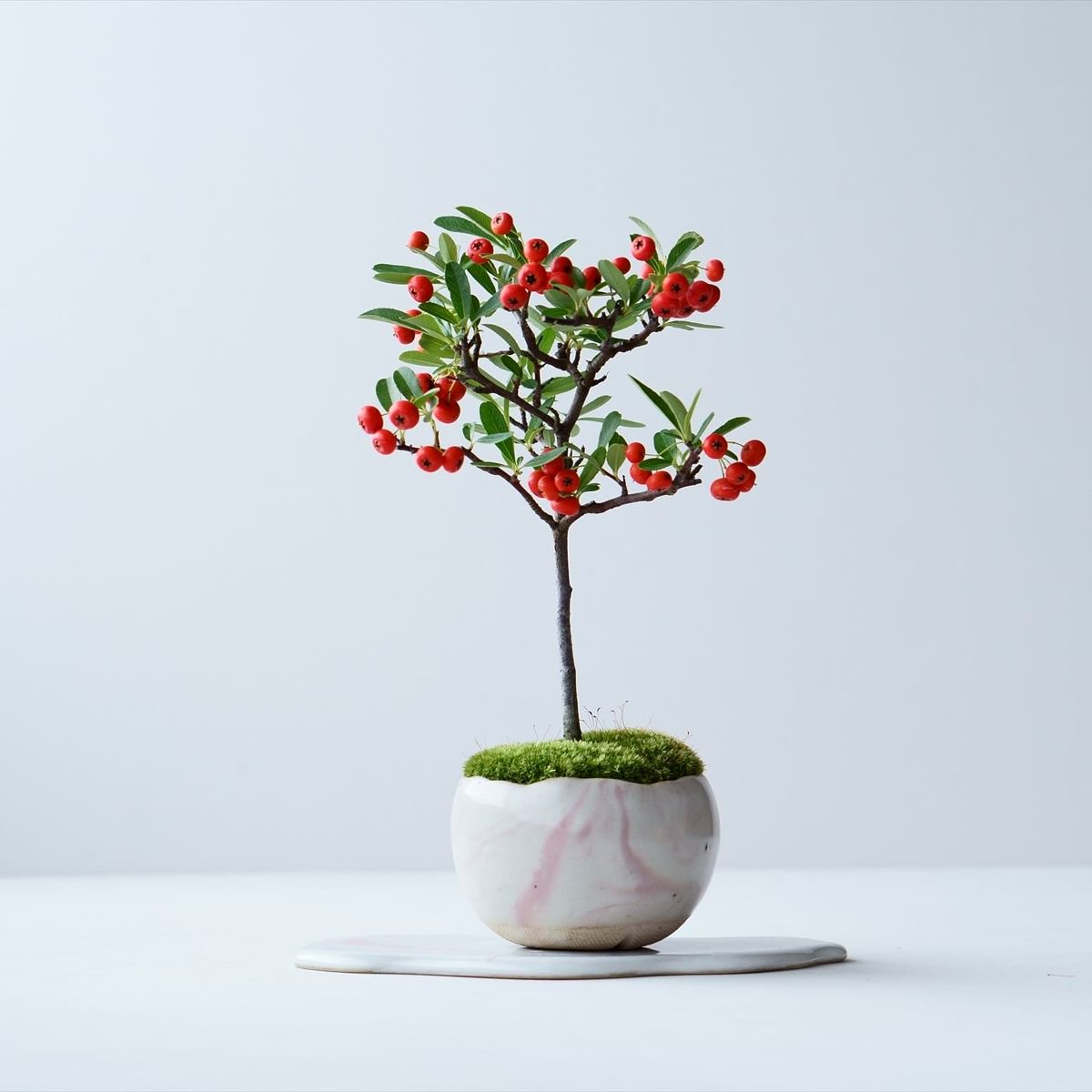 トキワサンザシ
-
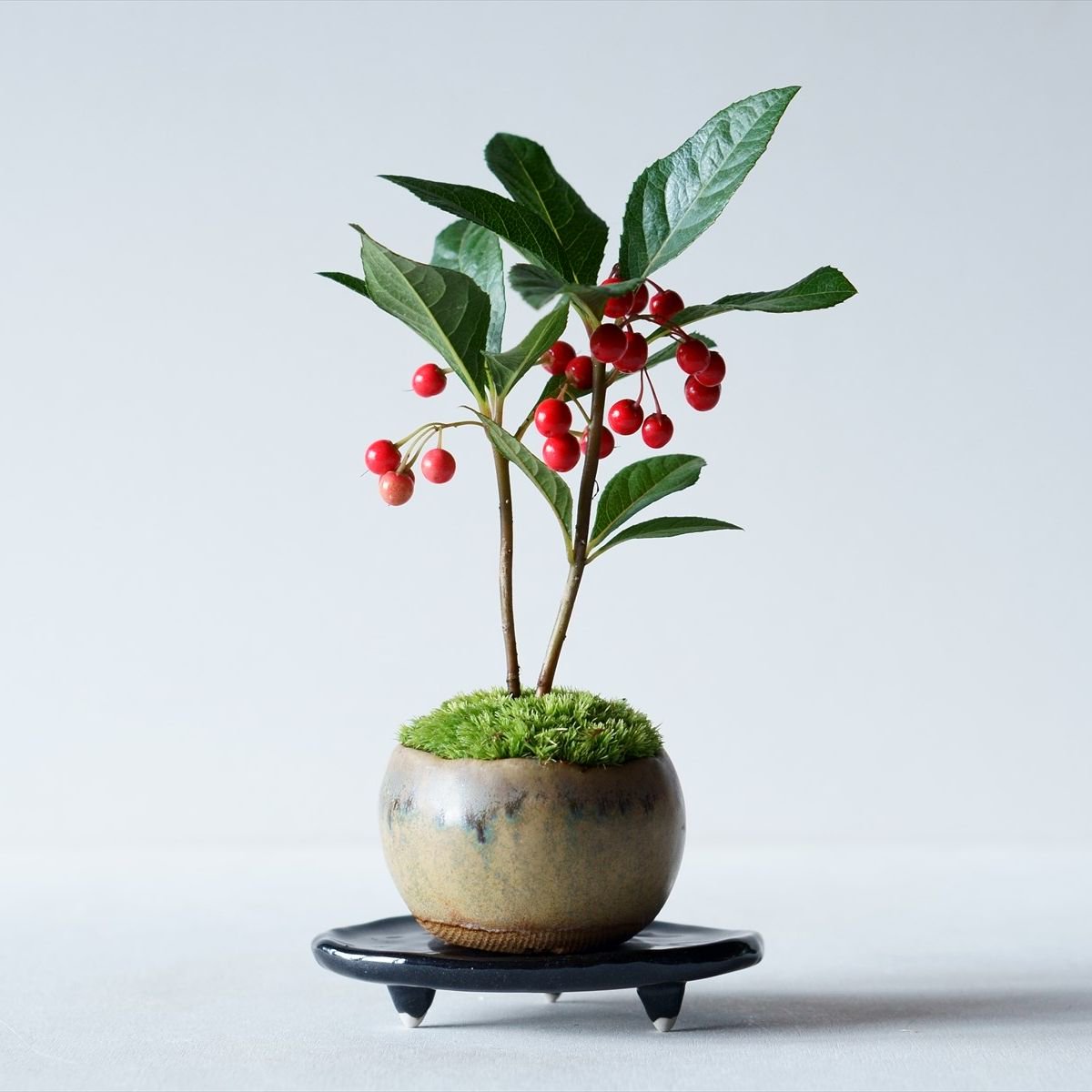 ヤブコウジ
-
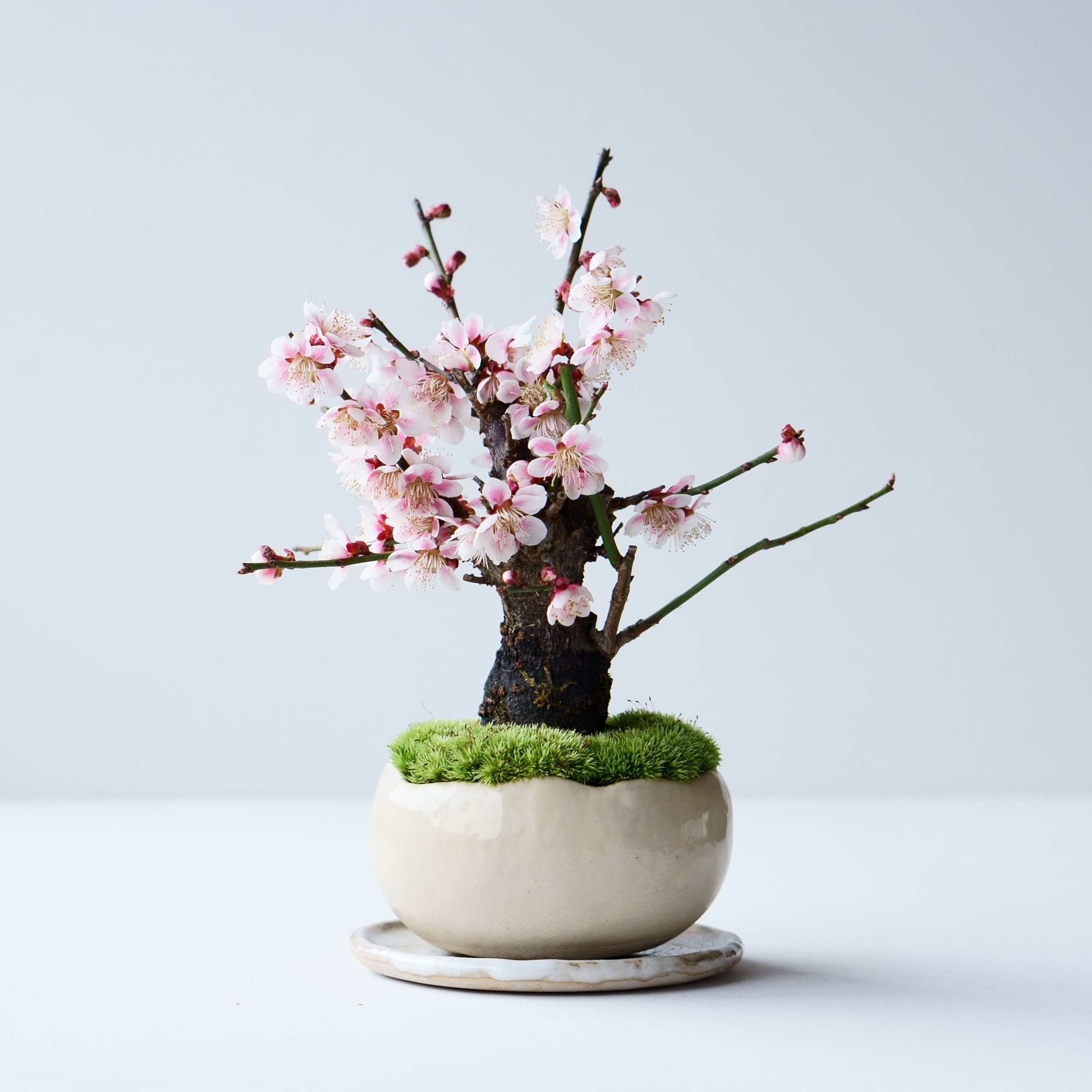 梅
-
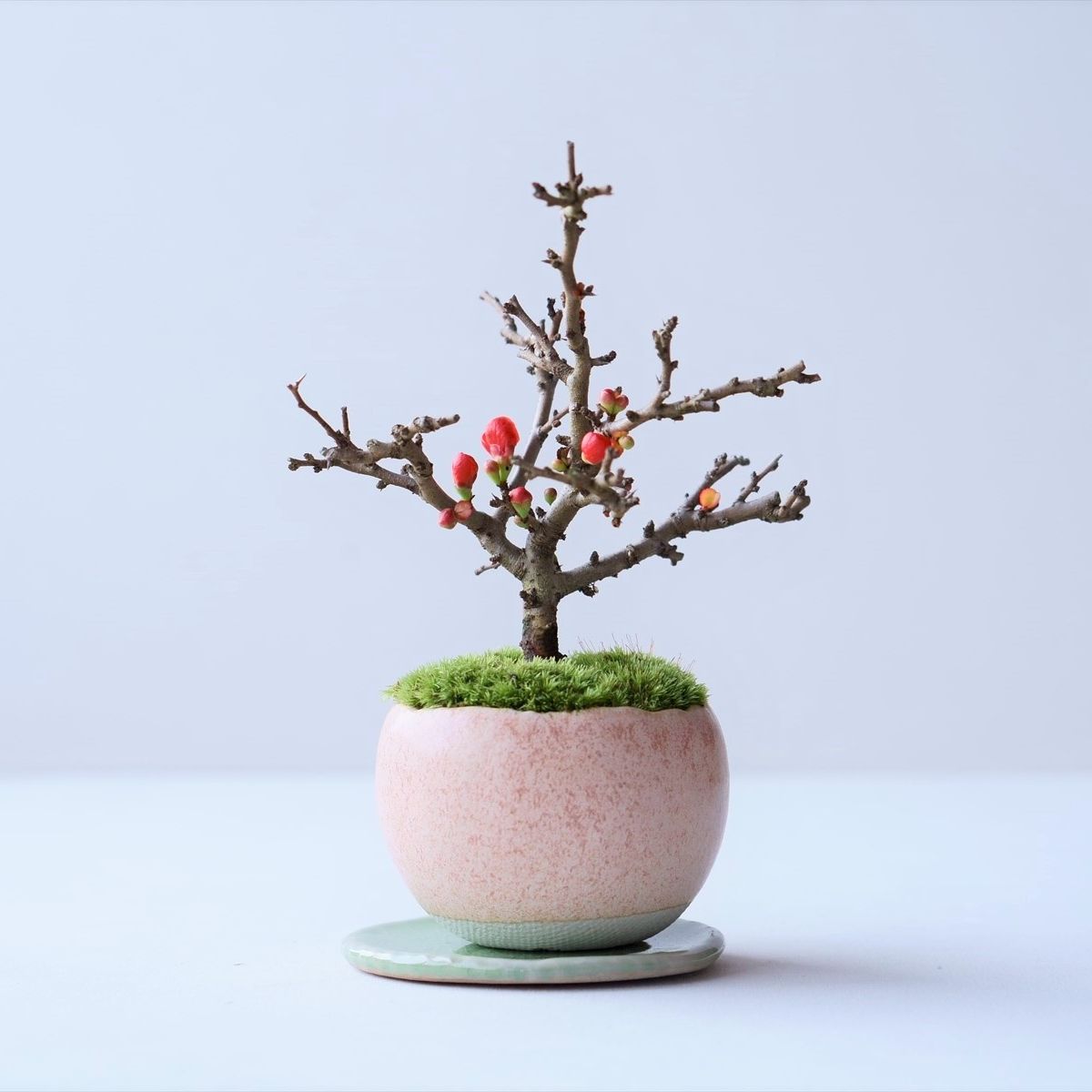 長寿梅
-
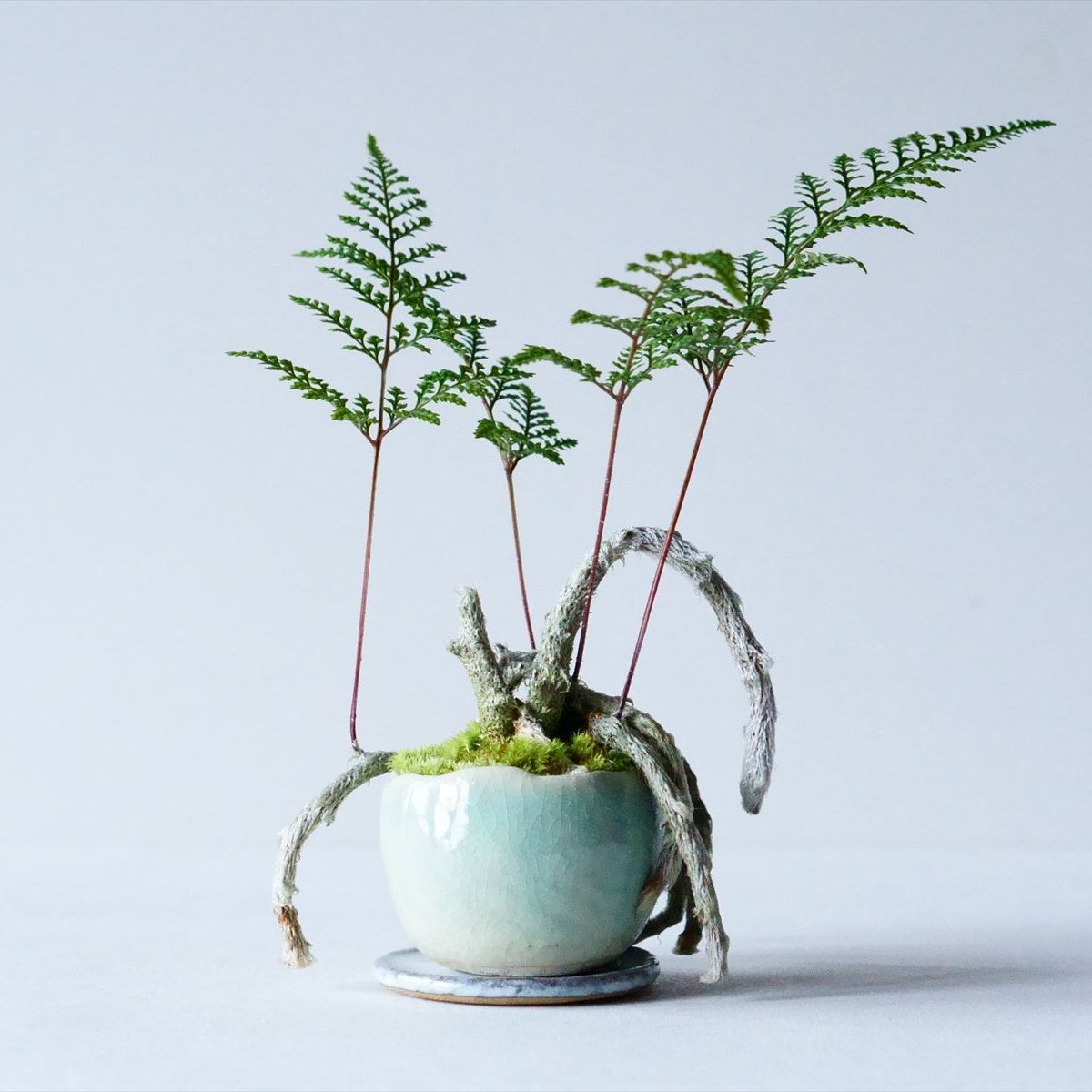 トキワシノブ
-
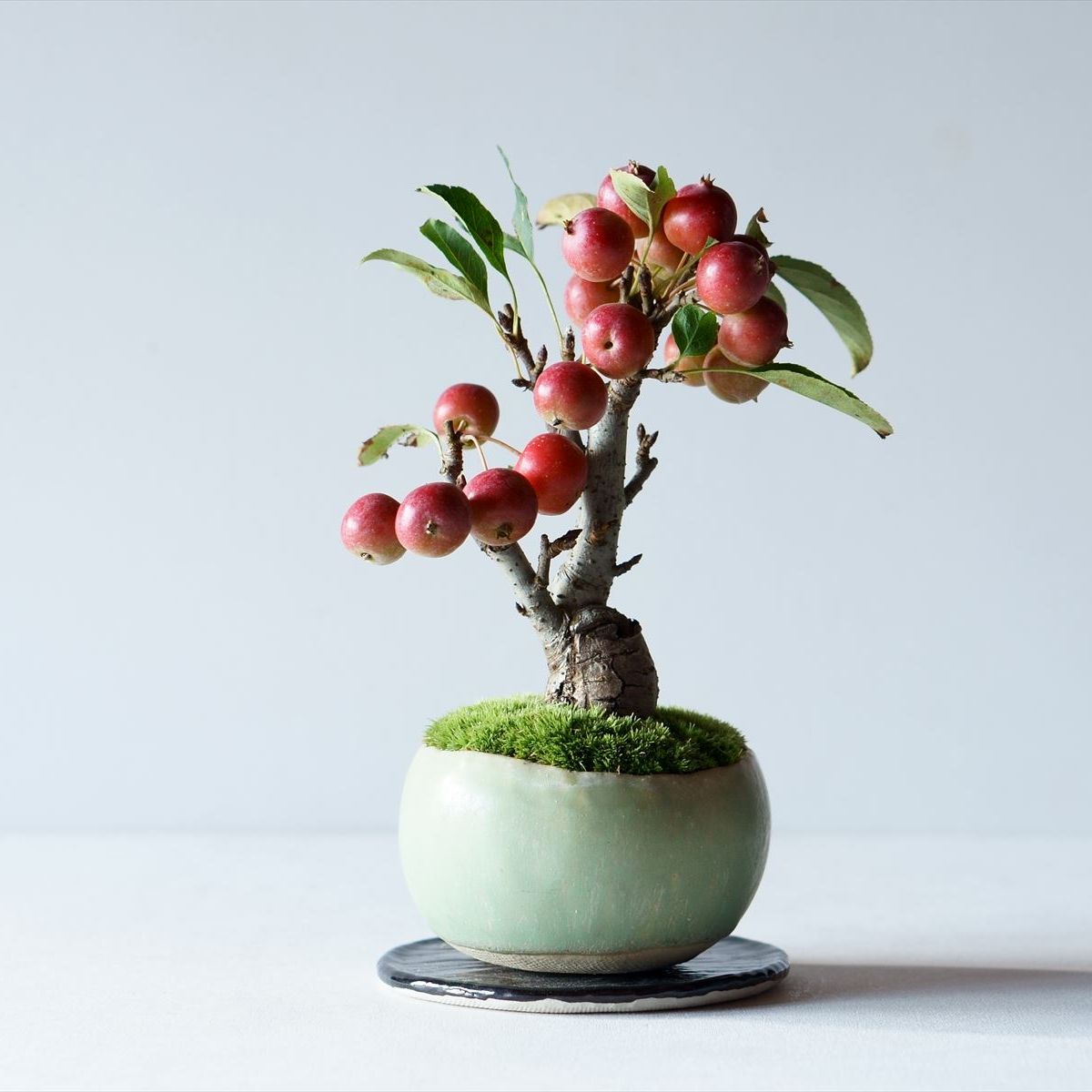 姫リンゴ
-
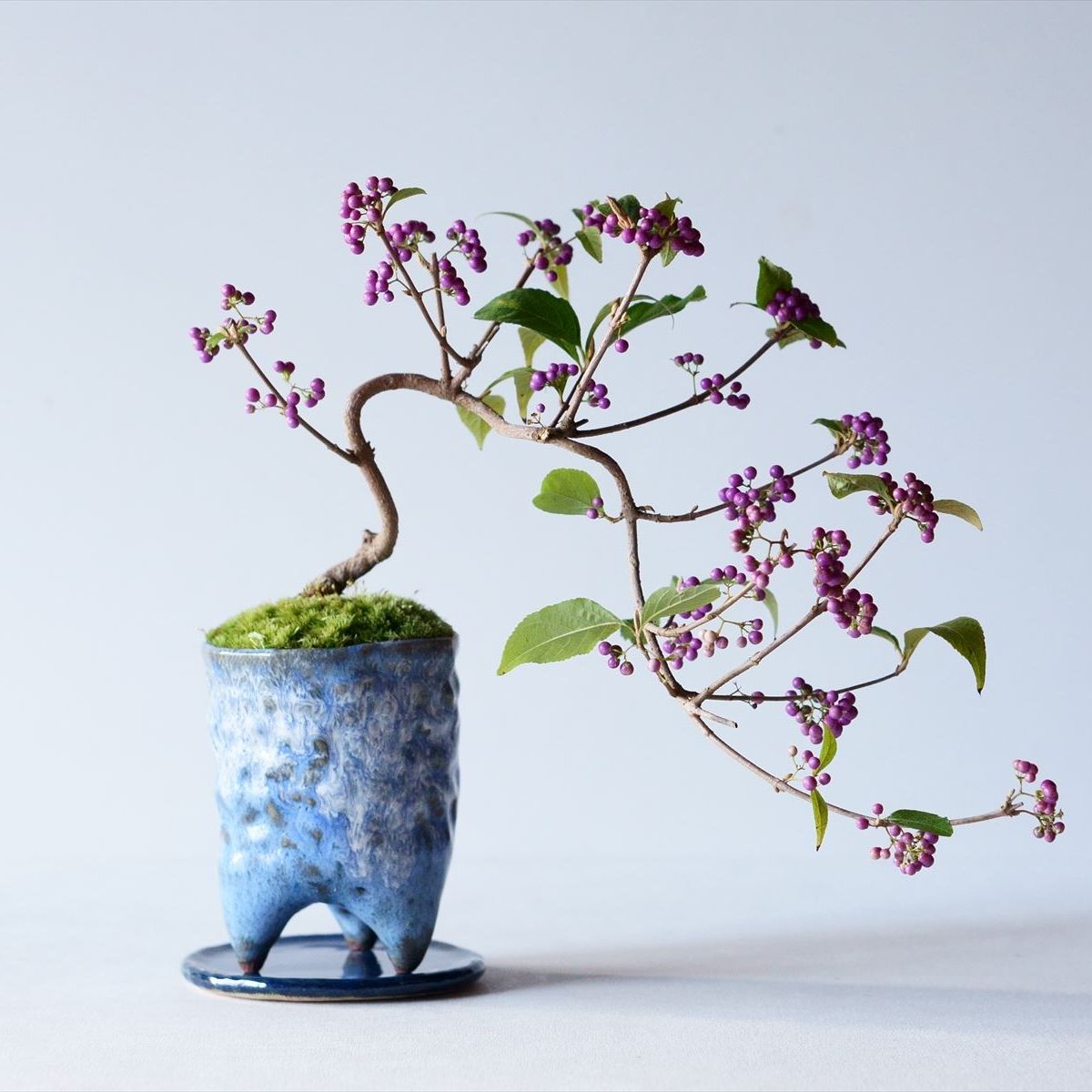 コムラサキ
-
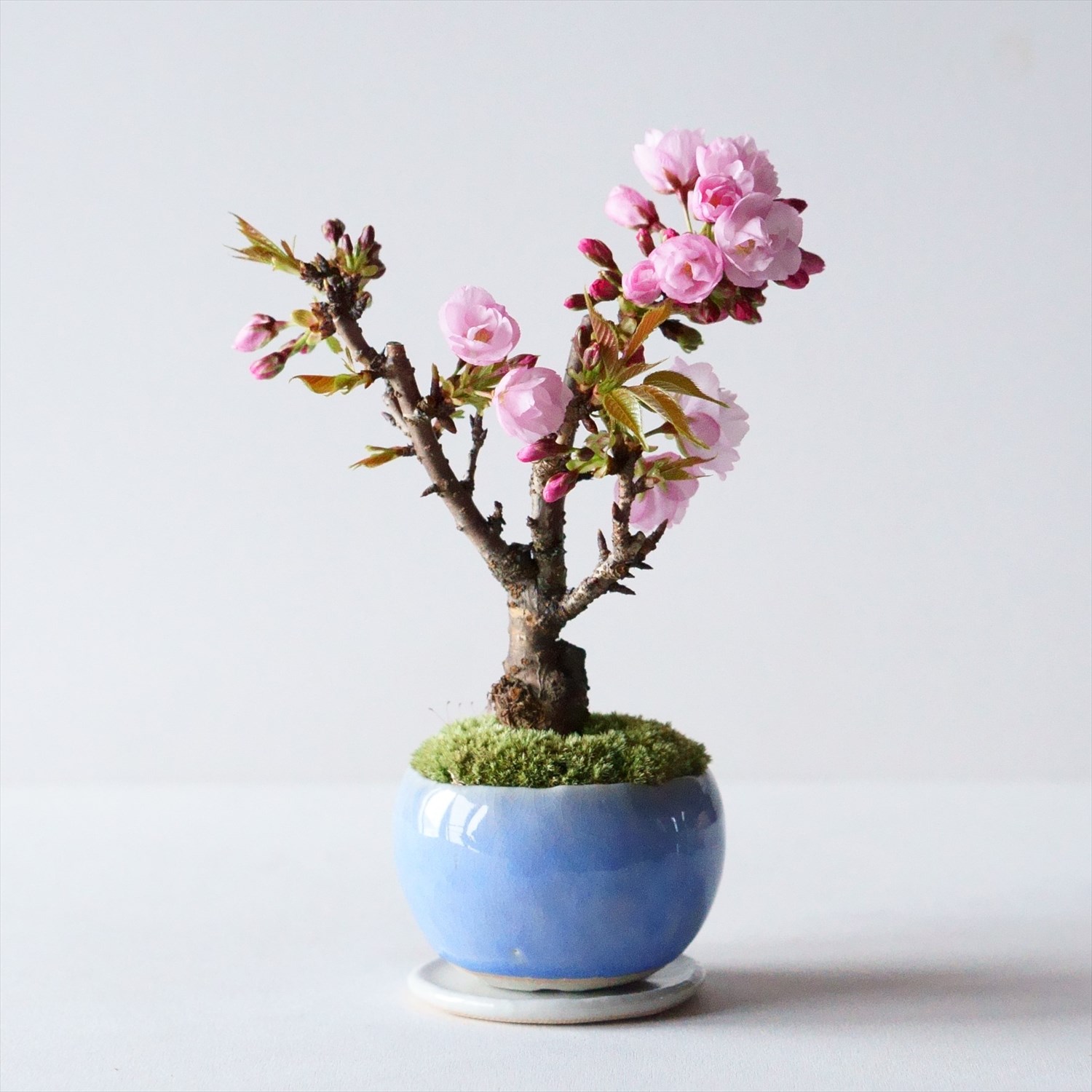 旭山桜
-
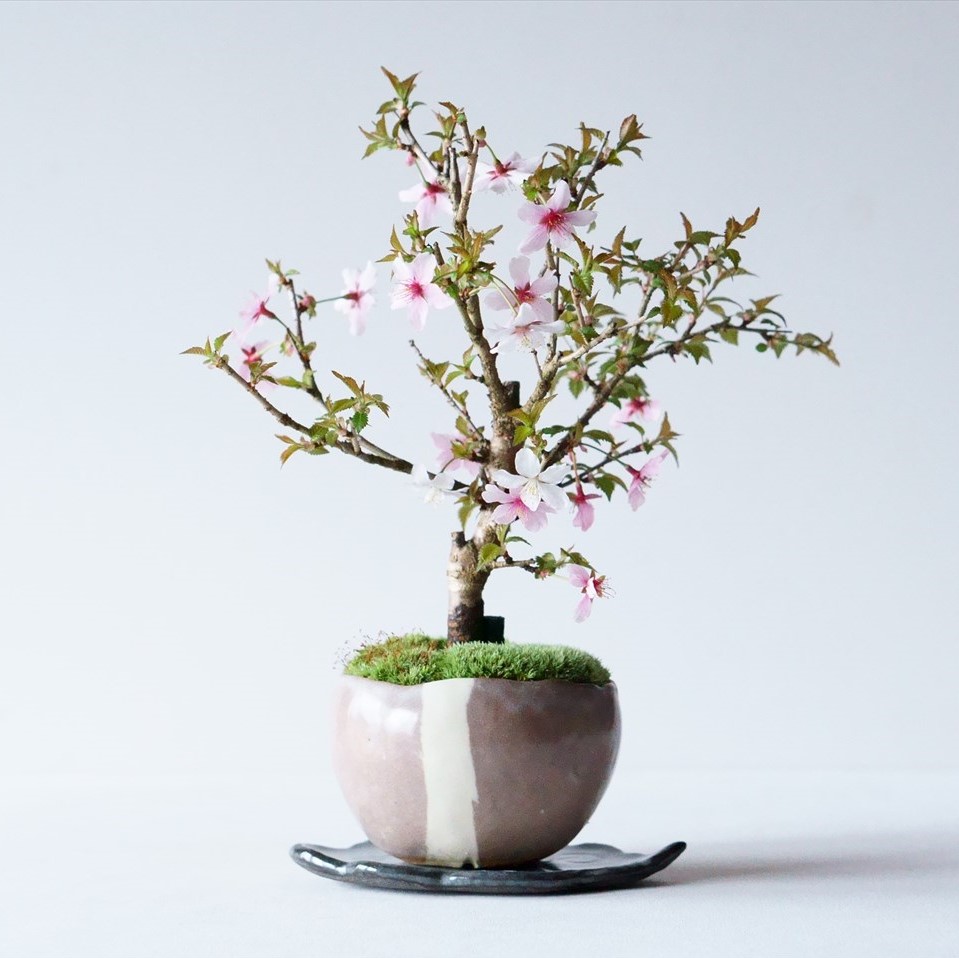 富士桜
-
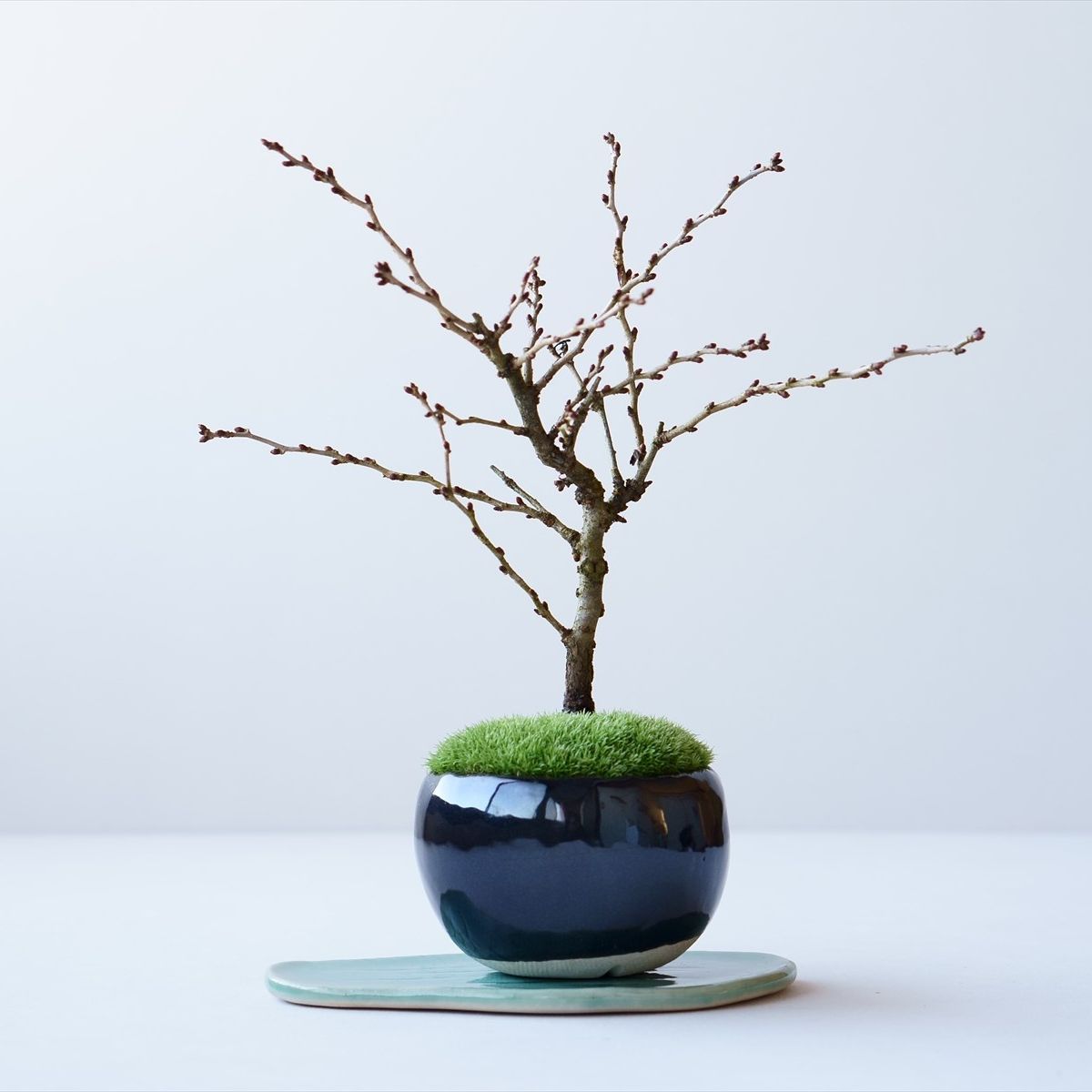 雲竜富士桜
-
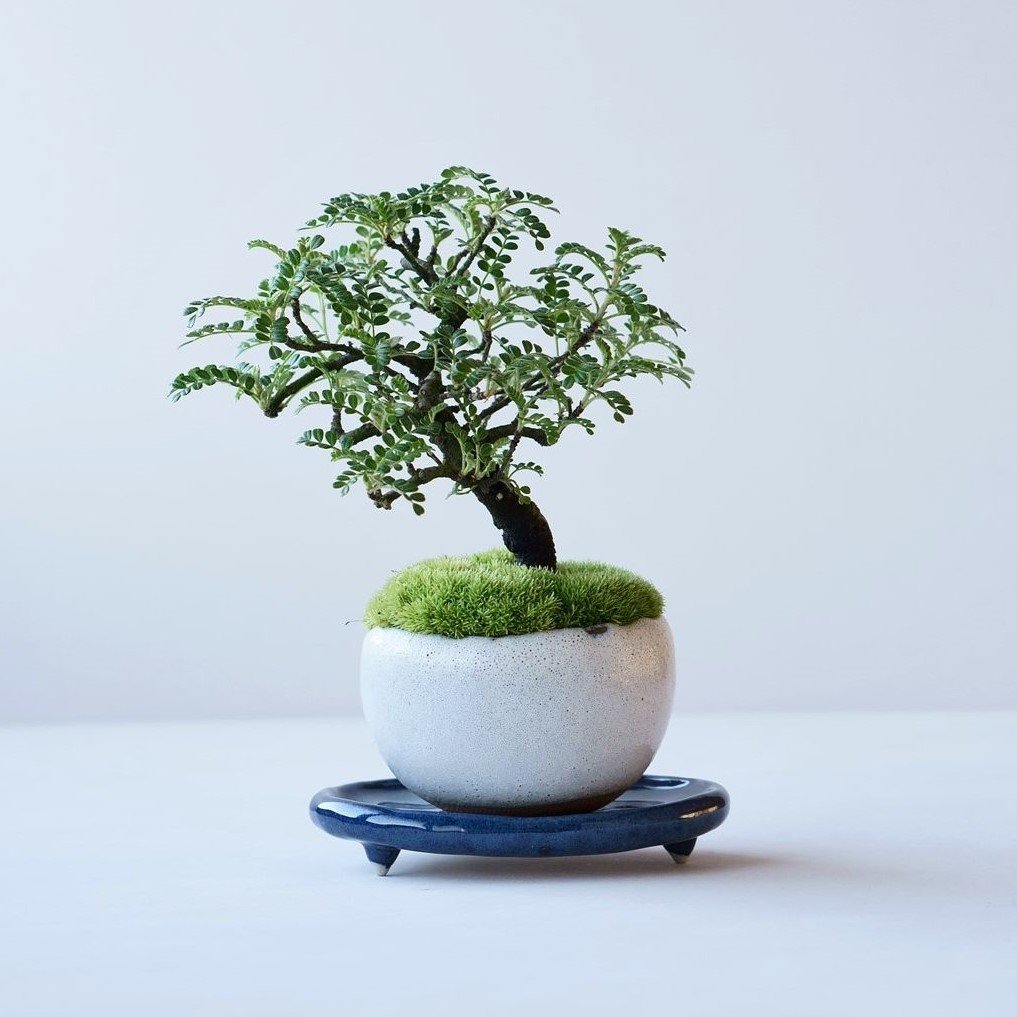 イソザンショウ
-
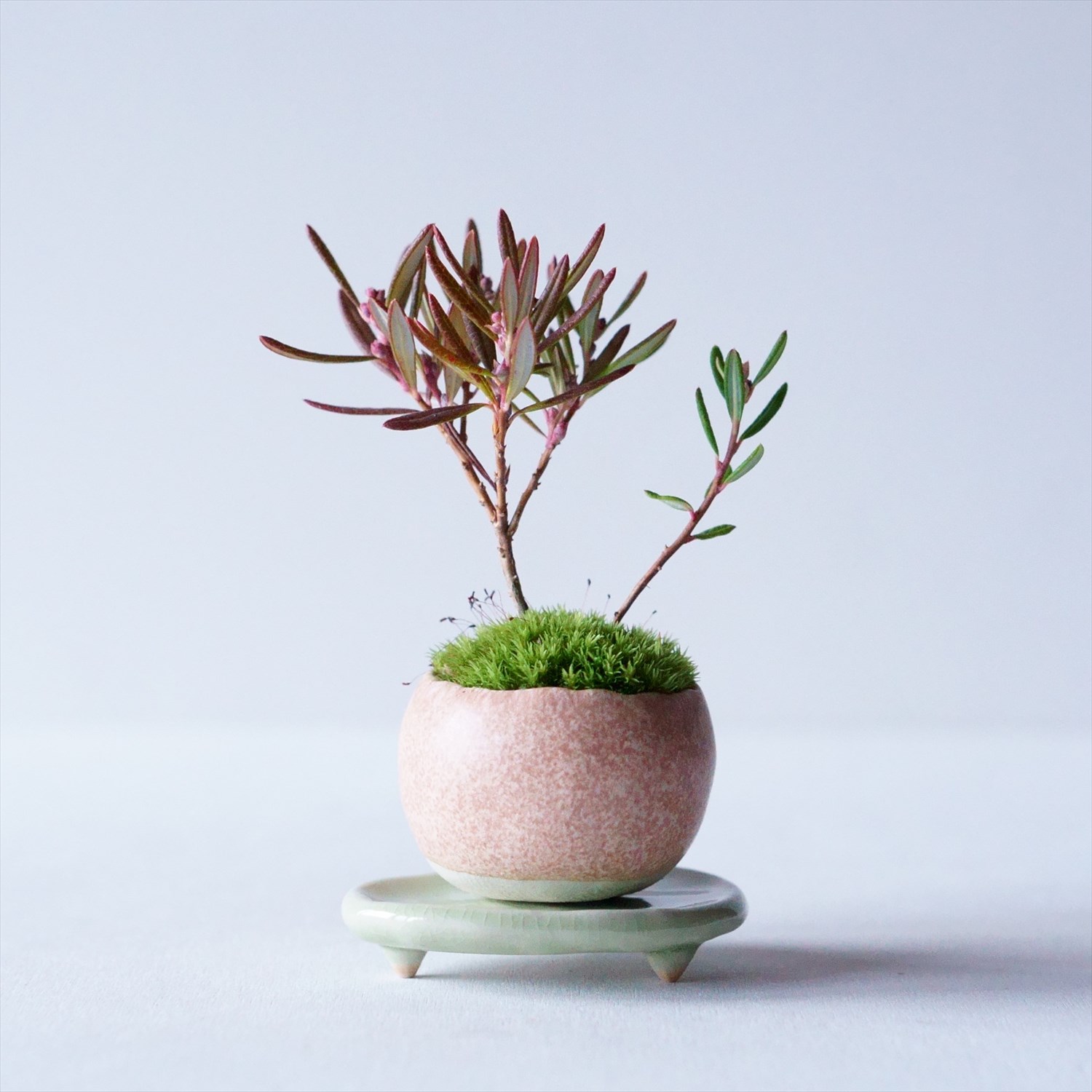 姫シャクナゲ
-
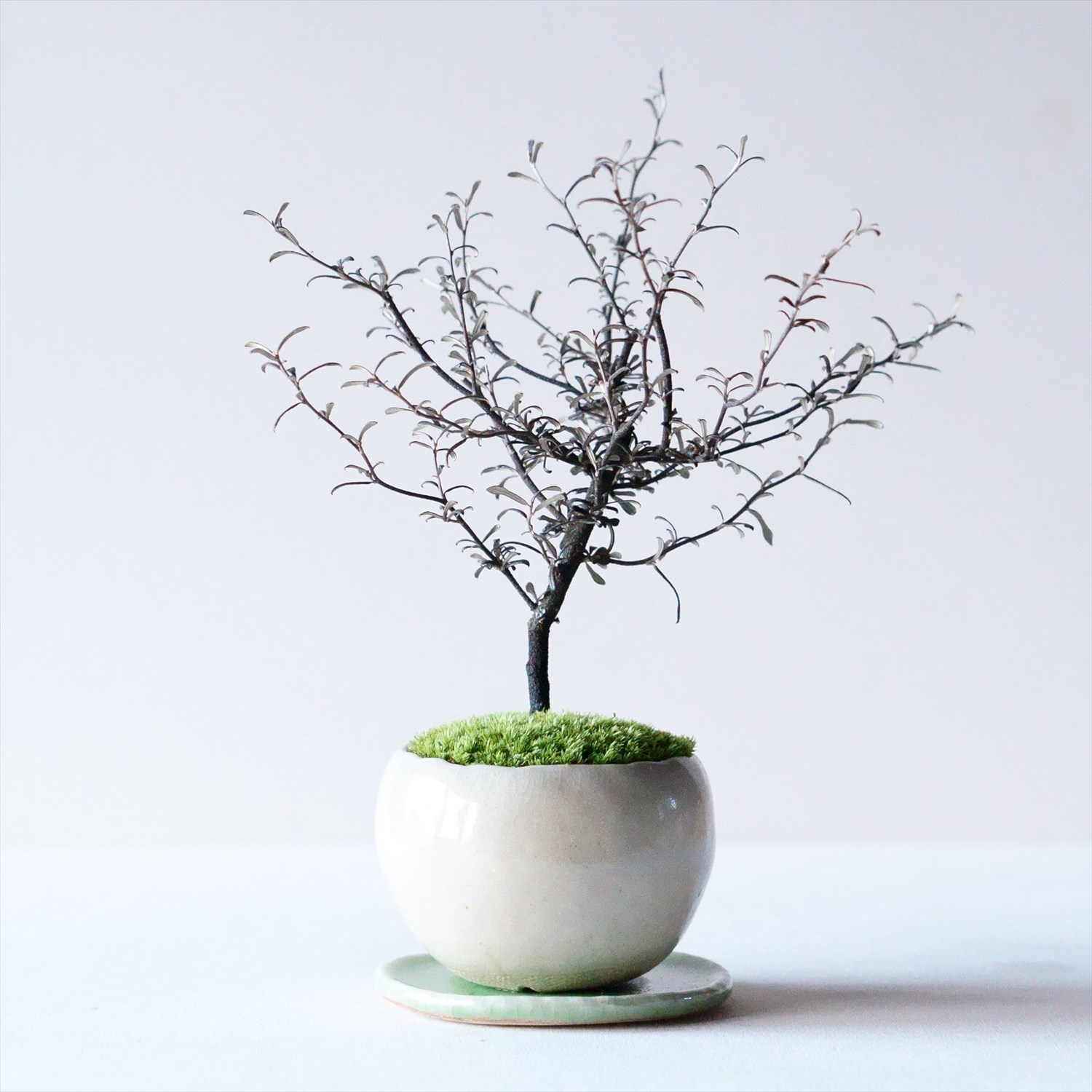 コロキア
-
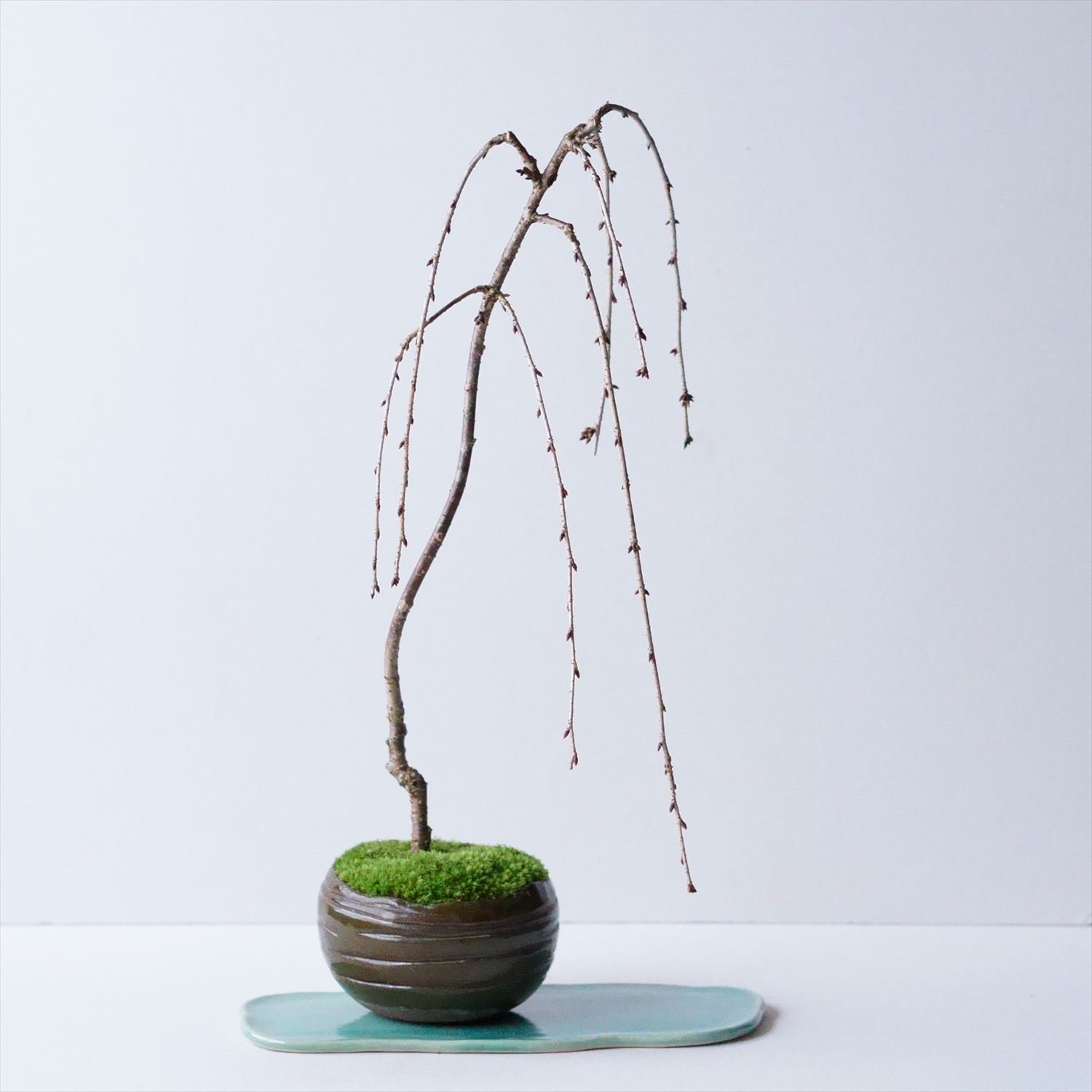 しだれ桜
-
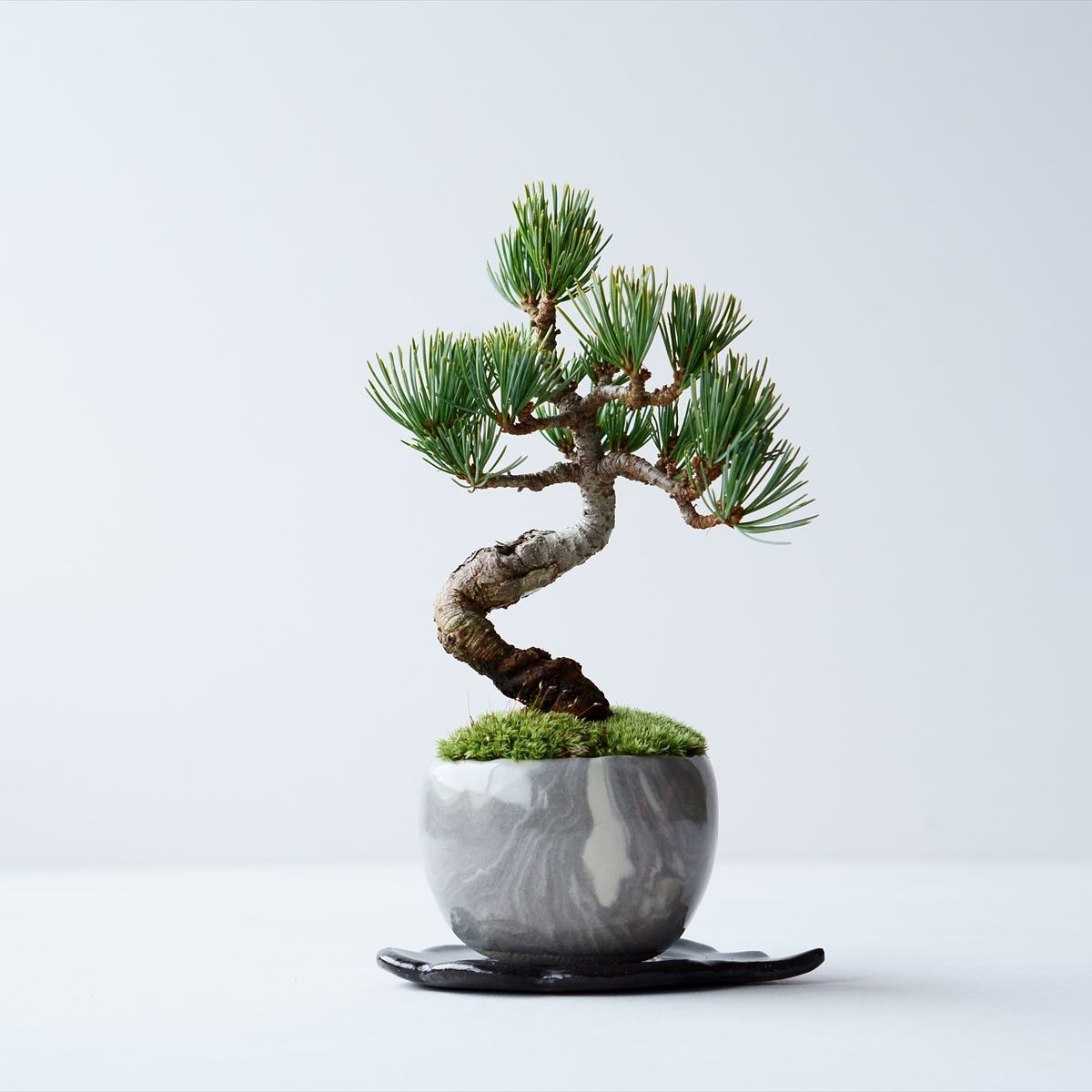 ゴヨウマツ
-
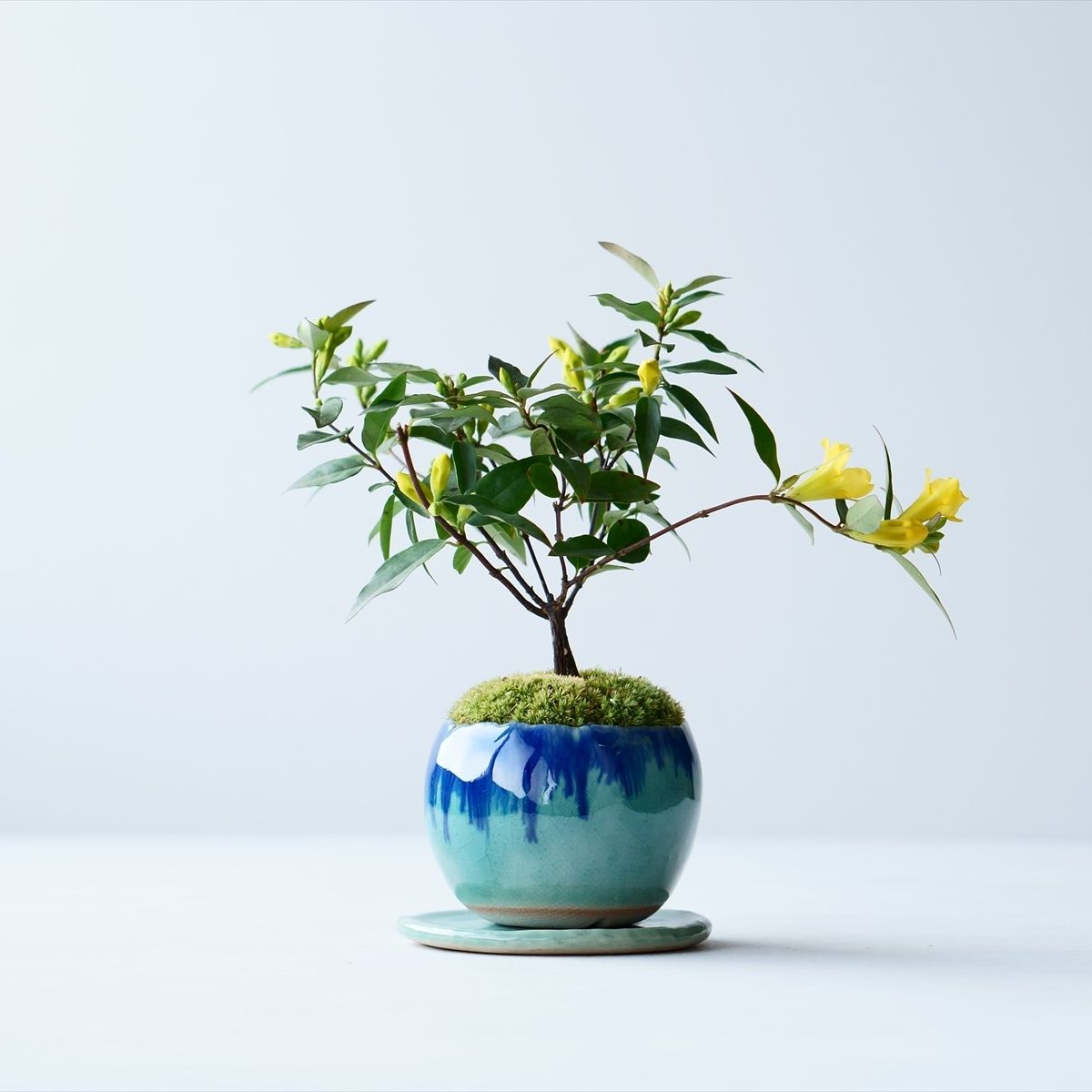 キバナジャスミン
-
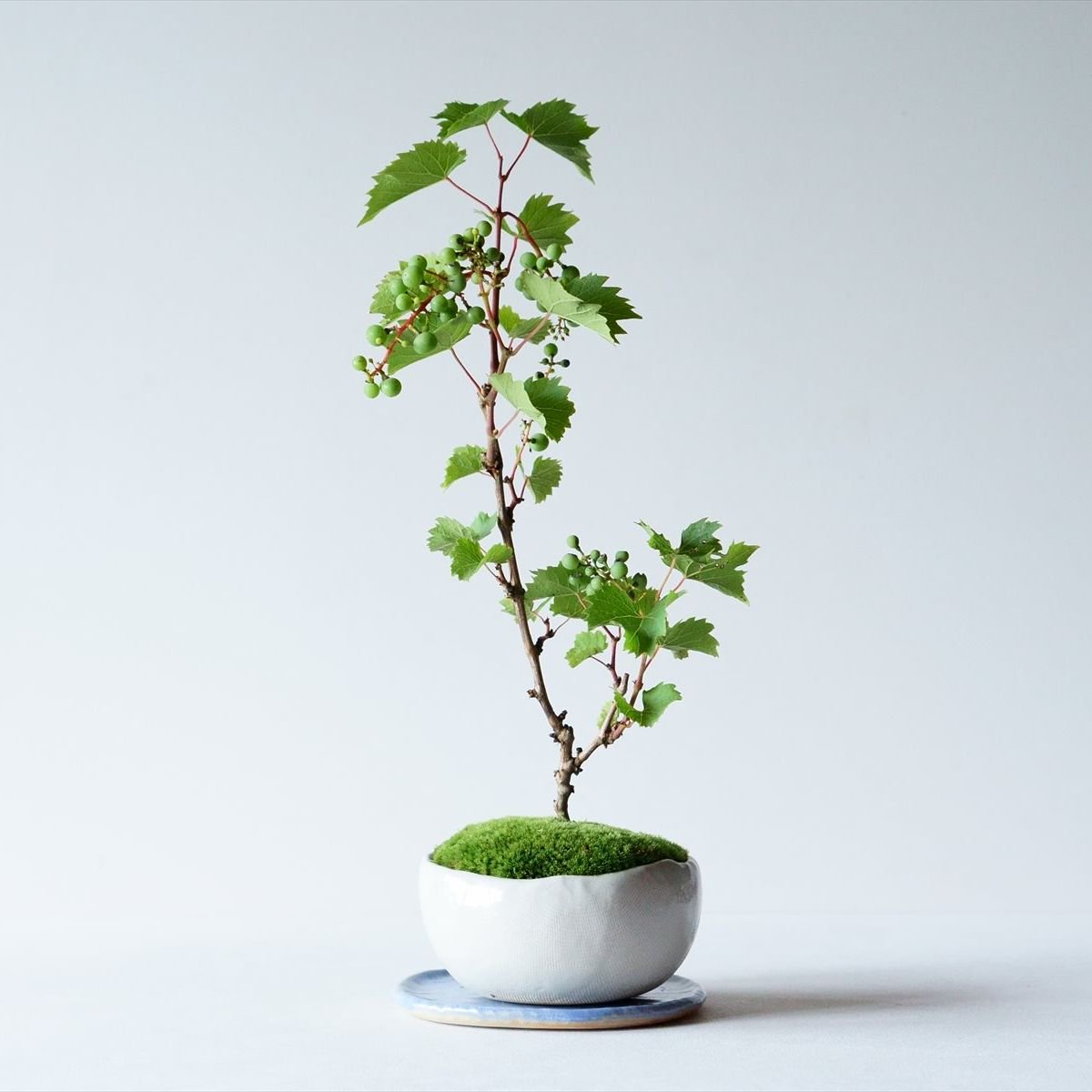 山ブドウ
-
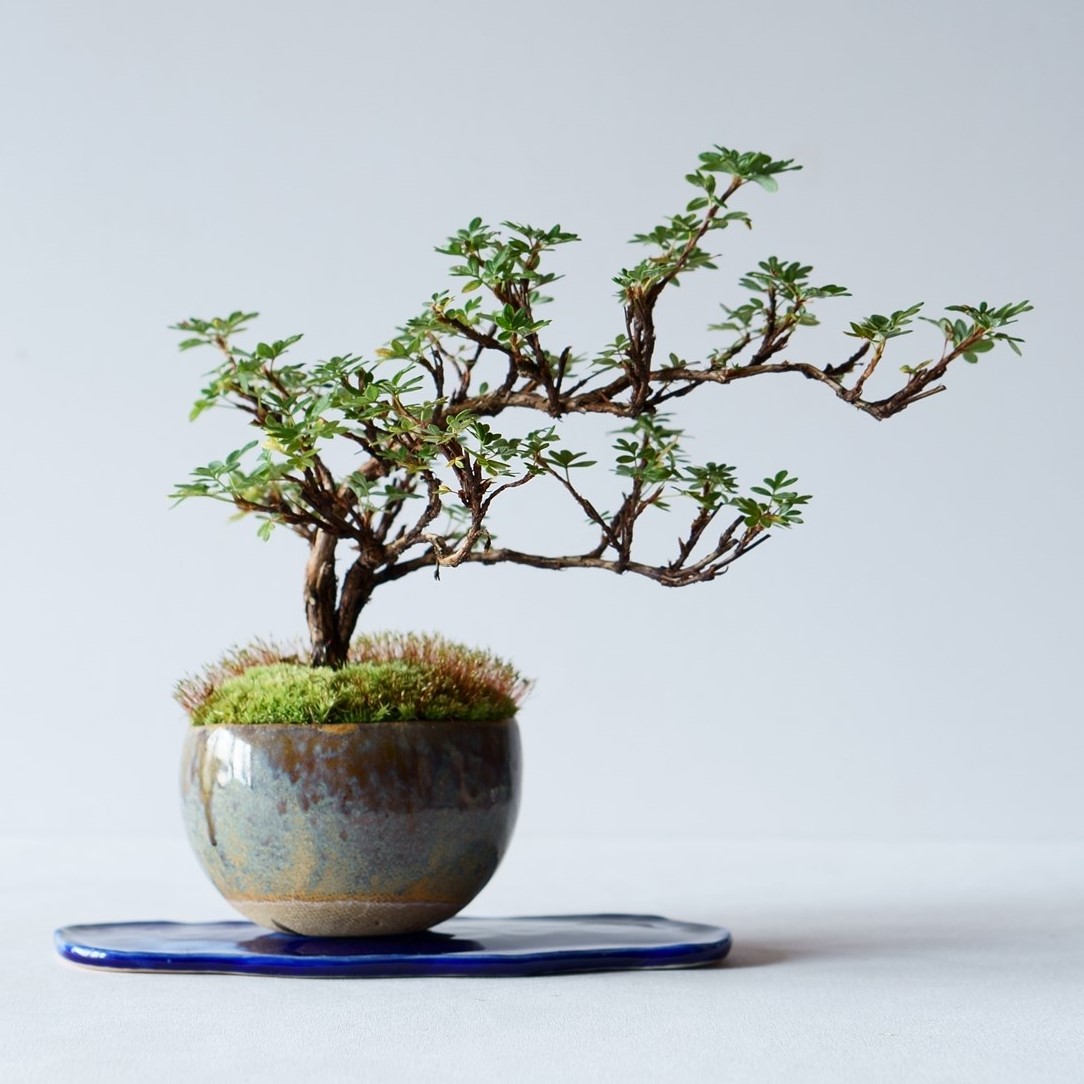 キンロバイ
-
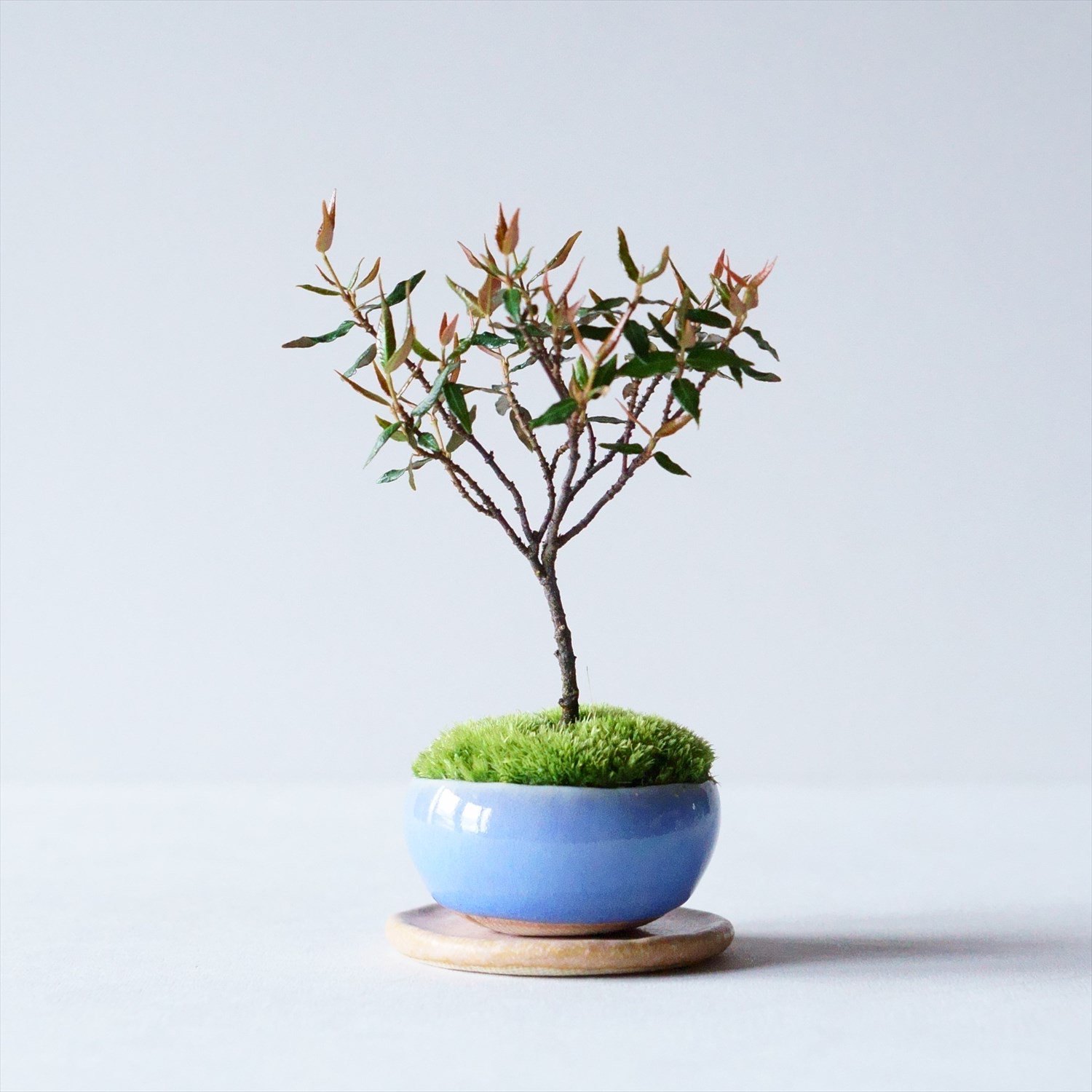 チリメンカズラ
-
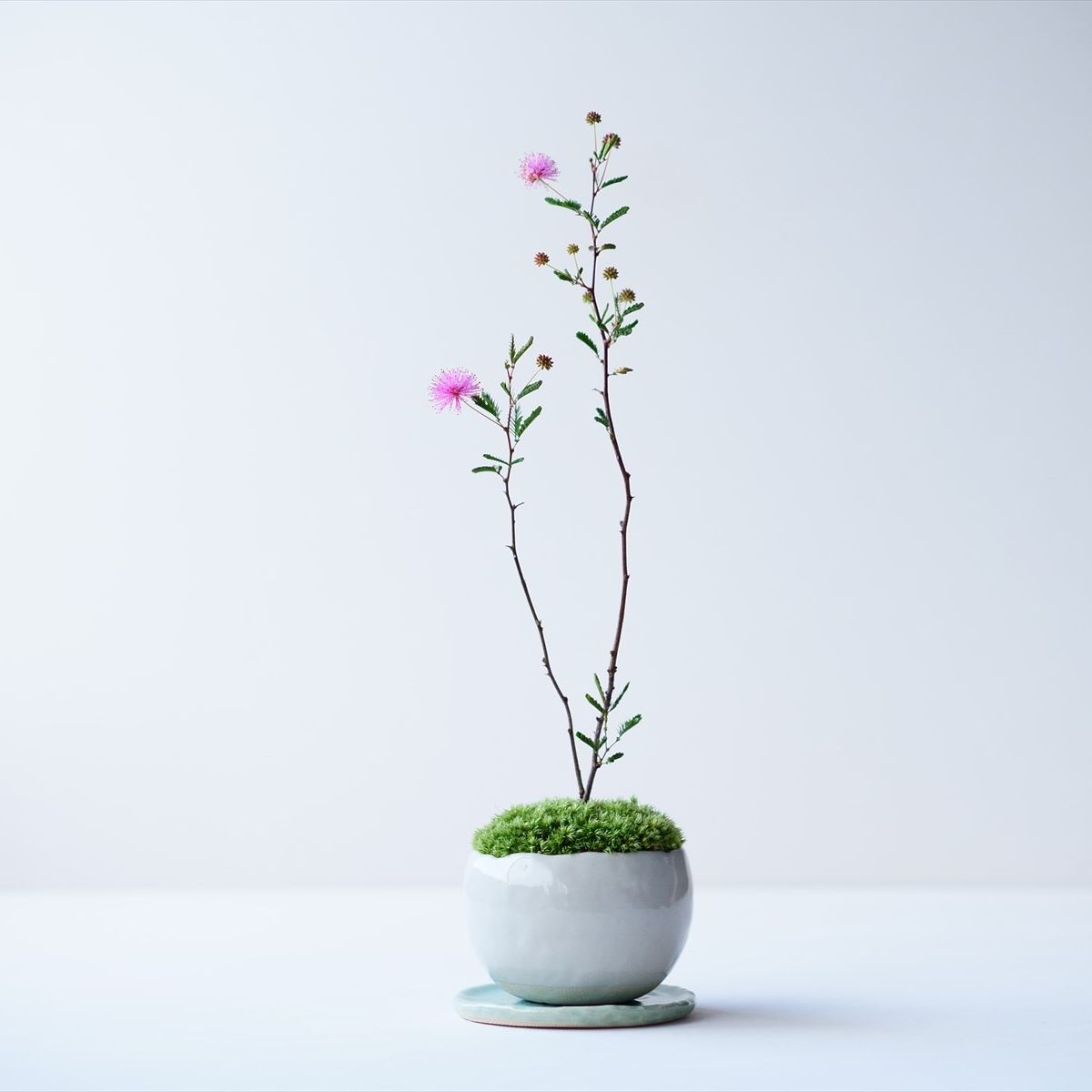 姫ネムノキ
-
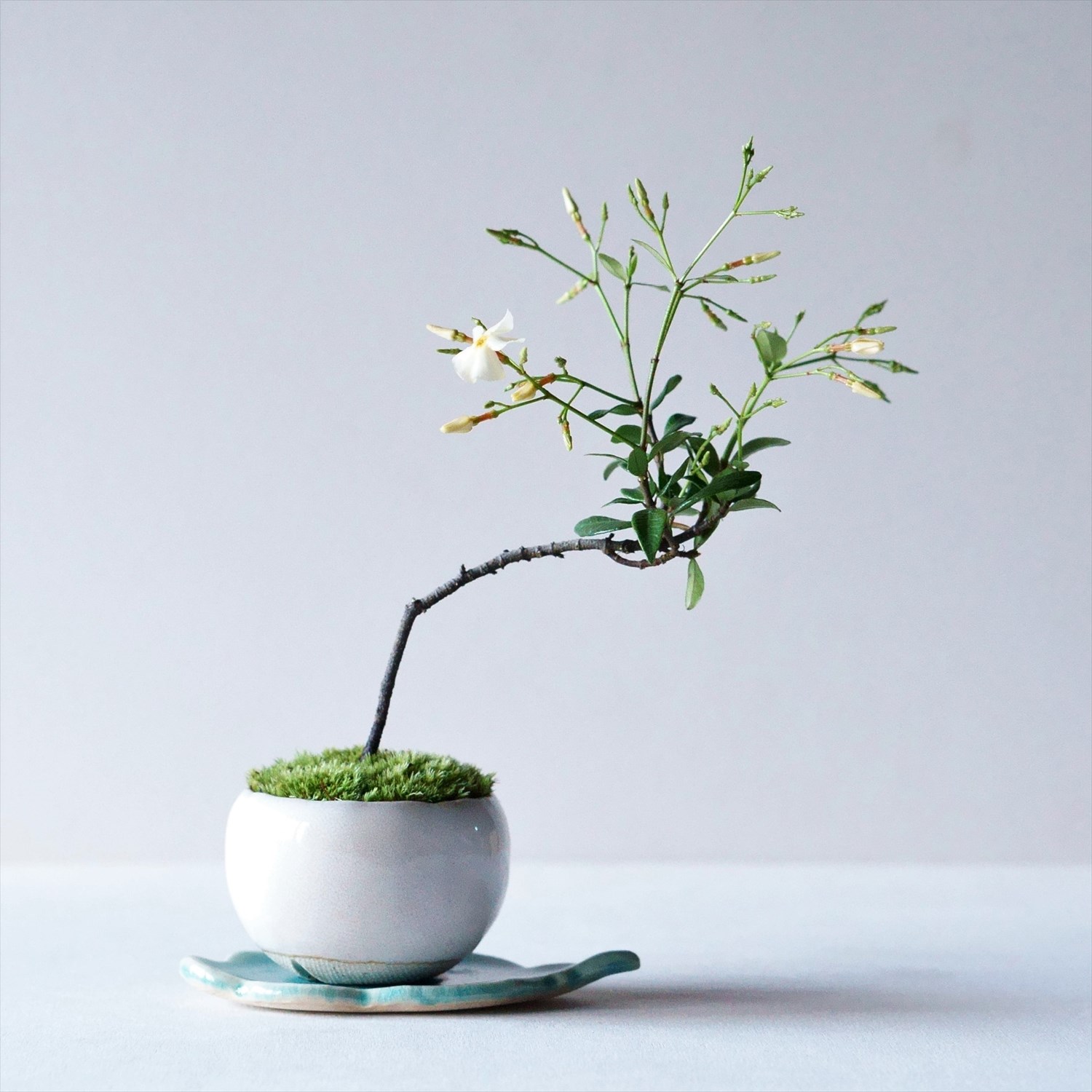 テイカカズラ
-
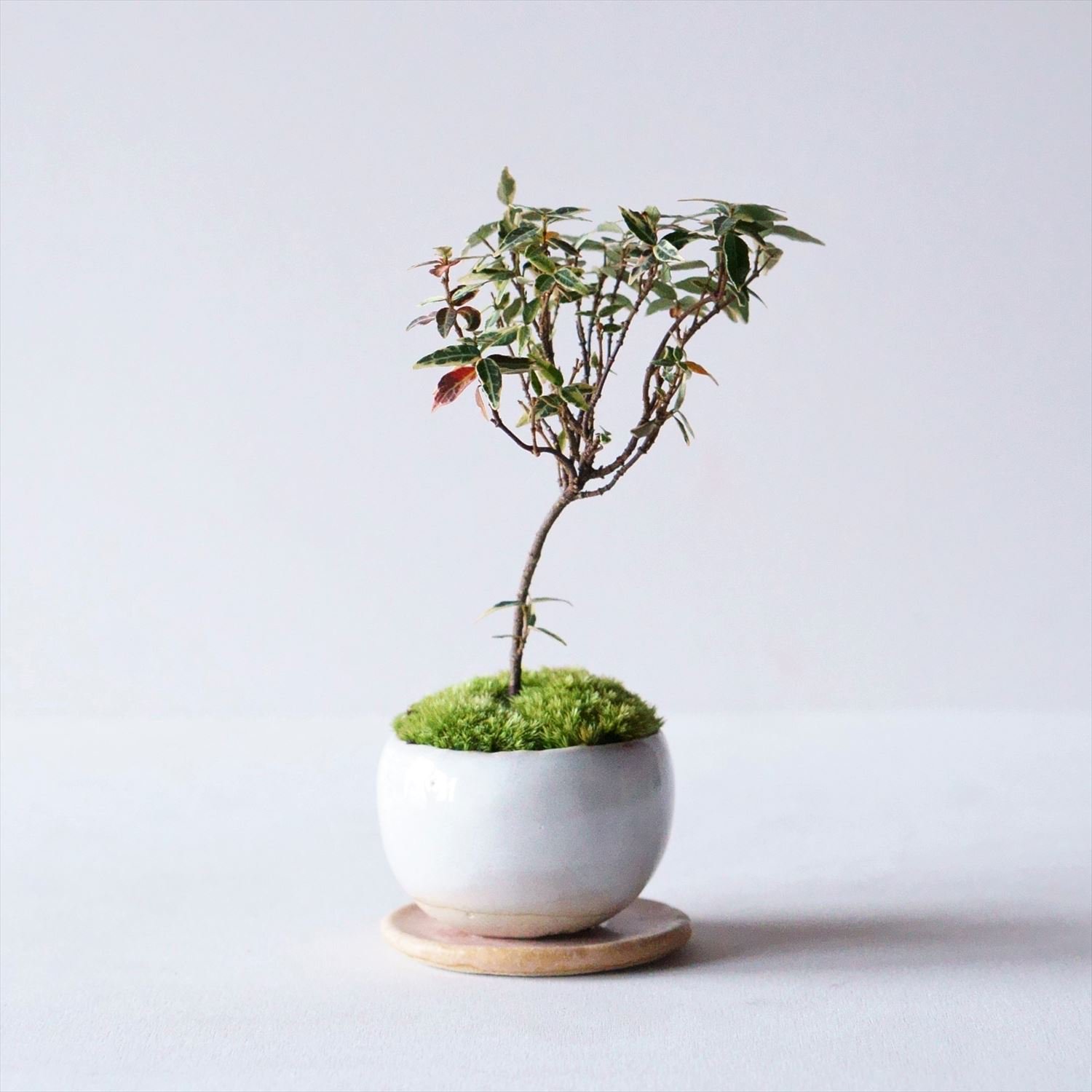 斑入りチリメンカズラ
-
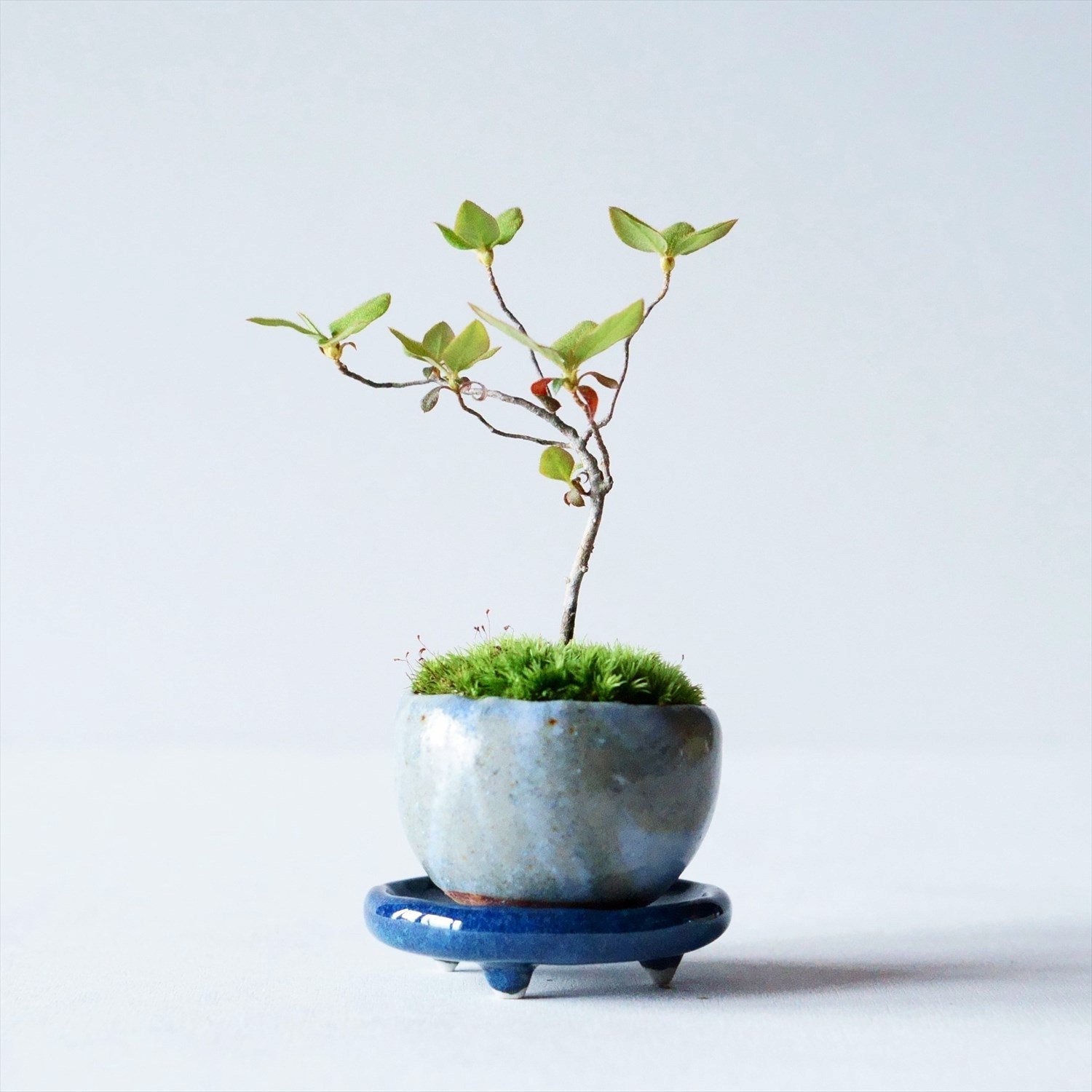 ヤマツツジ
-
 日向ミズキ
-
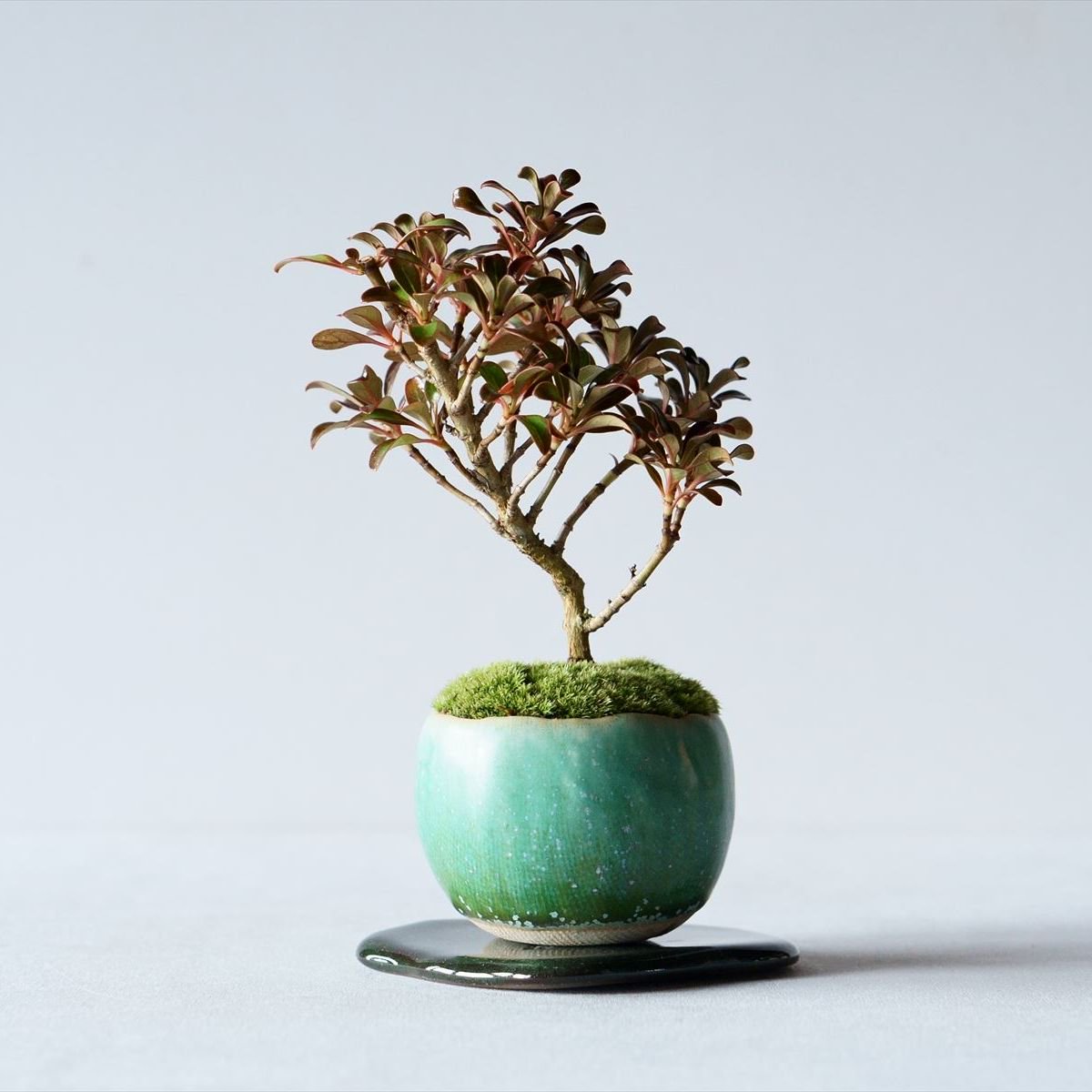 コプロスマ
-
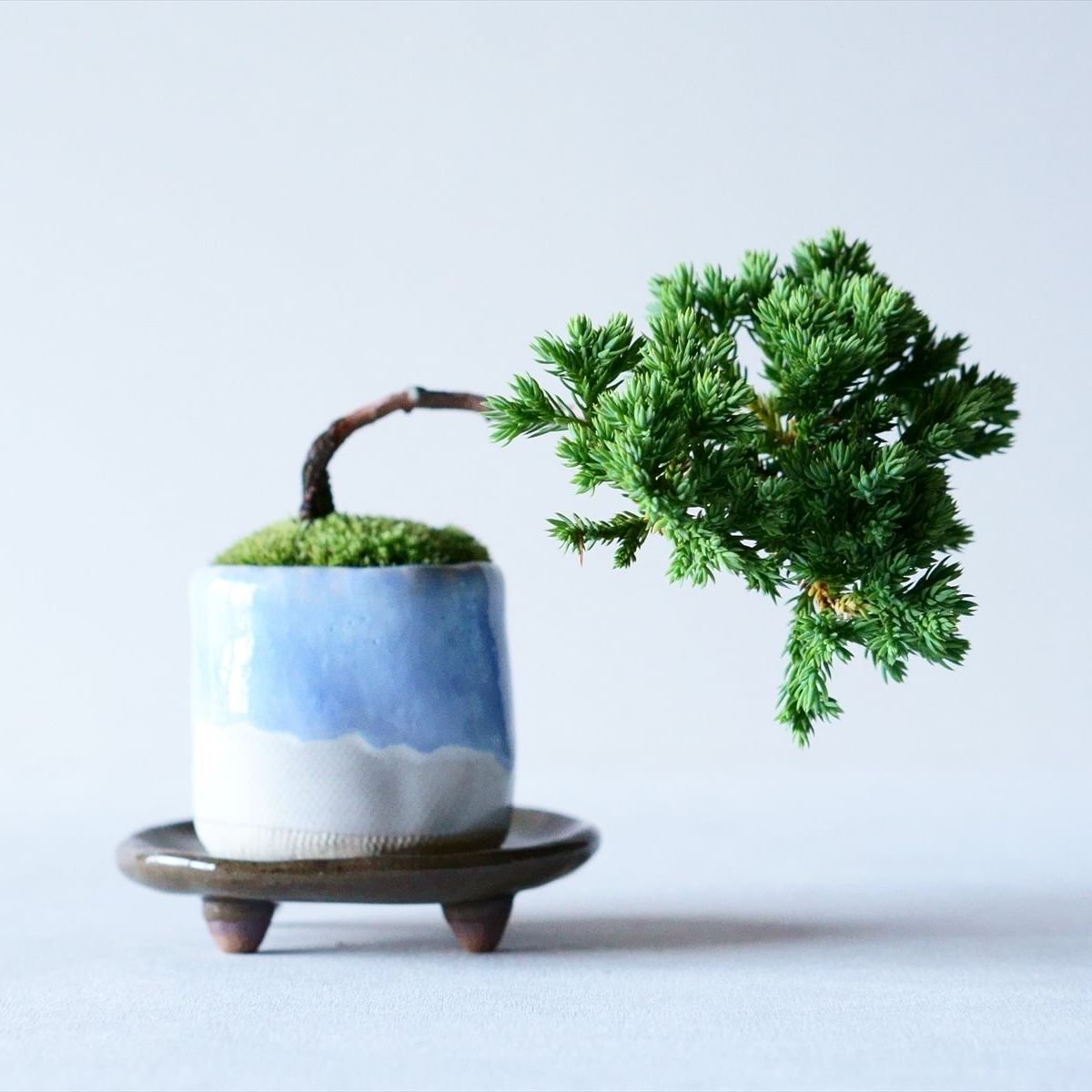 ヒメソナレ
-
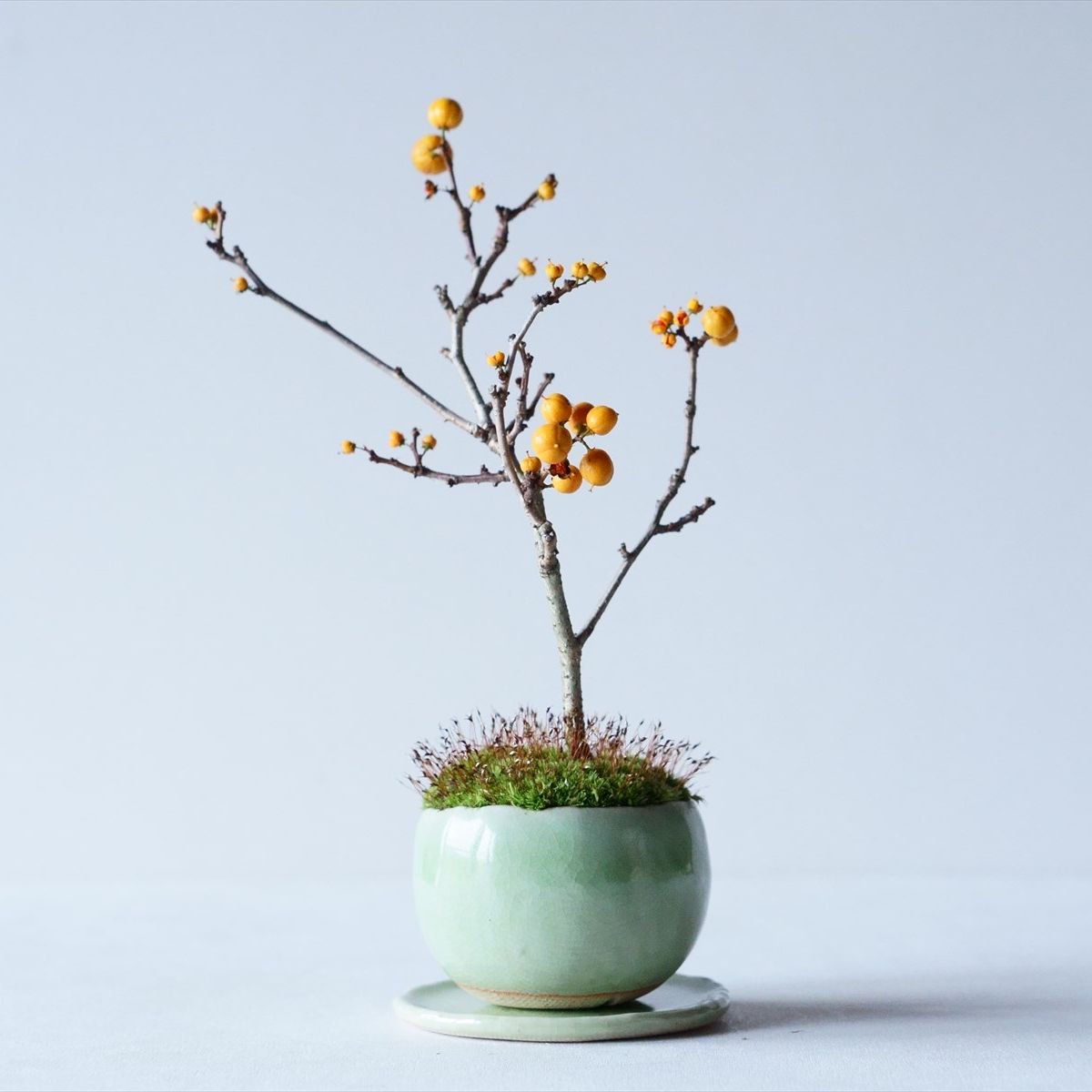 ツルウメモドキ
-
 姫エンジュ
-
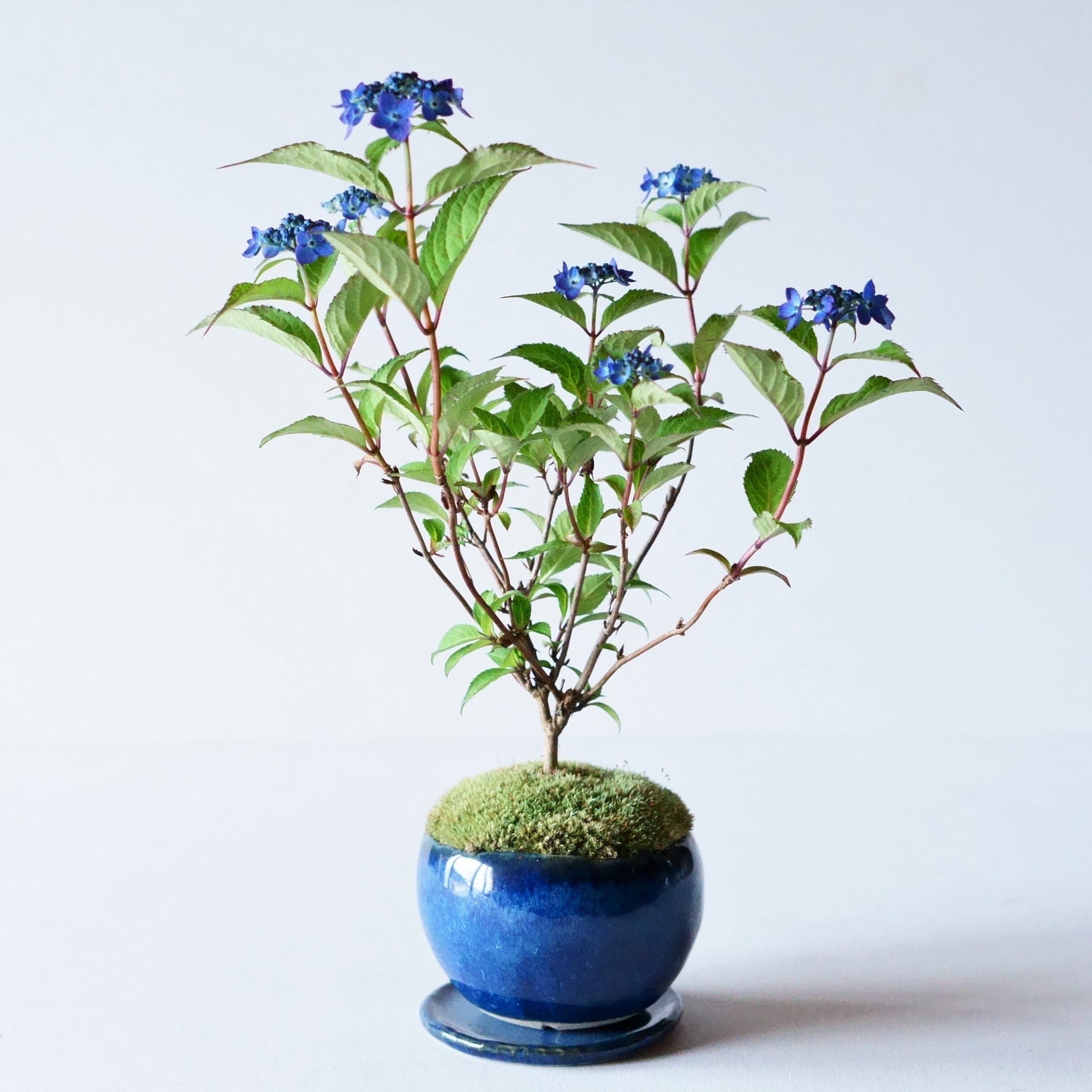 ヤマアジサイ
-
 イチョウ
-
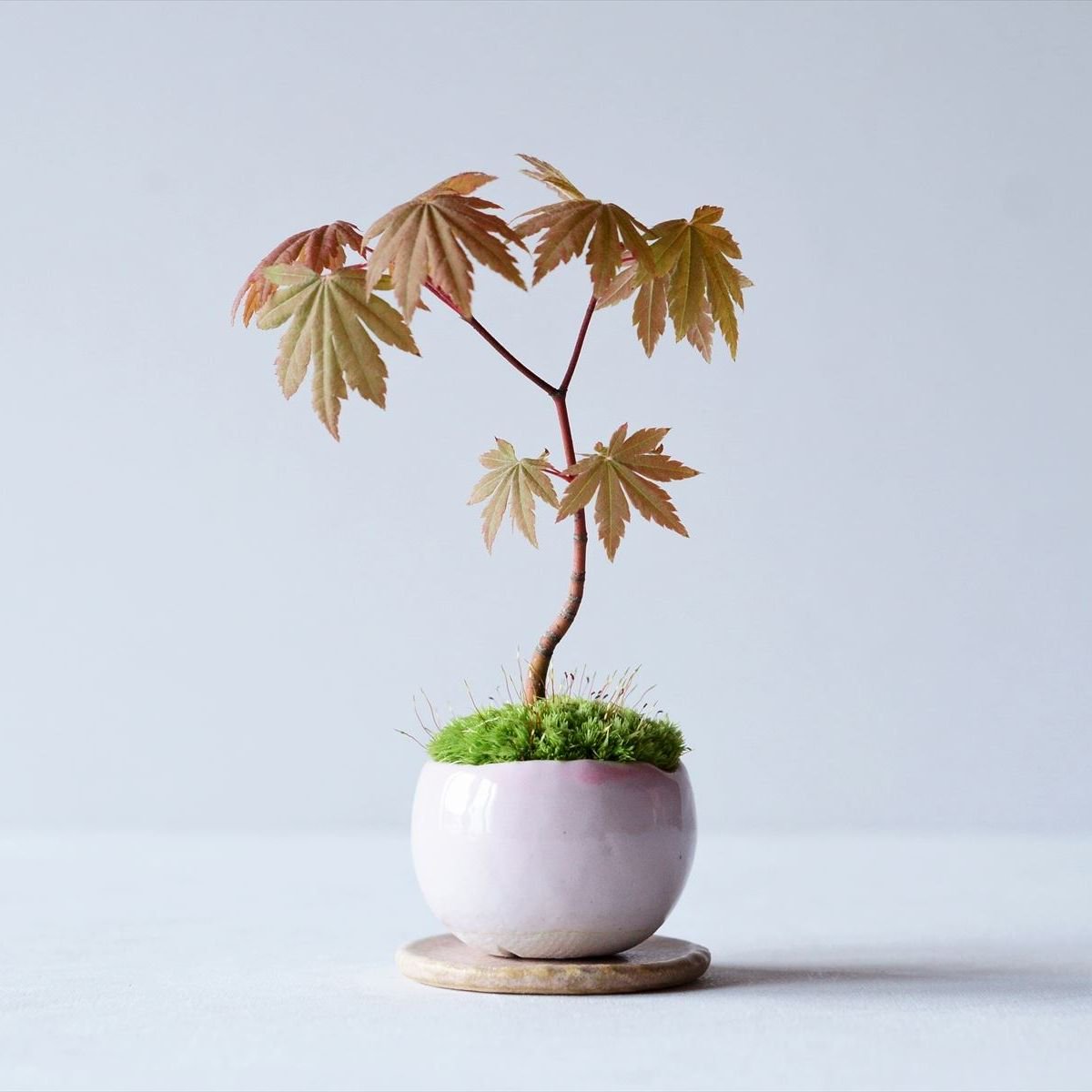 ヤマモミジ
-
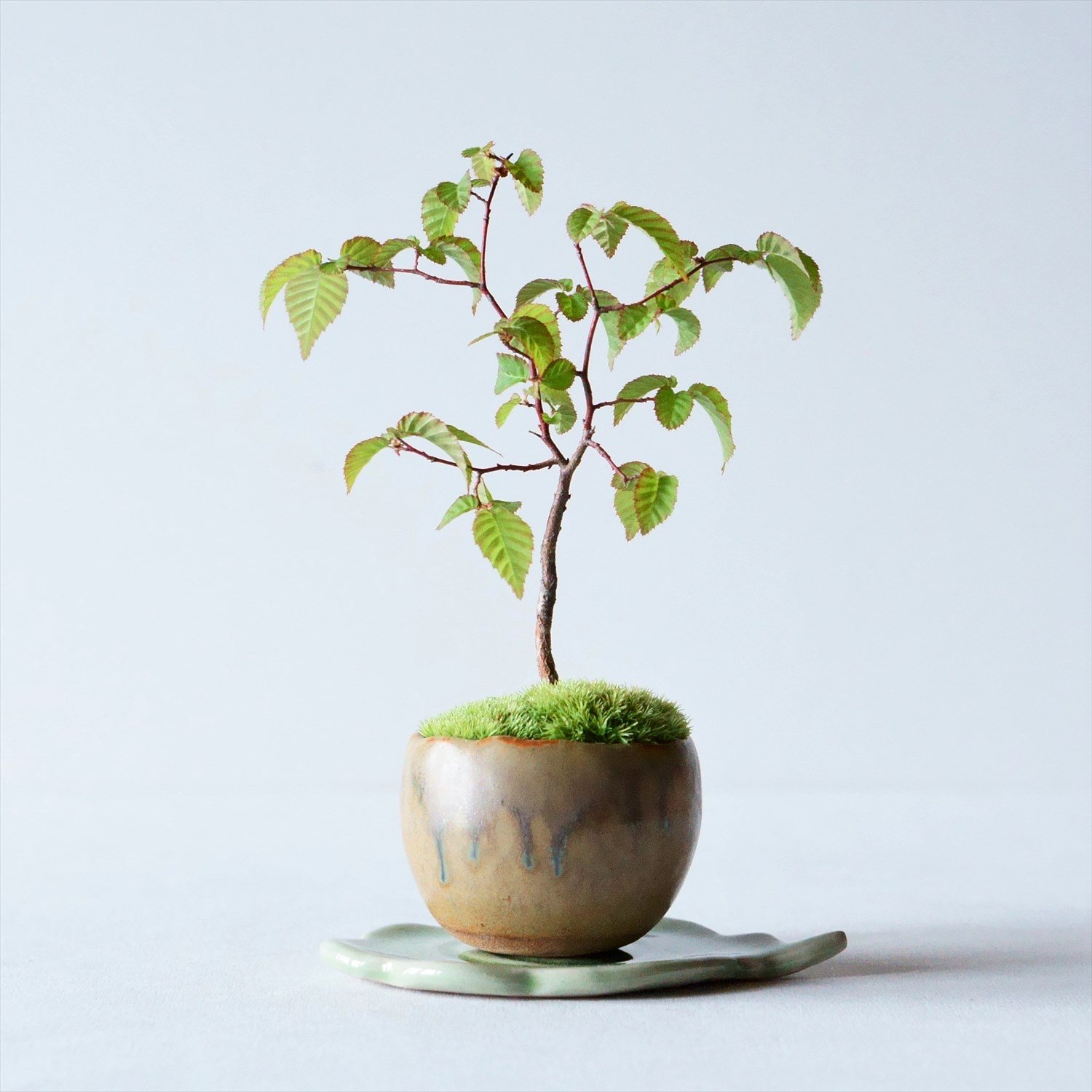 アカメシデ
-
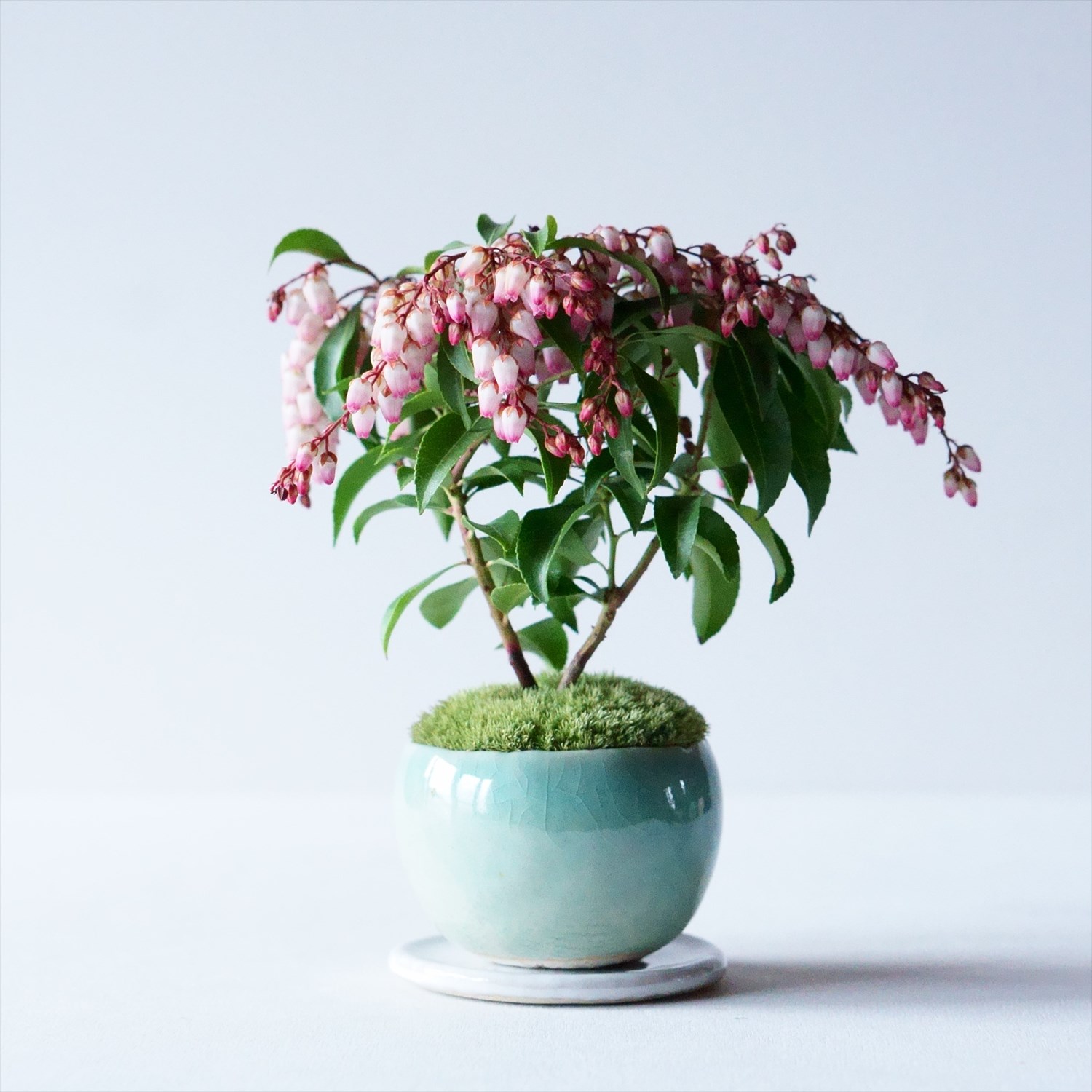 アセビ
-
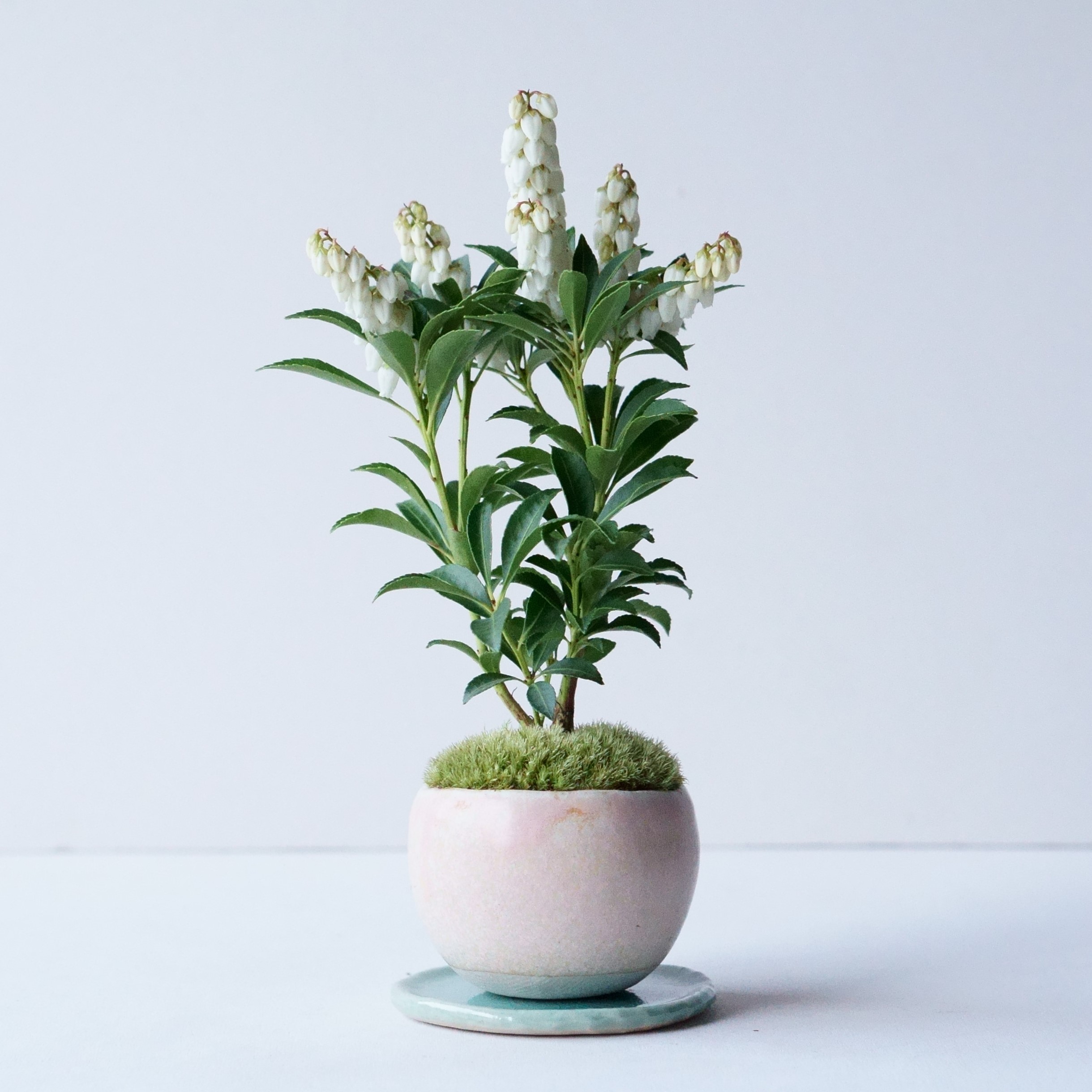 屋久島アセビ
-
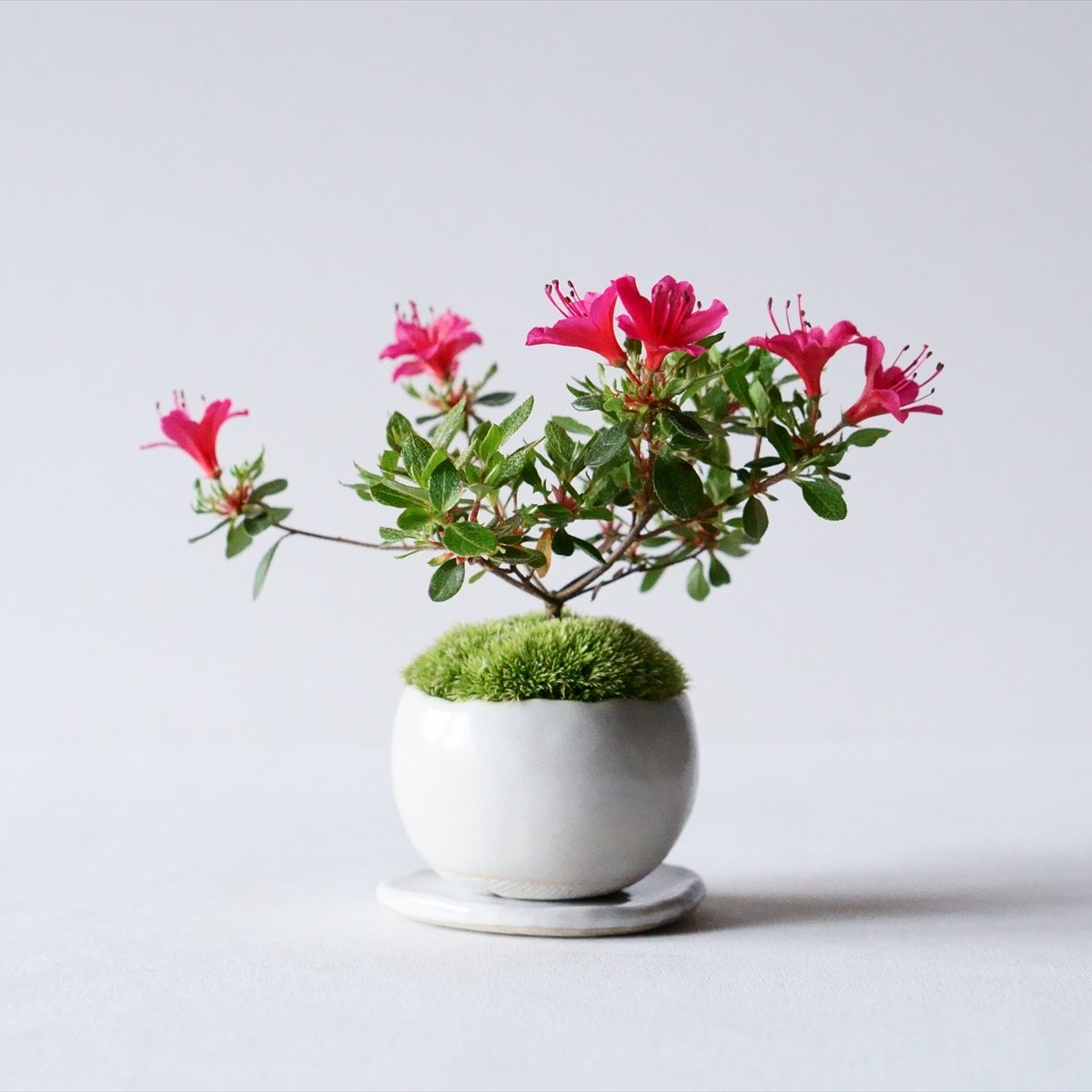 深山キリシマツツジ
-
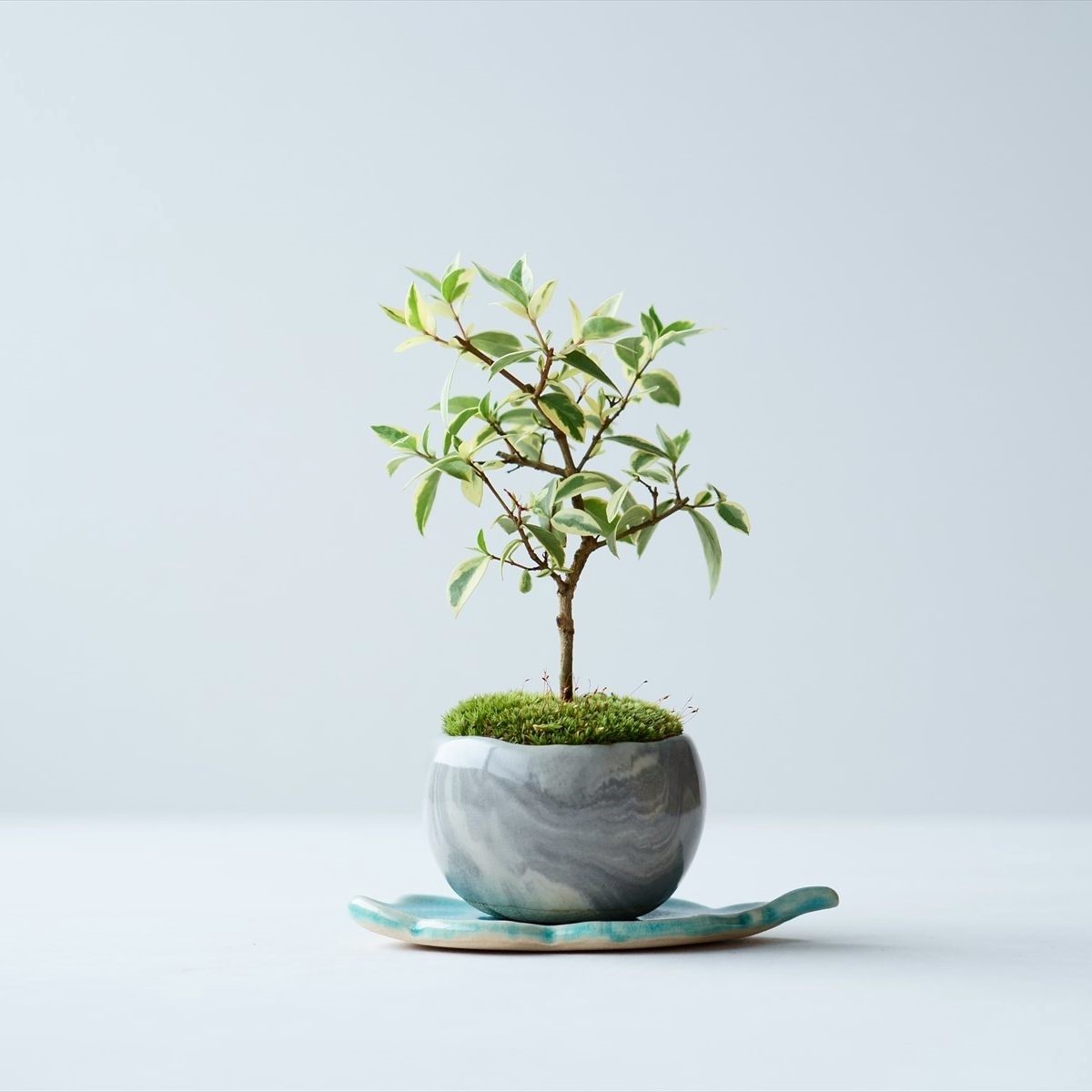 斑入りギンバイカ
-
 クロマツ
-
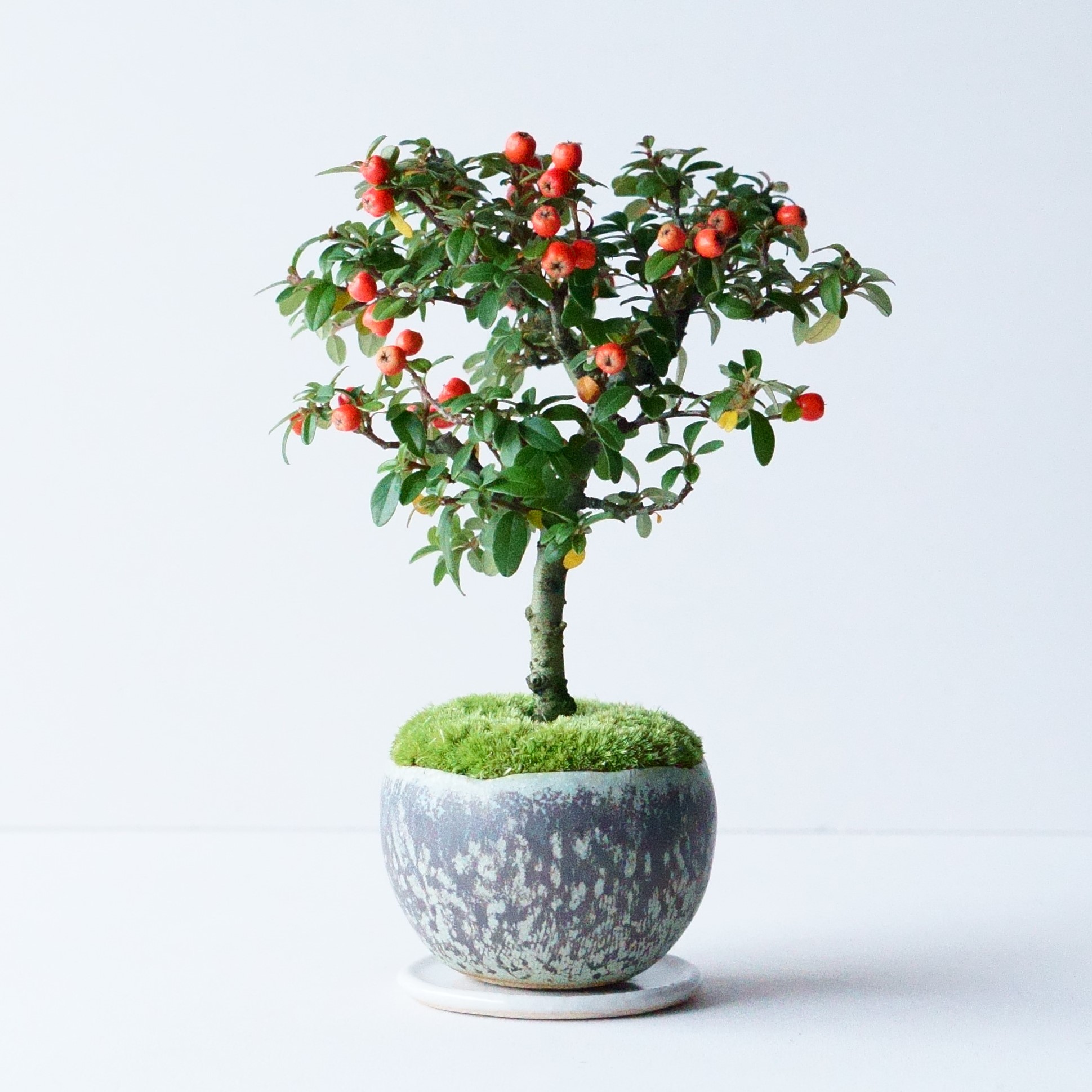 カマツカコケモモ
-
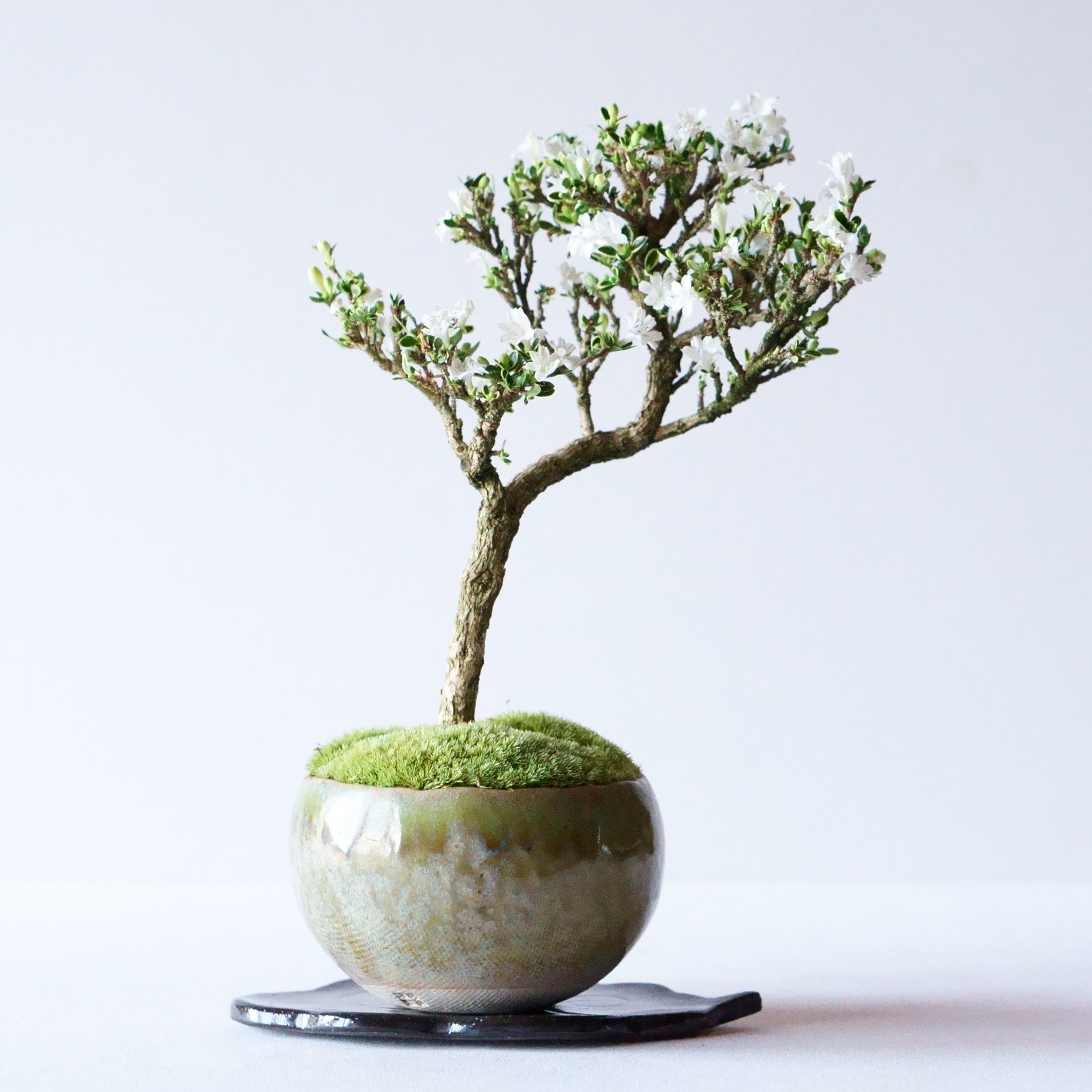 白鳥花
-
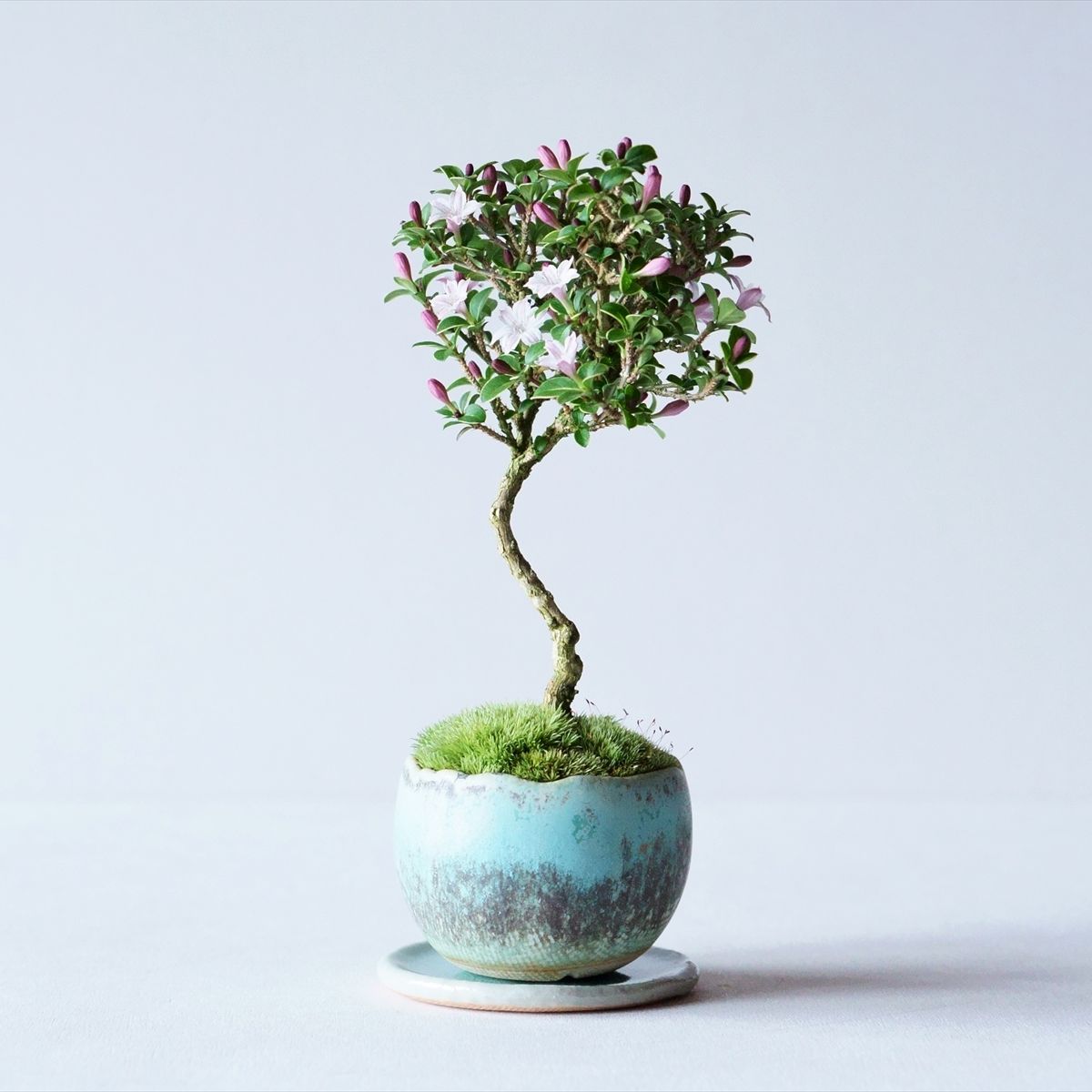 香丁木
-
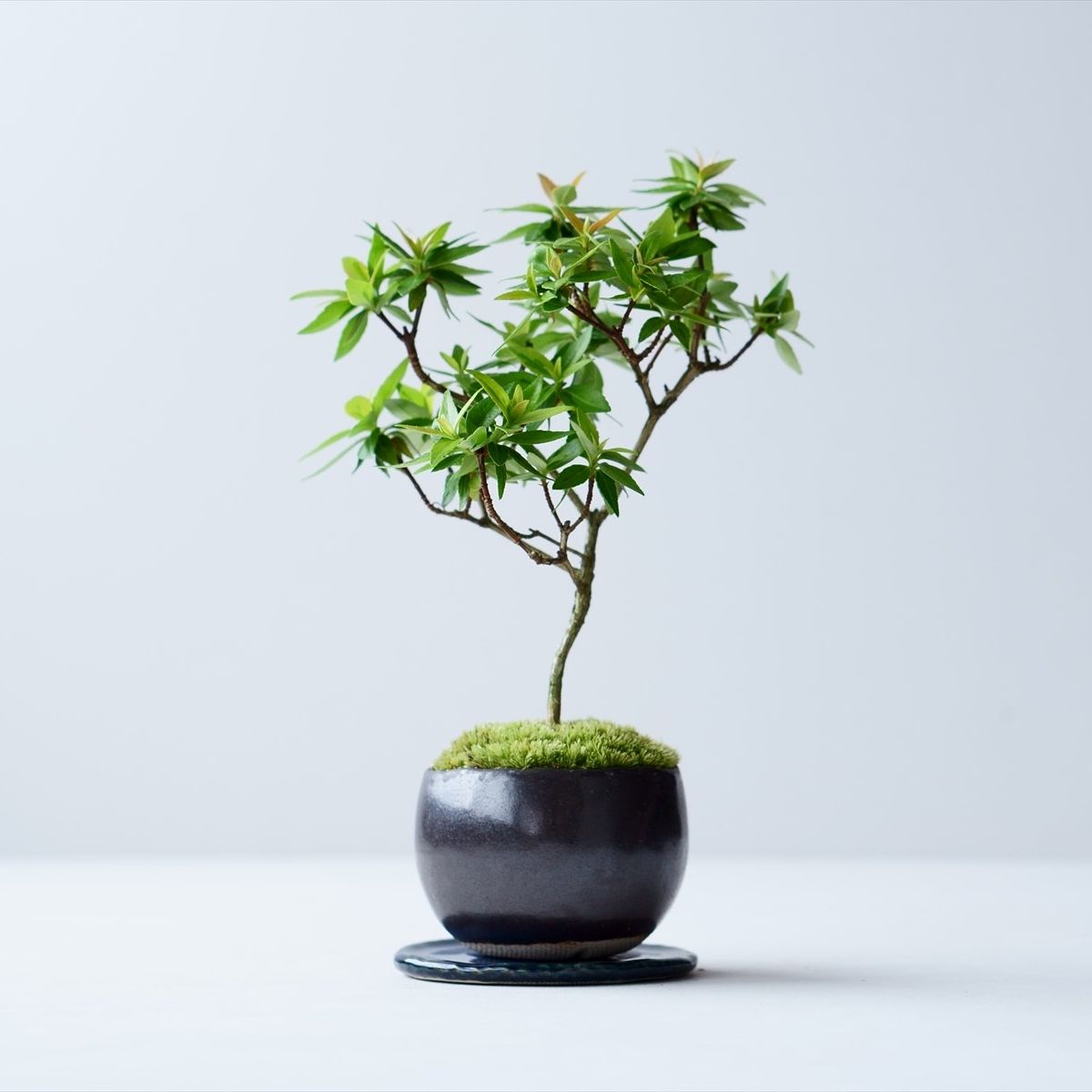 アベリア
-
 八房エゾマツ
-
 姫サルスベリ
-
 モミジバフウ
-
 カラマツ
-
 ナナカマド
-
 クチナシ
-
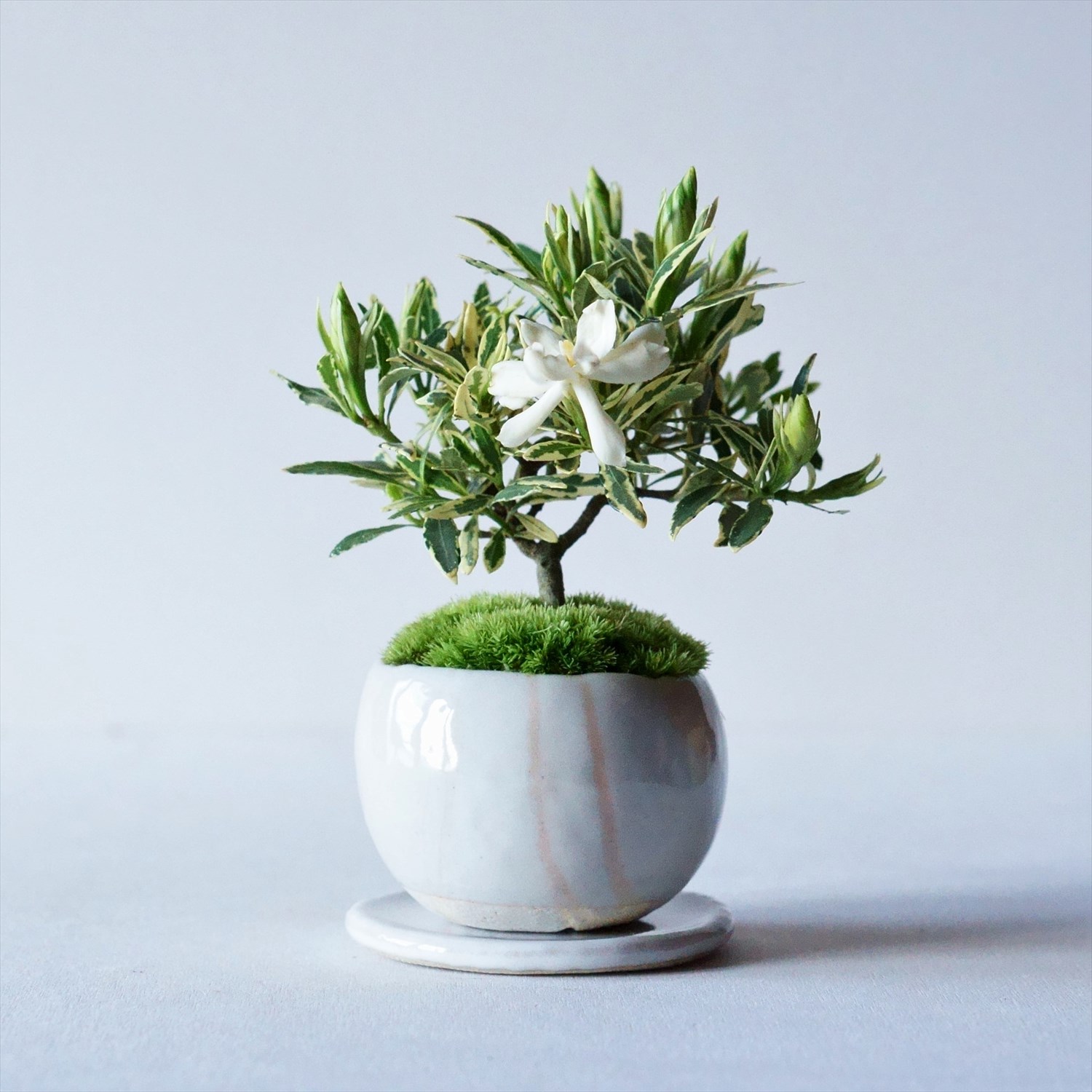 姫クチナシ
-
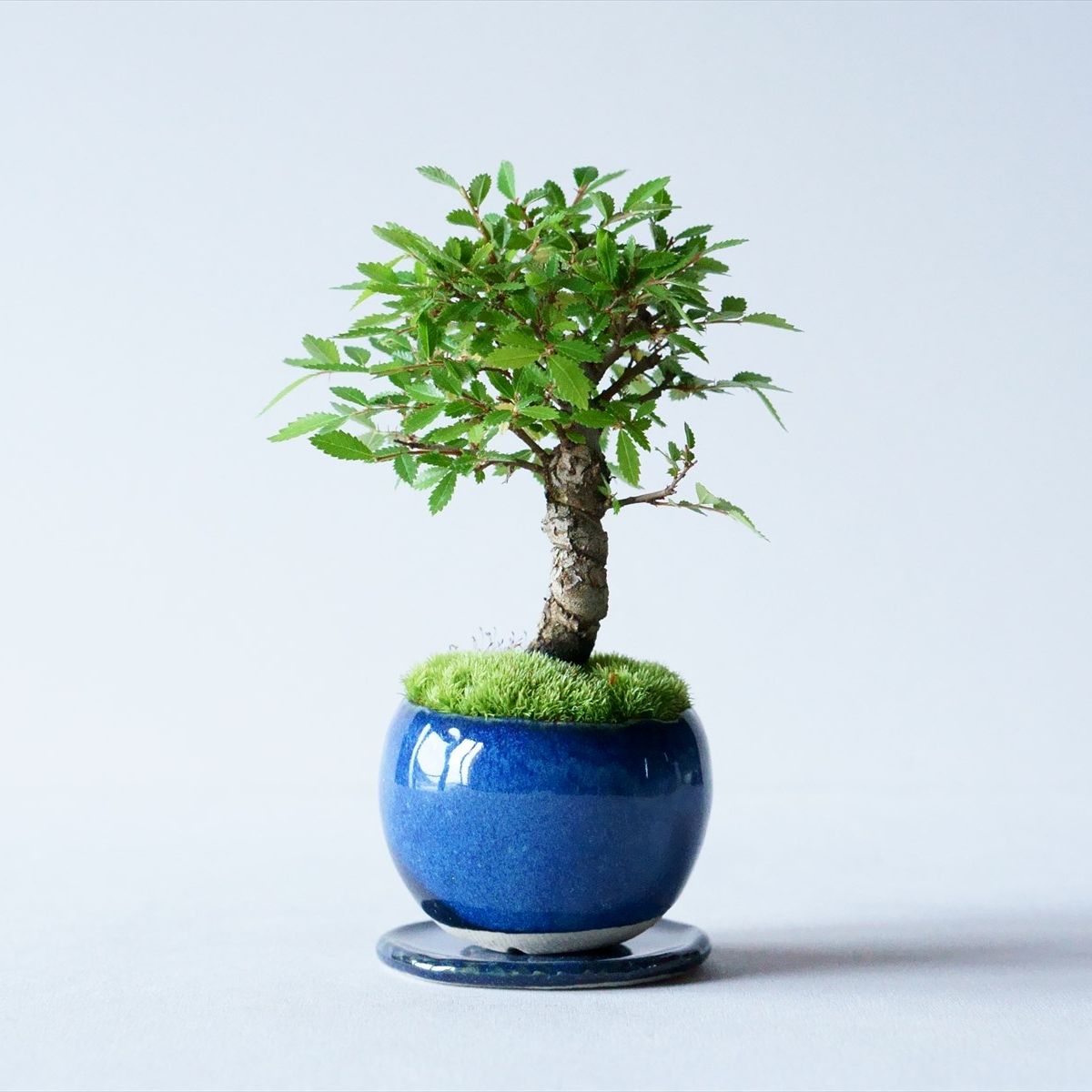 ニレケヤキ
-
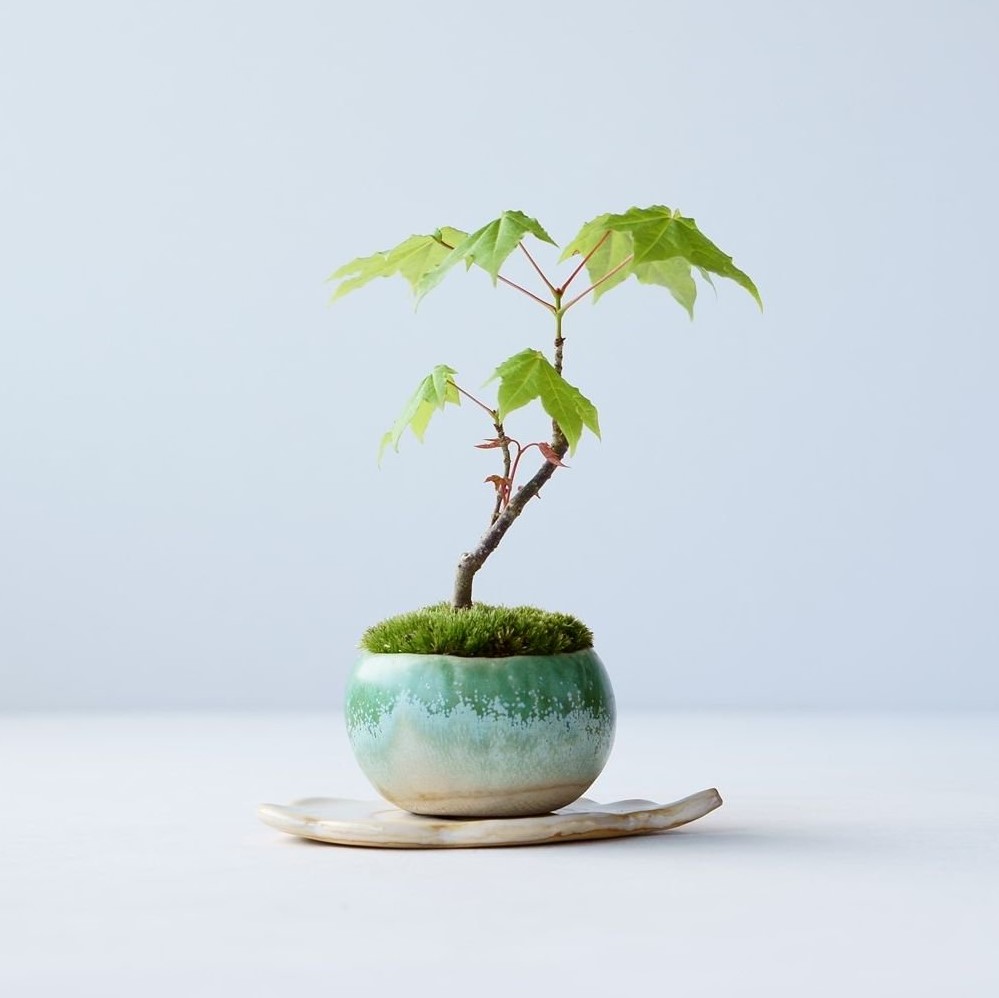 イタヤカエデ
-
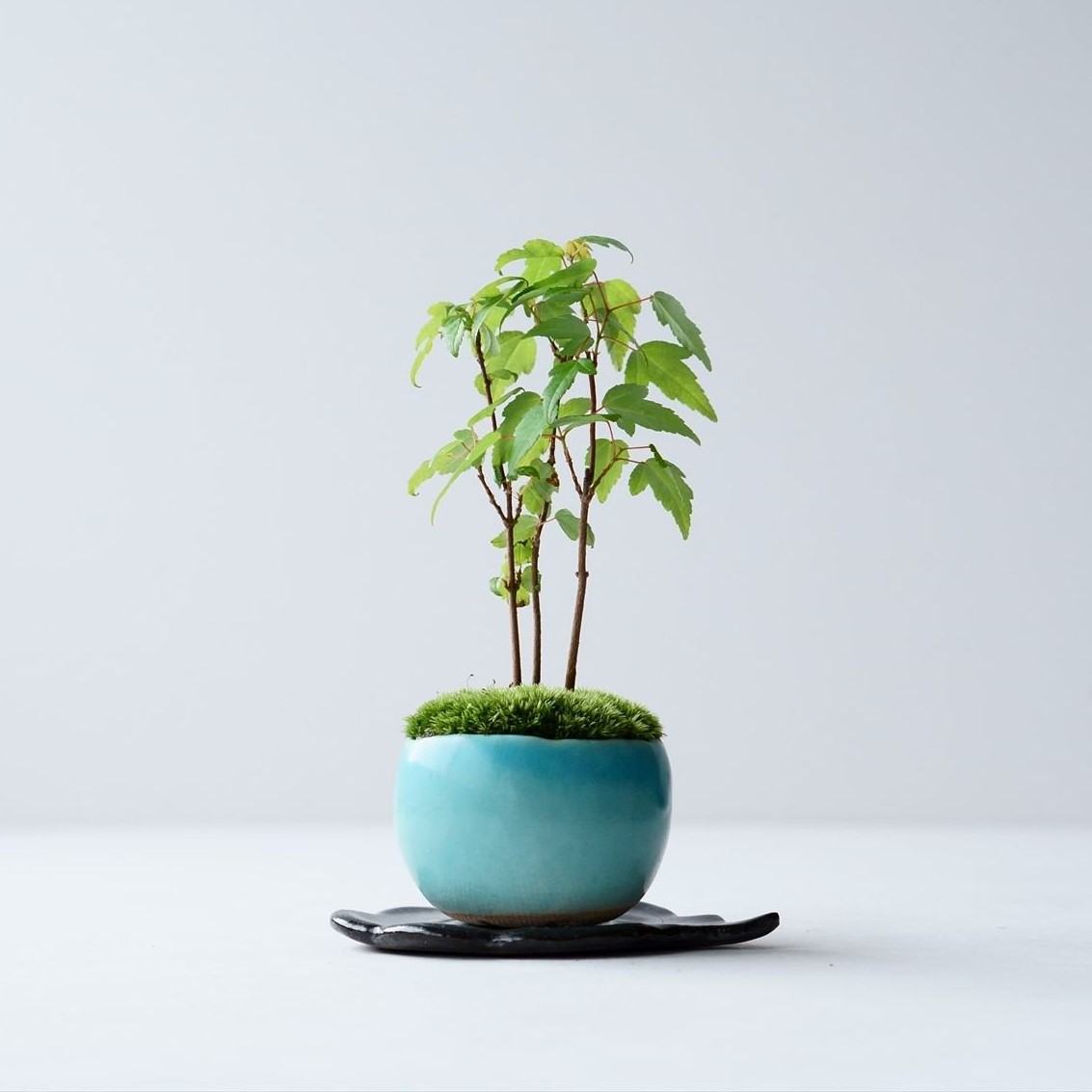 トウカエデ
-
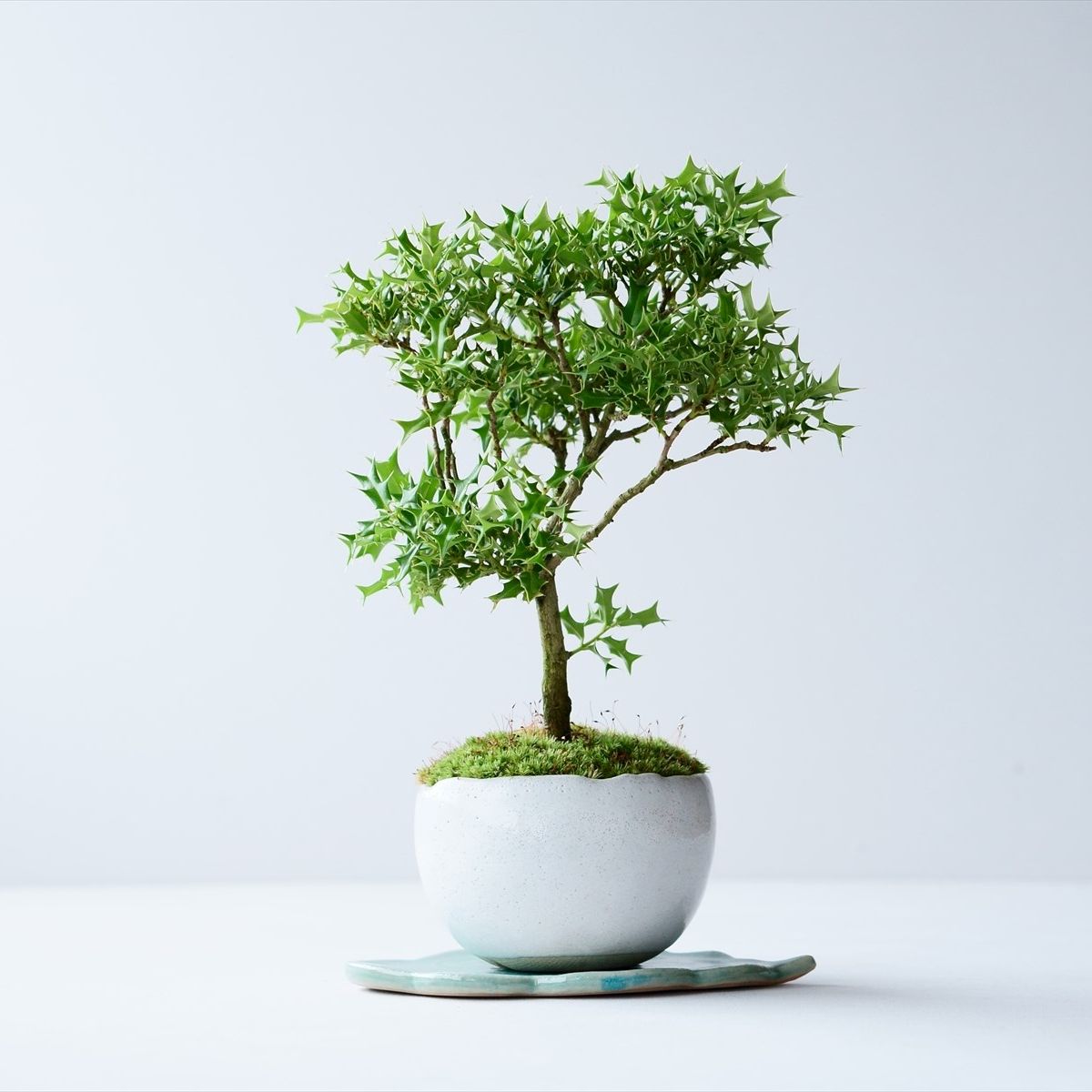 姫ヒイラギ
-
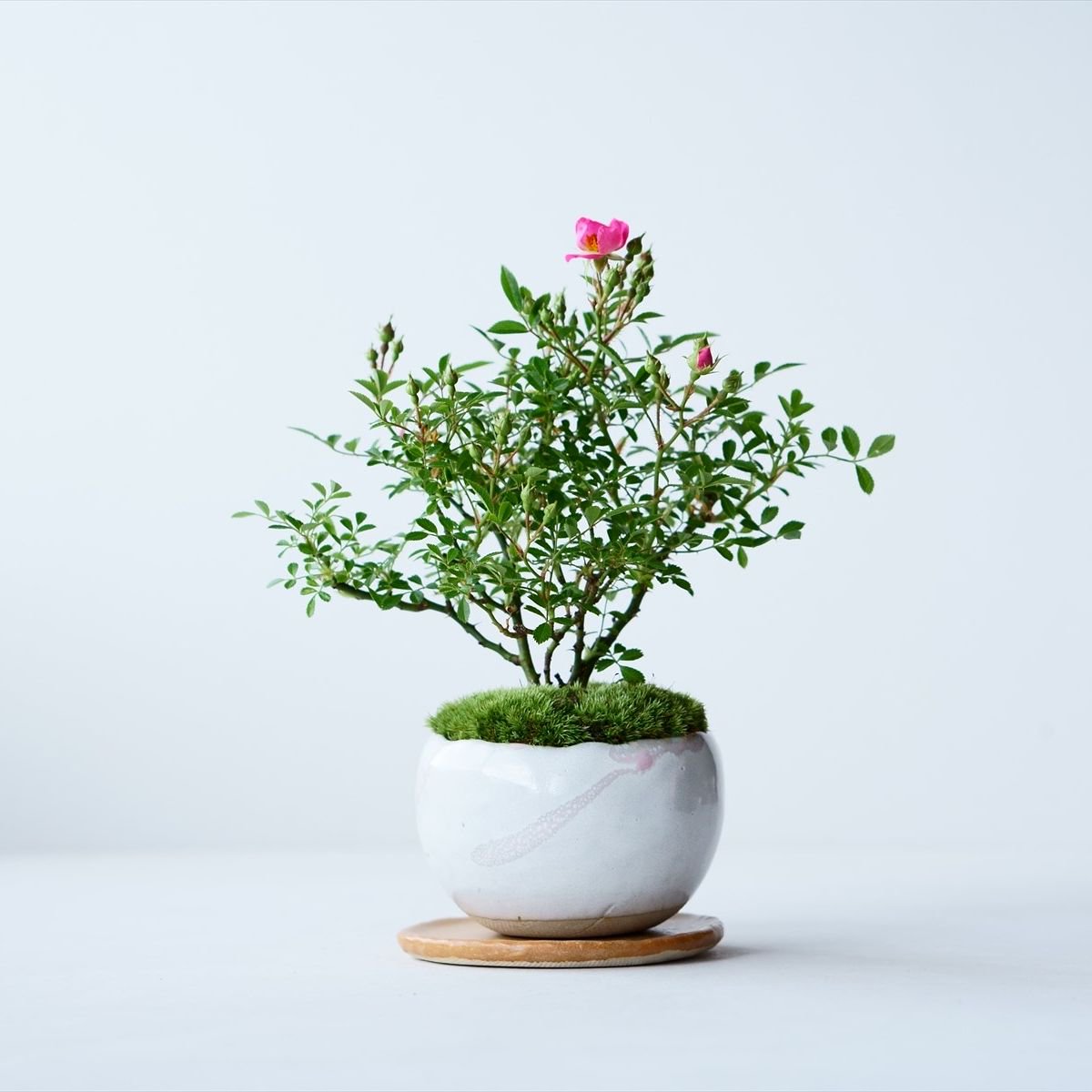 ノバラ
-
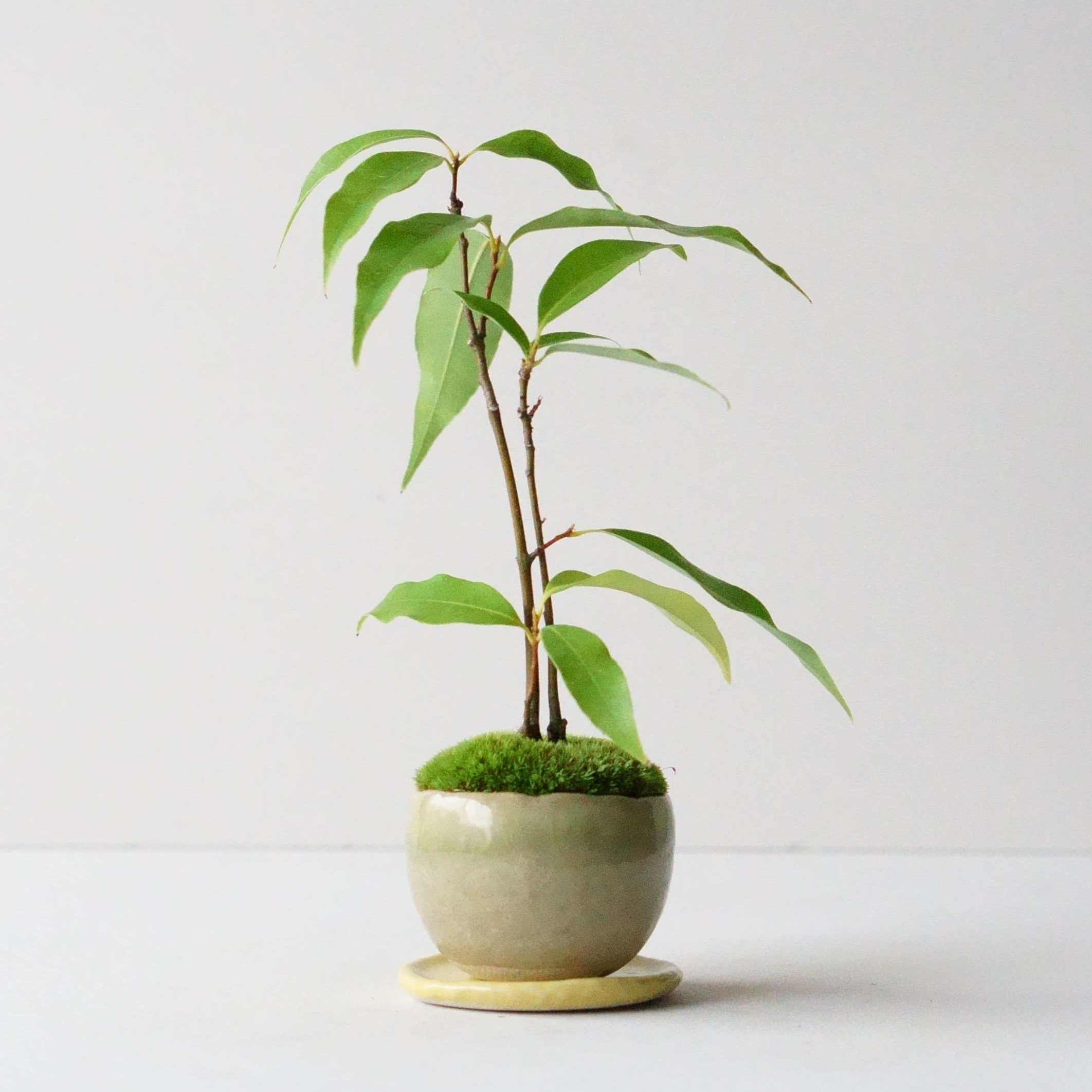 シラカシ
-
 モミ
-
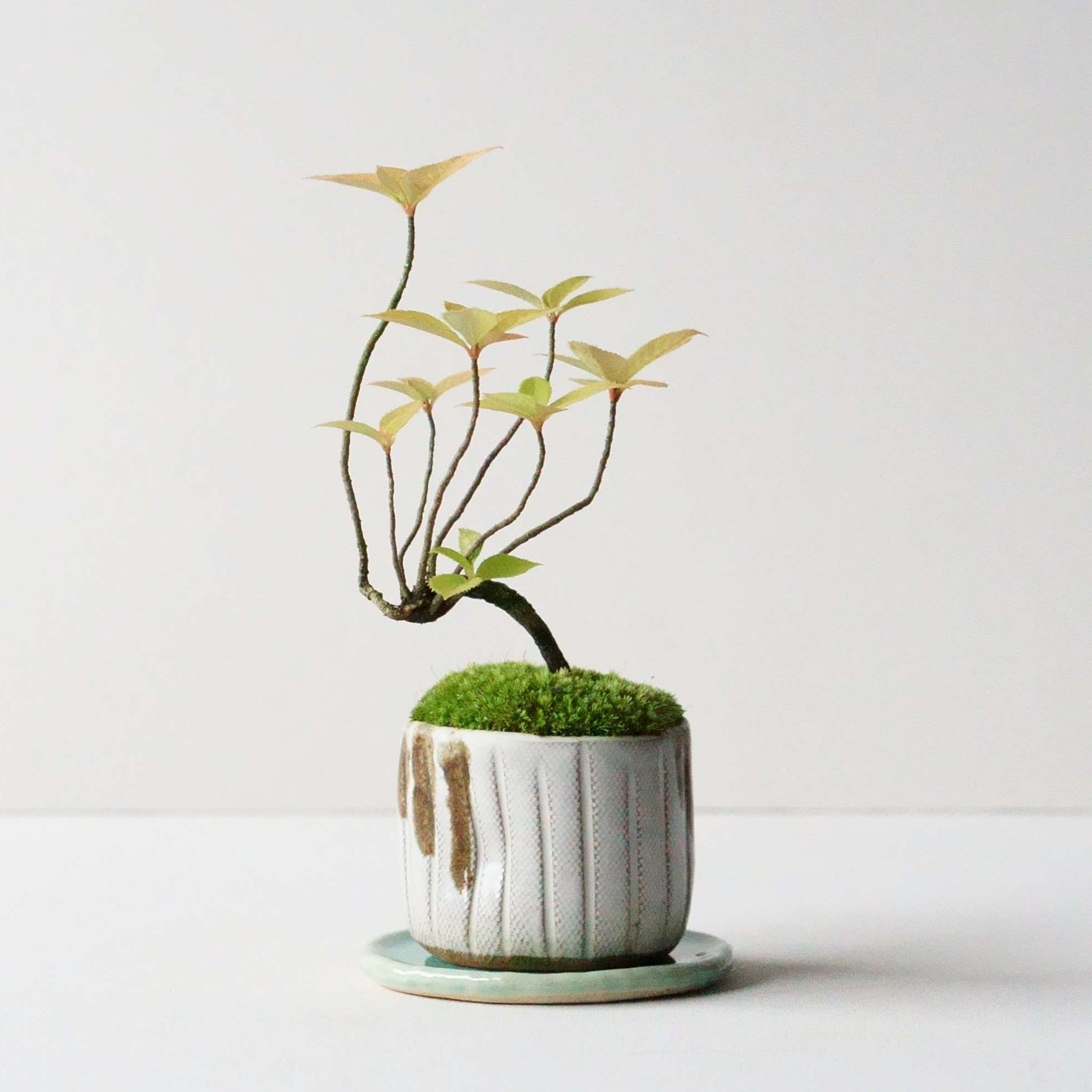 リョウブ
-
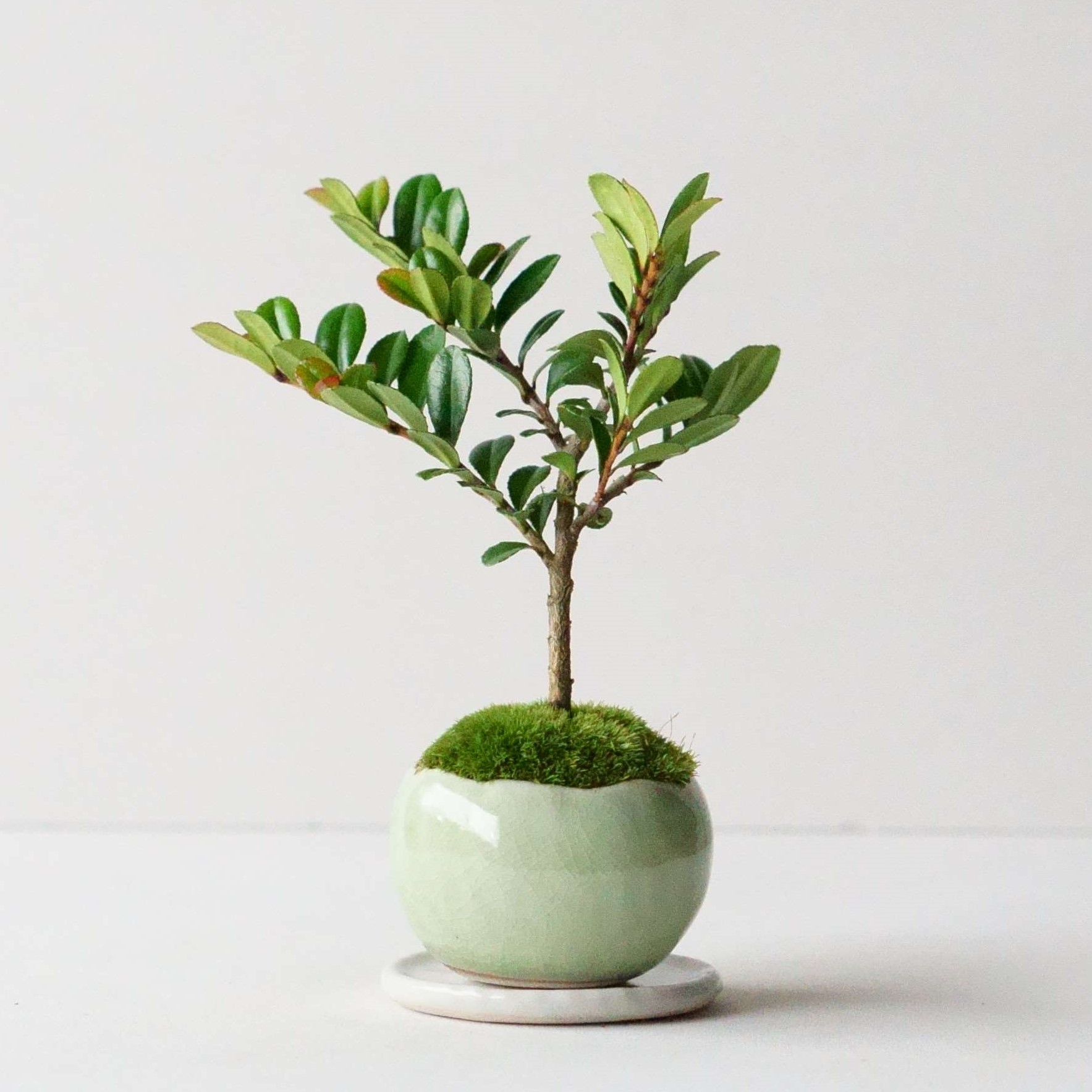 ヒメサカキ
-
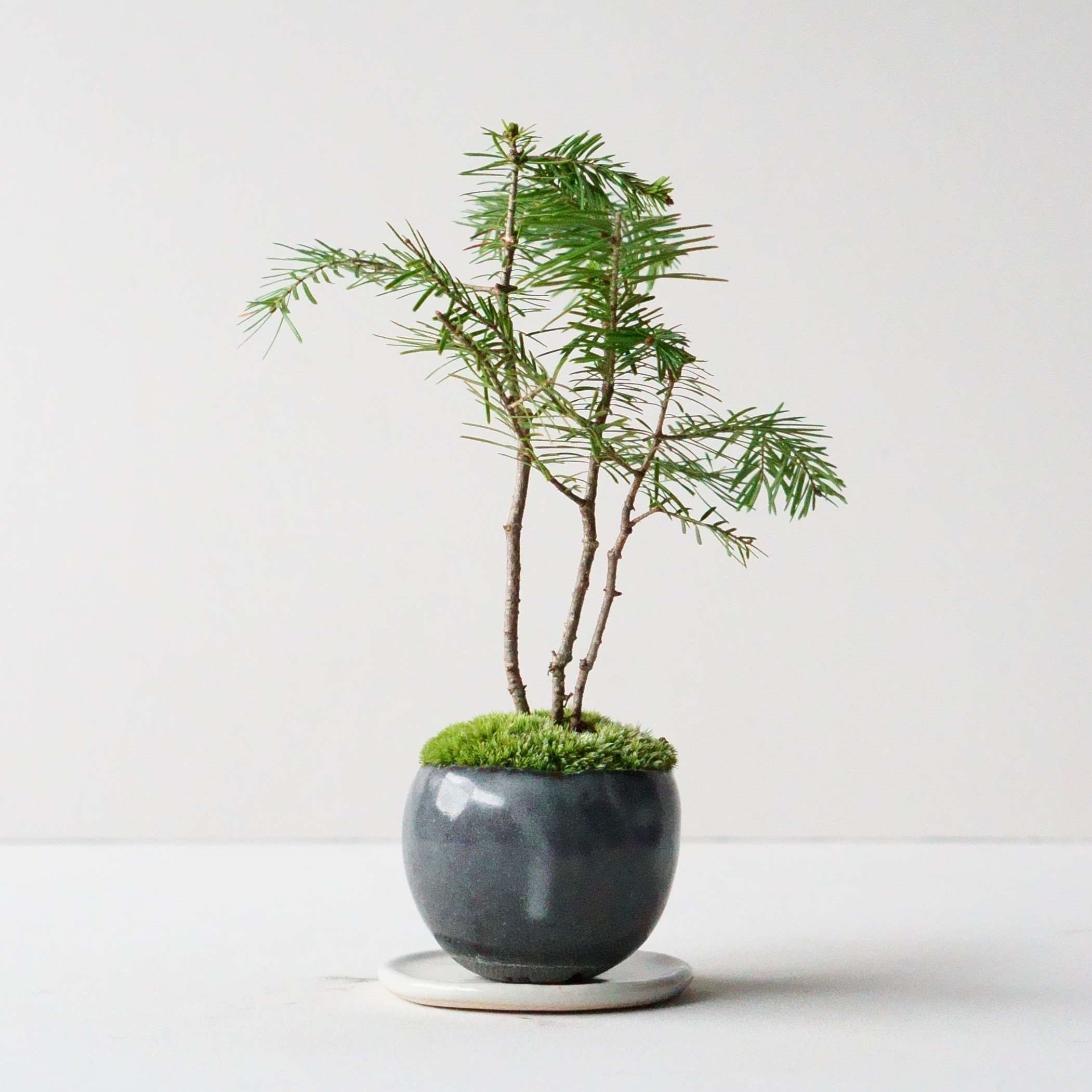 トドマツ
-
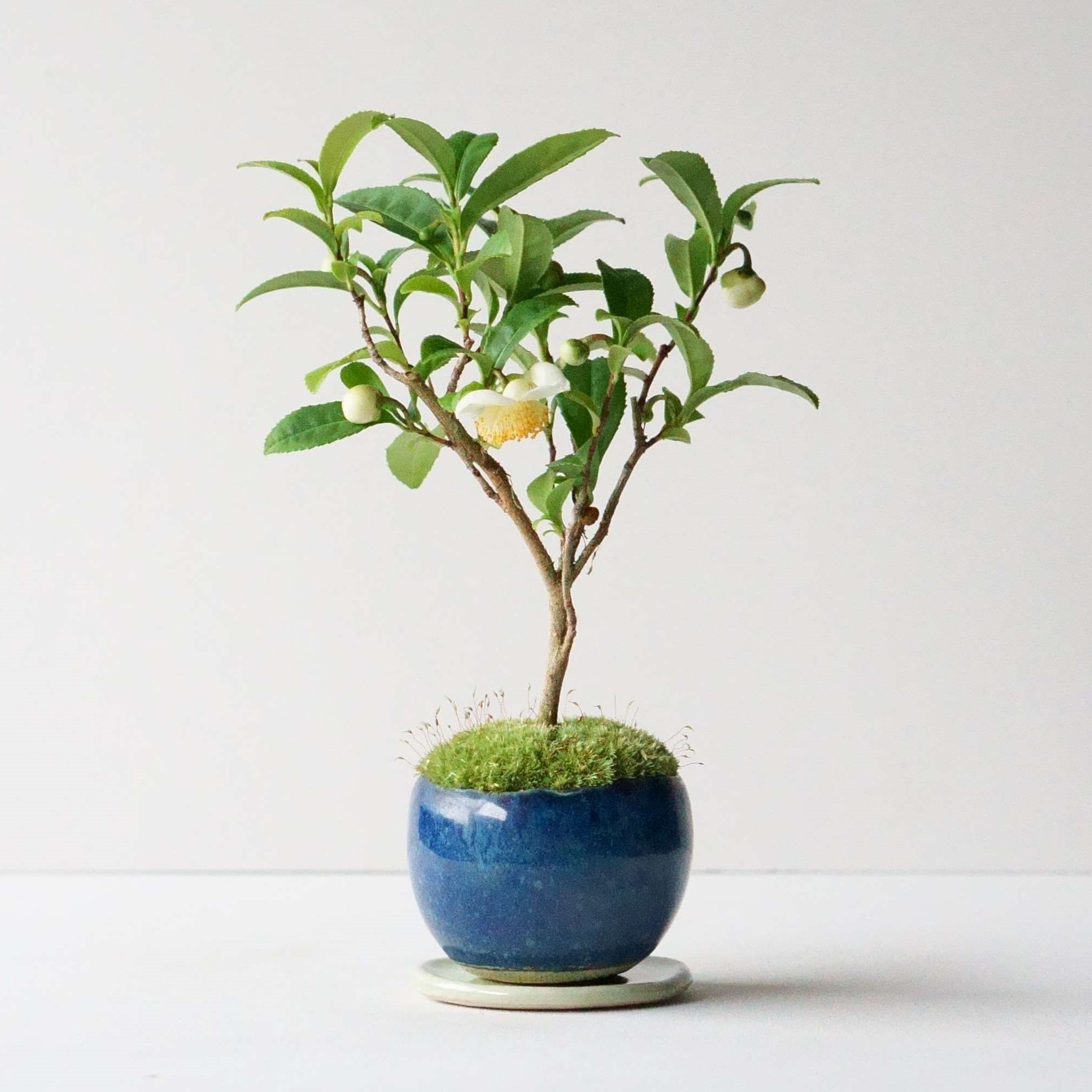 チャノキ
-
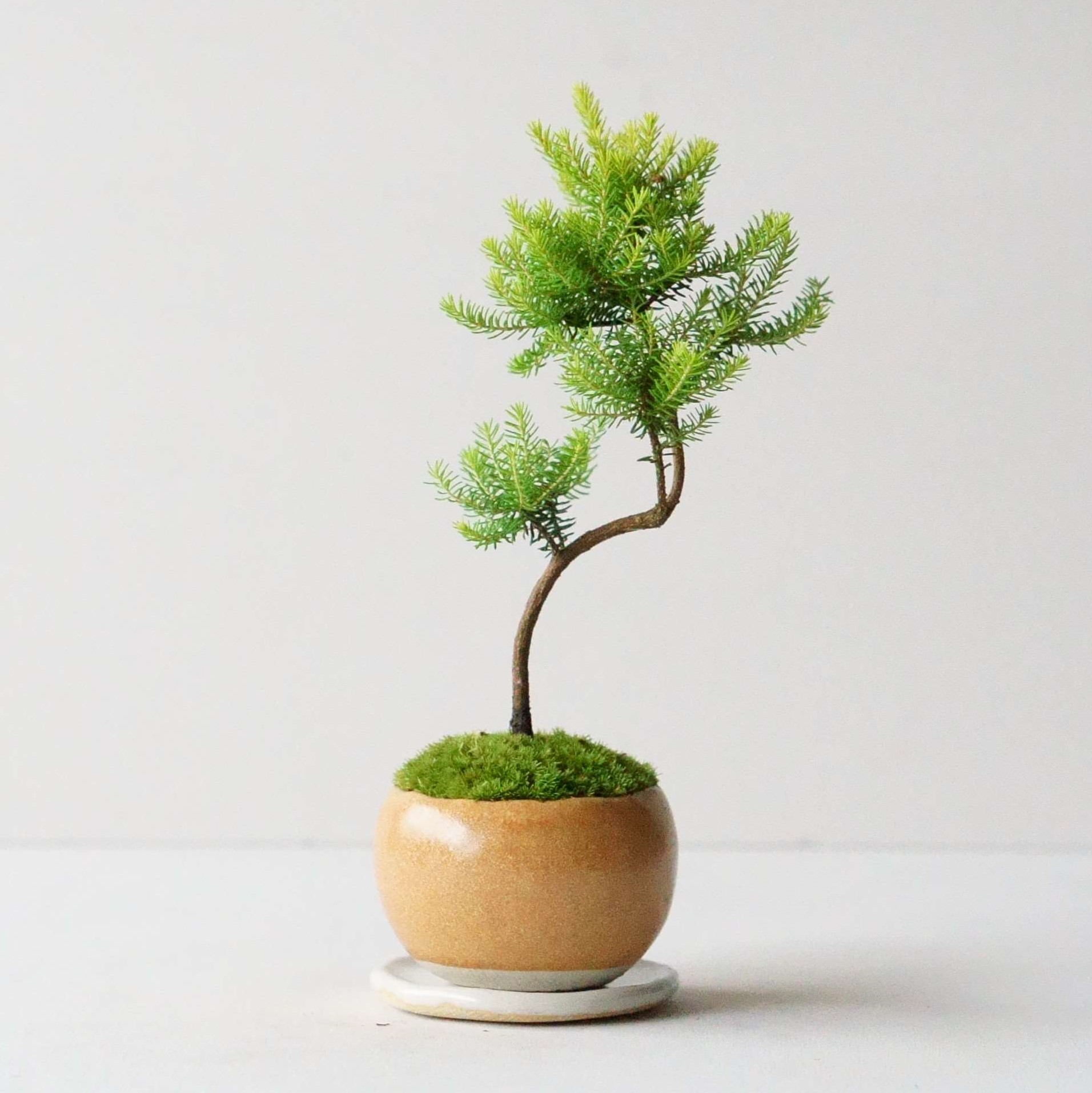 バレリーツリー
-
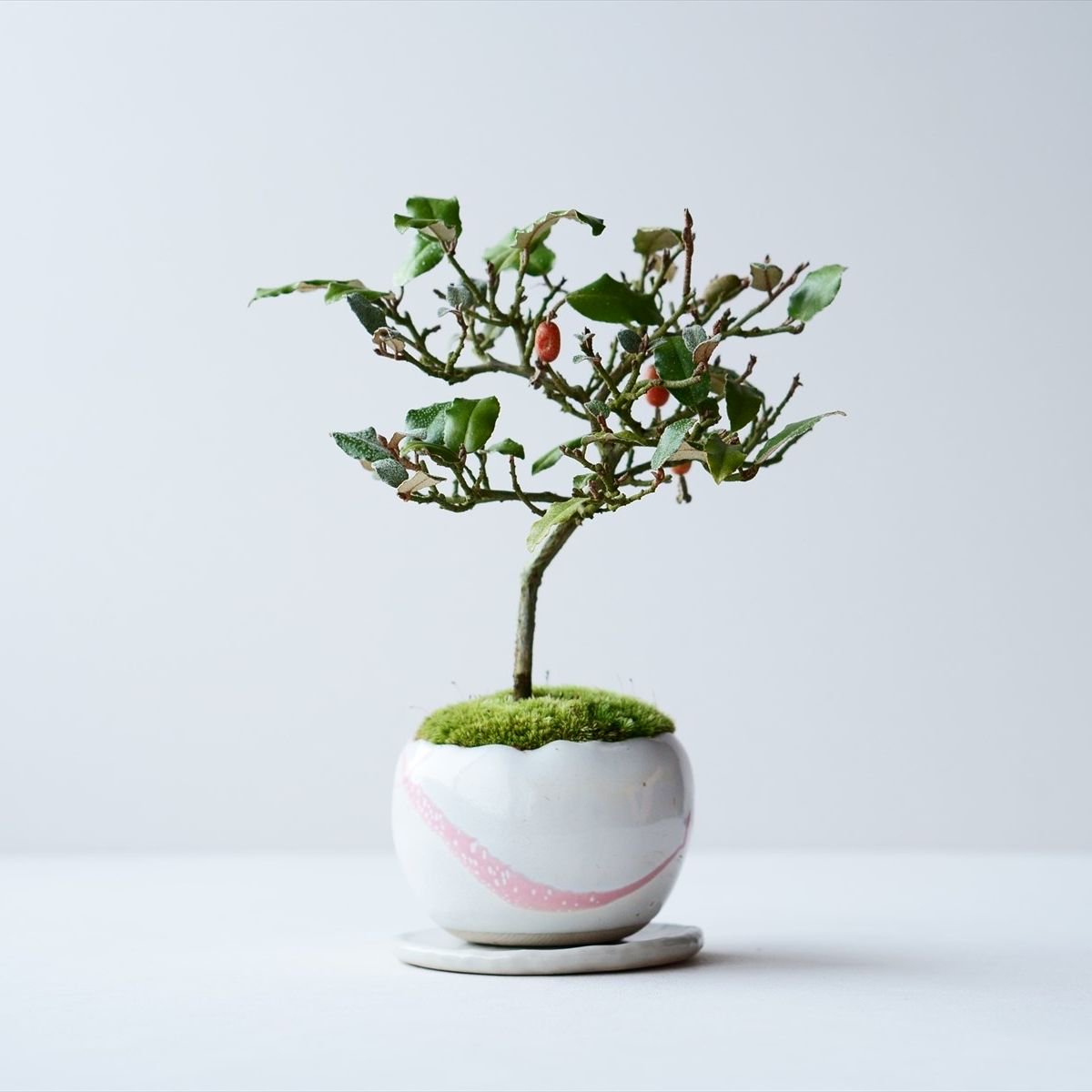 寒グミ
-
 モチノキ
-
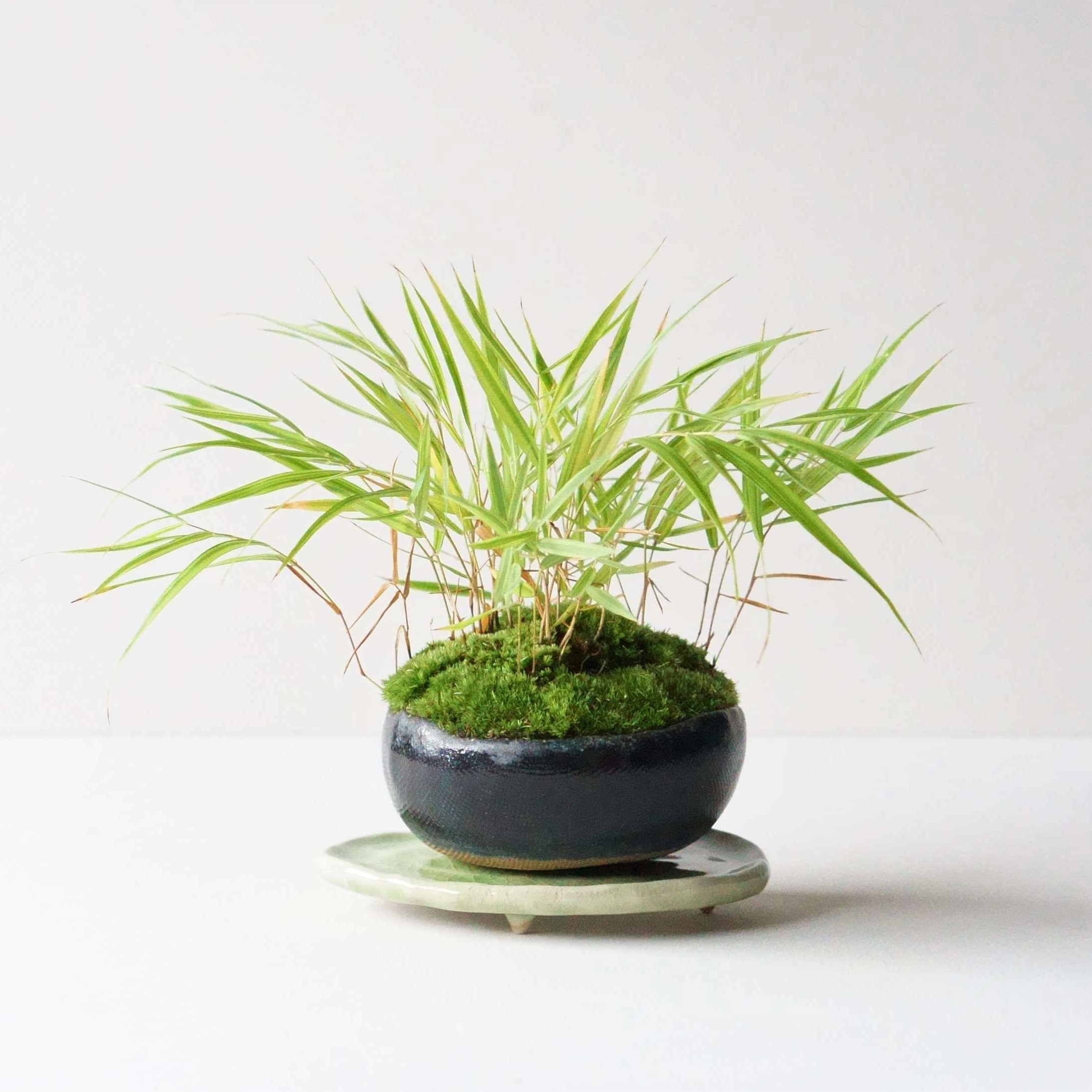 風知草
-
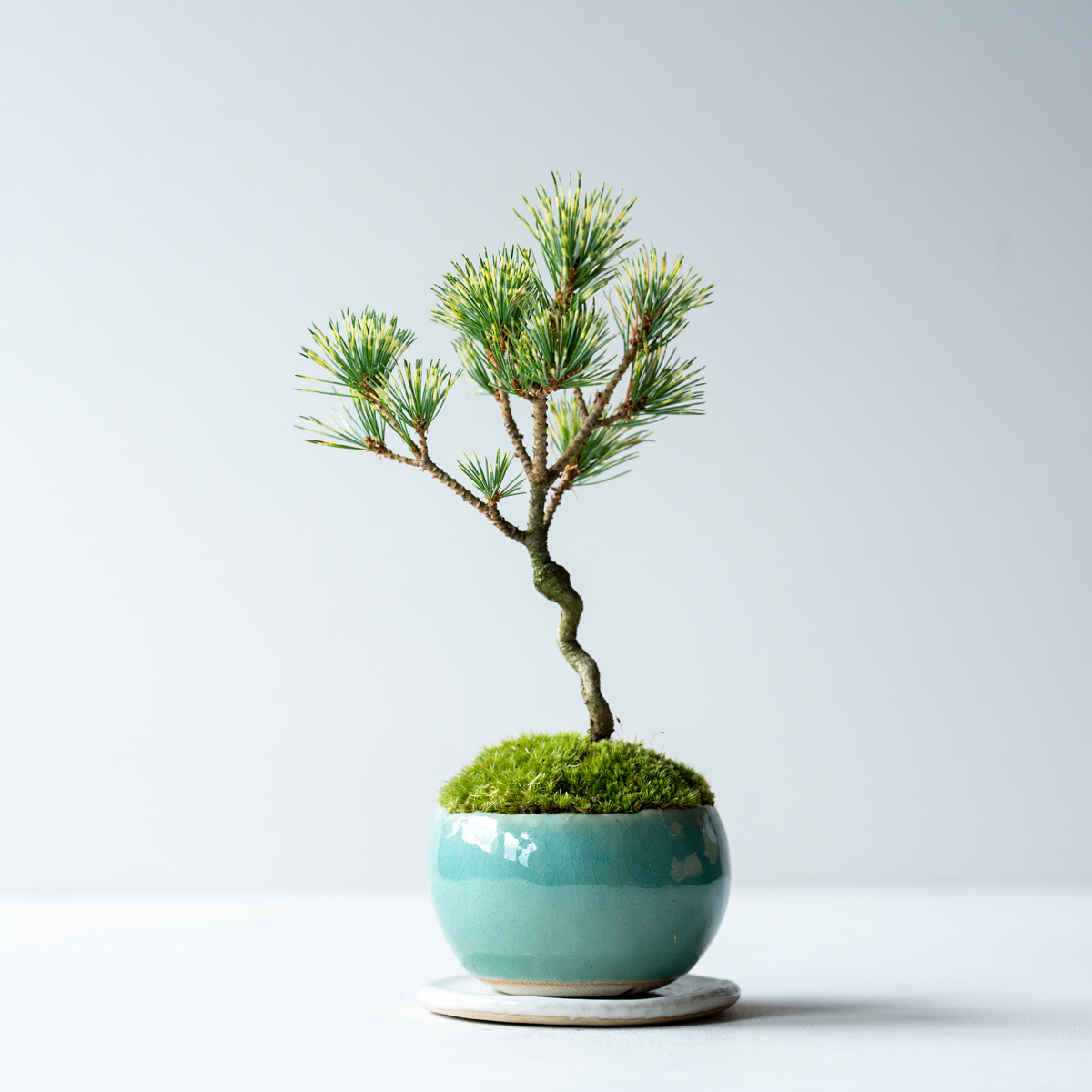 ジャノメマツ
-
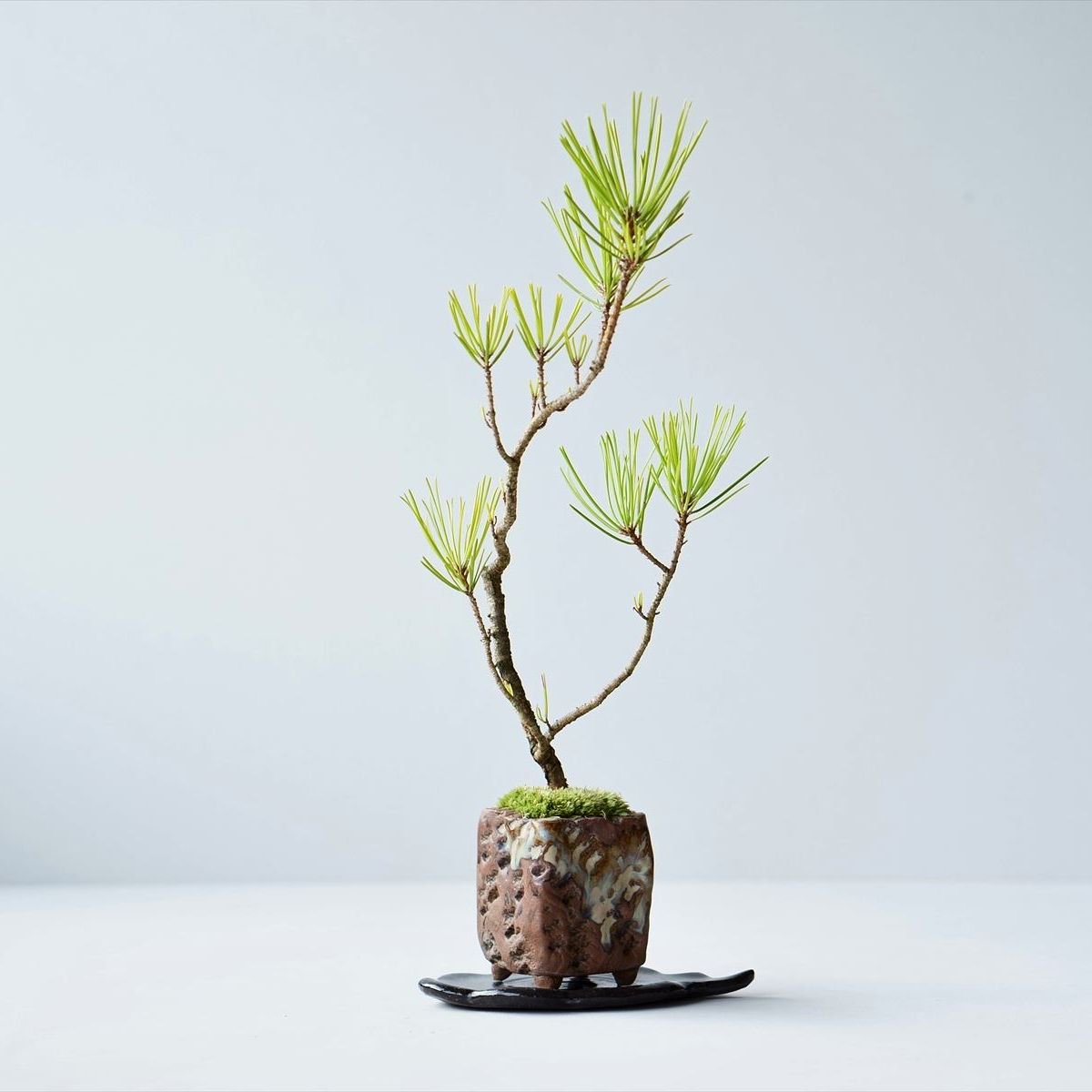 アカマツ
-
 ツクモヒバ
-
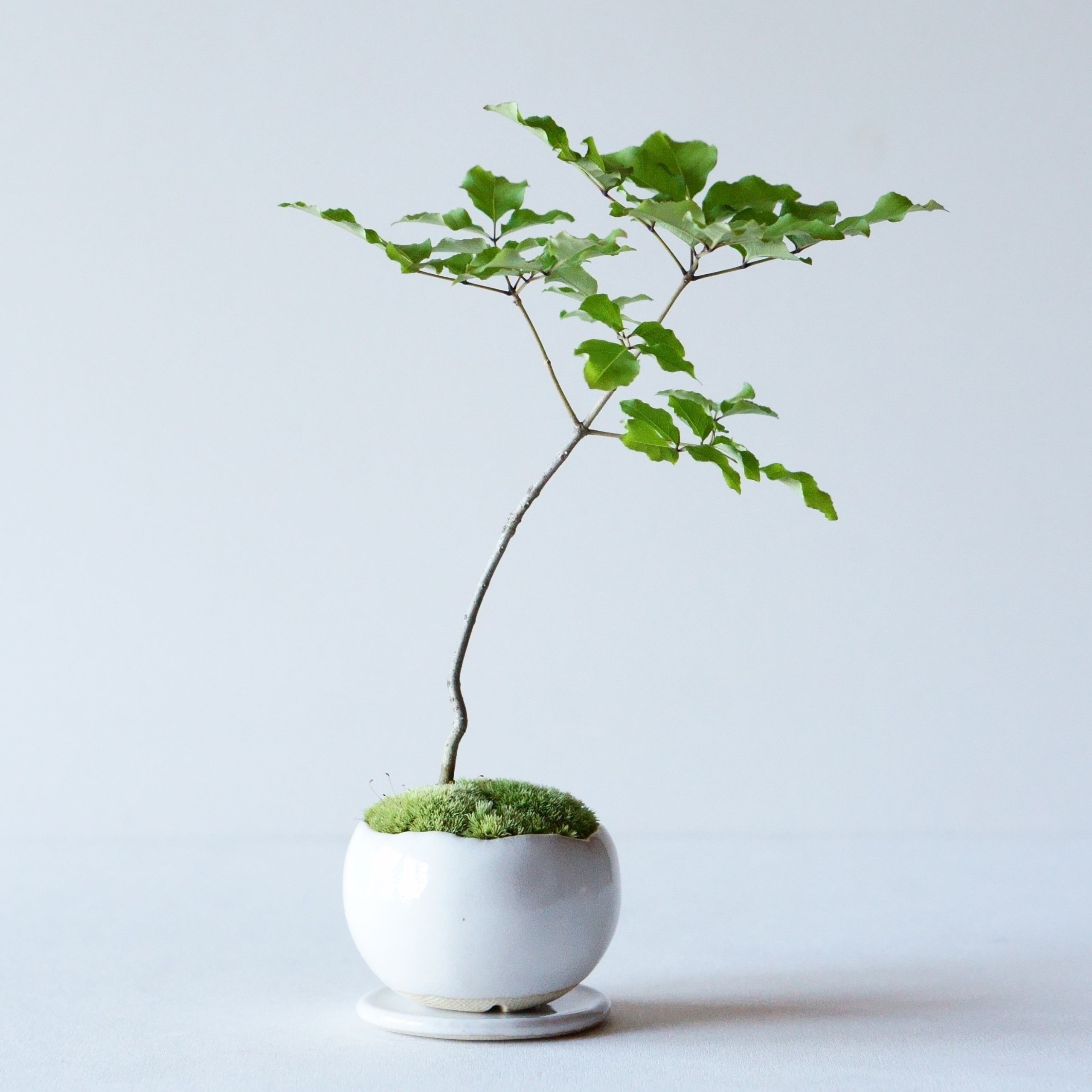 トネリコ(アオダモ)
-
 ブナ
-
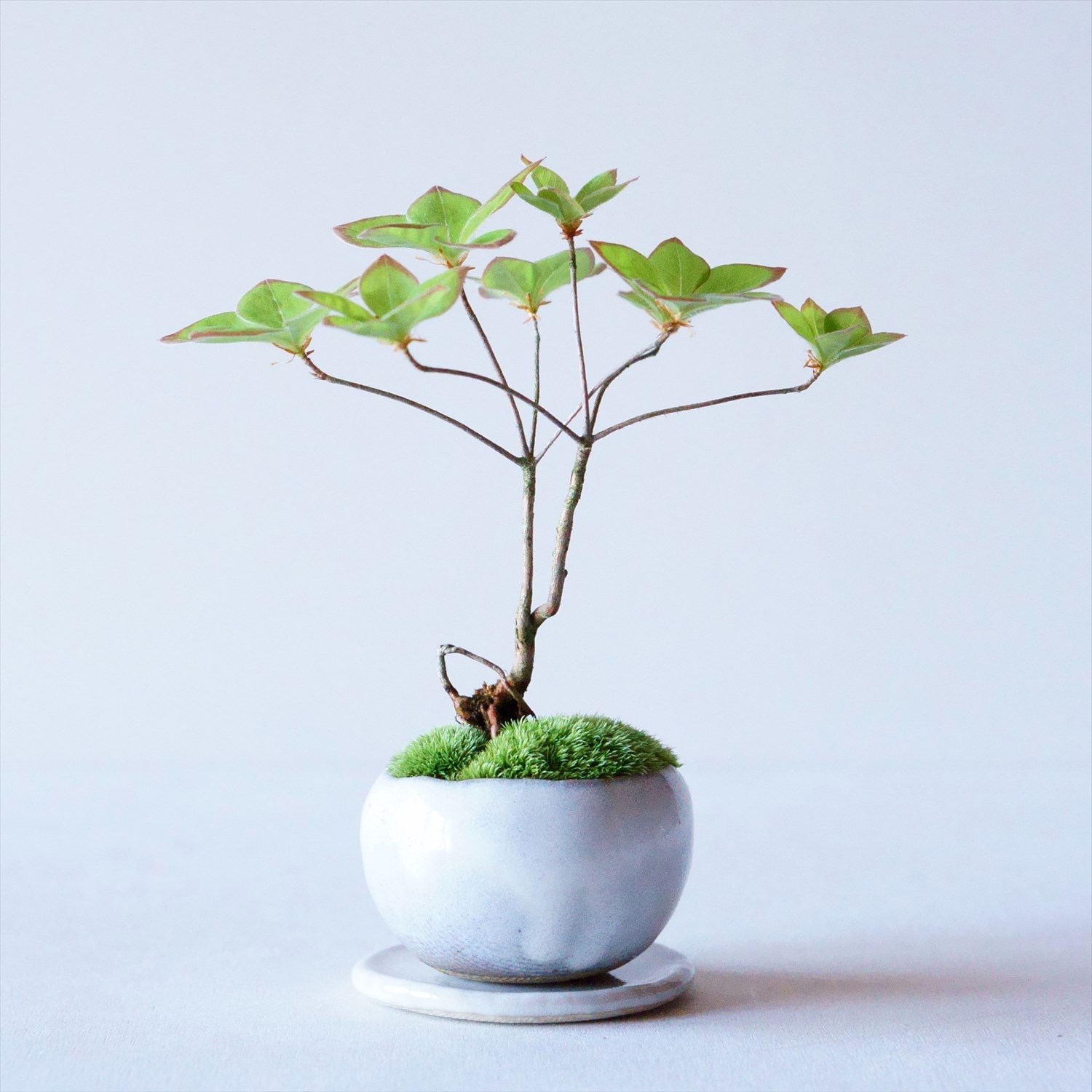 シロヤシオ
-
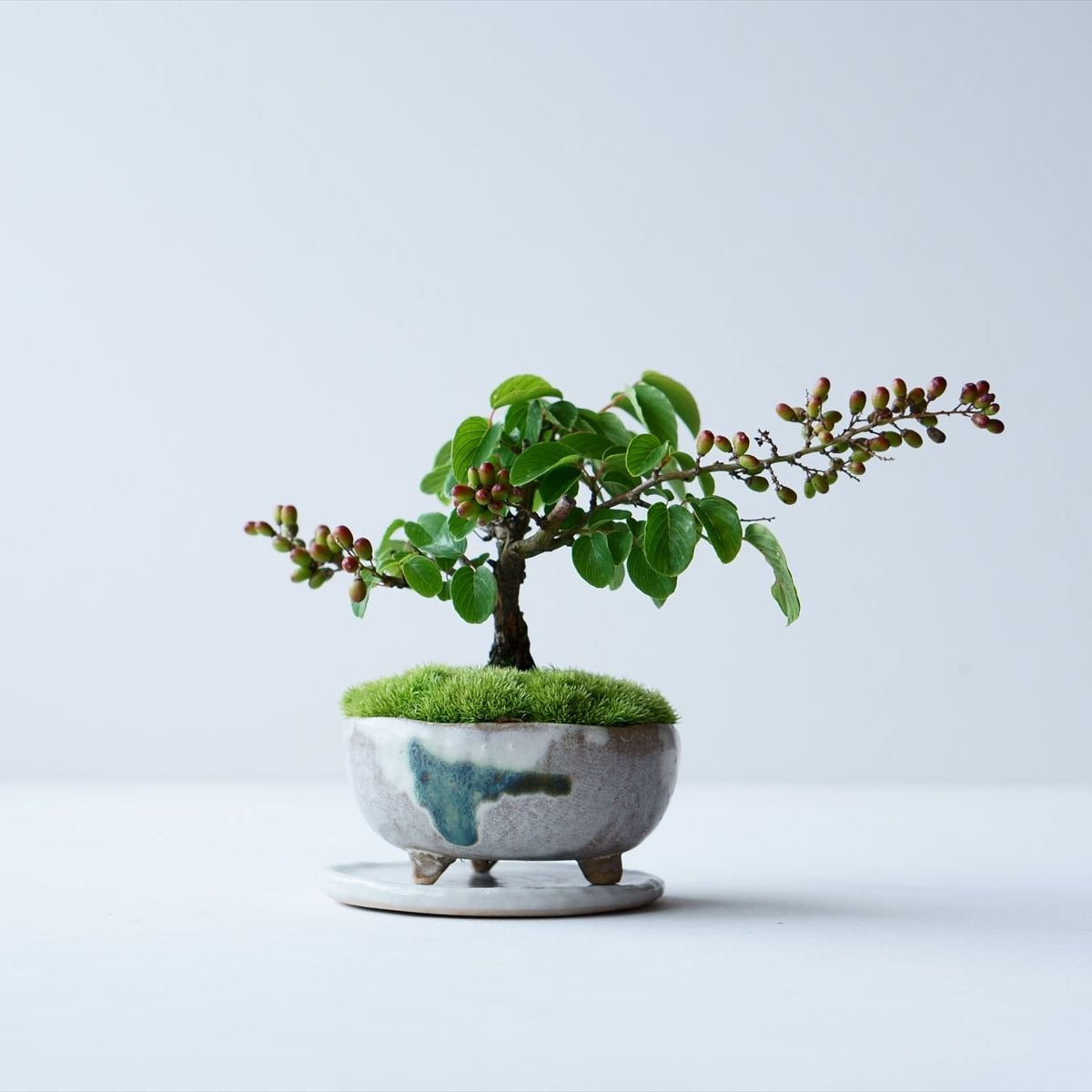 クマヤナギ
-
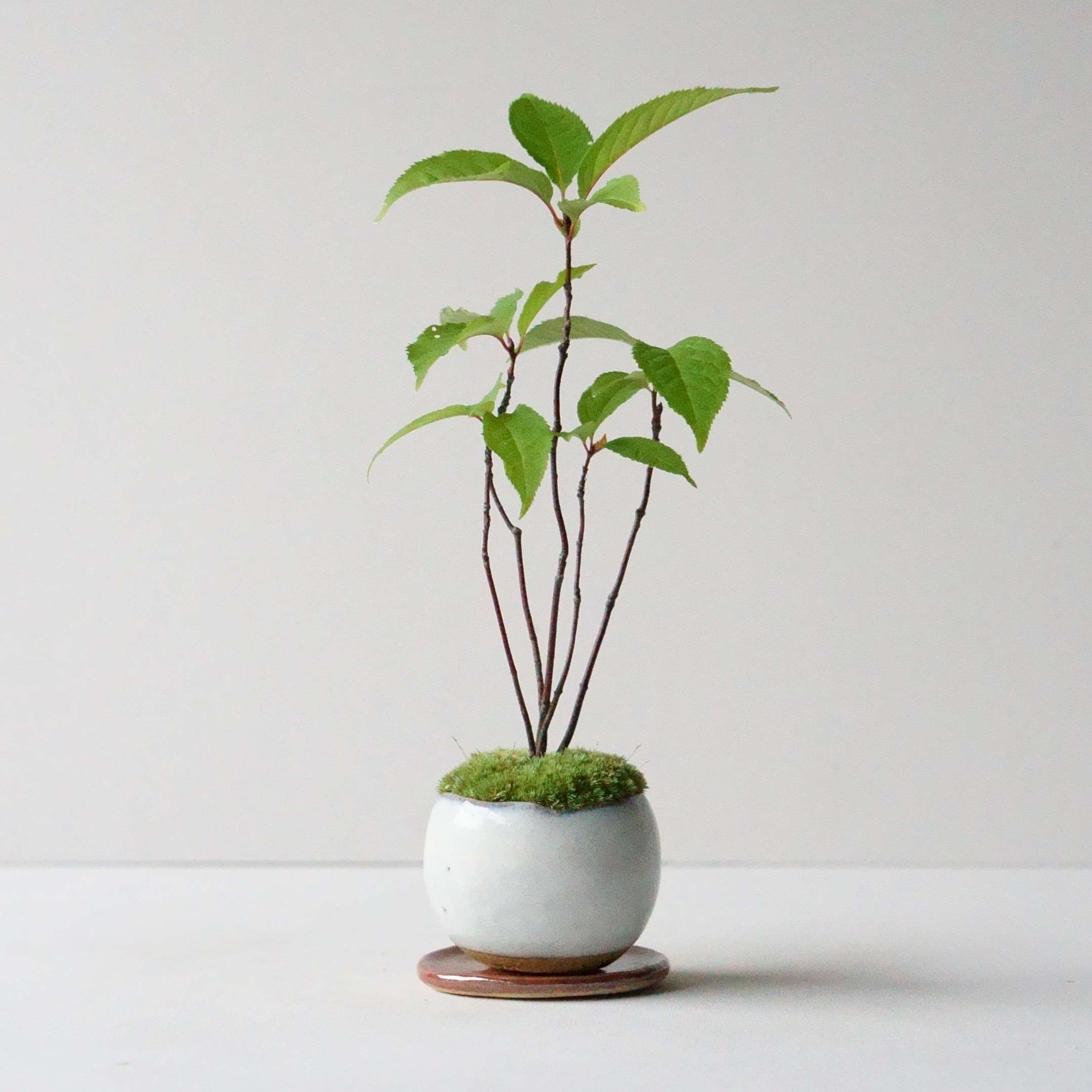 キブシ
-
 クロモジ
-
 夏ハゼ
-
 マルバカエデ
-
 金芽ケヤキ
-
 ヤマドウタン
-
 エゴノキ
-
 ケヤキ
-
 ガマズミ
-
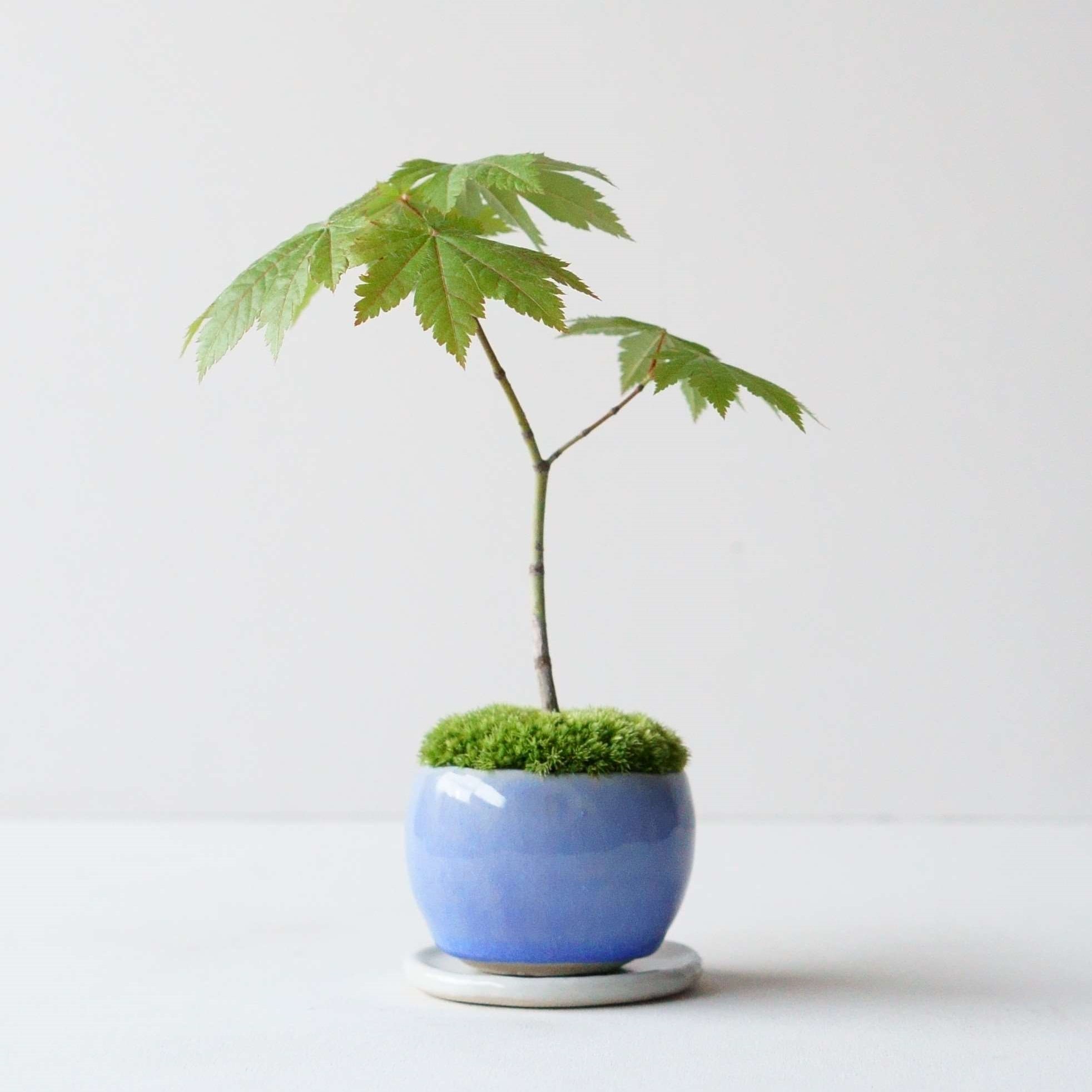 ウチワカエデ
-
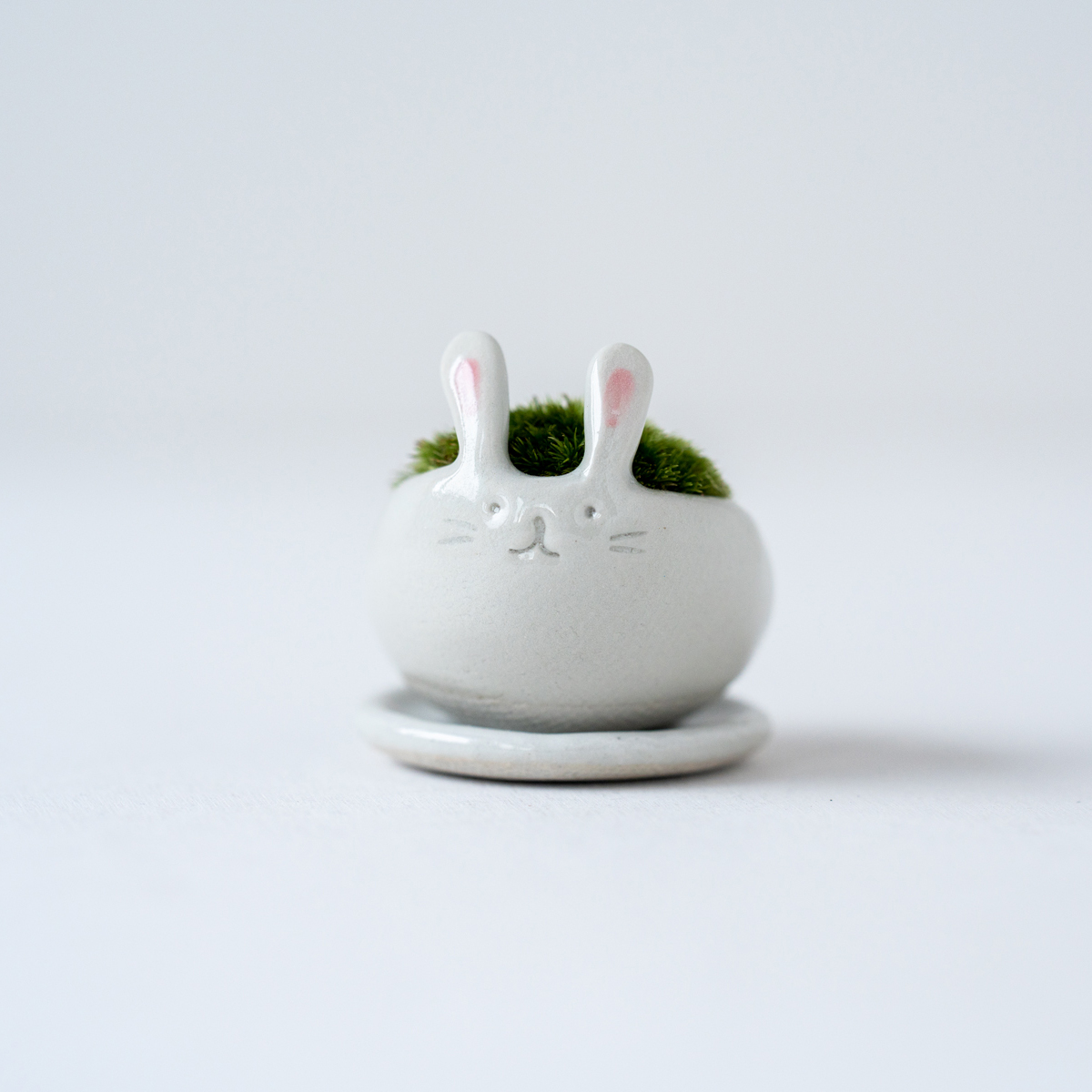 まるうさぎ


