
ハゼ oxicodendron succedaneum (L.) Kuntze


面白や
正岡子規
一尺の木も
櫨紅葉
ハゼ oxicodendron succedaneum (L.) Kuntze
ハゼの育て方
置き場所
屋外の場合
基本的には日当たりと風通しの良い場所で育成します。ハゼは日光を好み、十分に日を浴びることで丈夫な葉が育ち、秋には美しい紅葉を楽しめます。ただし、夏の強い直射日光や西日は葉焼けや水切れの原因になりますので注意しましょう。
「春・秋」
日当たりと風通しの良い環境で育成しましょう。特に春は新芽が芽吹く大切な時期です。十分に日の光を浴びることで、丈夫で健康的な葉に育ちます。秋も日当たりの良い場所で管理することで、美しい紅葉につながります。
※春先、芽吹いたばかりの柔らかい葉は、夜間の冷え込みや遅霜によって傷む可能性があります。寒さが厳しい夜は軒下や半屋内に移すなど工夫しましょう。
「夏場」
風通しの良い明るい半日陰で管理します。強い直射日光や西日は葉焼けや急激な水切れの原因となり、秋の紅葉にも影響します。よしずや遮光ネットなどを用いて、優しい日陰をつくるのもオススメです。
「冬場」
落葉後は休眠期に入りますので、自然界と同様にしっかり冬を体験させましょう。基本的には屋外管理で大丈夫ですが、小さな鉢は根が凍結しやすいため、強い寒風や霜から保護します。ムロや半屋内など、暖房のない寒い場所での管理をオススメします。落葉後は日光をあまり必要としませんが、春の芽吹き前には明るい場所に戻しましょう。
屋内の場合
ハゼは本来、屋外で四季を感じながら育つ落葉樹です。屋内で鑑賞する場合は、できるだけ明るく風通しの良い場所を選び、定期的に屋外で管理する時間を設けましょう。エアコンの風が直接当たる場所や、長時間の直射日光で極端に高温になる窓辺は避けてください。
「春・秋」
日当たりの良い窓辺など、明るい場所で育成しましょう。特に春は新芽が芽吹く大切な時期です。できるだけ屋外で日光や自然の風に当て、健康的な葉を育てましょう。秋も十分な日照と自然な気温の変化を経験させることが、美しい紅葉につながります。
「夏場」
明るく風通しの良い場所で管理します。窓越しの強い直射日光は葉焼けの原因になりますので、レースのカーテンなどで遮光してあげると良いでしょう。また、締め切った部屋では熱がこもり、植物が傷むことがあります。できるだけ風を通し、涼しい環境を整えましょう。
※室内育成の場合、小さな扇風機やサーキュレーターなどで優しい風を当てるのも効果的です。常時強い風を当てるのではなく、リズム風や自然風に調整できるものが良いでしょう。
「冬場」
ハゼは落葉樹のため、冬の寒さを経験して休眠することが大切です。11月~2月頃は、基本的に屋外に近い寒い環境で管理しましょう。暖房の効いた室内で長期間育成すると、自然な季節のリズムが乱れる原因になります。落葉後は日光をあまり必要としませんが、鉢土の凍結や極端な乾燥には注意しましょう。
水やり
ハゼは生育期に水を必要とするため、特に春から夏は水切れに注意しましょう。乾燥によって葉が傷むと、秋の美しい紅葉にも影響します。
水やりの目安は、春秋は1日1回、夏は朝夕の1日2回、冬は2~3日に1回です。ただし、鉢の大きさや置き場所、気温によって乾き方が異なりますので、用土が乾いていない場合は無理に与える必要はありません。
暑い時期には、朝や夕方に霧吹きなどで葉水を与えると、葉の乾燥防止に役立ちます。また、どうしても乾燥しやすい時期や外出時などは、一時的に腰水を利用する方法も有効です。長期間水に浸けたままにしないよう注意しましょう。
※冬場、屋外で越冬させる場合は水の吸収が少なくなります。水やりの回数を減らしながら、定期的に用土の乾き具合を確認しましょう。
肥料
春の芽吹き後から初夏にかけて、また暑さが和らぐ秋に液肥を与えます。目安として4~6月頃と9~10月頃に週1回、規定の希釈倍率で与えましょう。
※バイオゴールドヴィコント564を基準にしています。その他の肥料を与える場合は説明書などを参考にしてください。
※置き肥の場合は、春の芽吹き後から梅雨入り前と、秋の9~10月頃を中心に固形肥料を与えます。肥料の与えすぎは枝の徒長につながるため、生育状態を見ながら量を調整しましょう。真夏の猛暑期や冬の休眠期は施肥を控えます。
病害虫
比較的丈夫な樹木ですが、アブラムシやカイガラムシ、ハマキムシなどが発生することがあります。特に春から夏の成長期は新芽や葉の裏側を定期的に観察し、害虫を見つけたら早めに駆除しましょう。
※ハゼはウルシ科の植物です。樹液や葉などに触れると、まれに体質によっては皮膚がかぶれる場合があります。剪定や植え替えなどのお手入れの際は手袋を着用し、直接肌に触れないよう注意しましょう。
木々の小話
秋を染める、櫨紅葉
秋が深まるころ、山々の木々は少しずつ色づき始めます。なかでも櫨の紅葉はひときわ鮮やかで、緑から橙、そして燃えるような朱色へと移り変わる葉姿は、秋の訪れを美しく知らせてくれます。
その美しさは古くから人々の心を惹きつけ、「櫨紅葉(はぜもみじ)」という言葉は、俳句の秋の季語としても親しまれてきました。
春には柔らかな新芽を伸ばし、夏には羽のように連なる緑葉が涼やかな陰影をつくります。秋の華やかな紅葉を終えると、冬には葉を落とし、静かな枝姿へ。
季節ごとに装いを変える櫨の姿には、移ろいゆくものの美しさを愛でる、日本人の繊細な自然観が感じられます。
小さな盆栽の中に、山々の秋景色を思い浮かべる。それもまた、盆栽ならではの楽しみ方です。
暮らしを照らした、櫨の灯り
櫨は、紅葉の美しさだけでなく、日本人の暮らしを支えてきた歴史を持つ樹木です。
その小さな果実からは「木蝋(もくろう)」と呼ばれる植物性の蝋が採れ、古くから和ろうそくの原料として利用されてきました。
とりわけ江戸時代には、櫨の栽培が各地に広まり、和ろうそくの生産は人々の暮らしや地域の産業と深く結びついていきました。
和ろうそくの炎は、ゆらゆらと揺らめきながら、柔らかな光で周囲を照らします。その灯りは、寺院や仏壇、そして人々の暮らしの中で大切にされてきました。
秋には美しい紅葉で人々の目を楽しませ、実りは温かな灯りとなって暮らしを支えてきた櫨。
一枚の葉に季節の美しさを、一粒の実に日本の手仕事の歴史を宿す、趣深い樹木なのです。
ハゼの詳しいお手入れ
ハゼ(櫨)に適した用土
比較的土質を選びませんが、水はけと保水性のバランスが良い用土を好みます。一般には赤玉土を主体に、桐生砂などを混ぜ合わせたものを使用します。
【石木花の土】が適合します。
植え替え
約1~3年に1回を目安に、鉢の大きさや根の状態を見ながら植え替えます。特に小さな鉢では用土が傷みやすいため、定期的な植え替えが大切です。適期は春の芽出し前(3月上旬~下旬くらい)です。
一度鉢から抜き、周囲の古い土を優しく落とします。根の状態を確認しながら、長く伸びた根や傷んだ根を整理しましょう。細い根はできるだけ残し、必要以上に切り詰めないことが大切です。
植え替え後は強い日差しや風を避け、根が落ち着くまで明るい日陰で管理しましょう。
剪定
ハゼは自然な枝ぶりと美しい紅葉が魅力の樹木です。春から初夏の成長期には新しい枝が伸びてきますので、極端に伸びた枝を切り戻して樹形を整えましょう。
枝が伸びる方向や葉の付き方を観察しながら、木の輪郭を整えるイメージで剪定します。強く切り詰めすぎず、自然な姿を生かして育てるのがコツです。
※ハゼはウルシ科の植物です。樹液などに触れるとかぶれる場合がありますので、剪定や植え替えの際は手袋を着用しましょう。
ハゼ(櫨)育成のポイント
○植物に四季を体感させてあげることで末永く健康的に育成できます。特に冬は落葉して休眠するため、しっかりと休ませてあげましょう。
○春と秋は日当たりと風通しの良い場所で育成します。十分に日光に当てることで、健やかな葉の生長と秋の美しい紅葉につながります。
○夏は強い直射日光や西日を避け、明るい日陰や半日陰で管理します。葉焼けや水切れを起こすと、美しい紅葉を楽しめなくなる場合があります。
○小さな鉢で育成する場合、水切れさせないように注意します。特に夏場は、朝に水をやっても夕方乾いてしまうようなら置き場所を工夫し、できるだけ涼しい所で管理しましょう。どうしても乾いてしまう場合には、一時的に腰水で凌ぎます。※日々の育て方をご参照ください。
○暑い時期や乾燥する時は、朝や夕方に葉水をするのも効果的です。
○屋内管理の時間が長いと、日照や風通しが不足し、徐々に元気がなくなってしまいます。基本的には屋外で育て、自然の風や雨に当てるよう心がけましょう。
○冬は落葉しますが、枯れているわけではありません。屋外の寒さを体験させながら、鉢土の強い凍結や乾いた寒風から保護しましょう。
○肥料は春から初夏と秋の生育期に適量を与えます。与えすぎると枝葉が伸びすぎるため、樹形を見ながら控えめに管理しましょう。
○ハゼはウルシ科の植物で、体質によっては樹液や葉との接触でかぶれることがあります。お手入れの際は手袋を着用し、直接肌に触れないようにしましょう。
Basic Maintenance and Care
Placement
Outdoor Care
Haze generally grows best in a sunny, well-ventilated location. It prefers sunlight, which encourages healthy foliage and beautiful autumn colors. However, strong summer sunlight and intense afternoon sun can cause leaf scorch and dehydration, so take extra care during the summer months.
“Spring & Autumn”
Grow the plant in a sunny, well-ventilated location. Spring is especially important, as new leaves begin to emerge. Adequate sunlight helps the leaves grow strong and healthy. Providing sufficient sunlight in autumn also encourages beautiful fall colors.
※ In early spring, newly emerged leaves may be damaged by cold nighttime temperatures or late frost. When nights remain cold, protect the plant by moving it under the eaves or into a sheltered, unheated area.
“Summer”
Keep the plant in a bright, well-ventilated location with partial shade. Strong direct sunlight and intense afternoon sun can cause leaf scorch and rapid dehydration, which may affect its autumn colors. Using bamboo screens or shade nets to create gentle shade is recommended.
“Winter”
After shedding its leaves, Haze enters its dormant period and should experience a naturally cold winter. Outdoor care is generally suitable, but the roots of small bonsai can freeze easily, so protect the plant from strong cold winds and frost. We recommend keeping it in a cold frame or a sheltered, unheated area. Once the leaves have fallen, the plant requires very little sunlight, but it should be returned to a bright location before new growth begins in spring.
Indoor Care
Haze is a deciduous tree that naturally grows outdoors and experiences the changing seasons. When displaying it indoors, choose a bright, well-ventilated location and regularly allow it to spend time outdoors. Avoid direct airflow from air conditioners or heaters, as well as windowsills where prolonged direct sunlight may cause excessive heat.
“Spring & Autumn”
Place the plant near a bright, sunny window. Spring is especially important, as new leaves begin to emerge. Whenever possible, expose the plant to natural sunlight and fresh outdoor air to encourage strong, healthy foliage. In autumn, sufficient sunlight and natural temperature changes help promote beautiful autumn colors.
“Summer”
Keep the plant in a bright, well-ventilated location. Strong sunlight through windows can cause leaf scorch, so using a sheer curtain to provide gentle shade is recommended. Heat can also build up in closed rooms and damage the plant. Maintain good airflow and a relatively cool environment whenever possible.
※ When growing indoors, using a small fan or air circulator to create a gentle breeze can also be beneficial. Rather than directing a constant strong airflow at the plant, choose a natural or intermittent breeze setting.
“Winter”
As a deciduous tree, Haze needs to experience winter cold in order to enter its natural dormancy. From approximately November to February, keep it in a cool environment similar to outdoor conditions. Keeping it in a heated room for extended periods can disrupt its natural seasonal growth cycle. After the leaves have fallen, the plant requires very little sunlight, but care should be taken to prevent the soil from freezing or drying out excessively.
Watering
Haze requires sufficient water during its growing season, so be particularly careful to prevent the soil from drying out in spring and summer. Drought stress can damage the leaves and affect their beautiful autumn colors.
As a general guideline, water once a day in spring and autumn, twice a day (morning and evening) in summer, and once every 2–3 days in winter. However, the rate at which the soil dries depends on the pot size, placement, and temperature. If the soil is still moist, there is no need to water.
During hot weather, misting the foliage with a spray bottle in the morning or evening can help prevent the leaves from drying out. During particularly dry periods or when you are away from home, temporary bottom watering using a shallow water tray can also be effective. Avoid leaving the pot standing in water for extended periods.
※ During winter, when the plant is kept outdoors, its water uptake decreases. Reduce watering frequency while regularly checking the moisture level of the soil.
Fertilizer
Apply liquid fertilizer from spring, after new growth begins, through early summer, and again in autumn when temperatures become cooler. As a general guideline, apply liquid fertilizer once a week from April to June and from September to October, following the recommended dilution ratio.
※ These recommendations are based on BioGold Vicont 564. When using other fertilizers, please follow the manufacturer’s instructions.
※ If using solid fertilizer, apply it mainly from spring after new growth begins until before the rainy season, and again from September to October. Excessive fertilization may cause branches to grow too vigorously, so adjust the amount according to the plant’s condition. Avoid fertilizing during the intense heat of midsummer and the winter dormancy period.
Pests & Diseases
Haze is a relatively hardy tree, but aphids, scale insects, and leafroller caterpillars may occasionally appear. During the growing season from spring to summer, regularly inspect new shoots and the undersides of leaves. Remove pests promptly if any are found.
※ Haze belongs to the Anacardiaceae (cashew family). Contact with its sap or leaves may cause skin irritation or allergic contact dermatitis in some individuals. Wear gloves when pruning, repotting, or handling the plant, and avoid direct skin contact.
Suitable Soil for Haze (Japanese Wax Tree)
Haze is relatively adaptable to different soil types but prefers a well-balanced soil mixture with good drainage and moisture retention. A mixture primarily consisting of Akadama soil and Kiryu sand is generally recommended.
【Sekibokka Soil】 is suitable for growing Haze.
Repotting
Repot approximately once every 1–3 years, depending on the pot size and the condition of the roots. Regular repotting is particularly important for small bonsai, as the soil can deteriorate more quickly. The best time for repotting is early spring, before new buds emerge (approximately early to late March).
Carefully remove the plant from its pot and gently loosen the old soil around the roots. Inspect the root system and trim any excessively long or damaged roots. Preserve as many fine roots as possible and avoid excessive root pruning.
After repotting, protect the plant from strong sunlight and wind. Keep it in bright shade until the roots have settled and recovered.
Pruning
Haze is admired for its natural branching structure and beautiful autumn foliage. During the growing season from spring to early summer, new shoots will emerge and grow. Prune back excessively long branches to maintain the desired shape of the tree.
Observe the direction of branch growth and the arrangement of the leaves, and prune with the aim of refining the tree’s overall silhouette. Avoid cutting back too severely, allowing the tree to retain its natural, graceful appearance.
※ Haze belongs to the Anacardiaceae (cashew family). Contact with its sap may cause skin irritation or allergic reactions in some individuals. Always wear gloves when pruning or repotting.
Key Points for Growing Haze (Japanese Wax Tree)
○ Allowing the plant to experience the natural changing seasons is essential for maintaining its long-term health. In particular, Haze sheds its leaves and enters dormancy during winter, so it is important to allow it to rest properly.
○ In spring and autumn, grow the plant in a sunny, well-ventilated location. Adequate sunlight encourages healthy foliage and helps produce beautiful autumn colors.
○ During summer, avoid strong direct sunlight and intense afternoon sun. Keep the plant in bright shade or partial shade. Leaf scorch or dehydration may affect the quality of its autumn colors.
○ When growing Haze in a small pot, take extra care to prevent the soil from drying out. Particularly in summer, if the soil becomes dry by evening even after watering in the morning, consider moving the plant to a cooler location. If the soil continues to dry out too quickly, temporary bottom watering can help maintain moisture. ※ Please refer to the Daily Care Guide.
○ During hot or dry weather, misting the foliage in the morning or evening can also be beneficial.
○ Keeping Haze indoors for extended periods may gradually weaken the plant due to insufficient sunlight and ventilation. As a general rule, grow it outdoors and allow it to experience natural breezes and rainfall.
○ Haze naturally sheds its leaves in winter, but this does not mean the tree is dead. Allow it to experience winter temperatures outdoors while protecting the pot from severe freezing and the plant from cold, drying winds.
○ Apply an appropriate amount of fertilizer during the growing seasons of spring to early summer and autumn. Excessive fertilization may cause overly vigorous branch growth, so adjust the amount carefully to maintain the desired shape.
○ Haze belongs to the Anacardiaceae (cashew family). Contact with its sap or leaves may cause skin irritation or allergic contact dermatitis in some individuals. Always wear gloves when handling the plant and avoid direct skin contact.
- 葉 Leaf
-
春には瑞々しい新芽が芽吹き、夏には羽のように連なる細長い緑葉が涼やかな姿を見せてくれます。秋には鮮やかな朱色から深紅へと染まり、ハゼならではの美しい紅葉を楽しめます。冬には落葉し、静かな枝姿になります。
In spring, fresh new leaves emerge, followed by graceful, feather-like green foliage in summer. In autumn, the leaves turn brilliant shades of scarlet and deep crimson, displaying the beautiful autumn colors characteristic of Haze. In winter, the leaves fall, revealing a quiet, elegant silhouette of bare branches.
- 花 Flower
-
5~6月頃、葉の付け根から小さな黄緑色の花を房状に咲かせます。華やかな花ではありませんが、緑葉に溶け込むように咲く控えめな姿が特徴です。
※ハゼは雄株と雌株が分かれている「雌雄異株」の樹木です。また、小さな盆栽では開花しないこともあります。
From May to June, small yellowish-green flowers bloom in clusters near the base of the leaves. Though not particularly showy, their delicate appearance blends naturally with the surrounding green foliage.
- 実 Seed
-
秋になると、雌株には直径1cmほどの小さな実がなり、次第に黄褐色へと熟していきます。この実から採れる「木蝋(もくろう)」は、古くから和ろうそくの原料として利用され、日本の伝統的な暮らしを支えてきました。
In autumn, female trees produce small fruits about 1 cm in diameter, which gradually ripen to a yellowish-brown color. These fruits have long been used to produce mokurou (Japanese tree wax), a traditional material for making Japanese candles, playing an important role in Japan's cultural heritage.
- 耐寒性 Cold
-

- 水やり Water
-

- 日光 Sun
-

- 肥料 Fertilizer
-


-
 赤メギ Berberis thunbergii
-
 ヒイラギ香り姫 Osmanthus heterophyllus (G.Don) P.S.Green
-
ハゼ oxicodendron succedaneum (L.) Kuntze
-
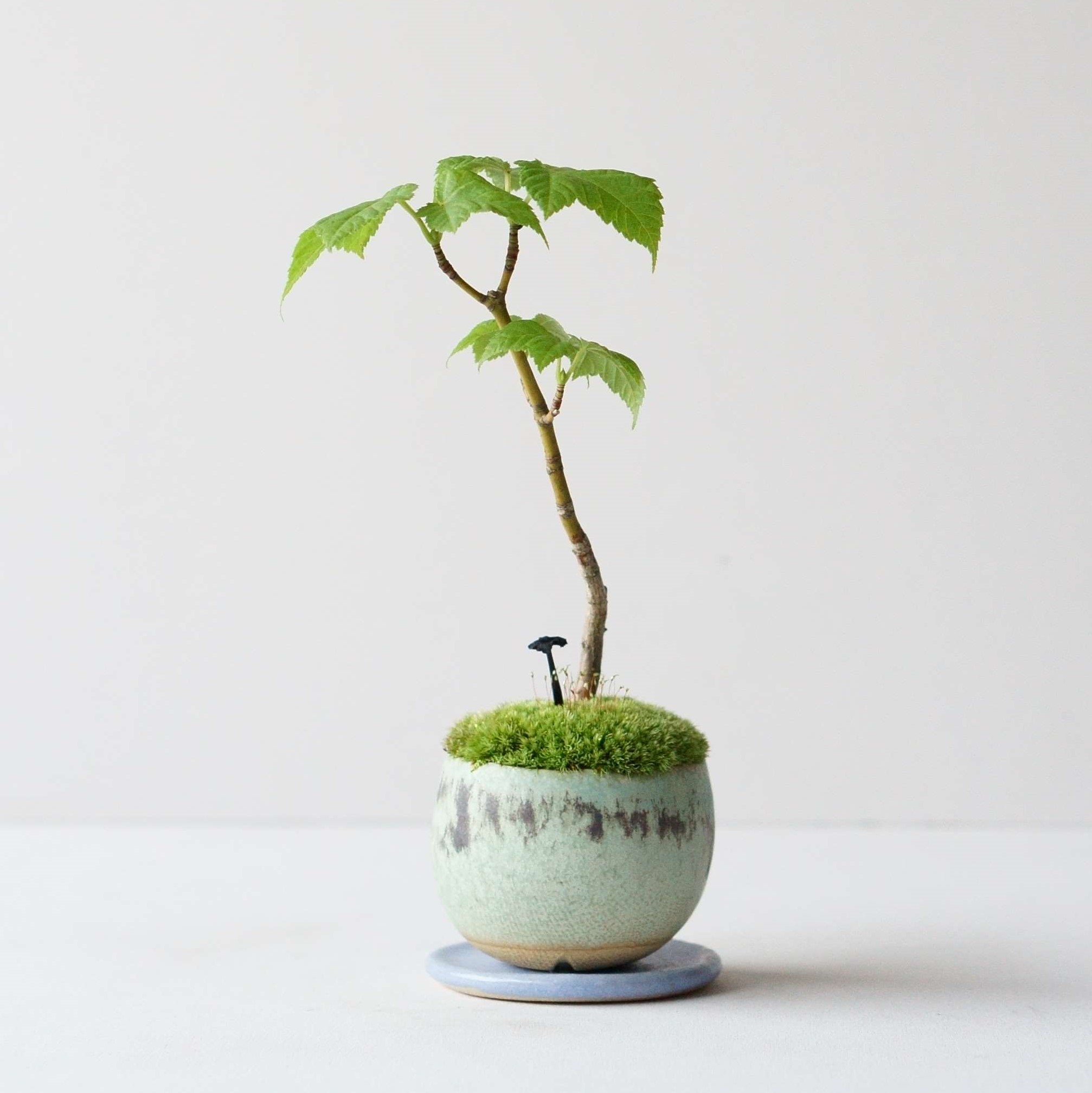 ウリハダカエデ Acer rufinerve
-
 アメリカフジ Wisteria frutescens
-
 ウメモドキ Ilex serrata
-
 マルバシャリンバイ Rhaphiolepis umbellata var. integerrima
-
 斑入りコケモモ Vaccinium vitis-idaea
-
 グミ Elaeagnus multiflora
-
 アケビ Akebia quinata
-
 ハマボウ Hibiscus hamabo
-
 カナシデ Carpinus japonica
-
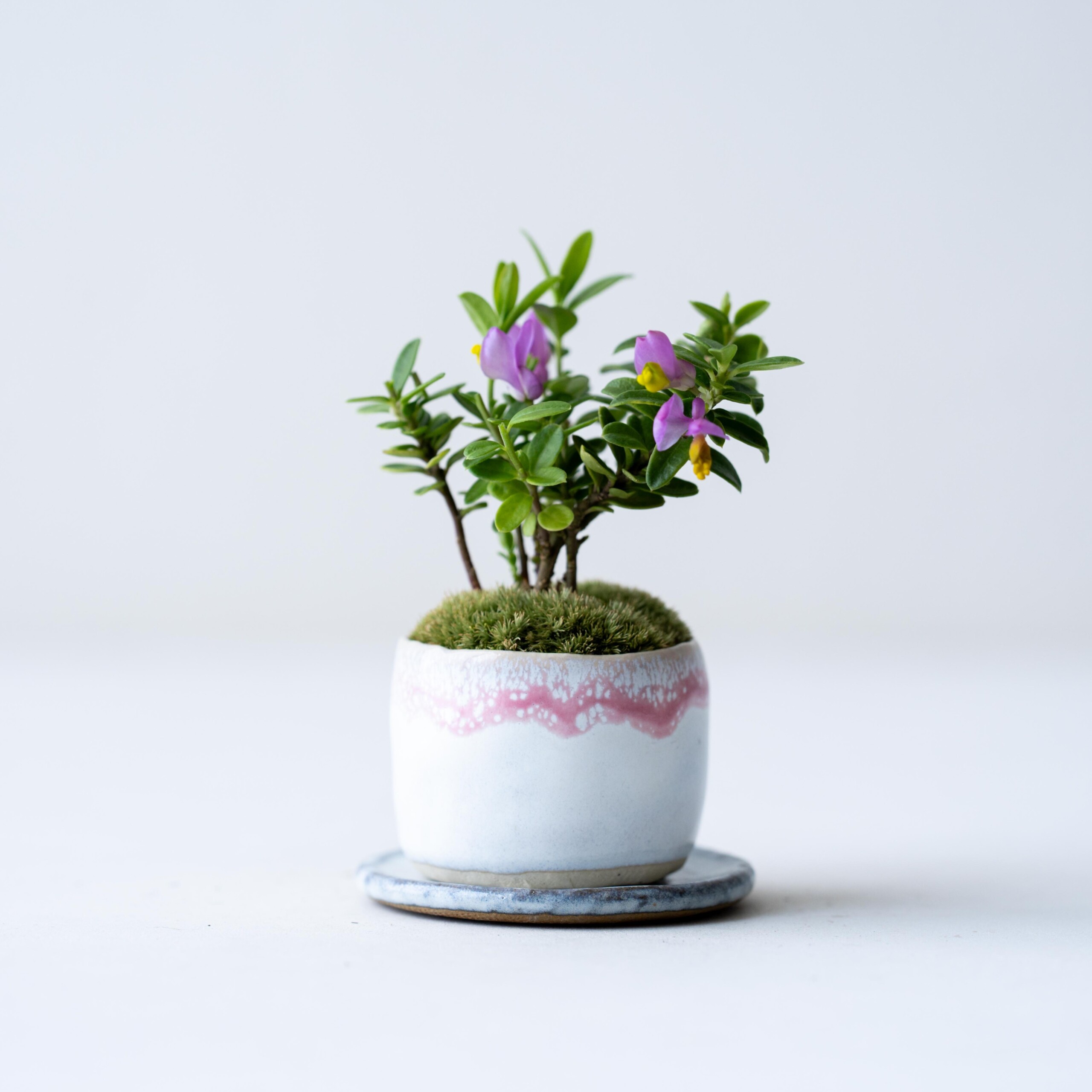 トキワヒメハギ Polygala chamaebuxus var.grandiflora
-
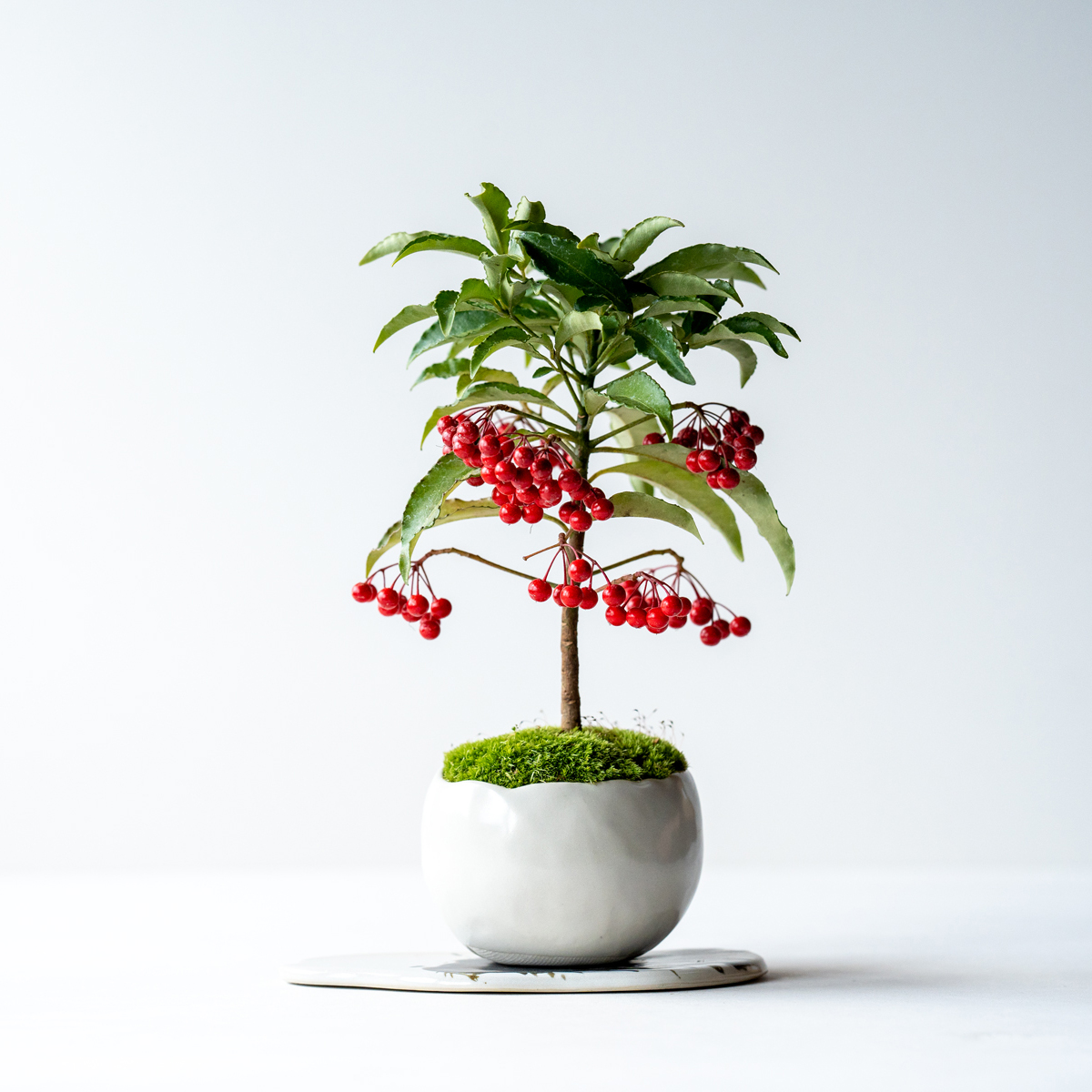 万両 Sarcandra glabra
-
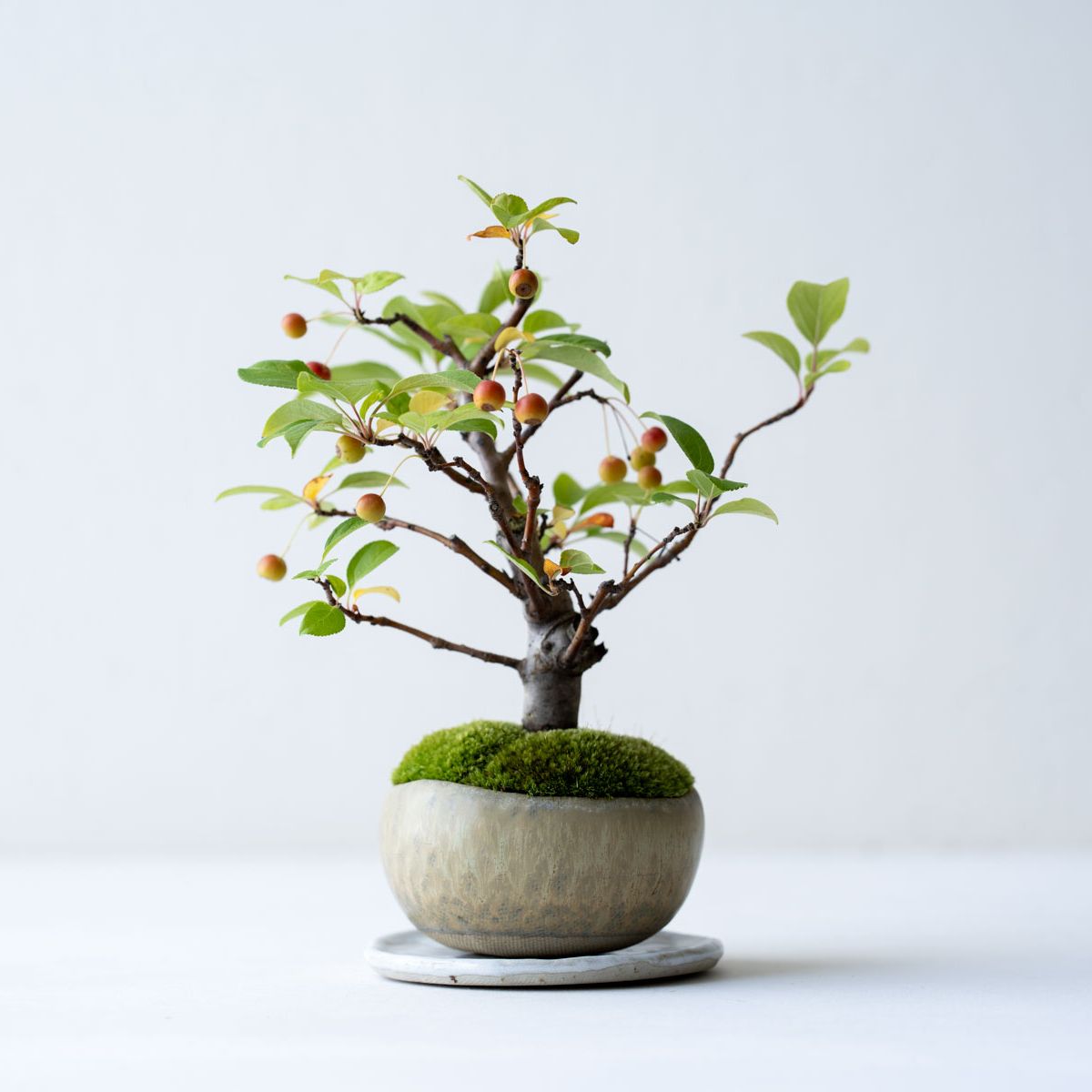 深山カイドウ Malus micromalus
-
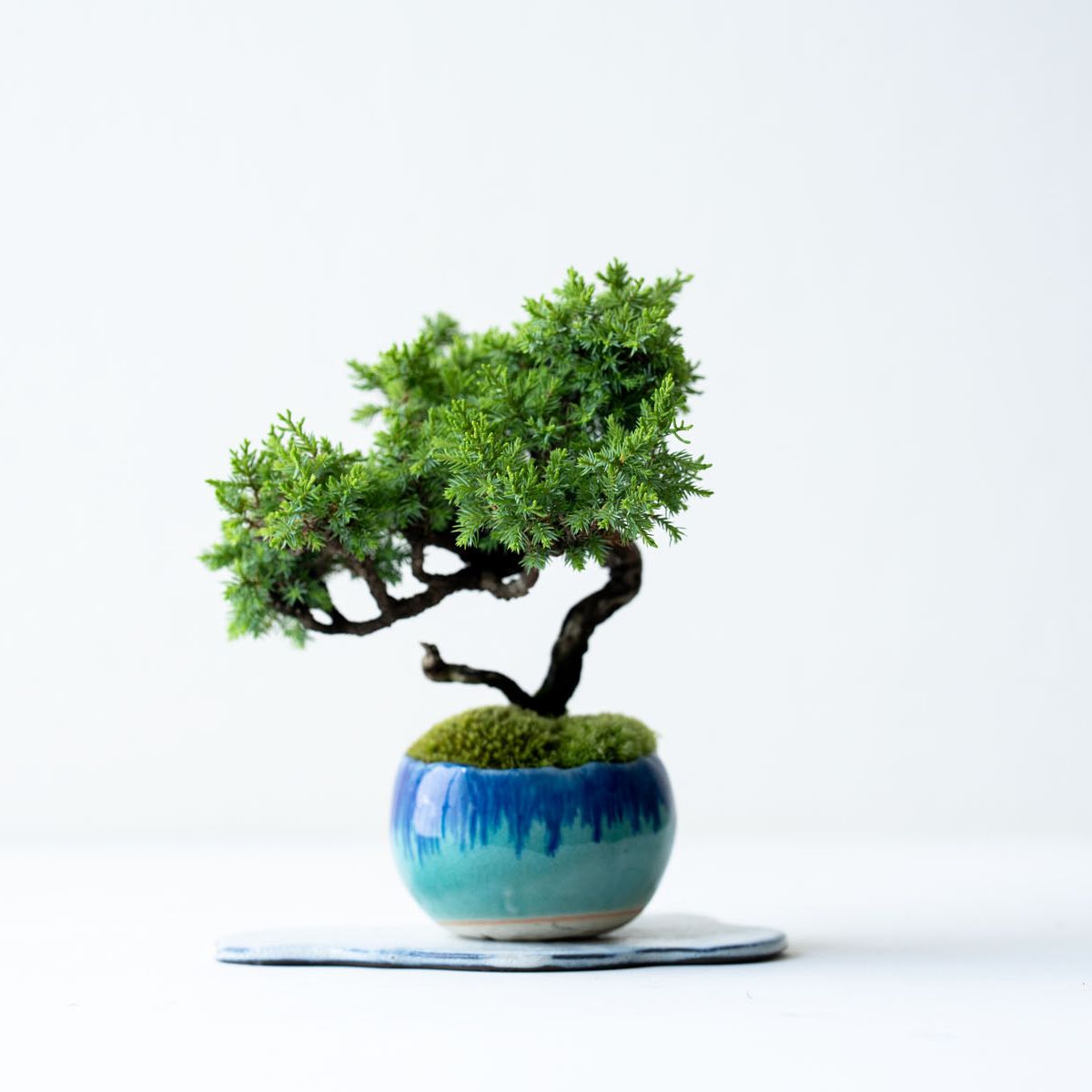 トショウ Juniperus rigida
-
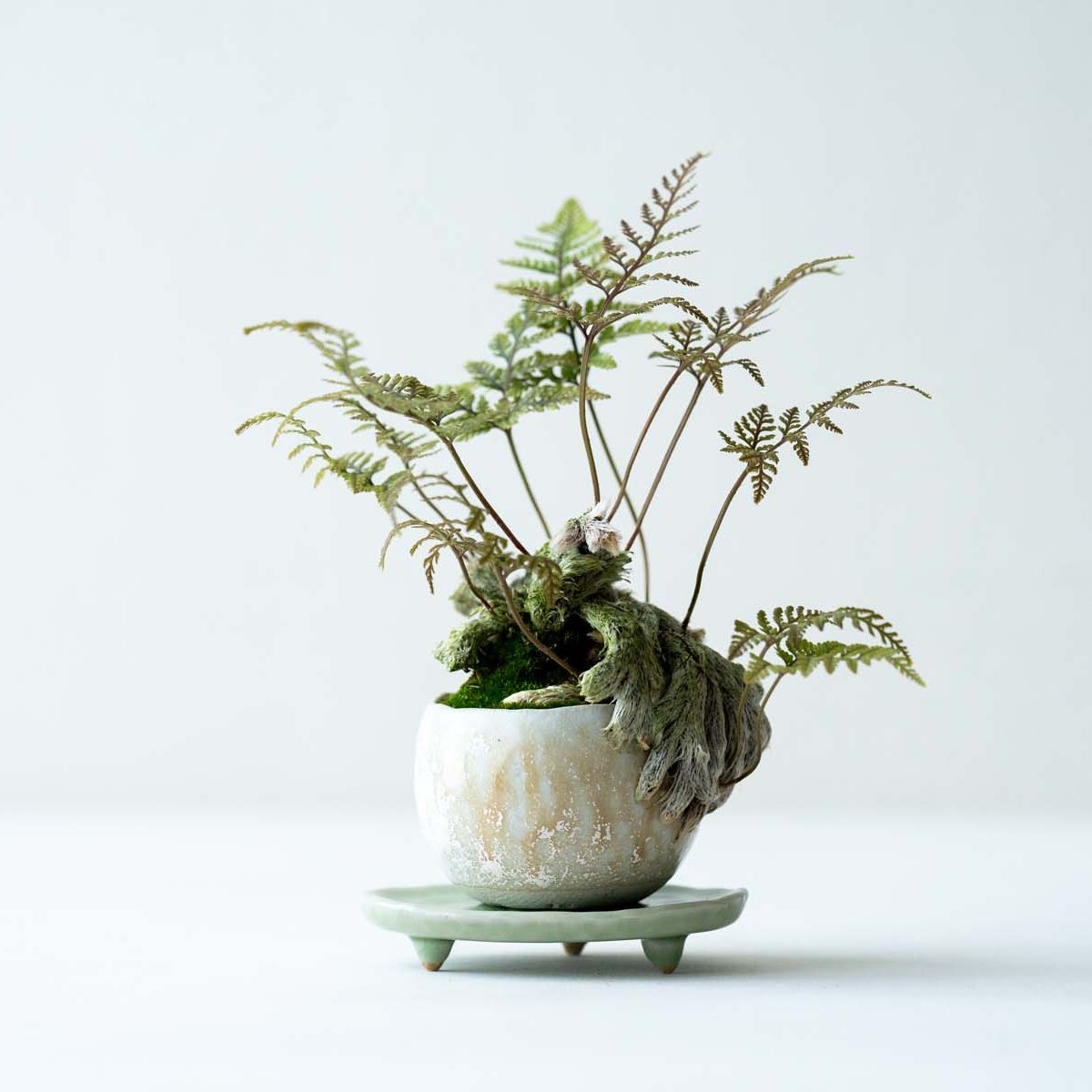 猫の手シダ Rabbit's Foot Fern
-
 ミズナラ Japanese oak
-
 ニワウメ Japanese bush cherry
-
 姫オリーブ Little Ollie
-
 錦糸ナンテン Nandina domestica var.capillaris
-
 桃色ユキヤナギ Fujino Pink Spirea
-
 ツリバナマユミ
-
 タチマユミ
-
 トキワマンサク
-
 銀葉シンパク
-
 イボタ Ligustrum obtusifolium
-
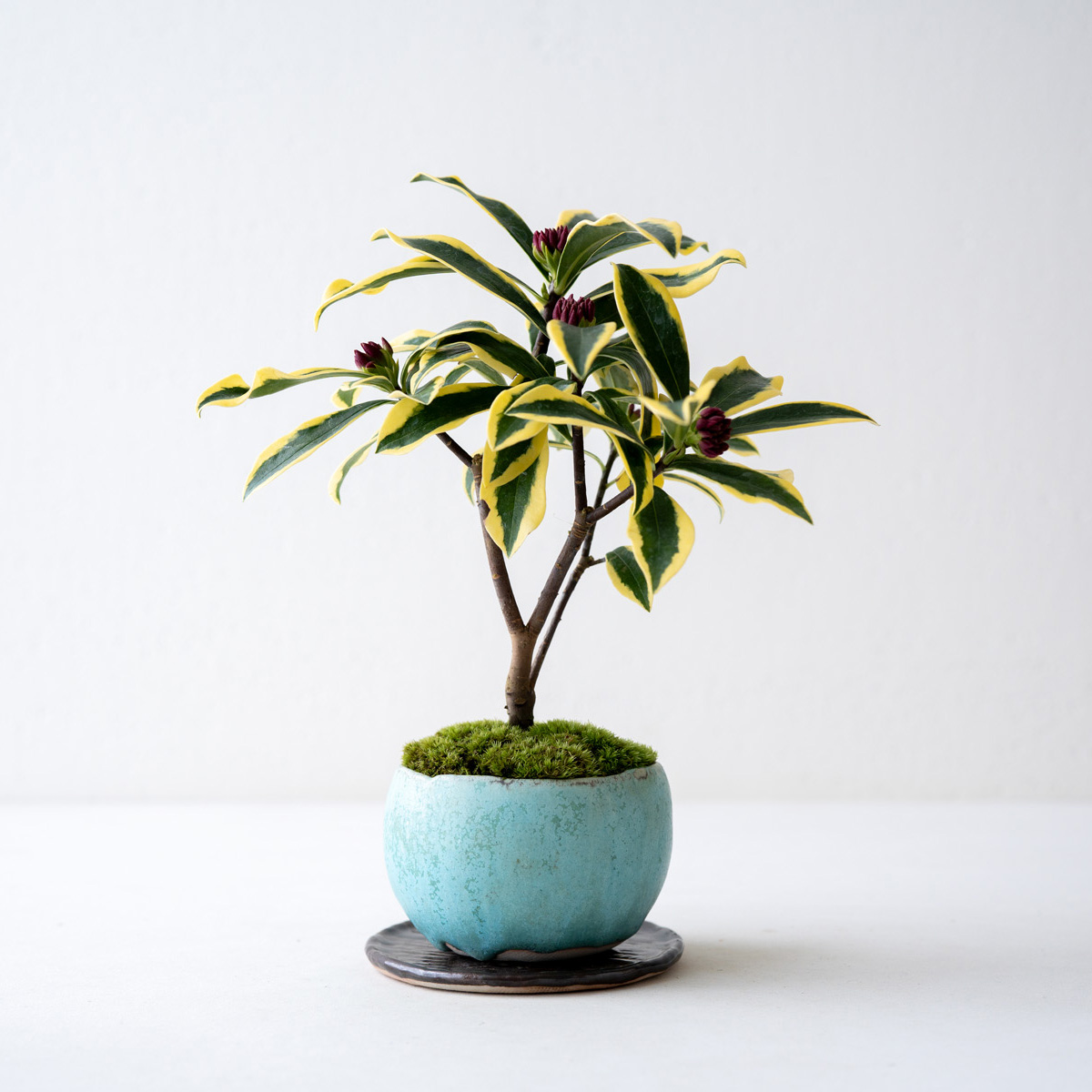 沈丁花 Winter Daphne
-
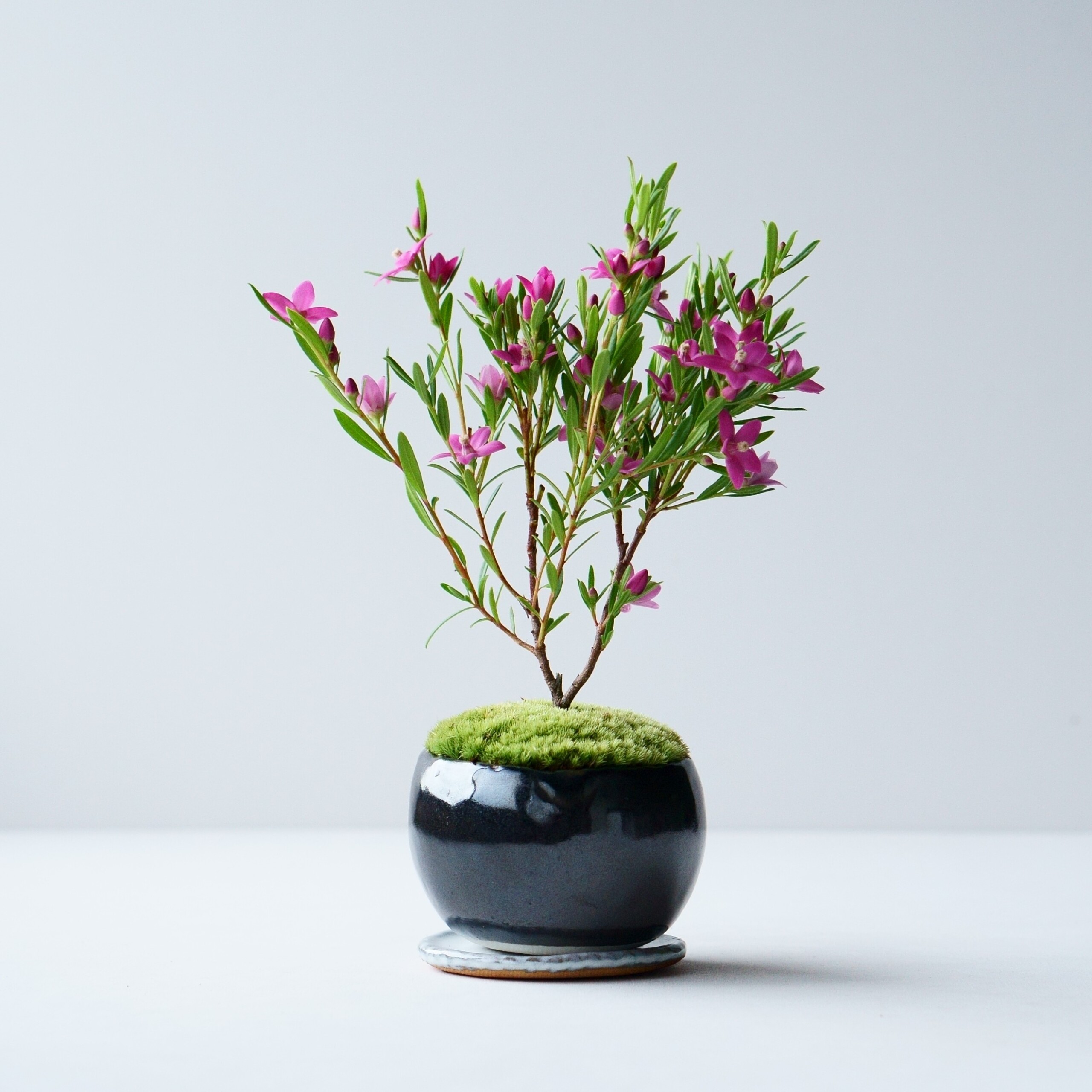 サザンクロス
-
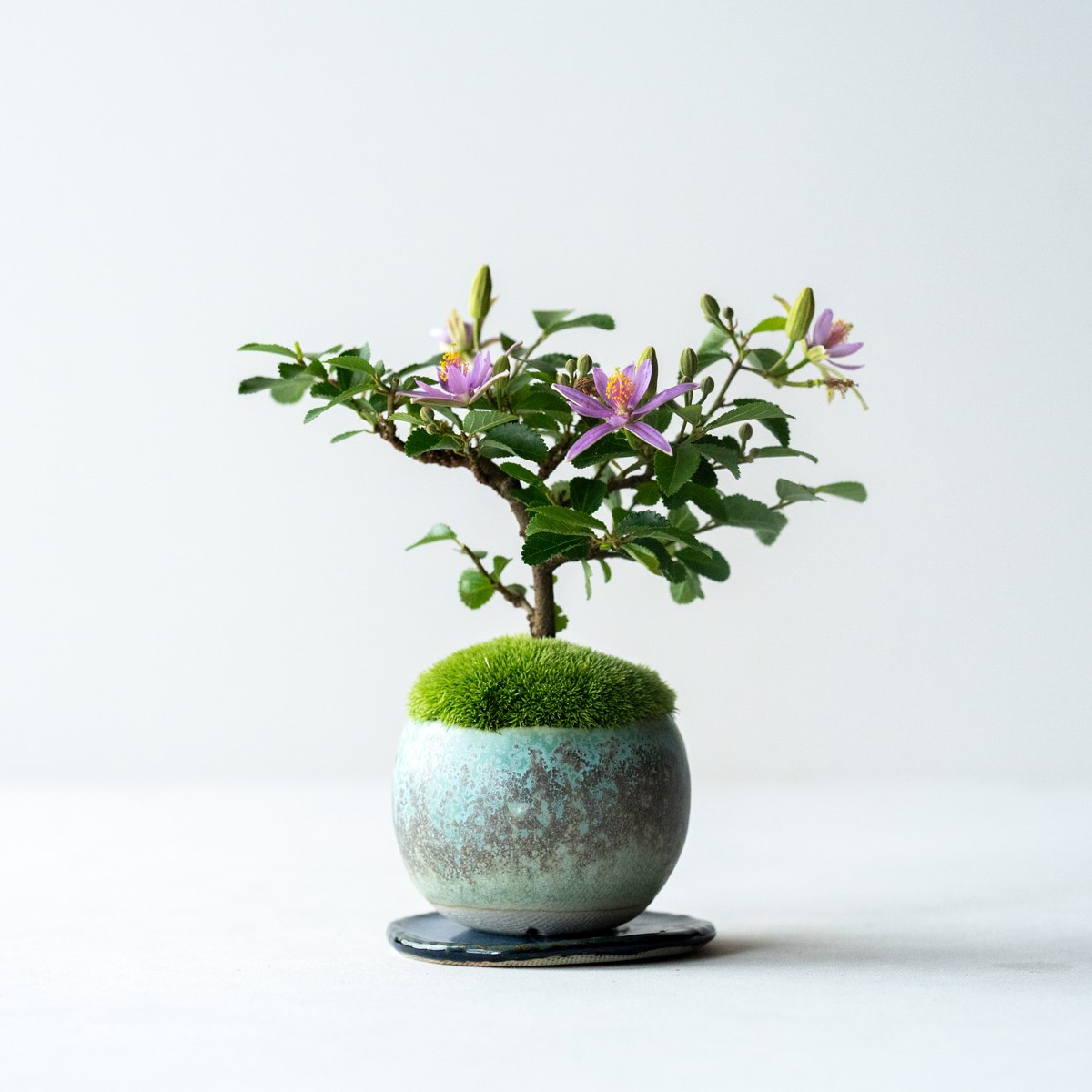 スイレンボク
-
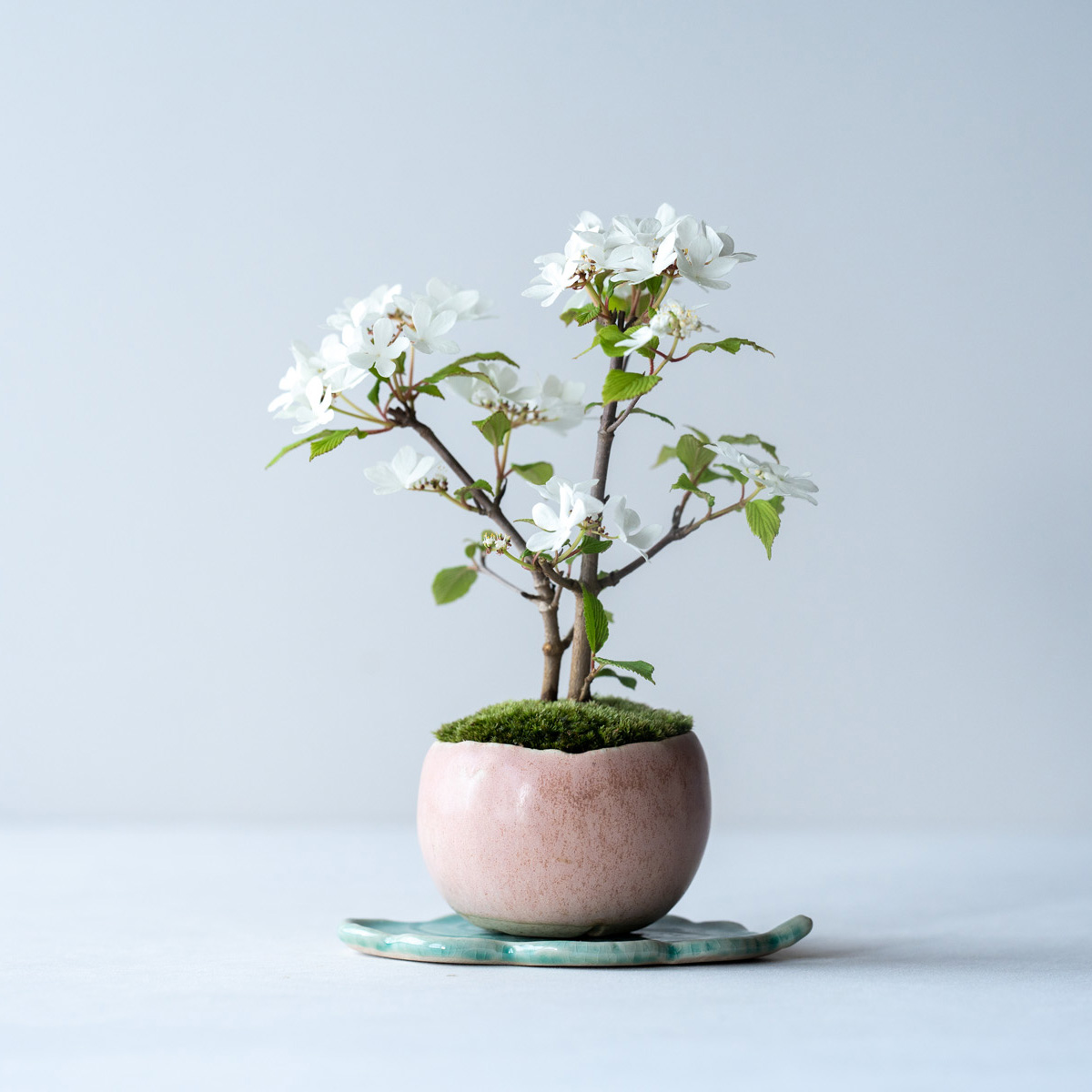 ヤブデマリ
-
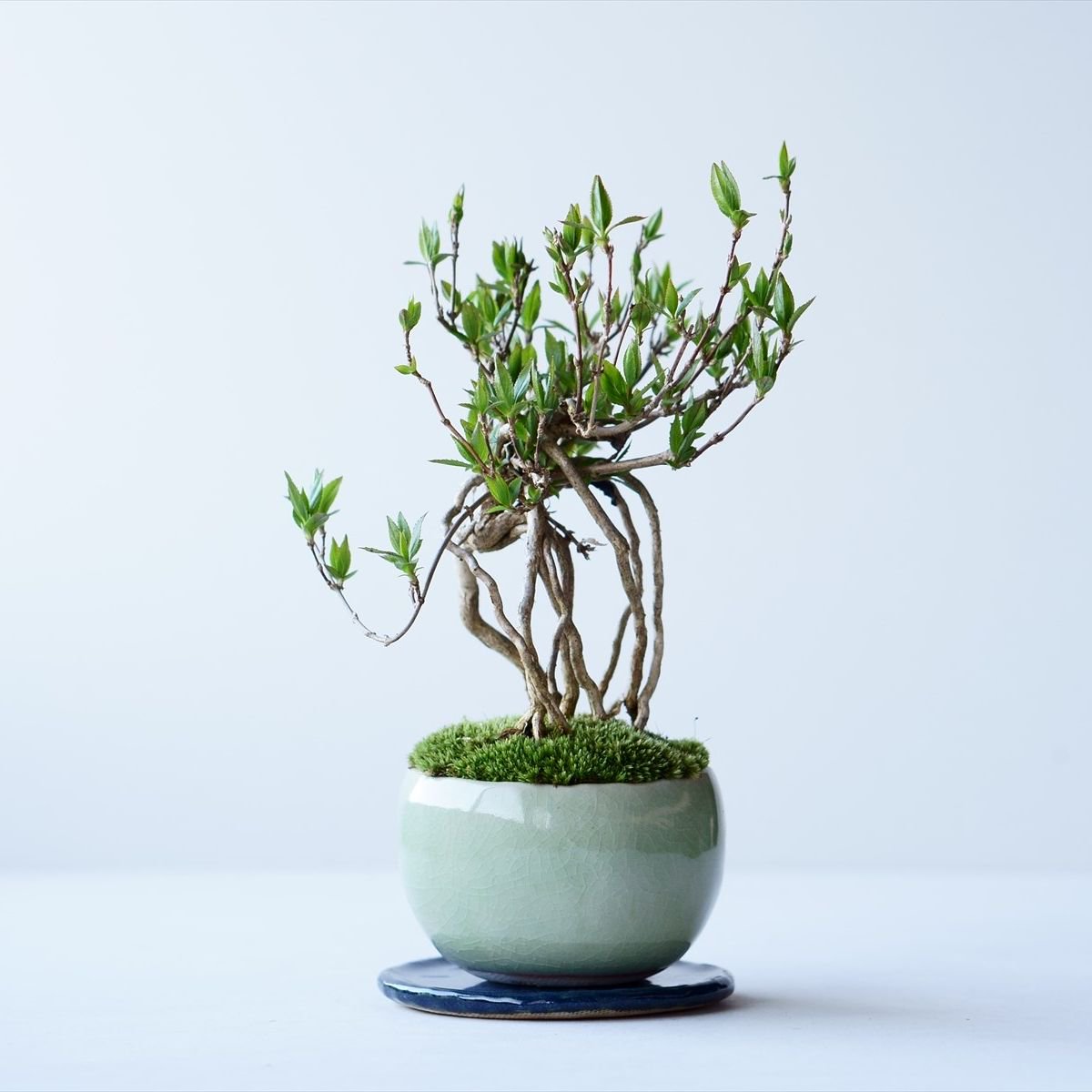 姫ウツギ
-
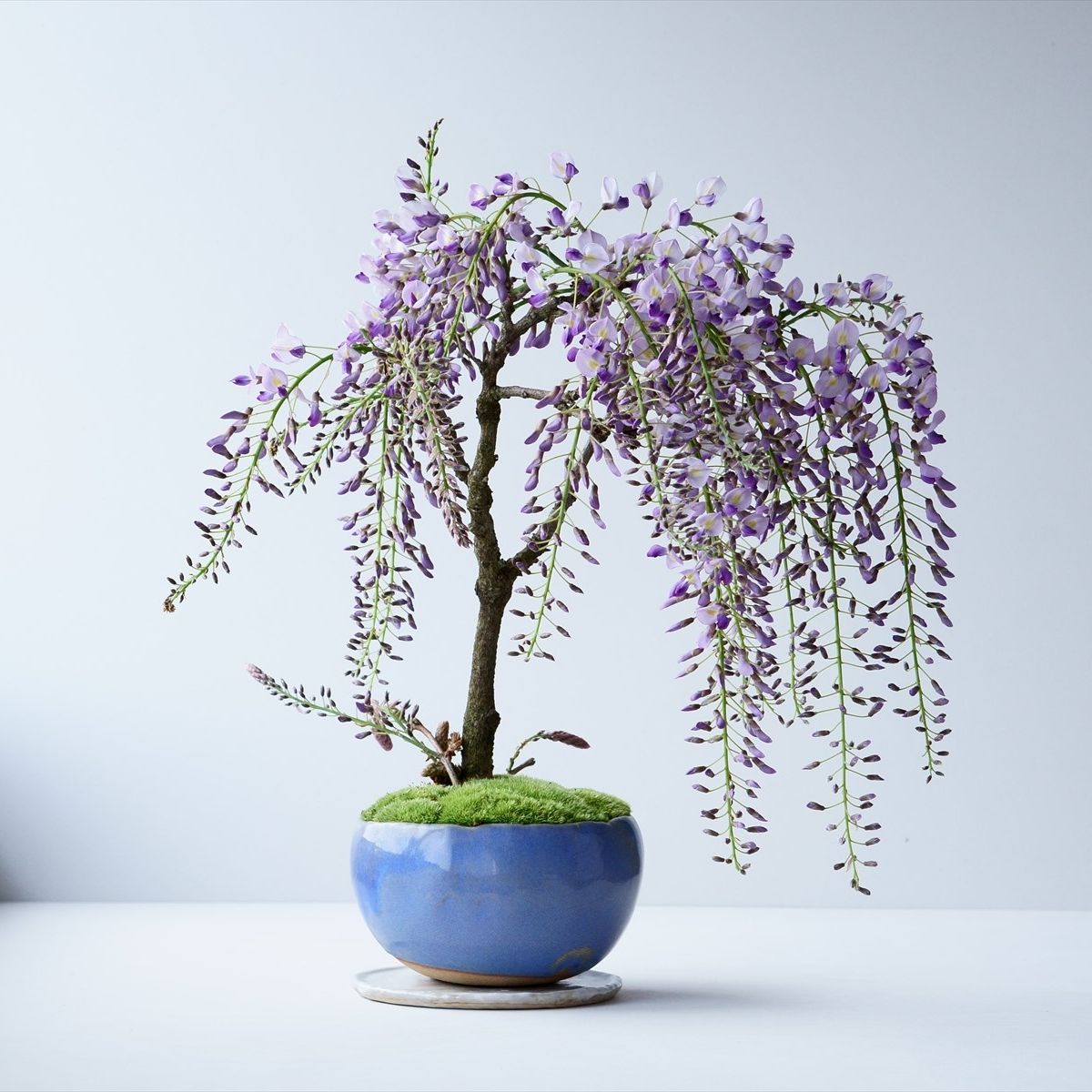 フジ
-
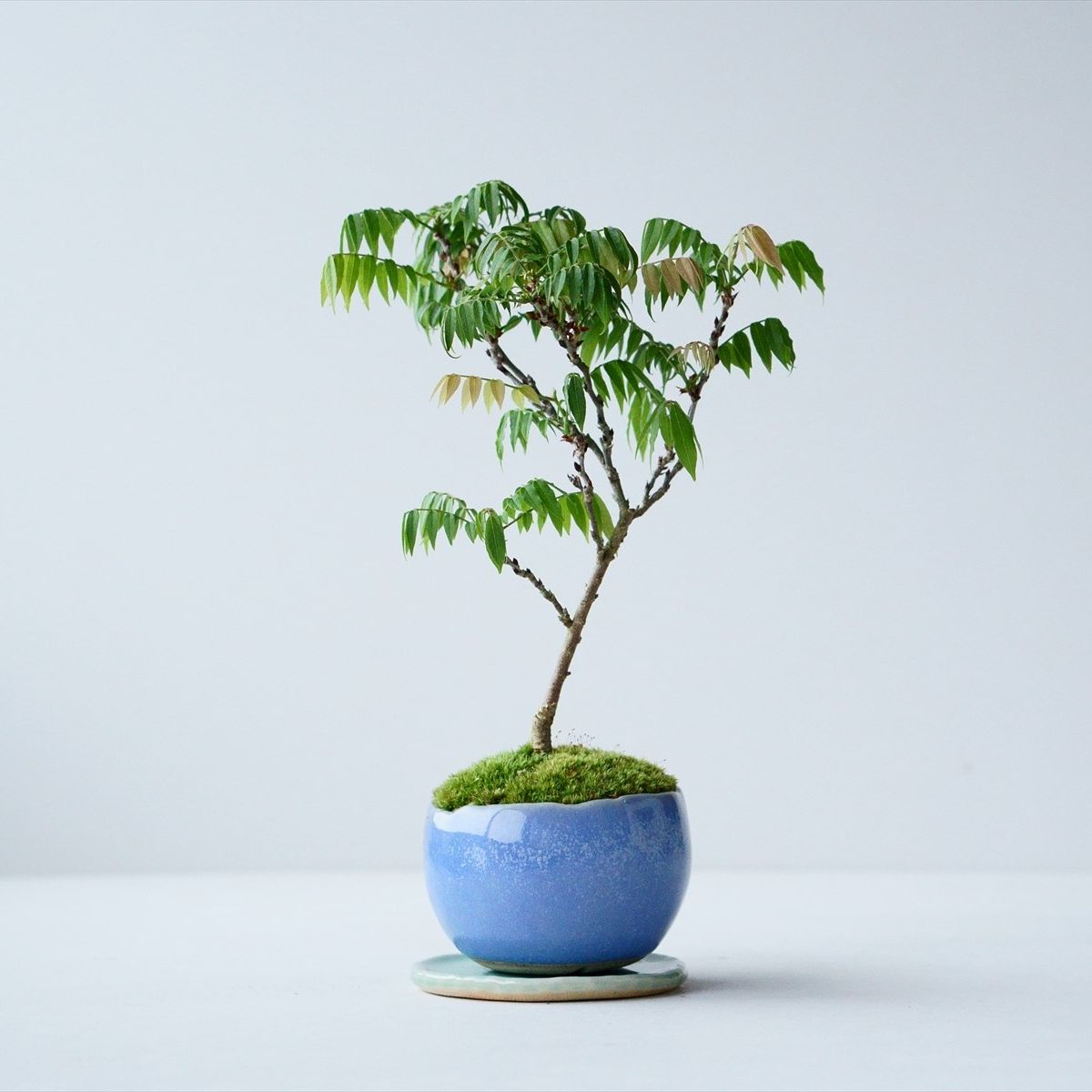 コフジ
-
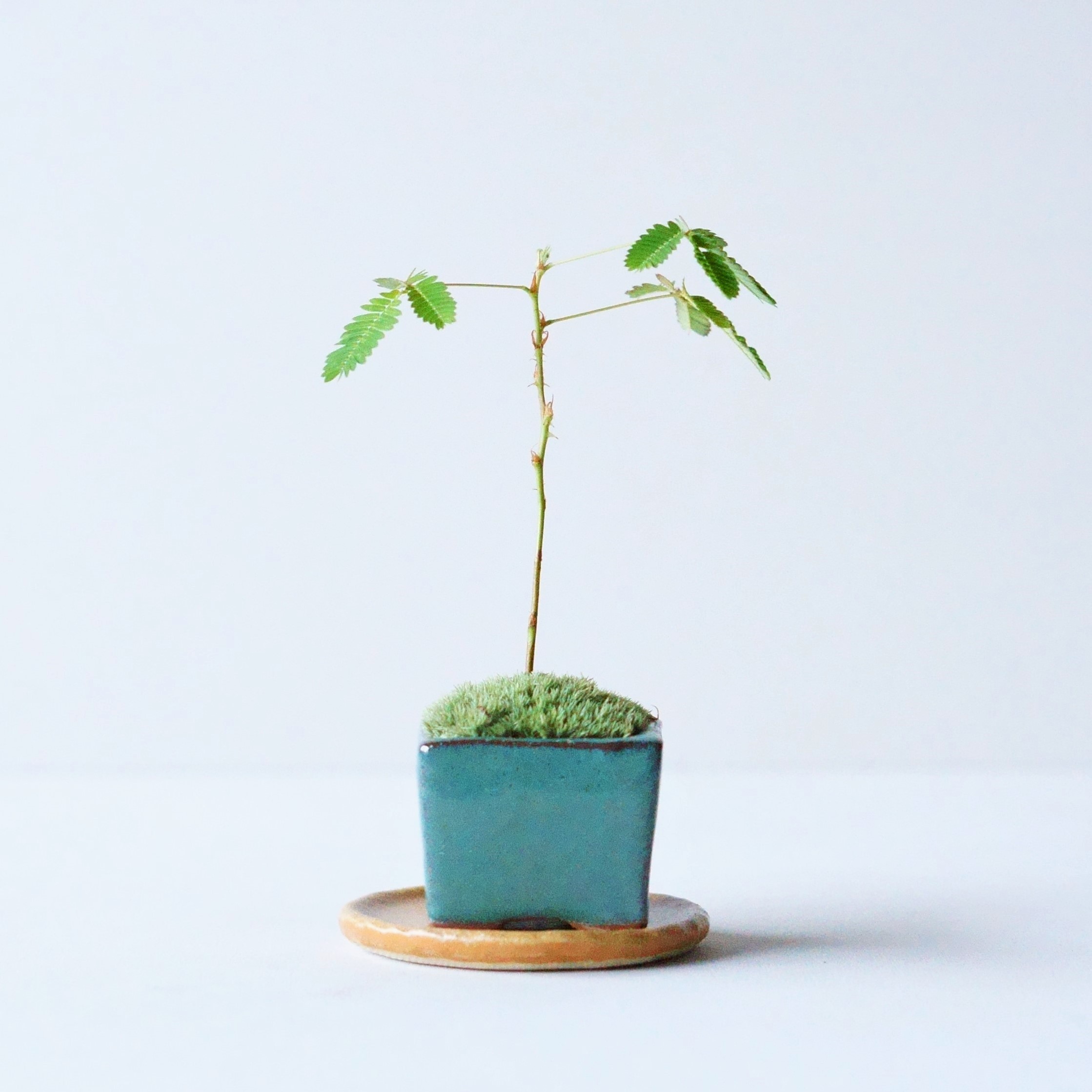 オジギソウ
-
 姫ライラック
-
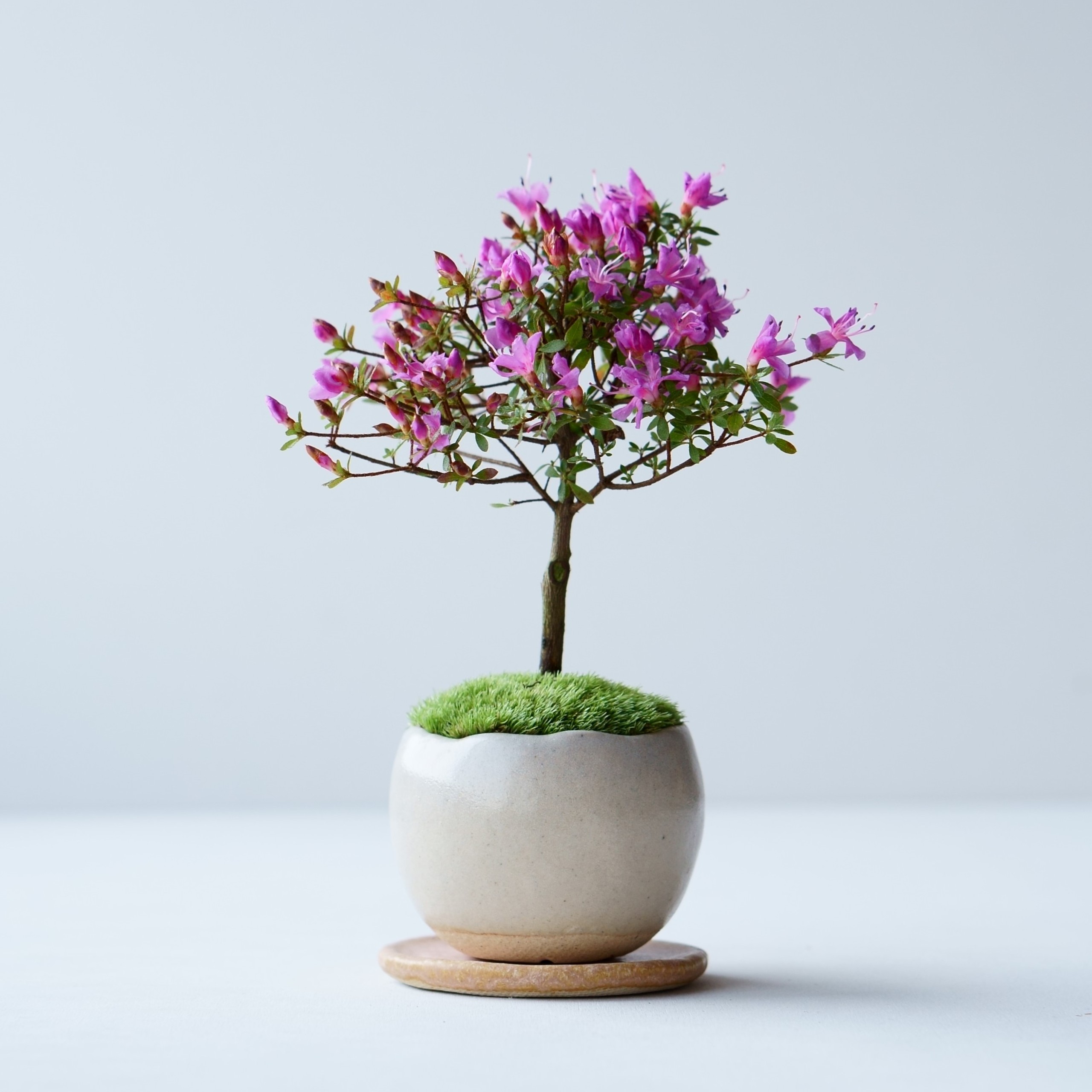 コメツツジ
-
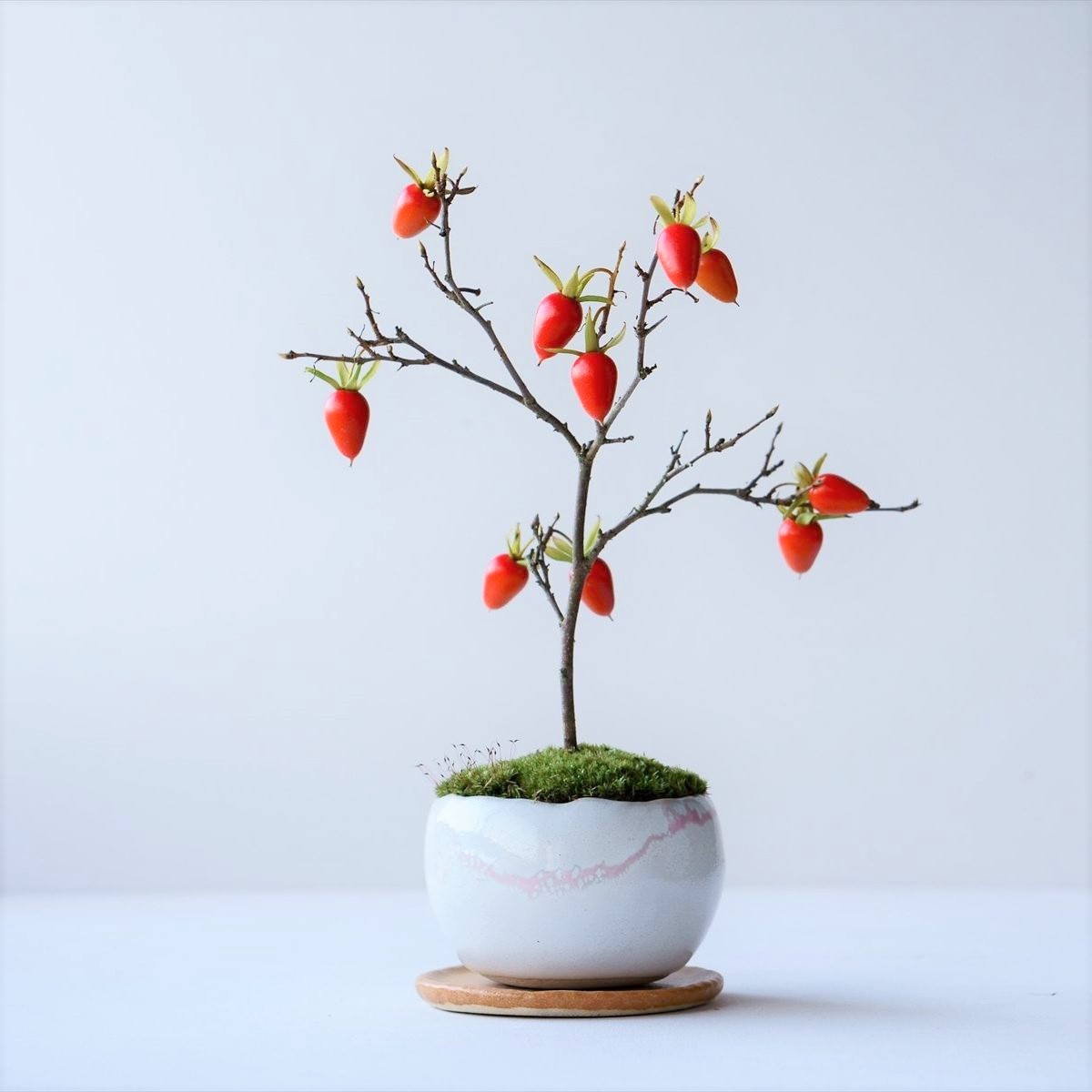 ロウヤガキ
-
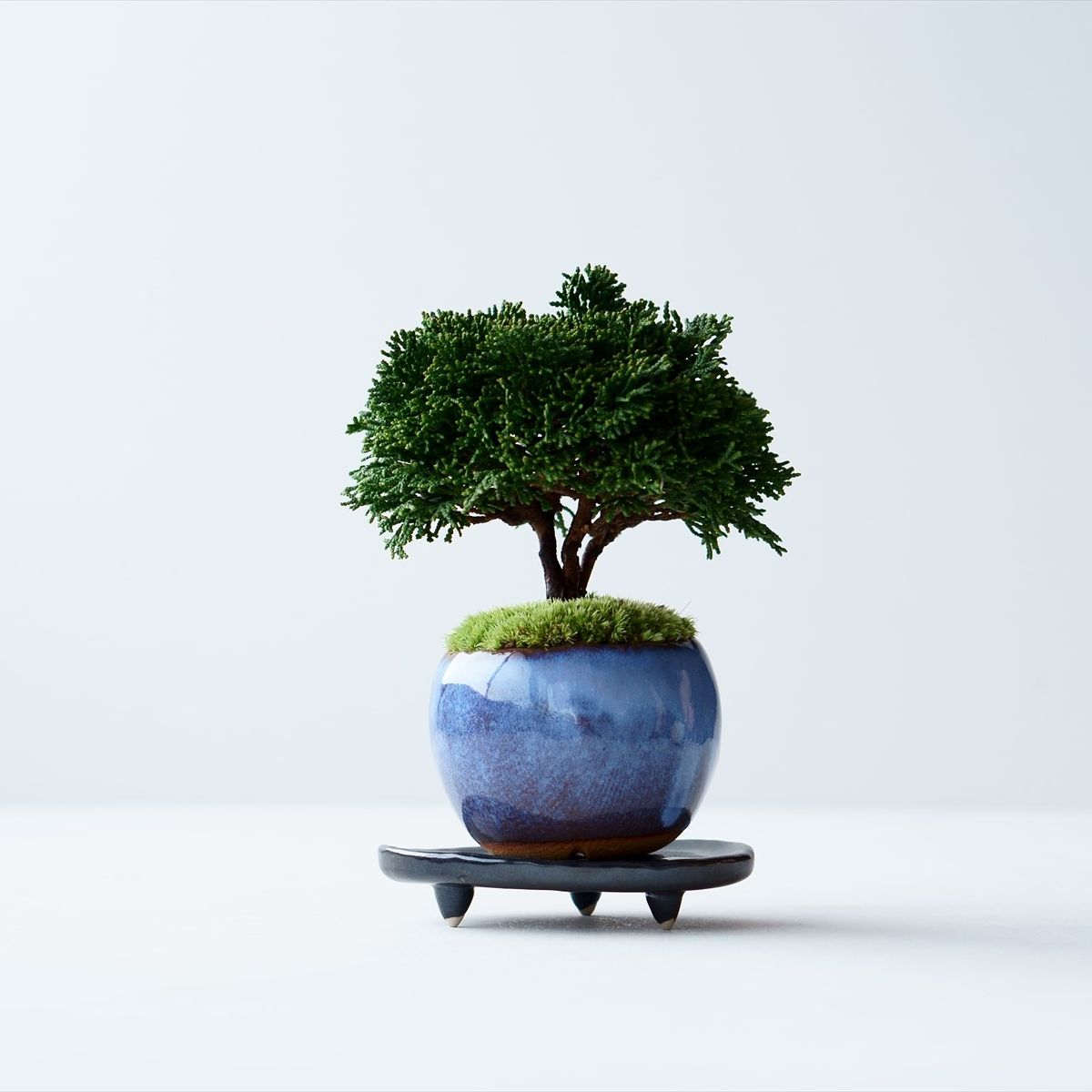 連山ヒノキ
-
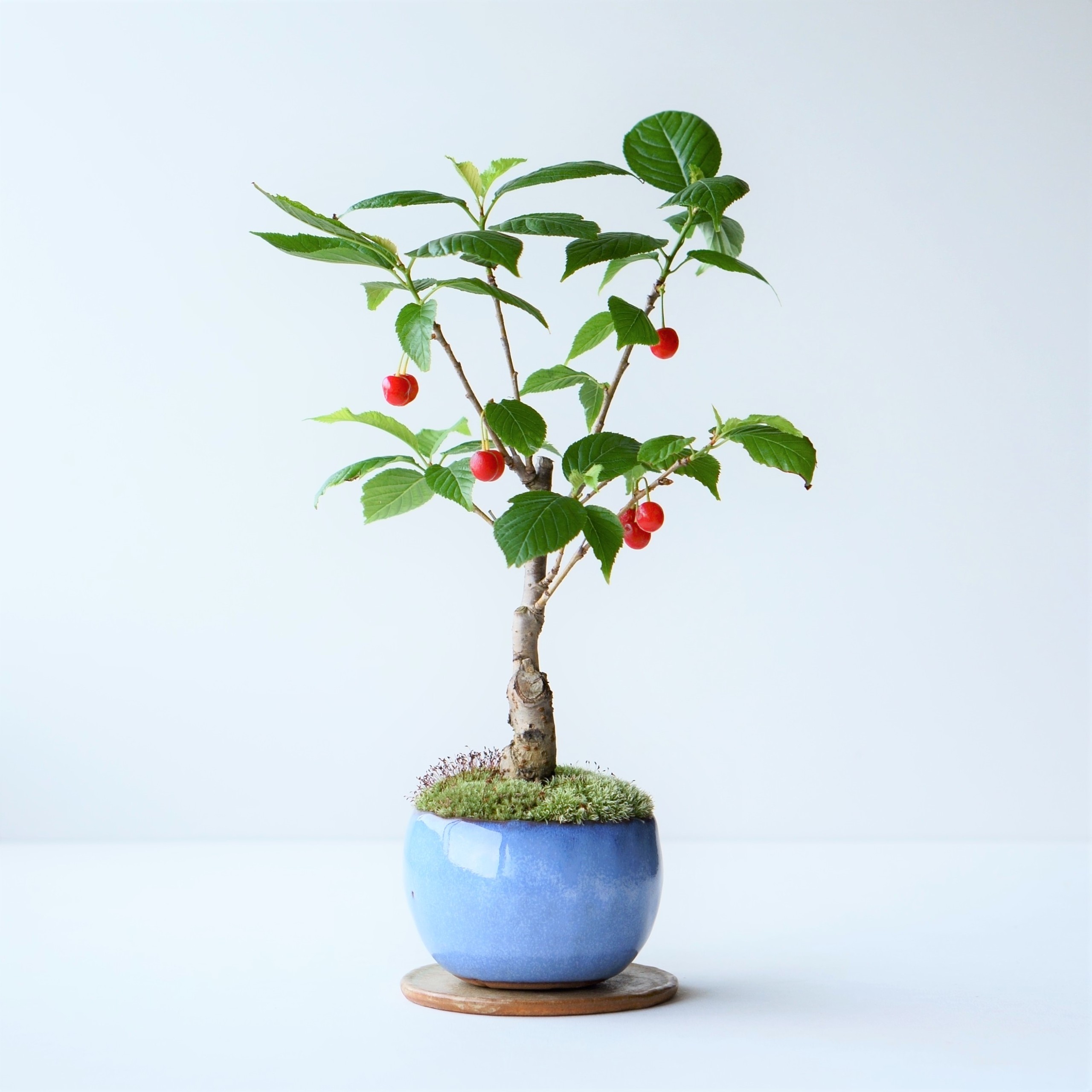 サクランボ
-
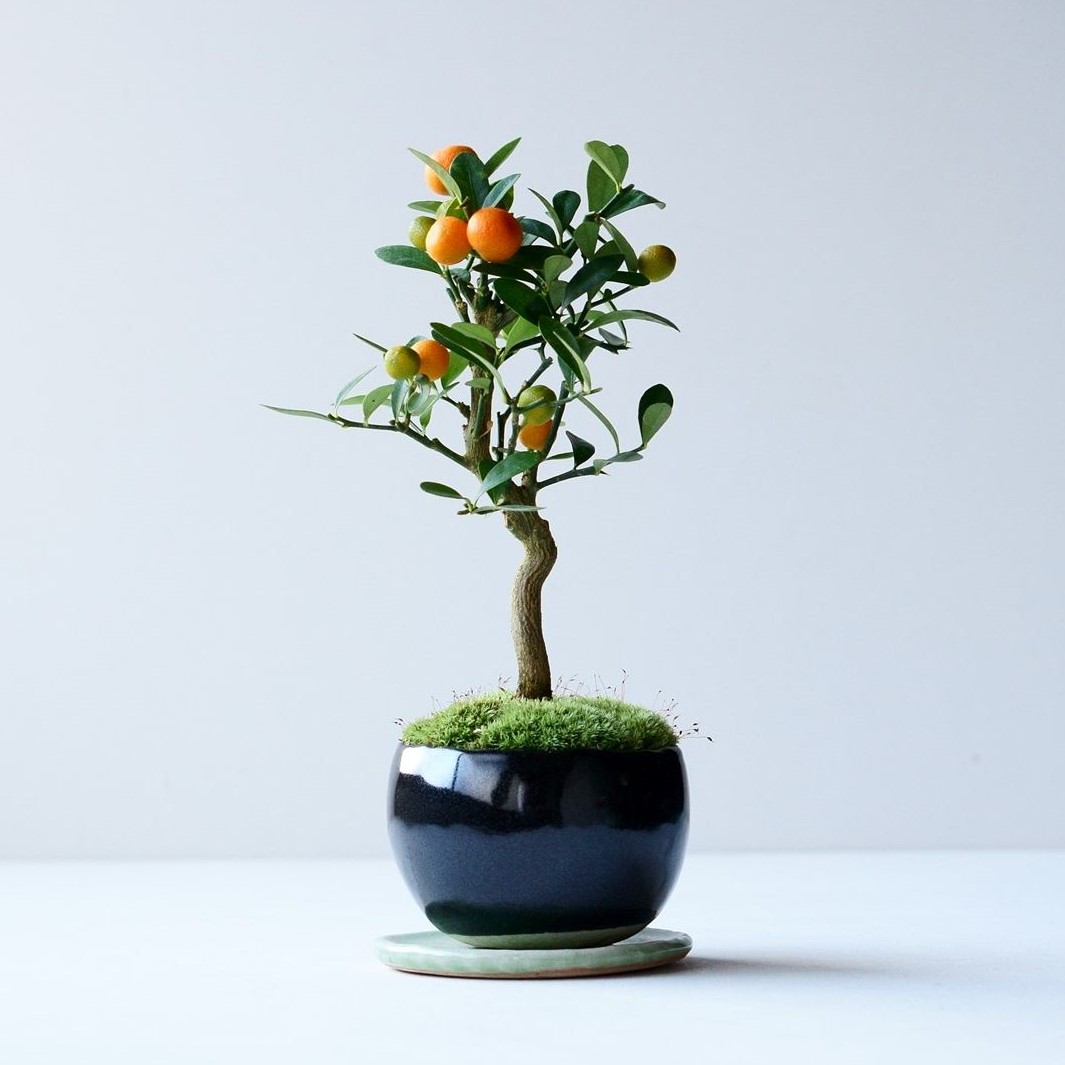 キンズ
-
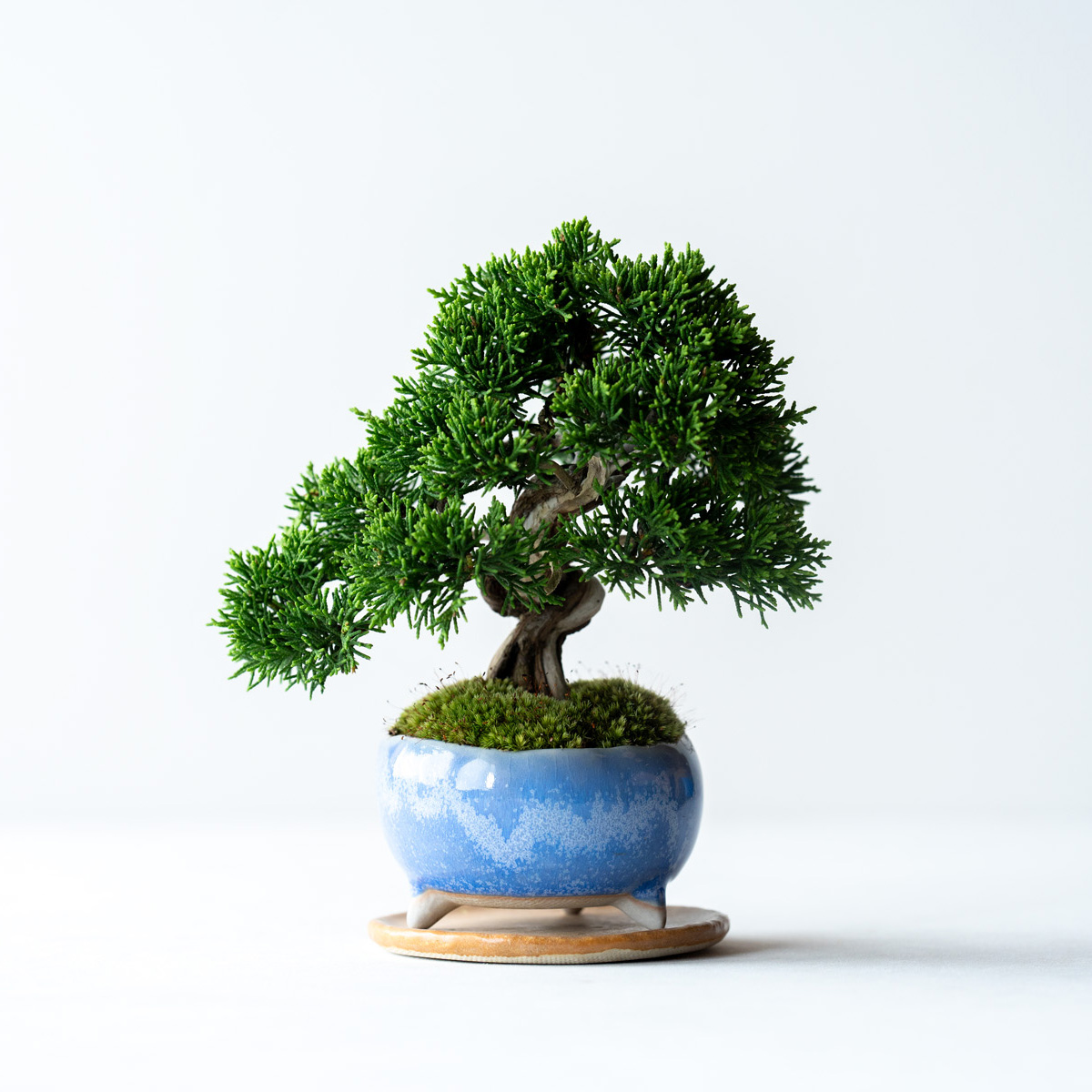 シンパク
-
 エゾマツ
-
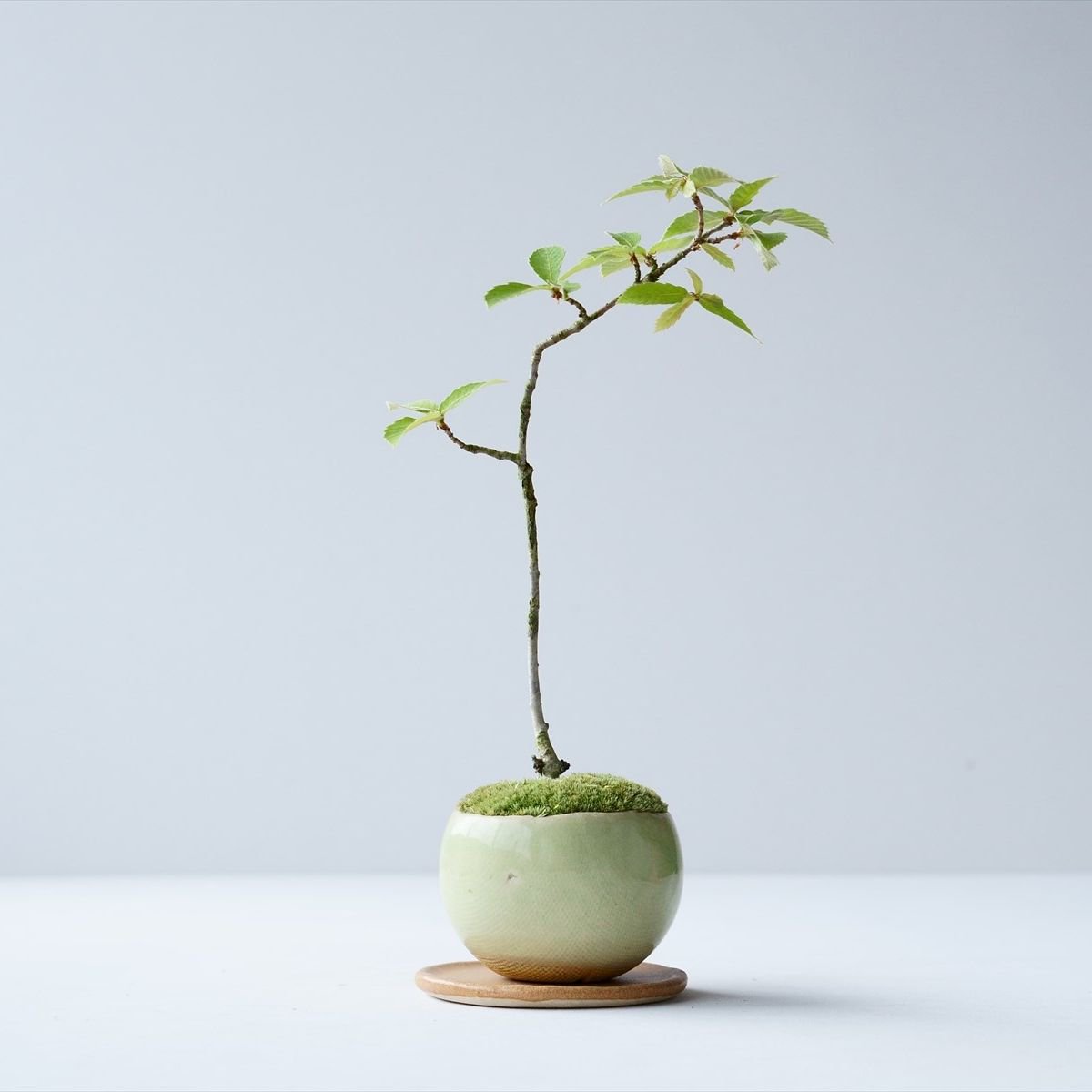 コナラ
-
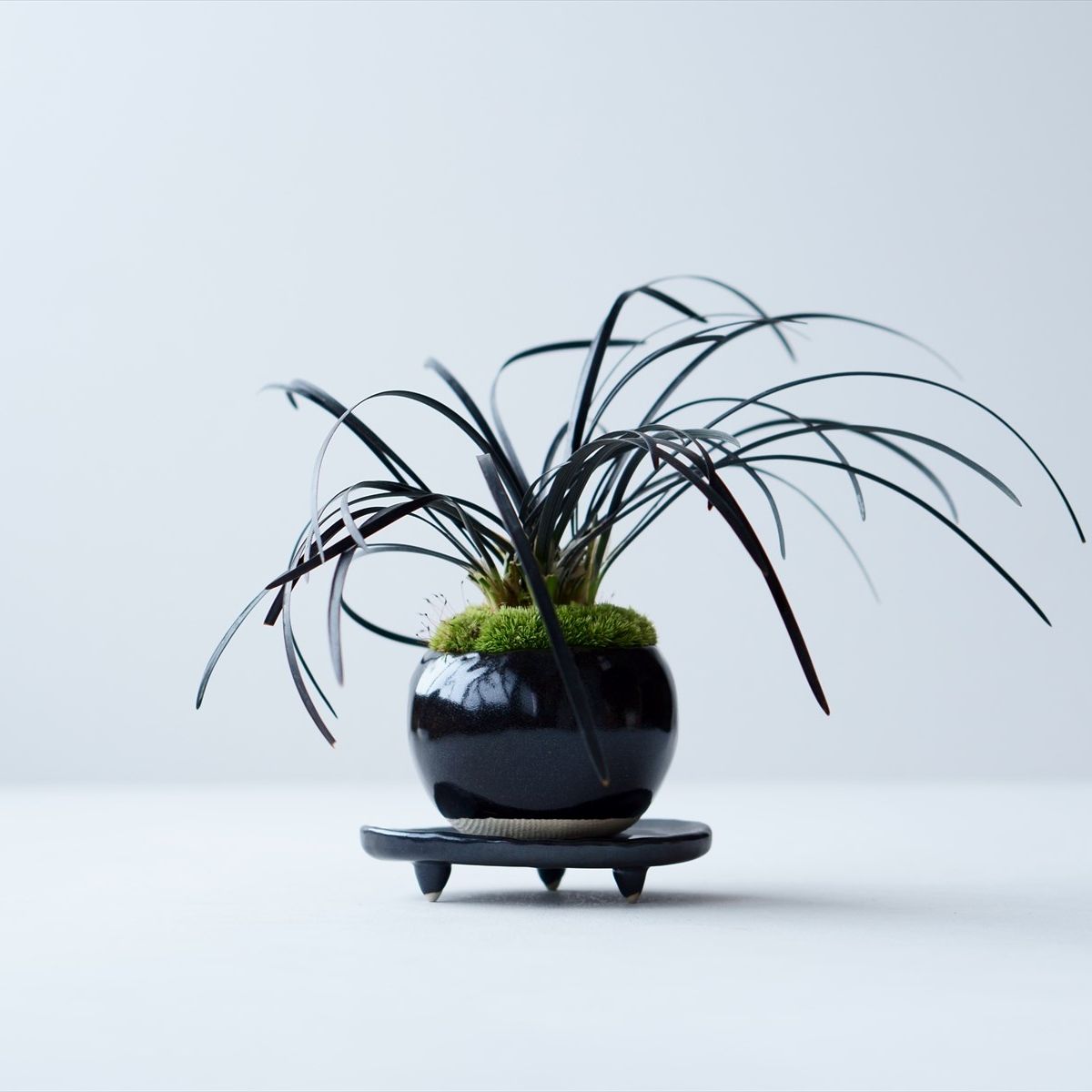 リュウノヒゲ
-
 椿
-
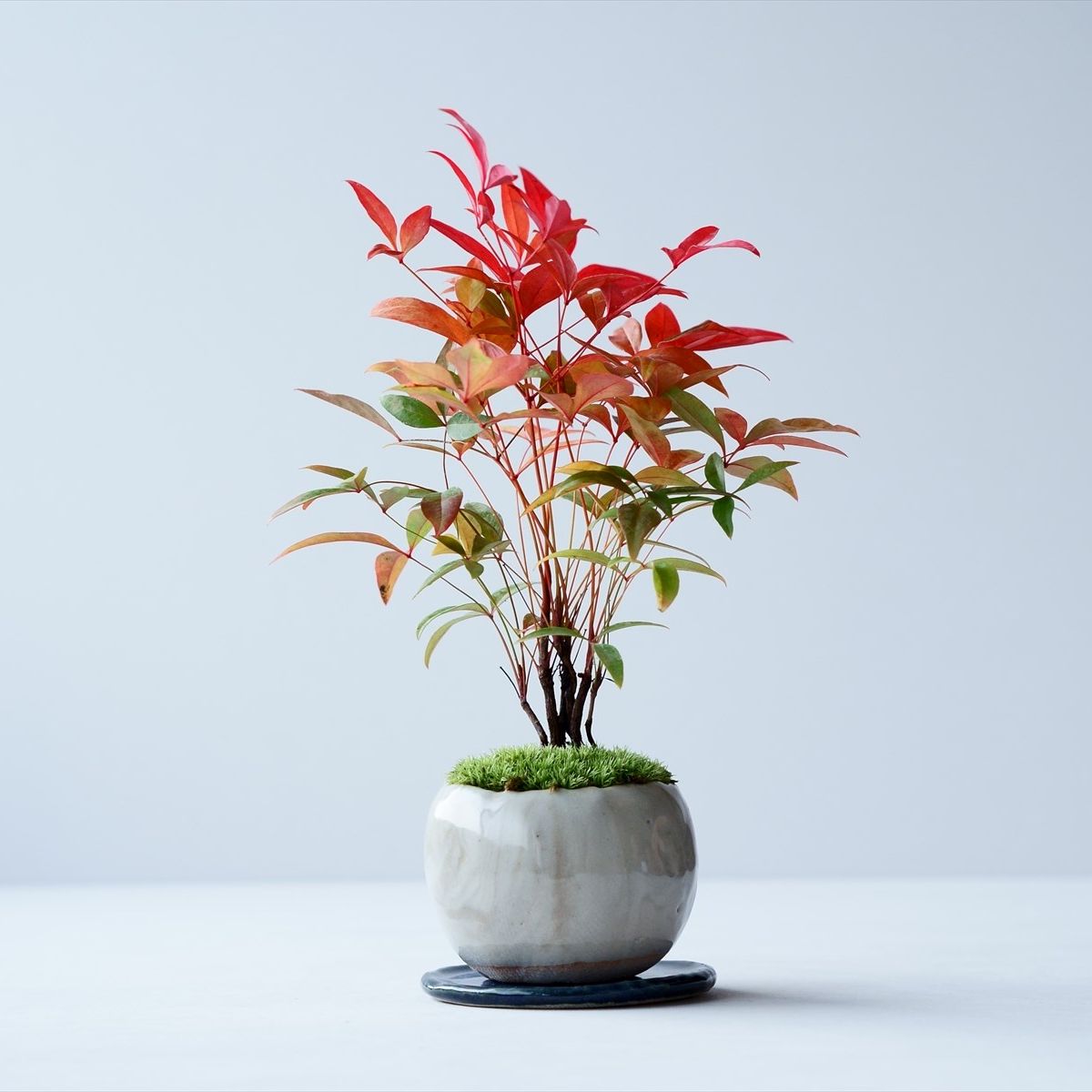 ナンテン
-
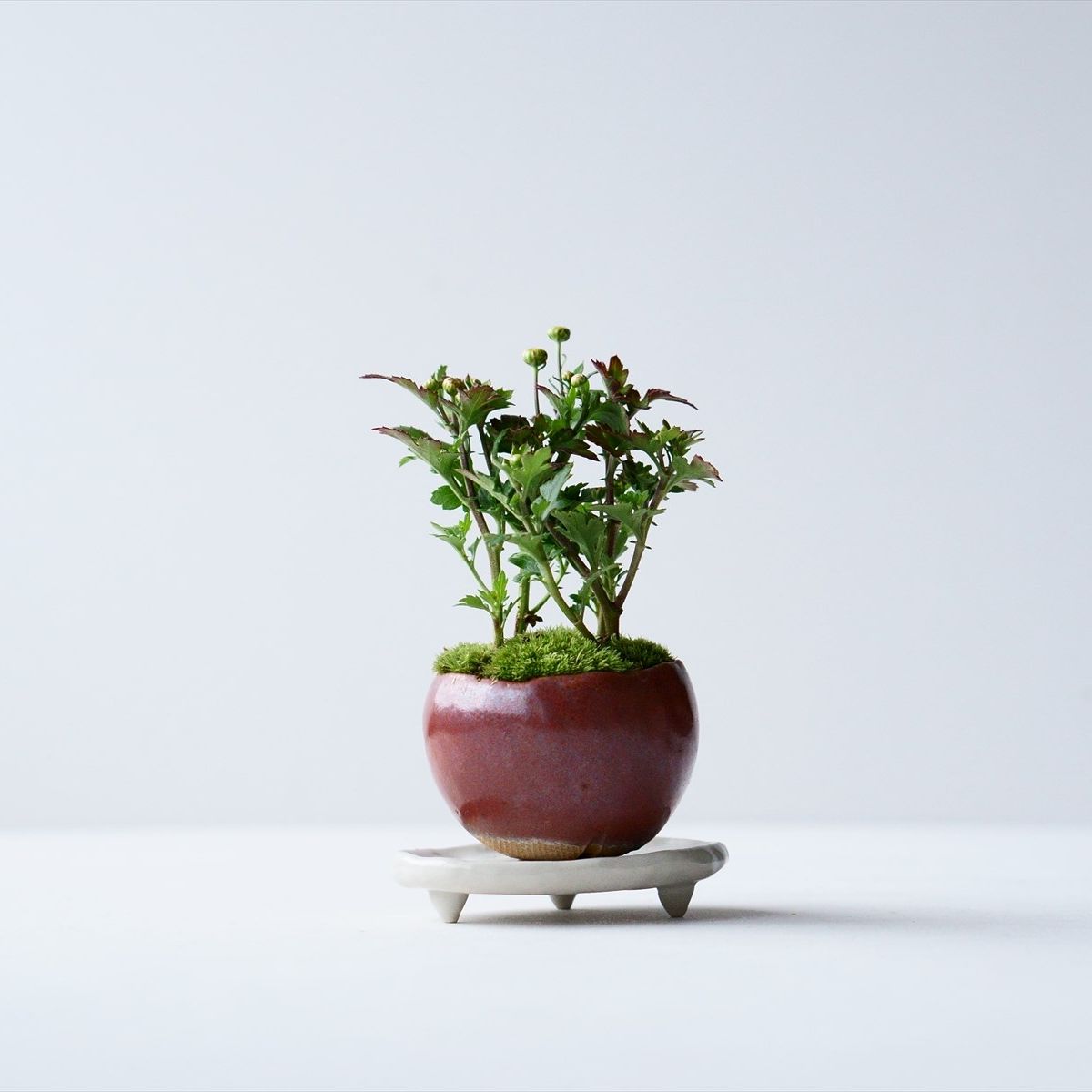 姫寒菊
-
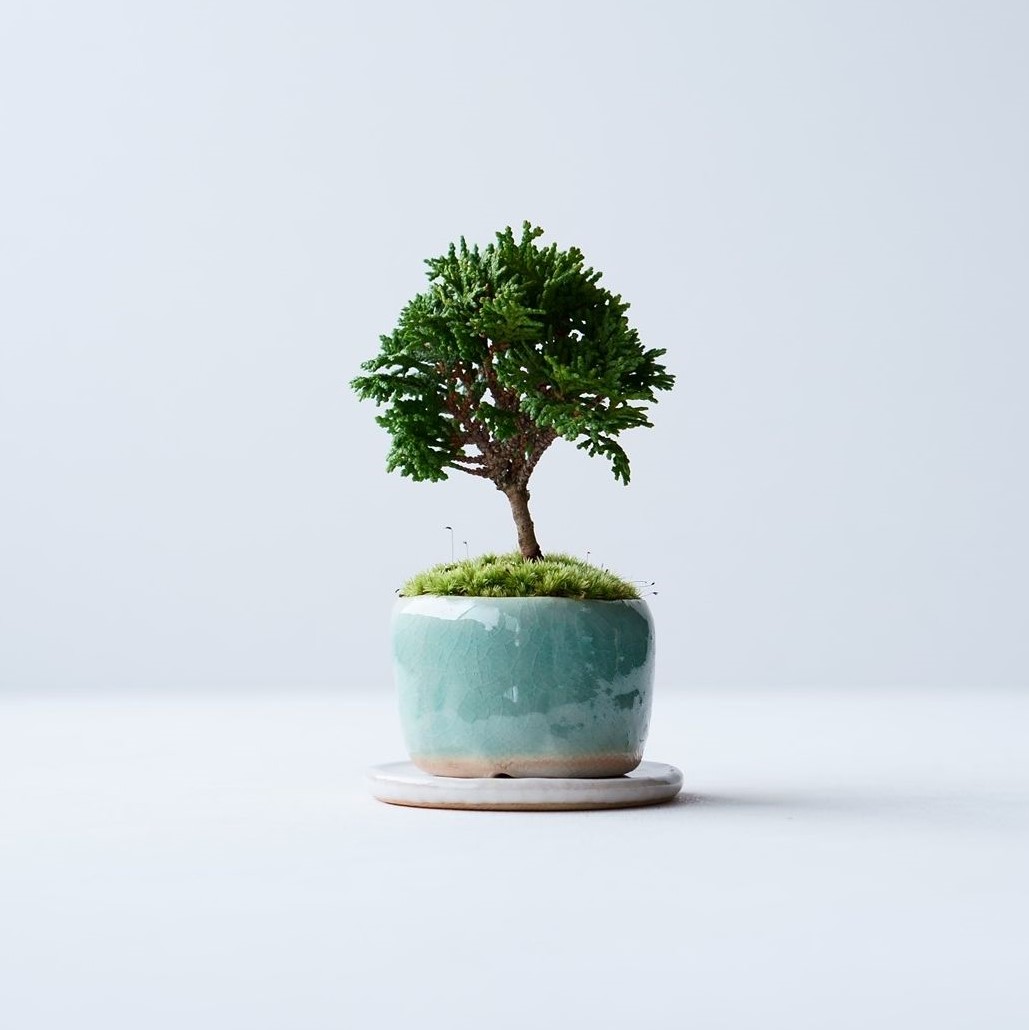 津山ヒノキ
-
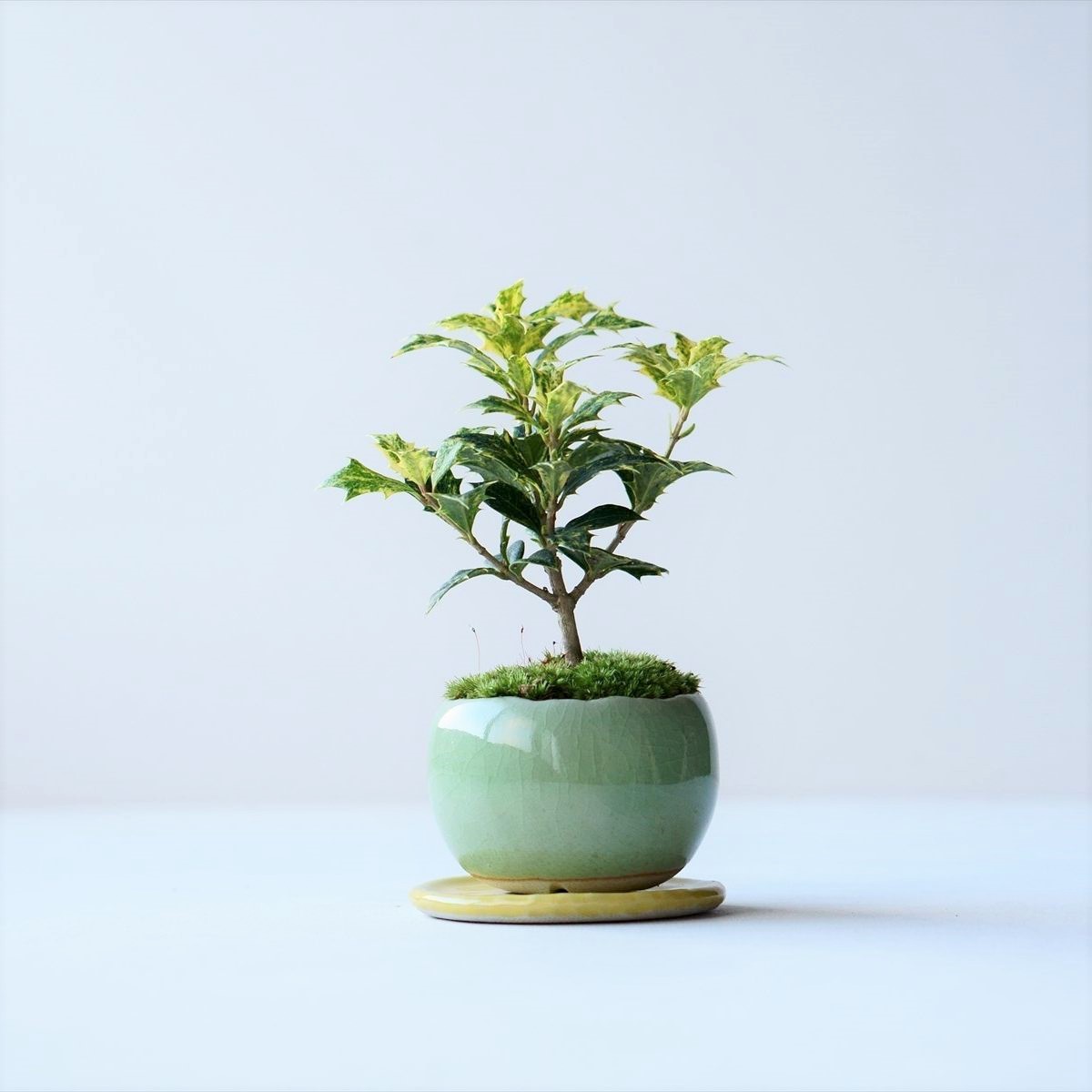 斑入りヒイラギ
-
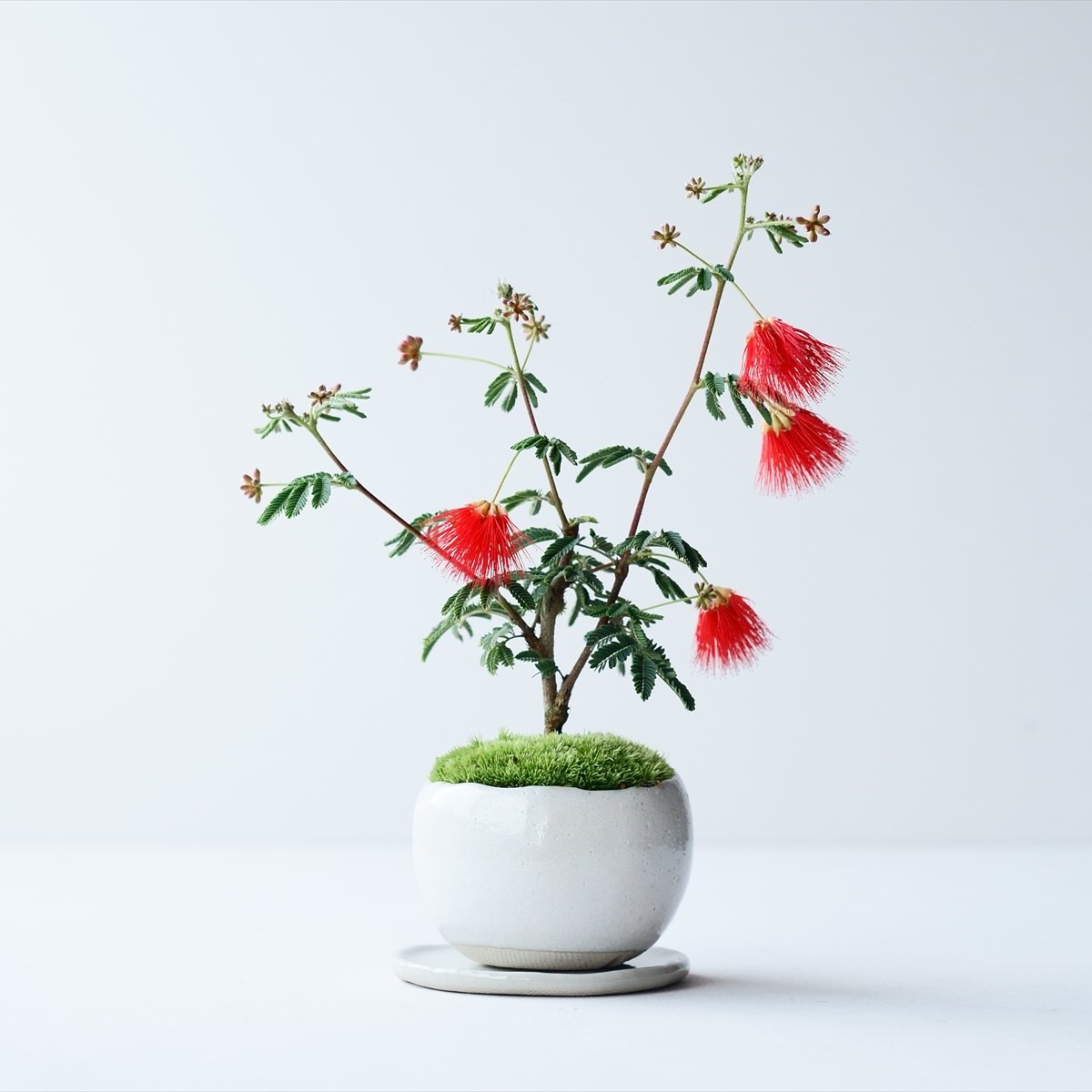 緋ネム
-
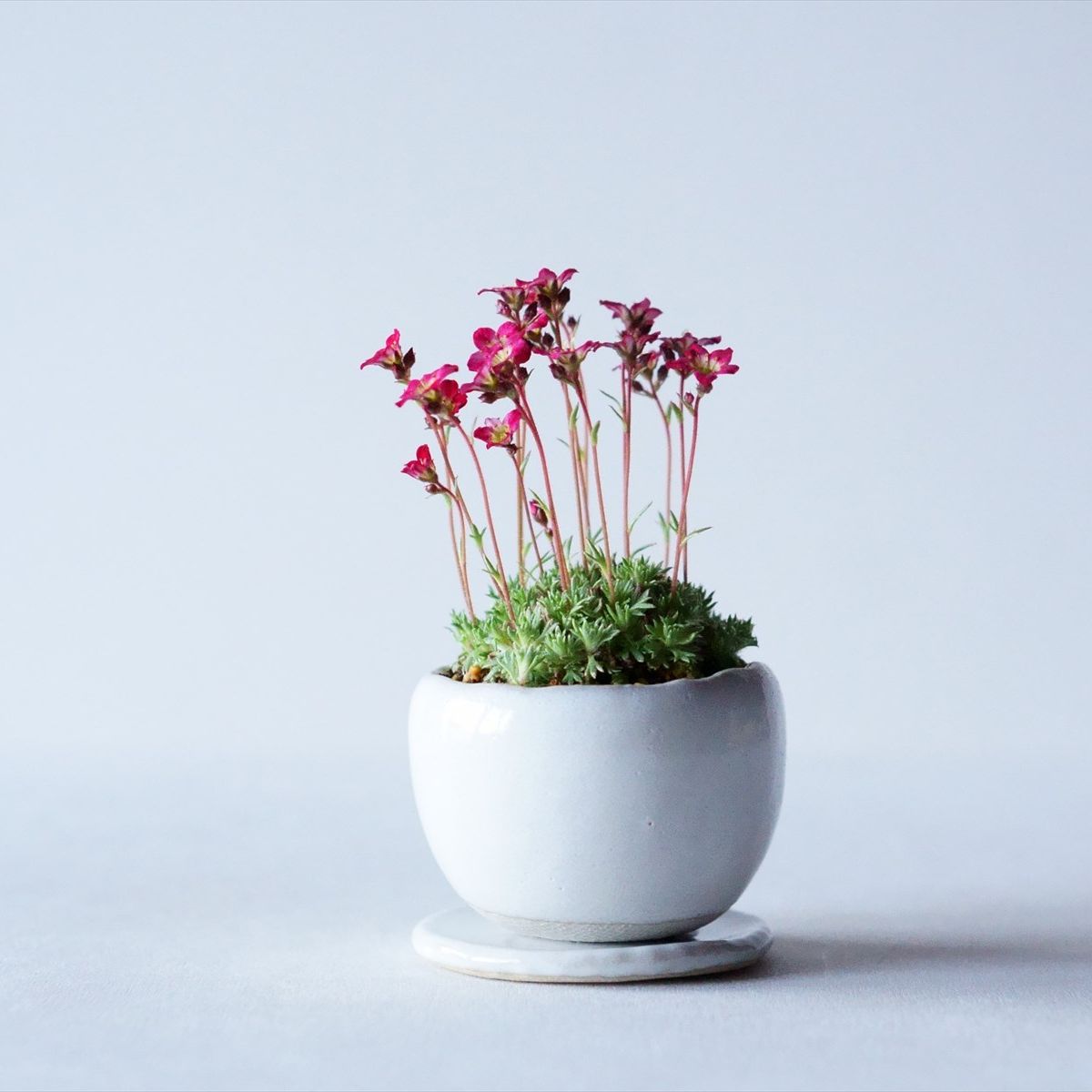 雲間草
-
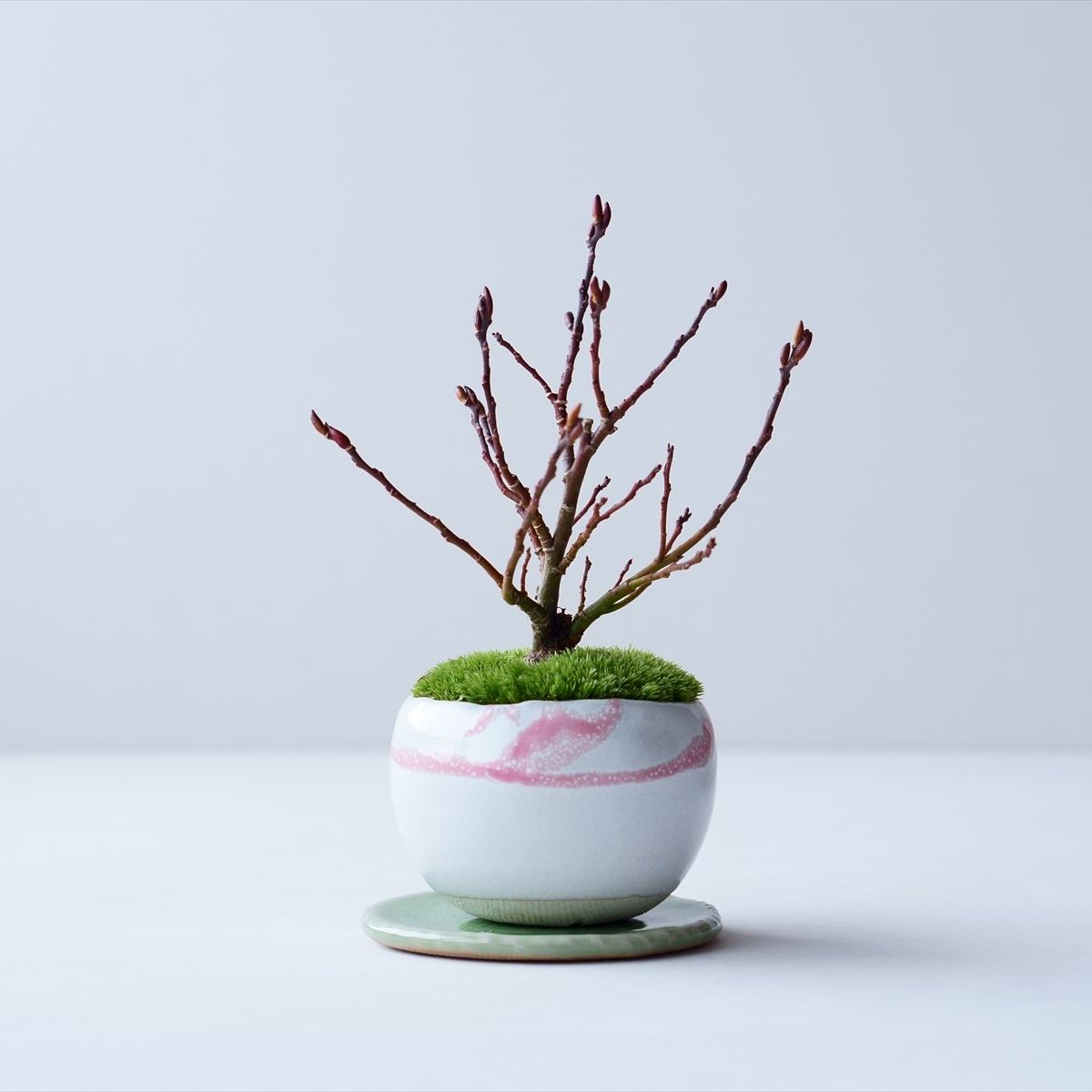 ネコヤナギ
-
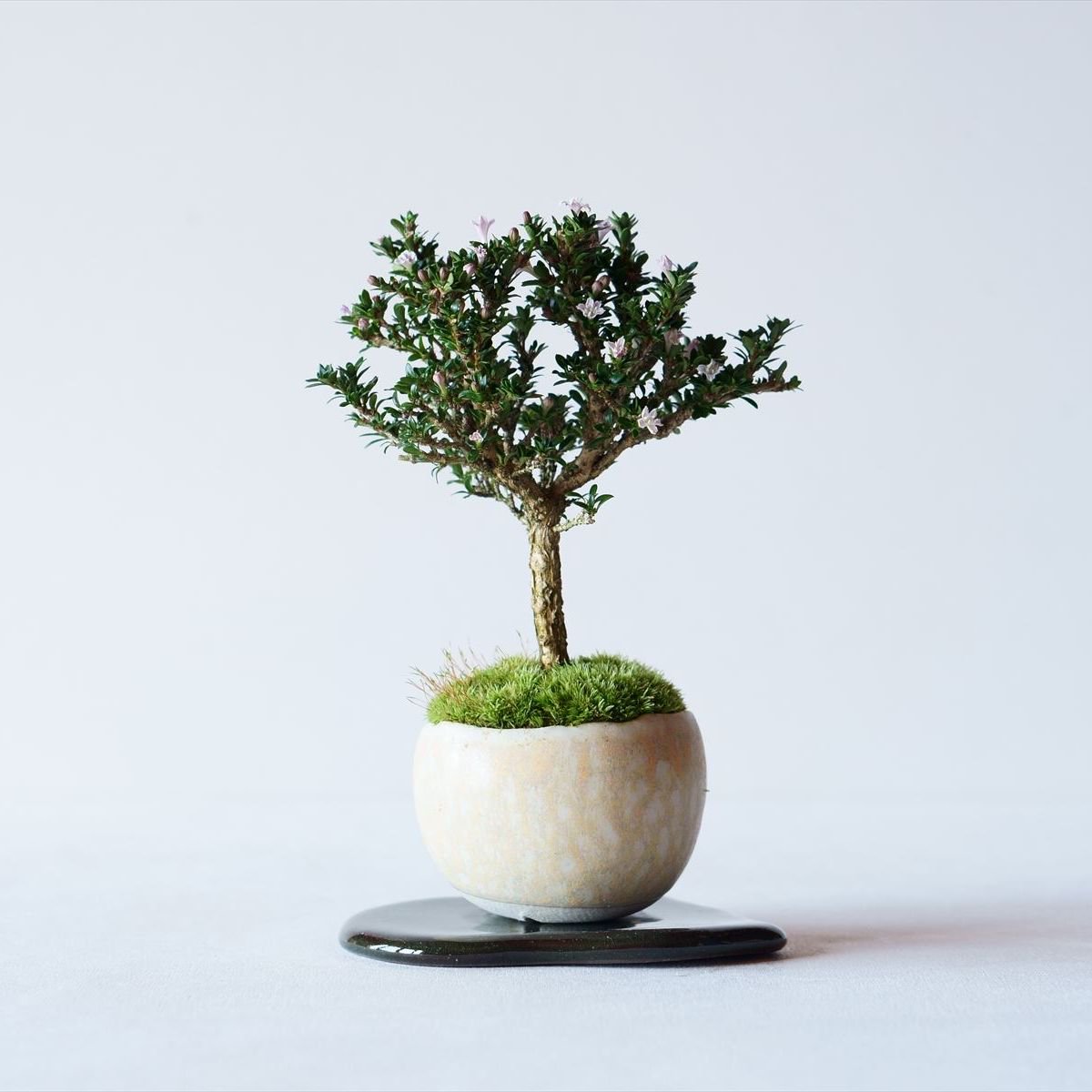 八房香丁木
-
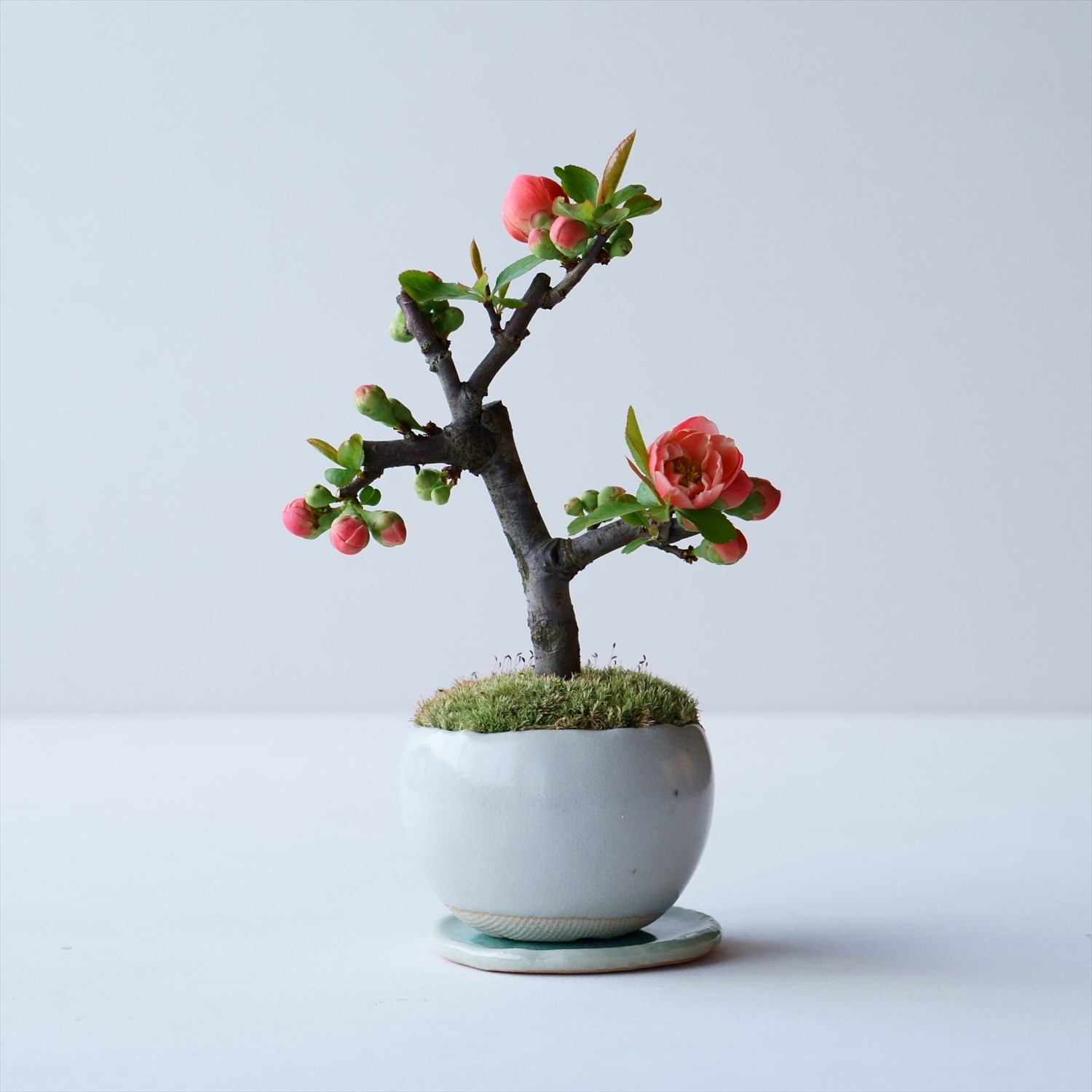 木瓜
-
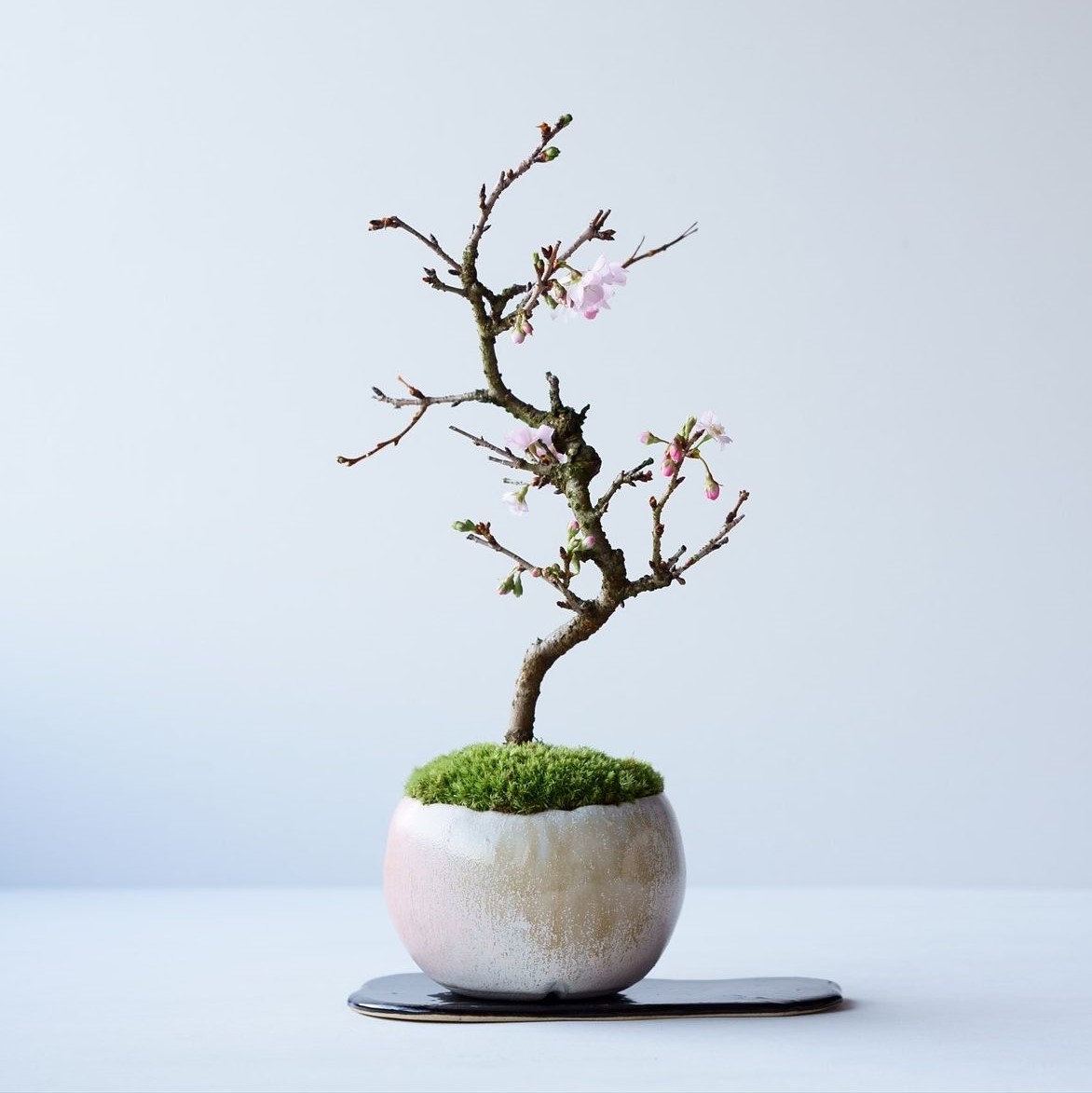 十月桜
-
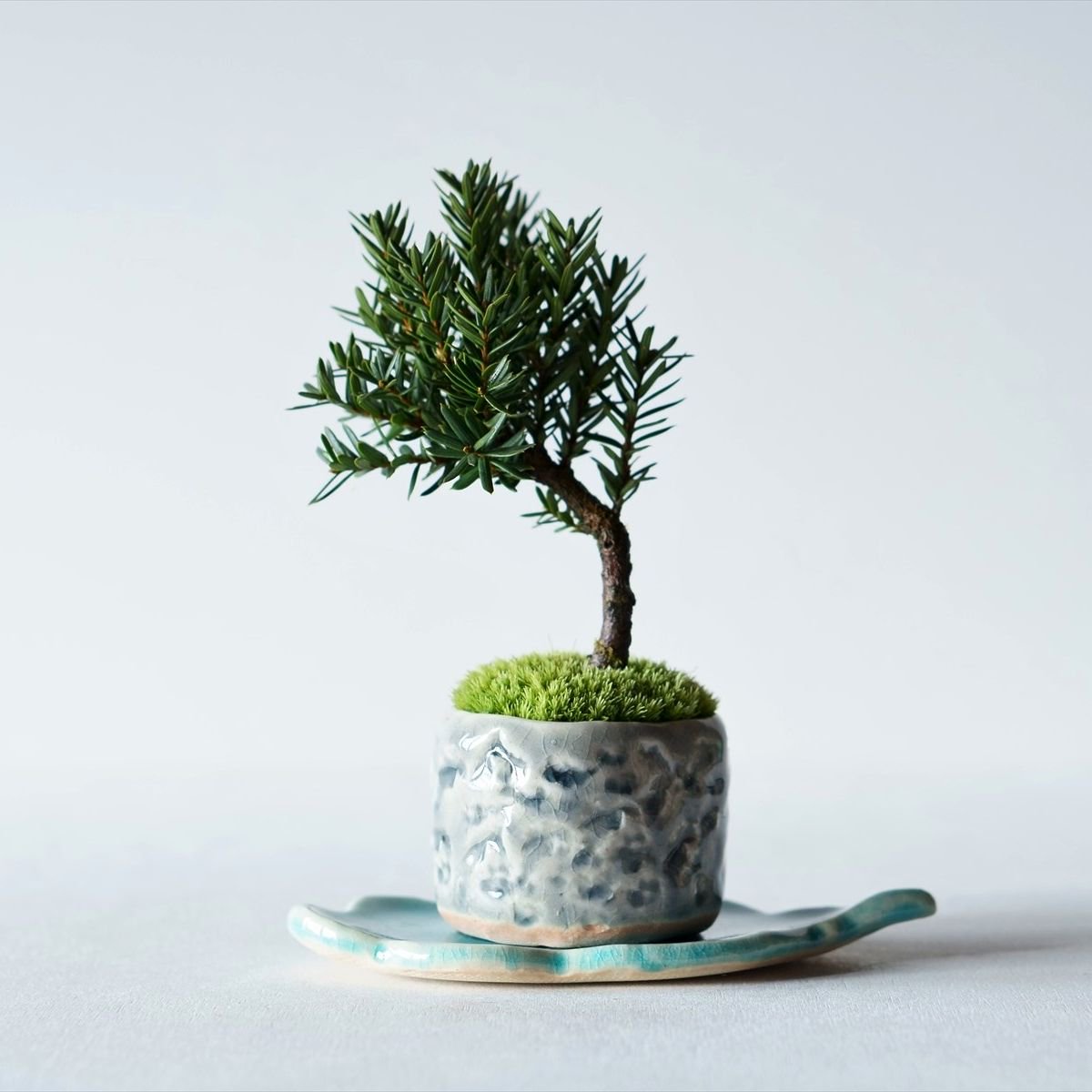 キャラボク
-
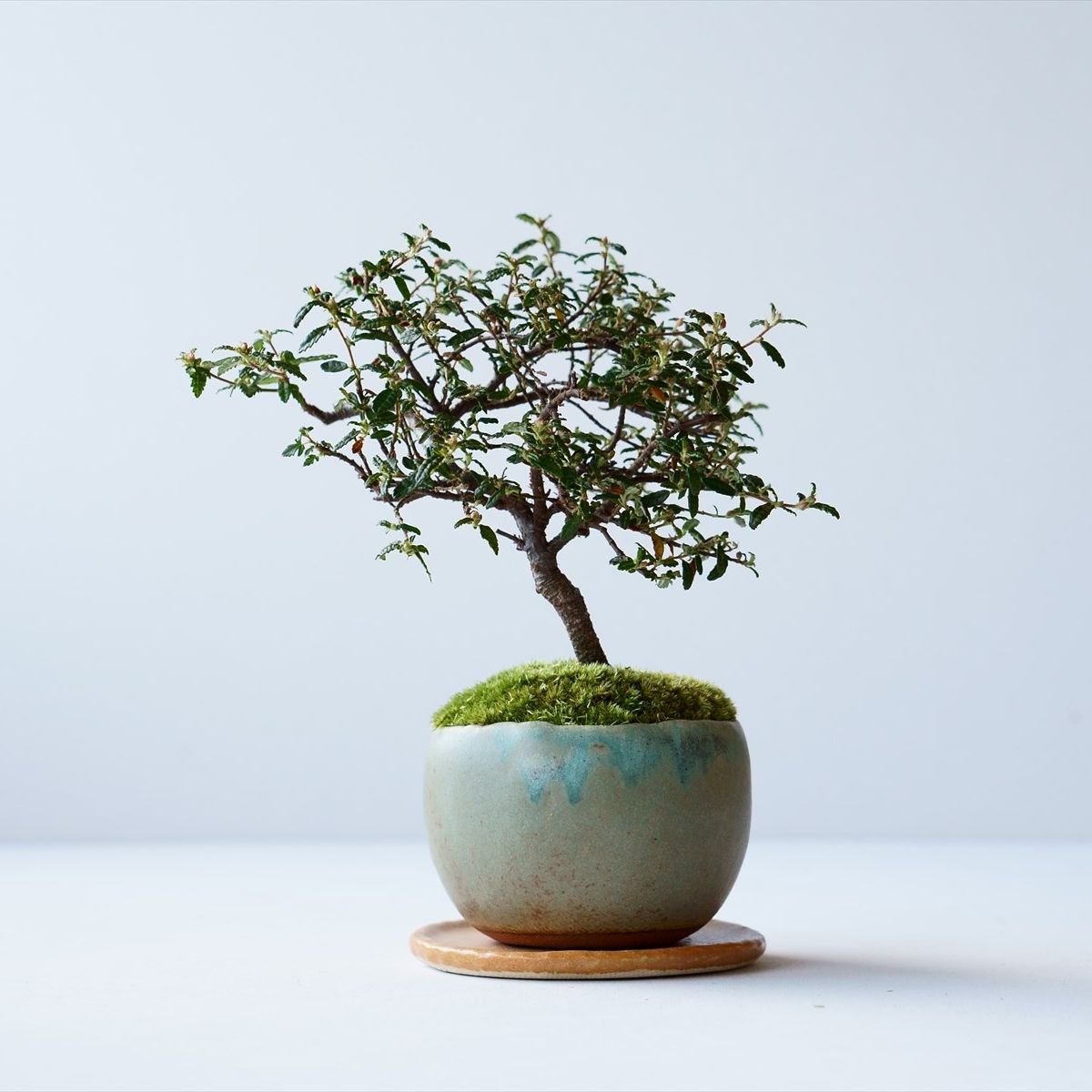 天皇梅
-
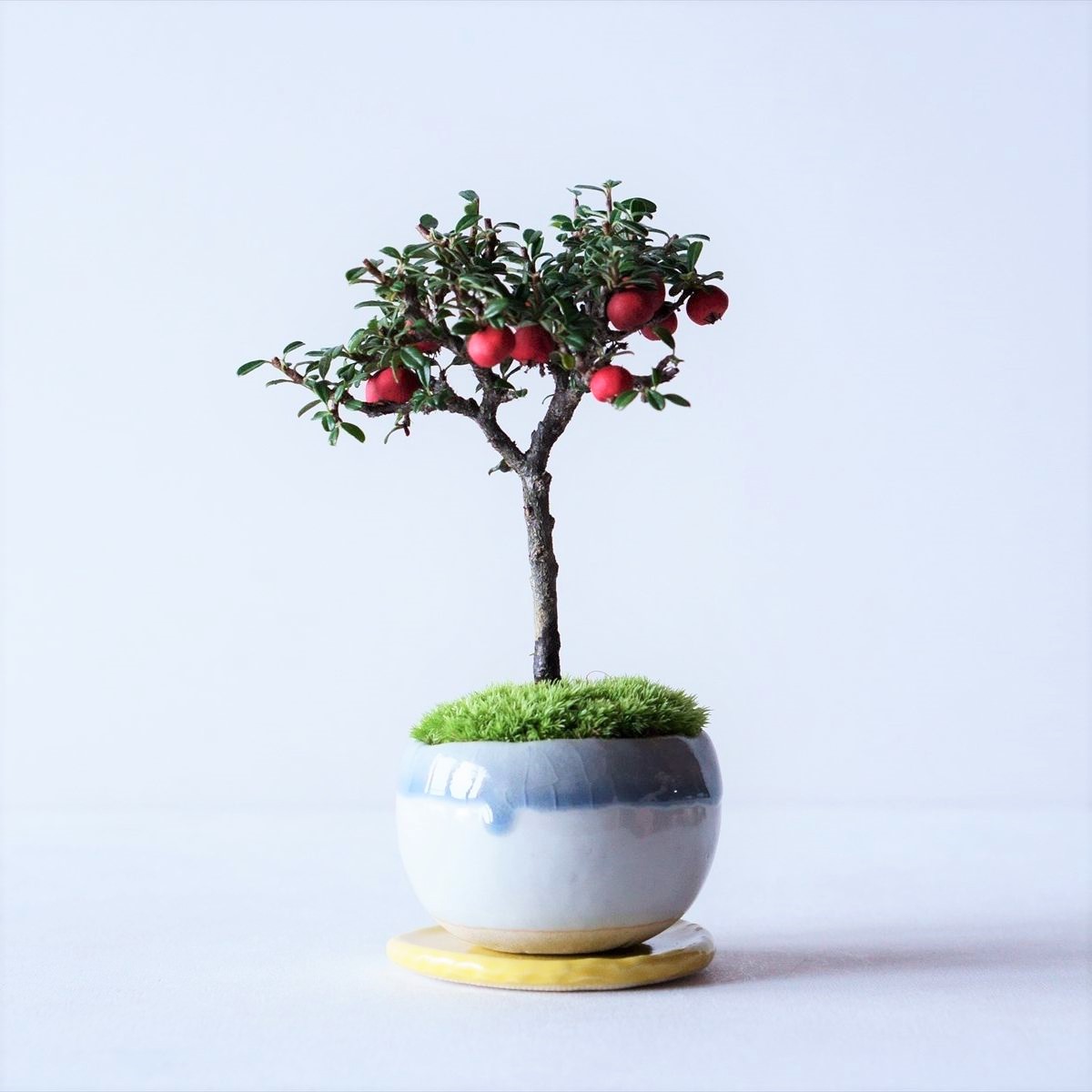 シロシタン
-
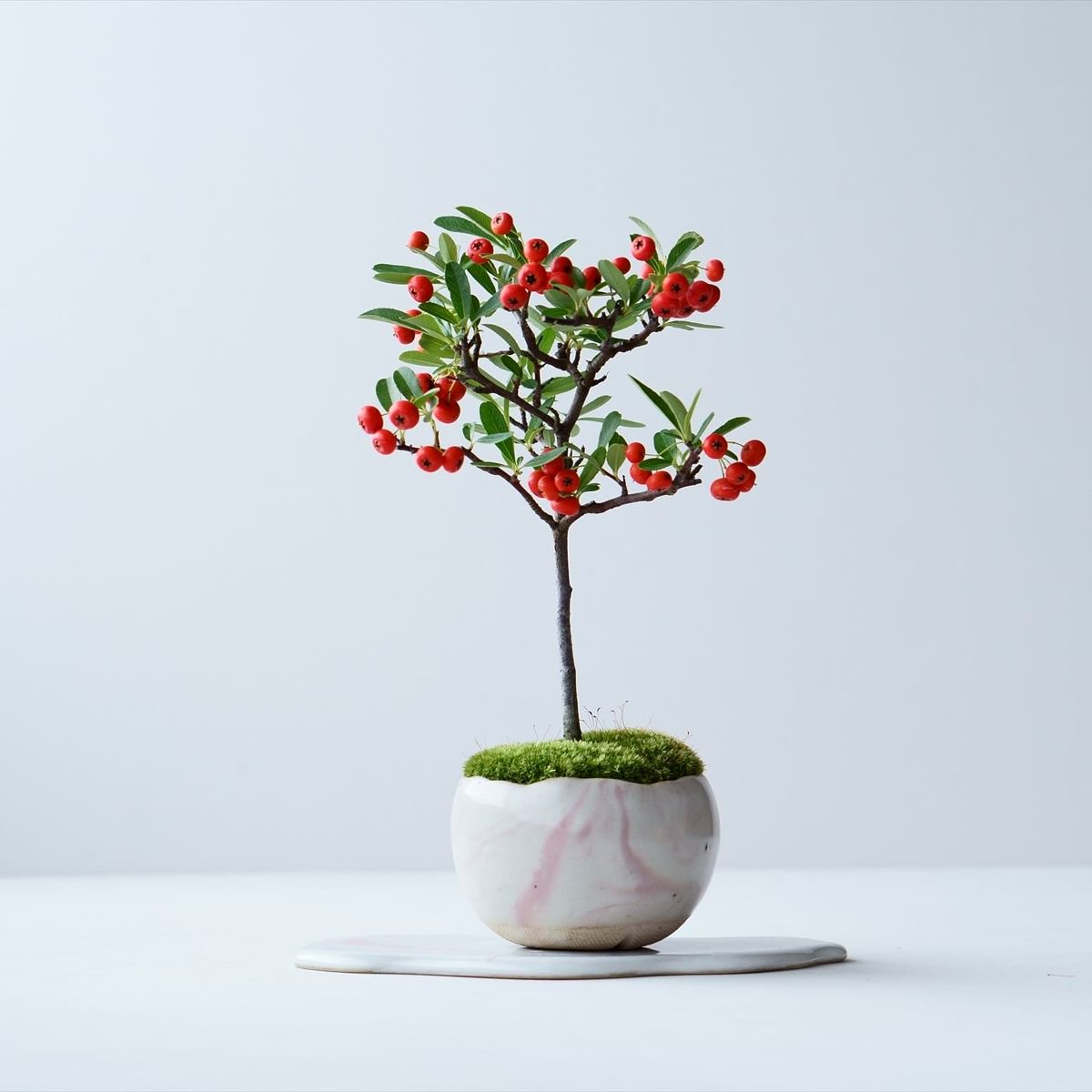 トキワサンザシ
-
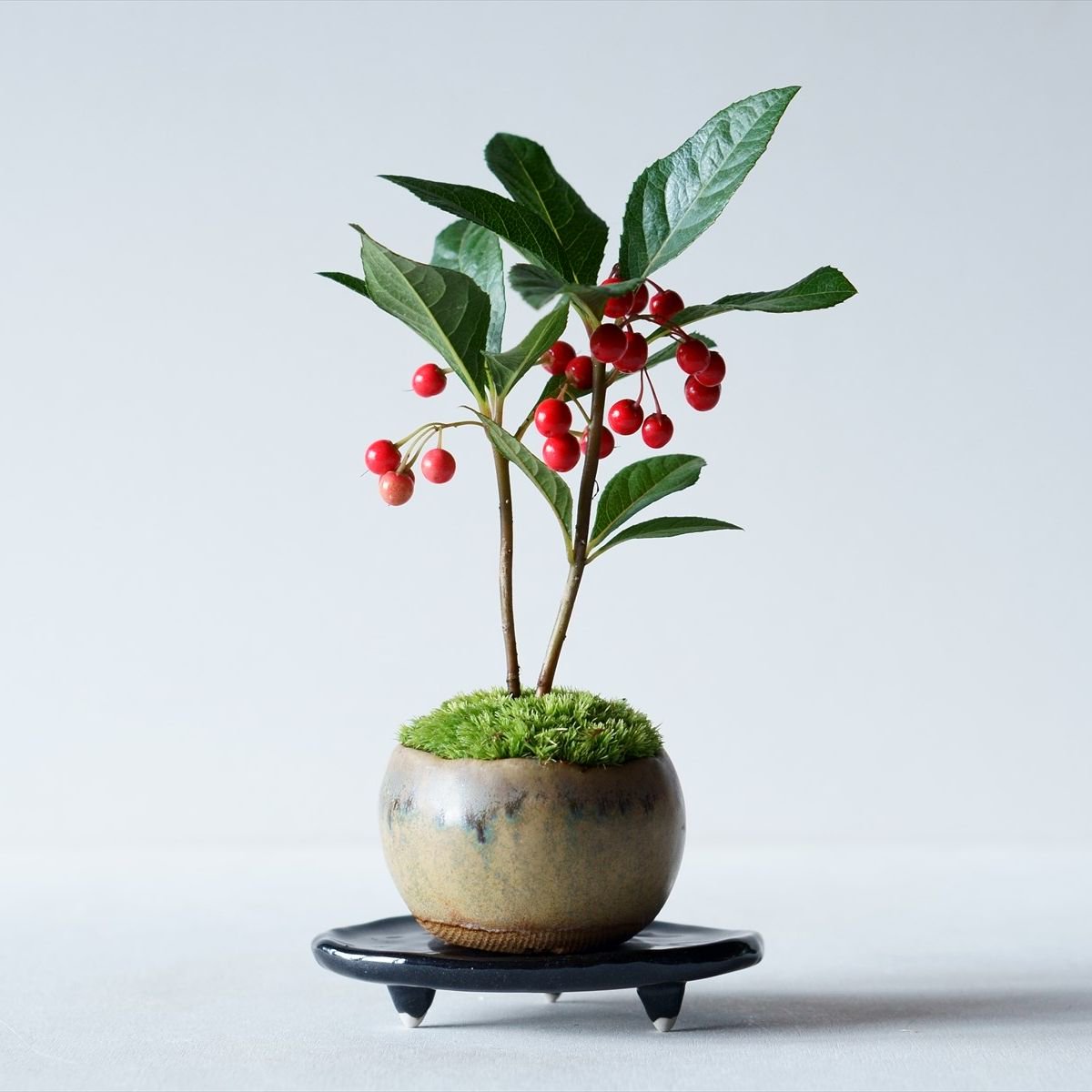 ヤブコウジ
-
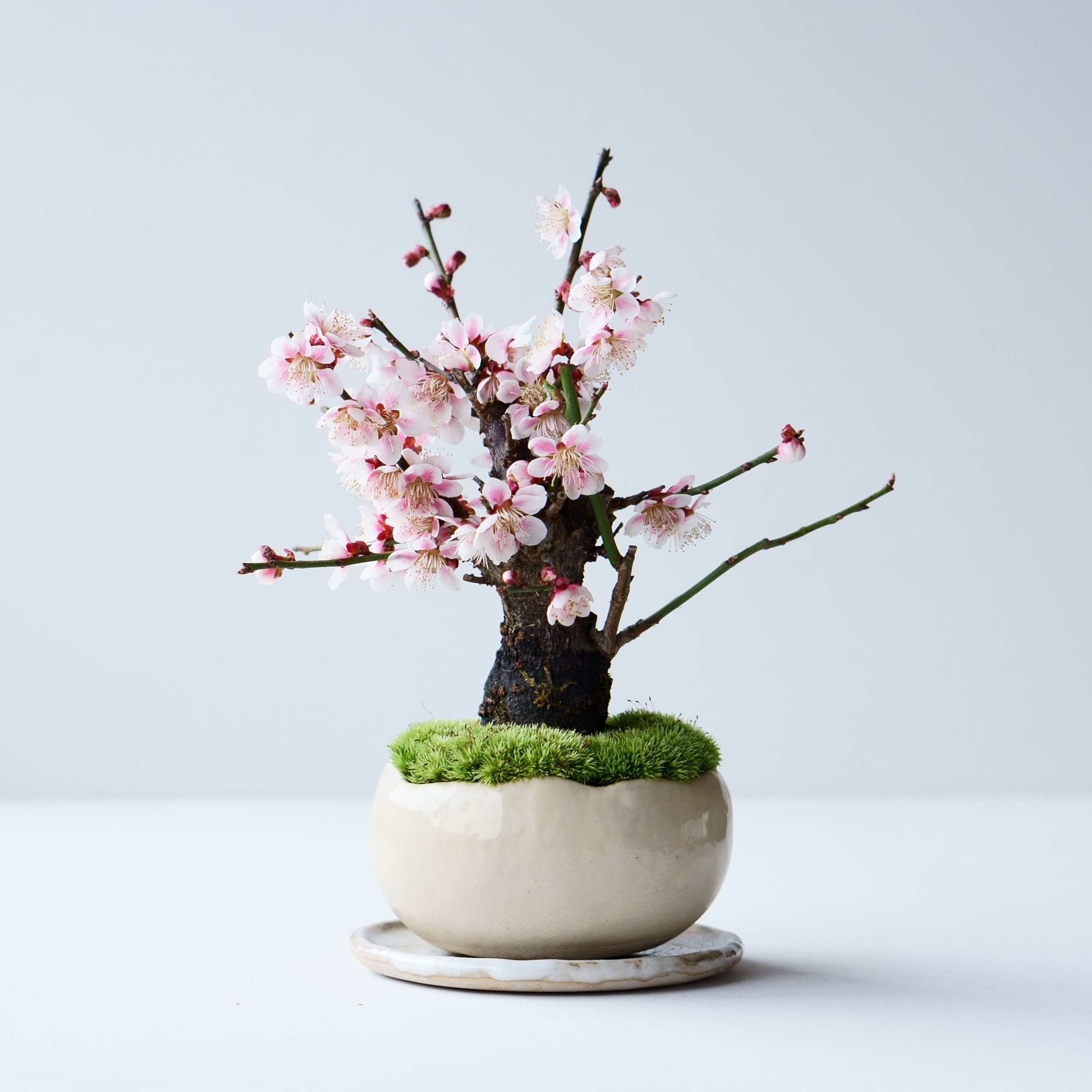 梅
-
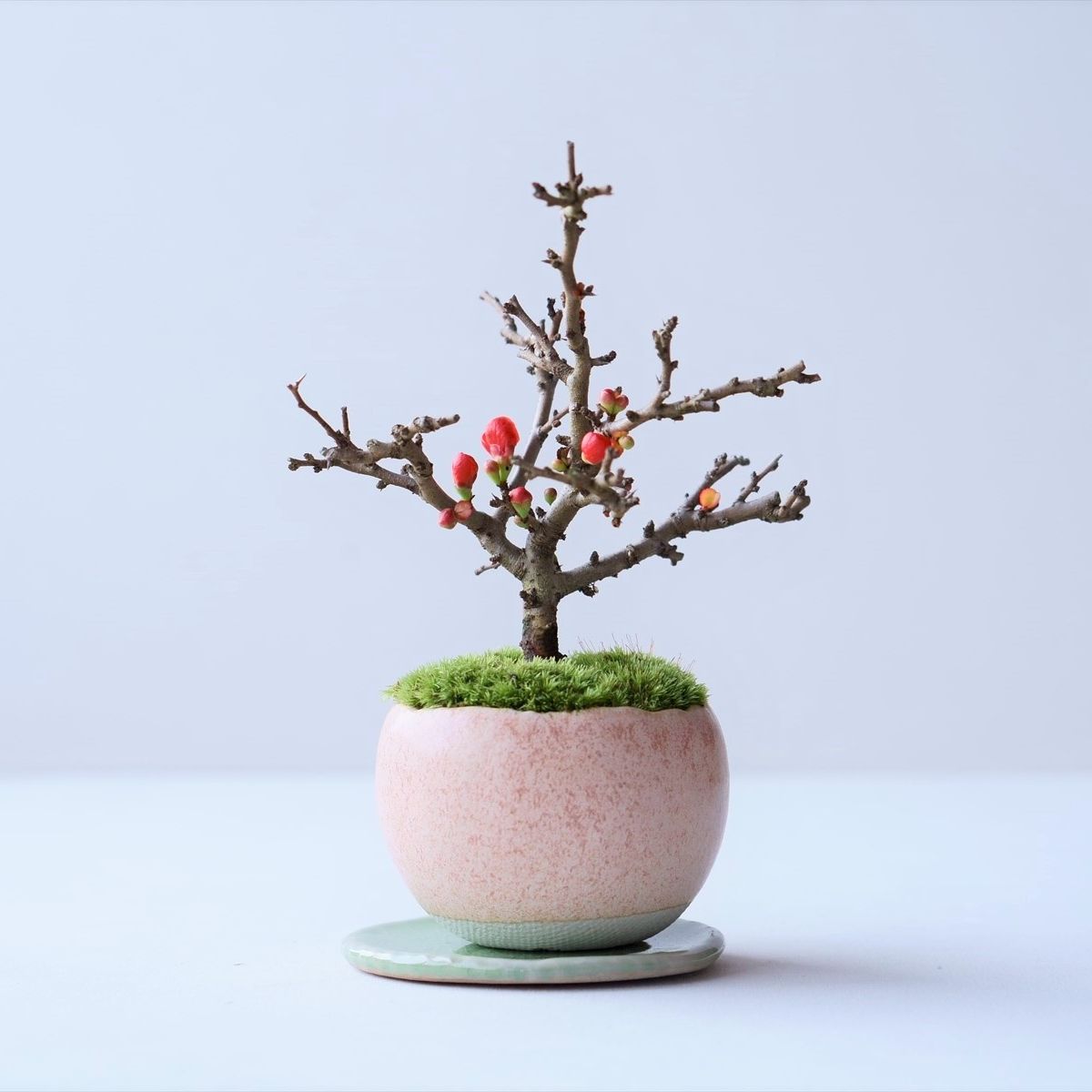 長寿梅
-
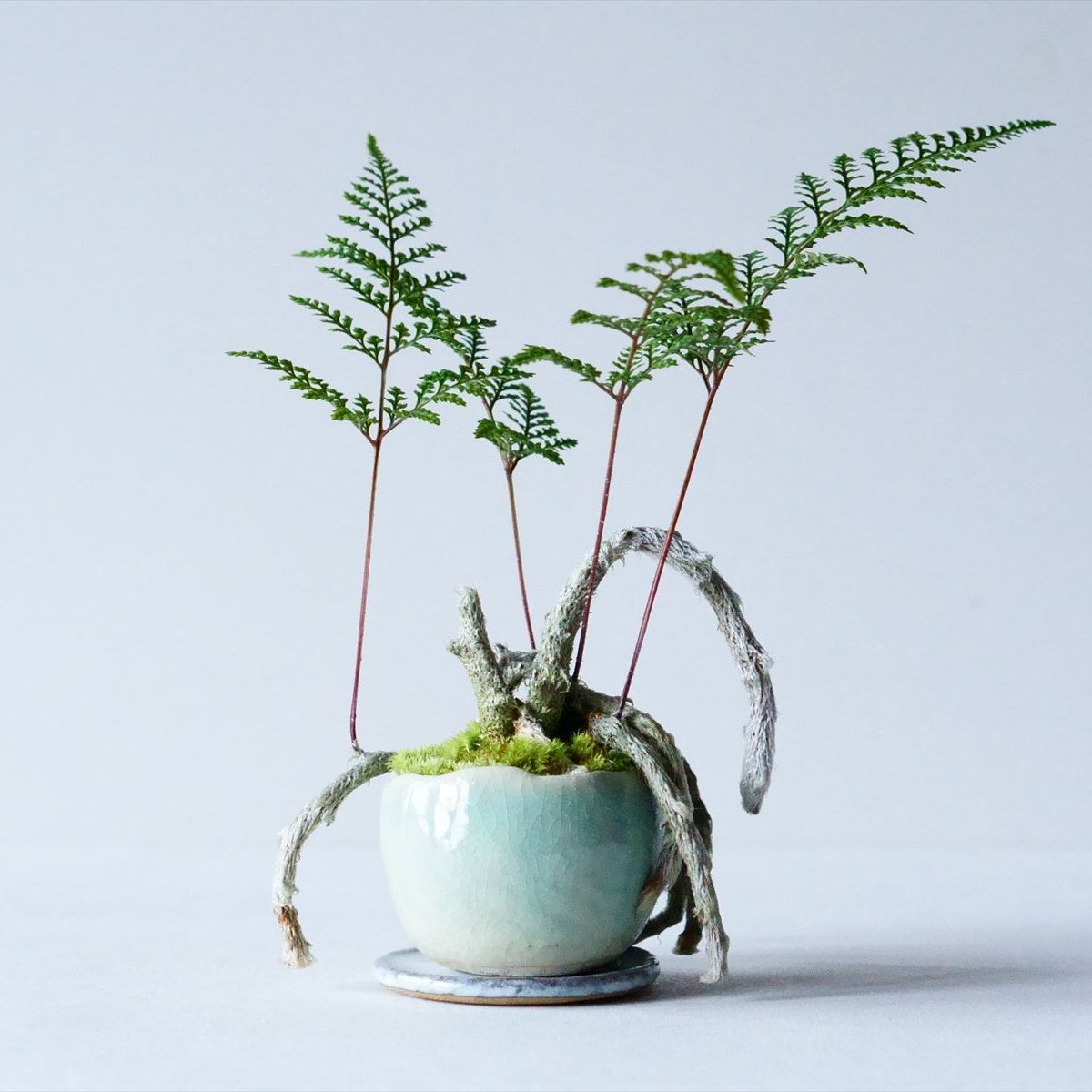 トキワシノブ
-
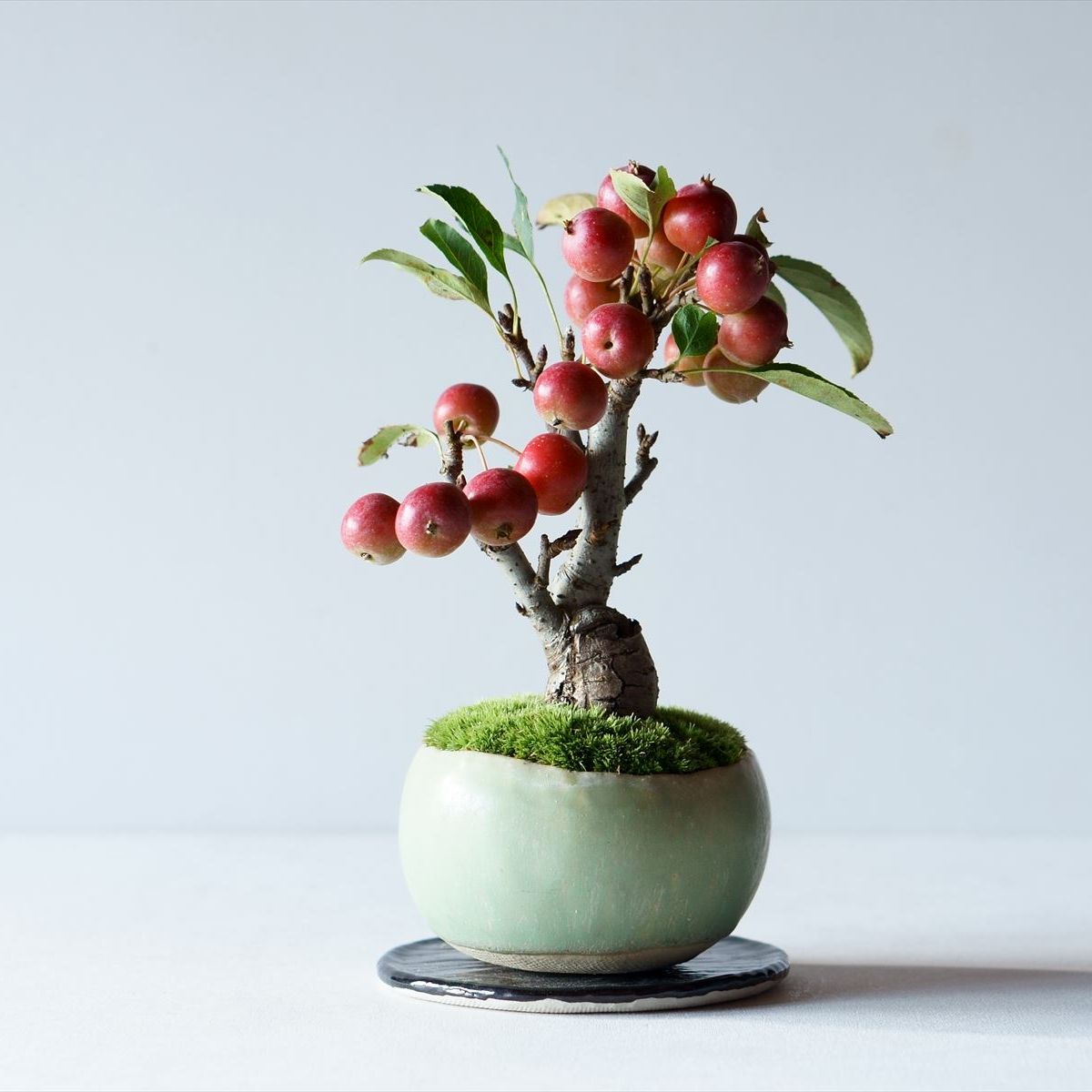 姫リンゴ
-
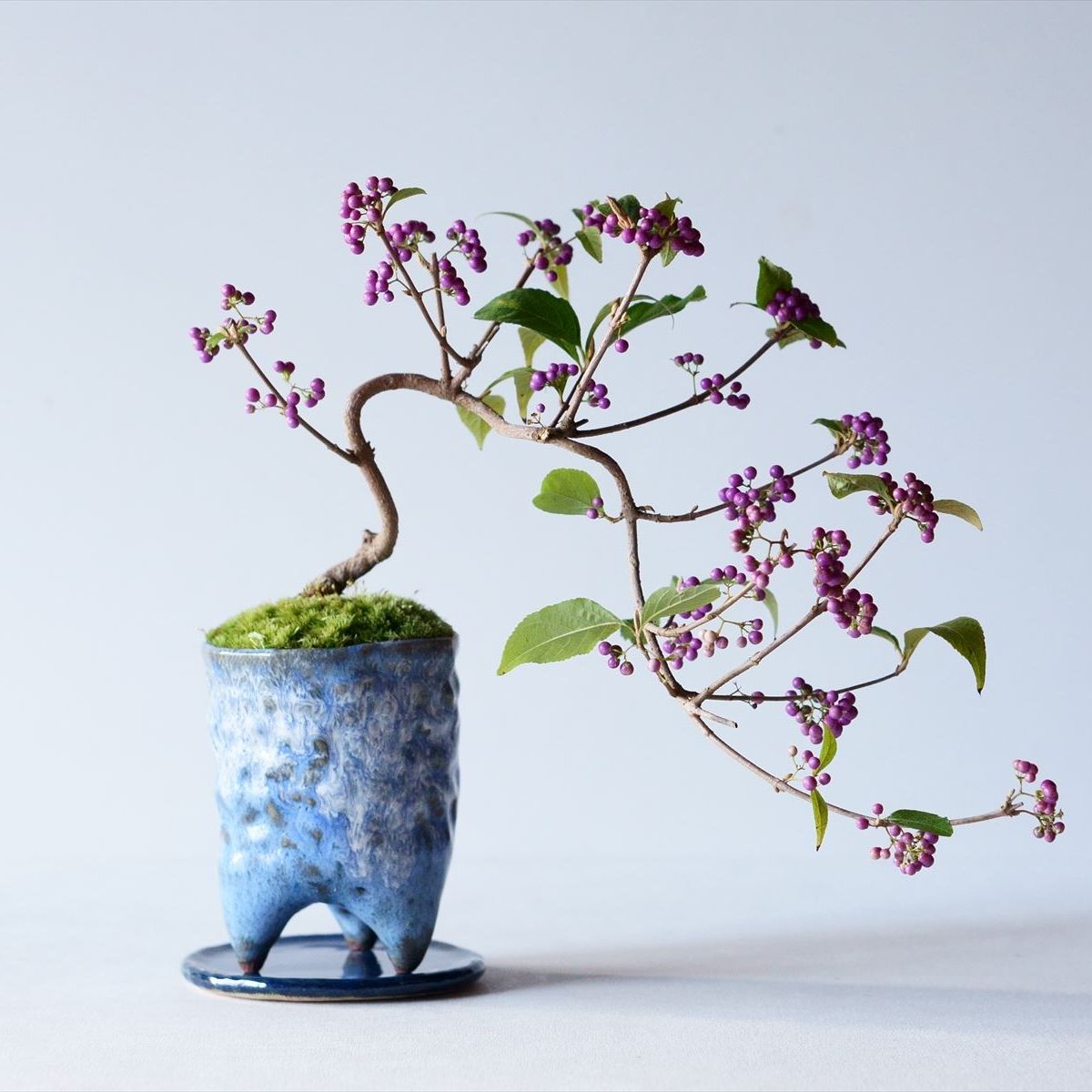 コムラサキ
-
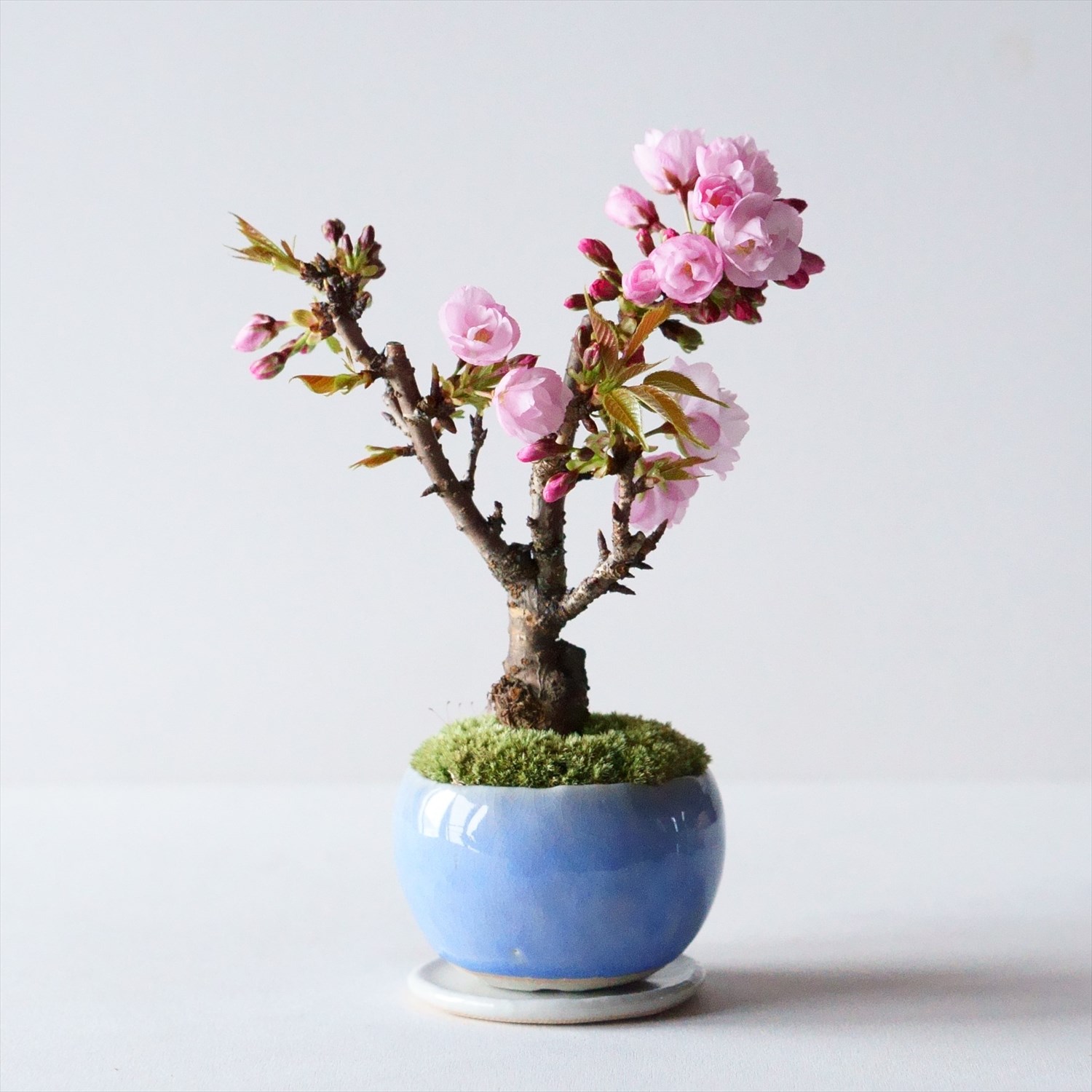 旭山桜
-
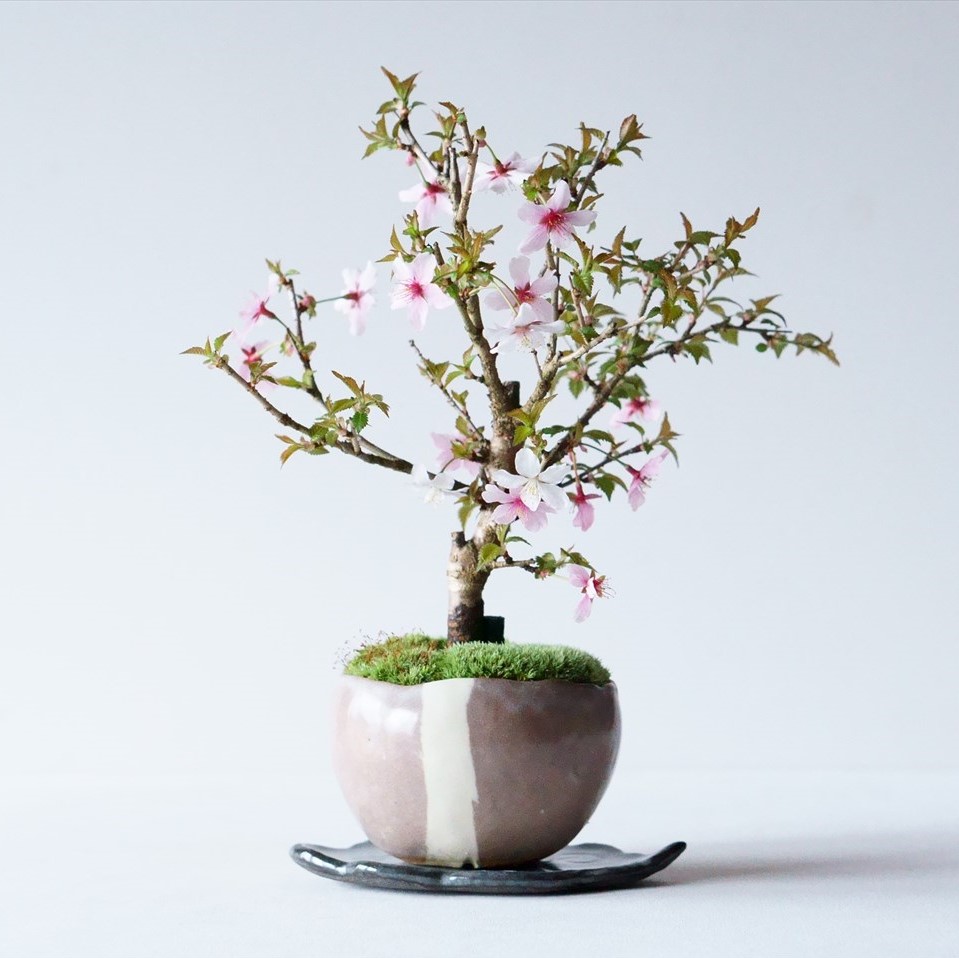 富士桜
-
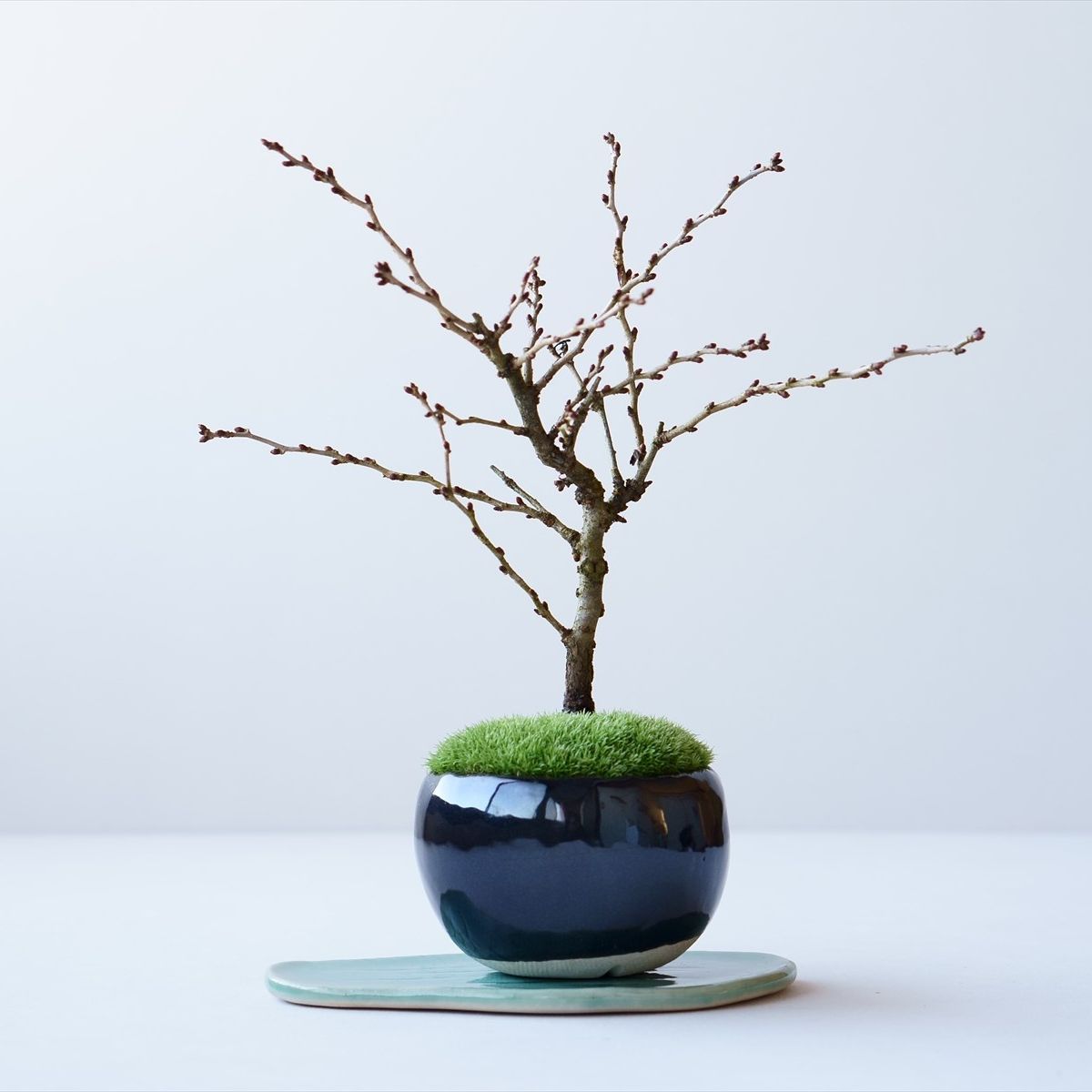 雲竜富士桜
-
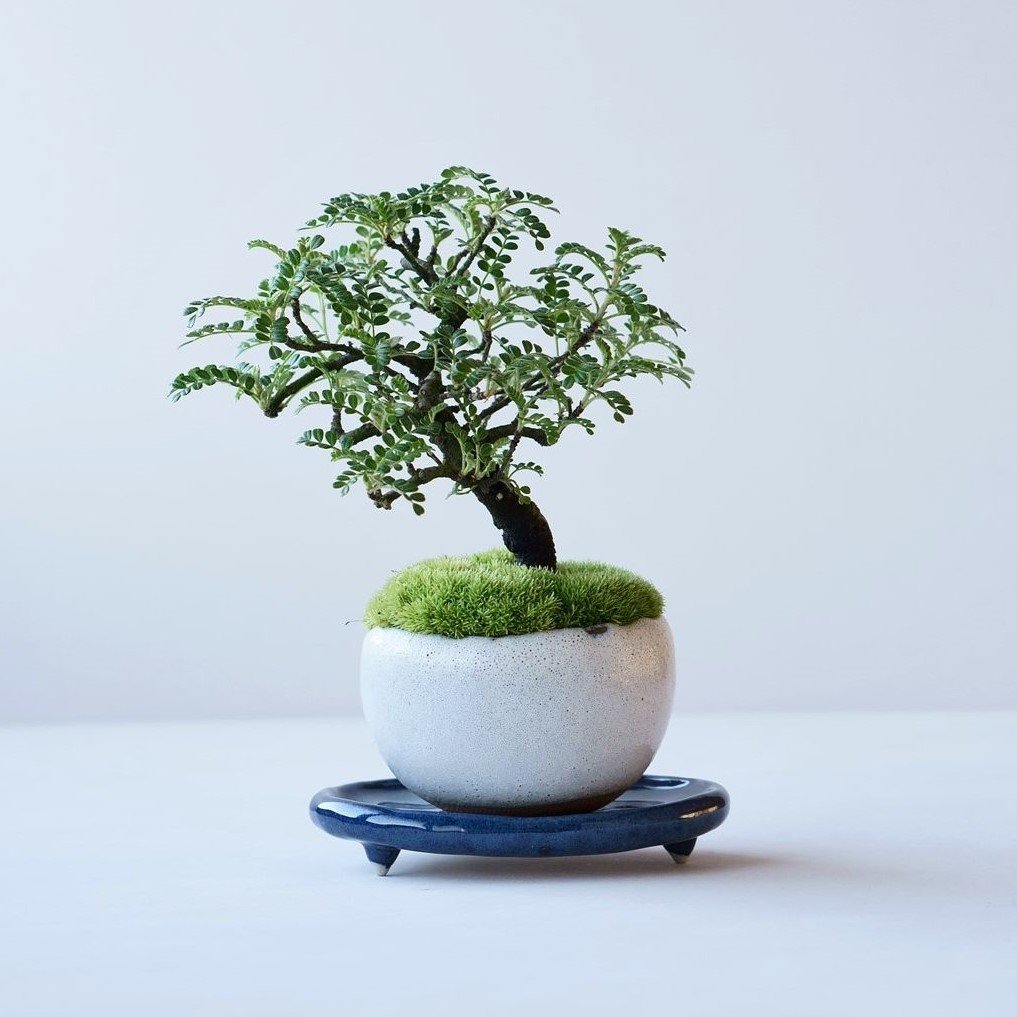 イソザンショウ
-
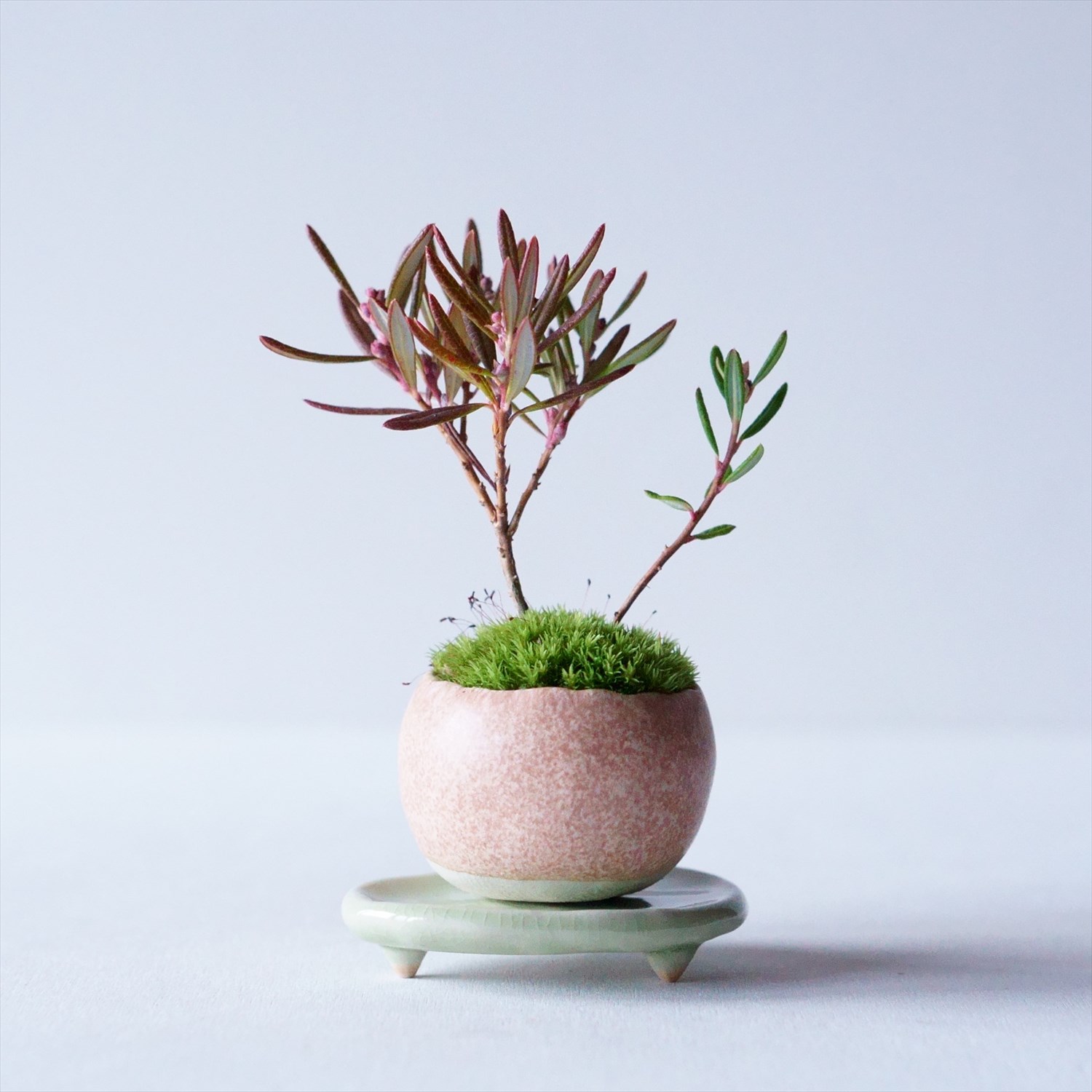 姫シャクナゲ
-
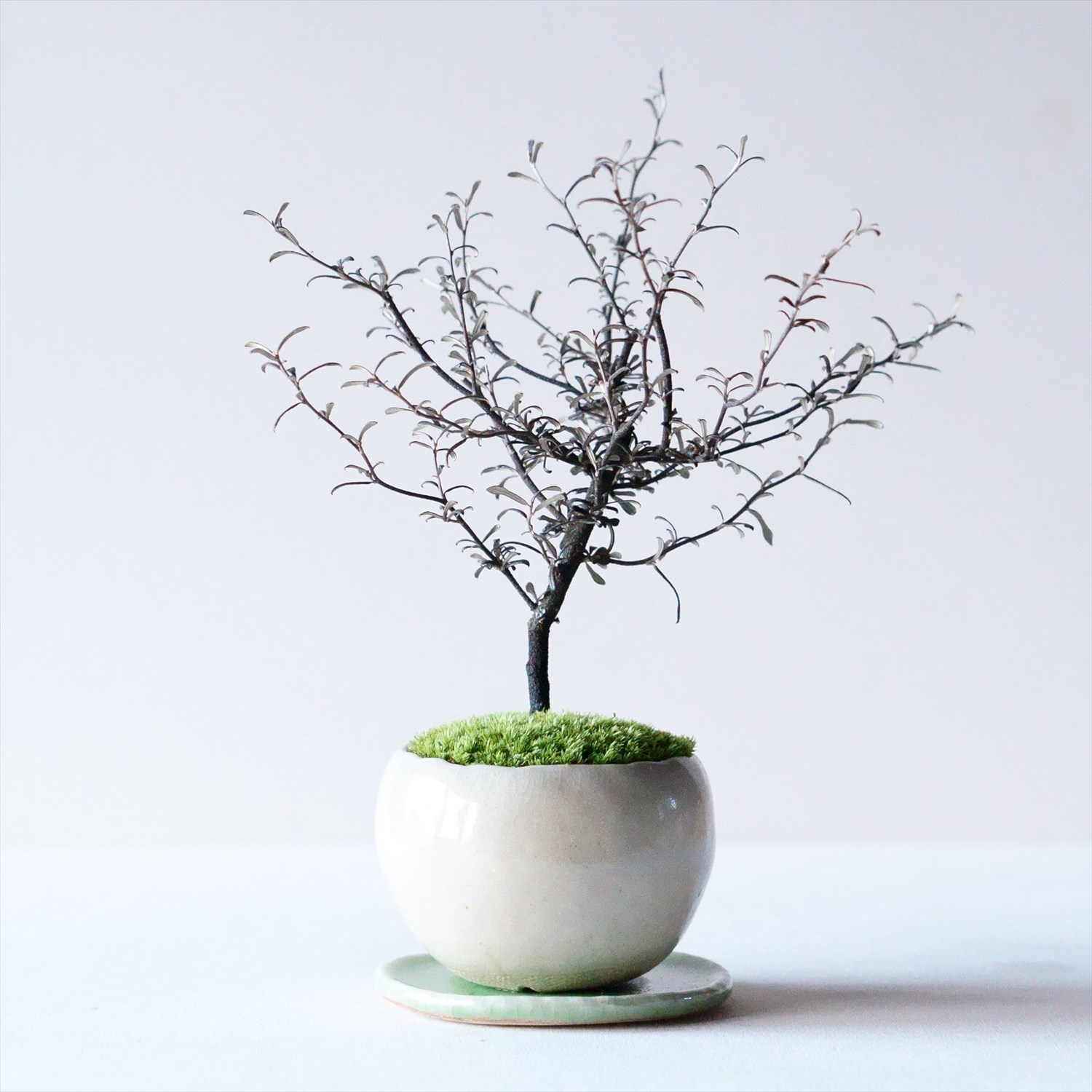 コロキア
-
 しだれ桜
-
 ゴヨウマツ
-
 キバナジャスミン
-
 山ブドウ
-
 キンロバイ
-
 チリメンカズラ
-
 姫ネムノキ
-
 テイカカズラ
-
 斑入りチリメンカズラ
-
 ヤマツツジ
-
 日向ミズキ
-
 コプロスマ
-
 ヒメソナレ
-
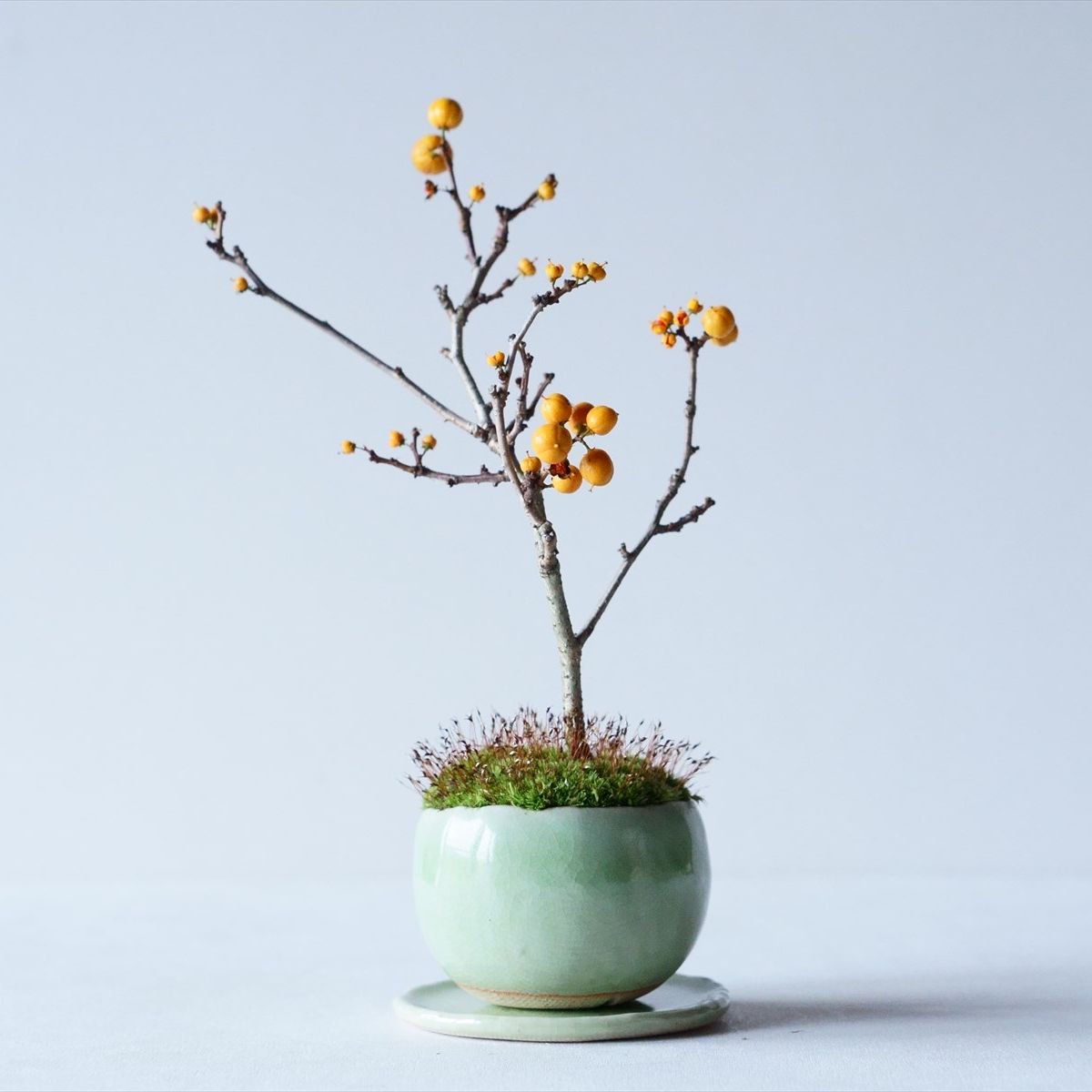 ツルウメモドキ
-
 姫エンジュ
-
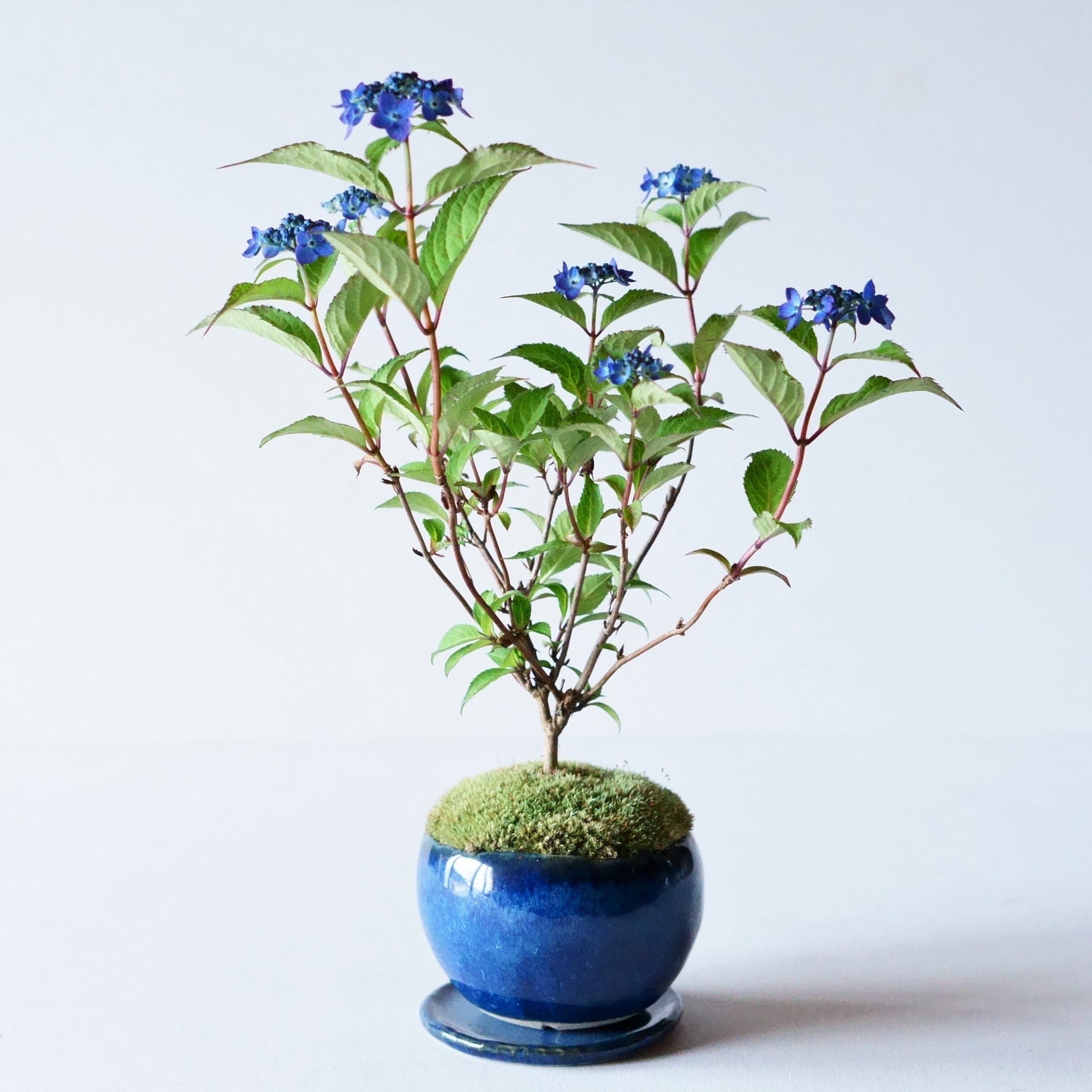 ヤマアジサイ
-
 イチョウ
-
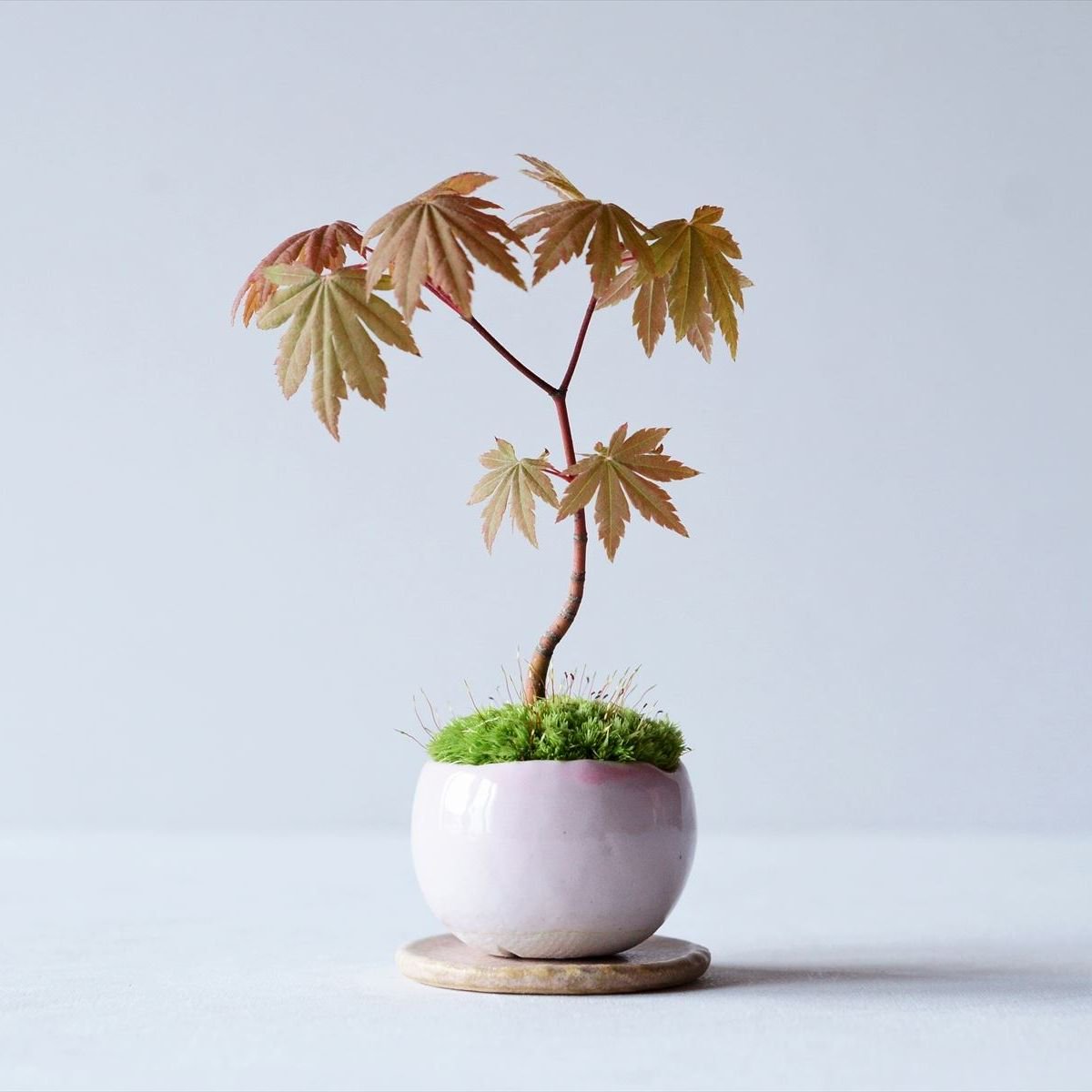 ヤマモミジ
-
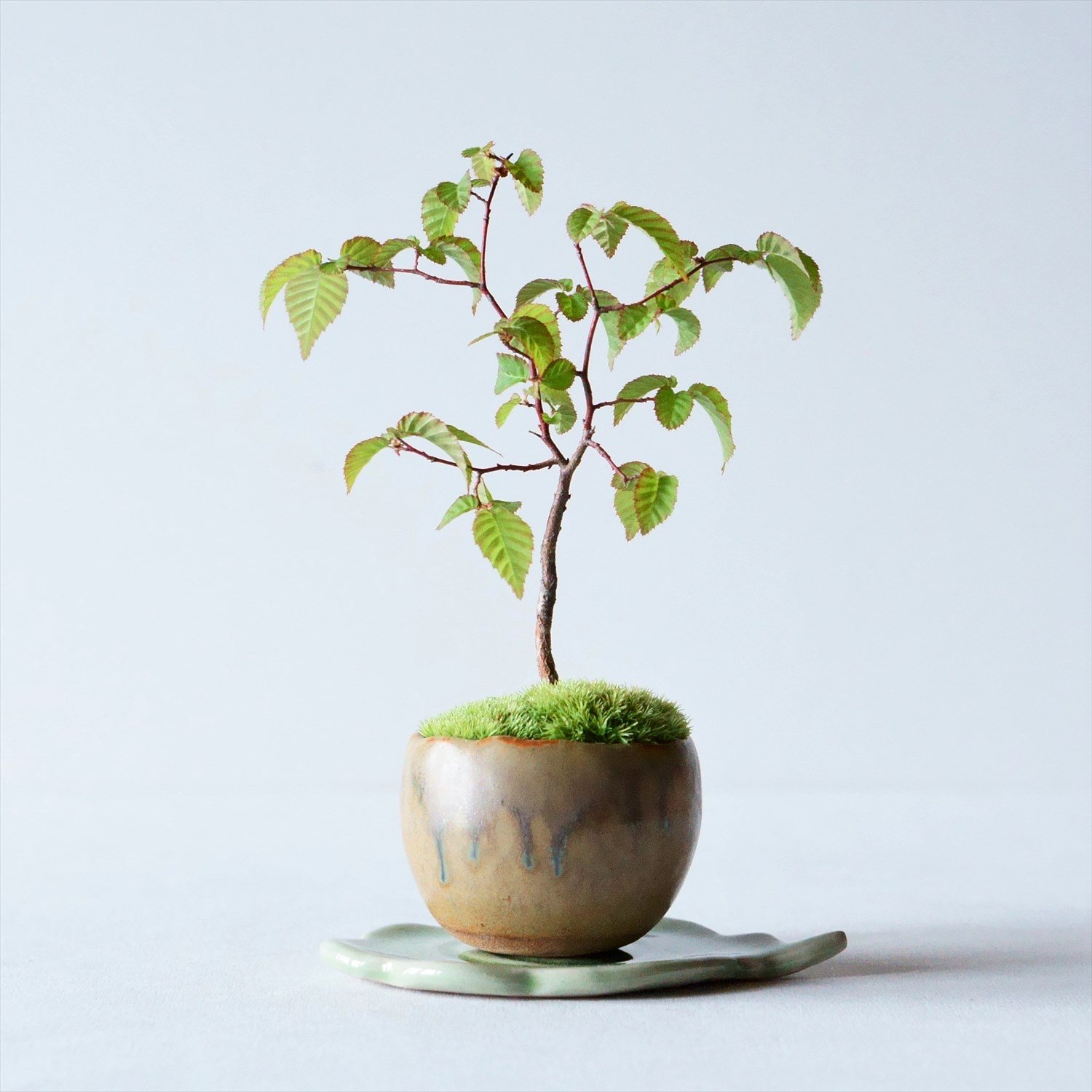 アカメシデ
-
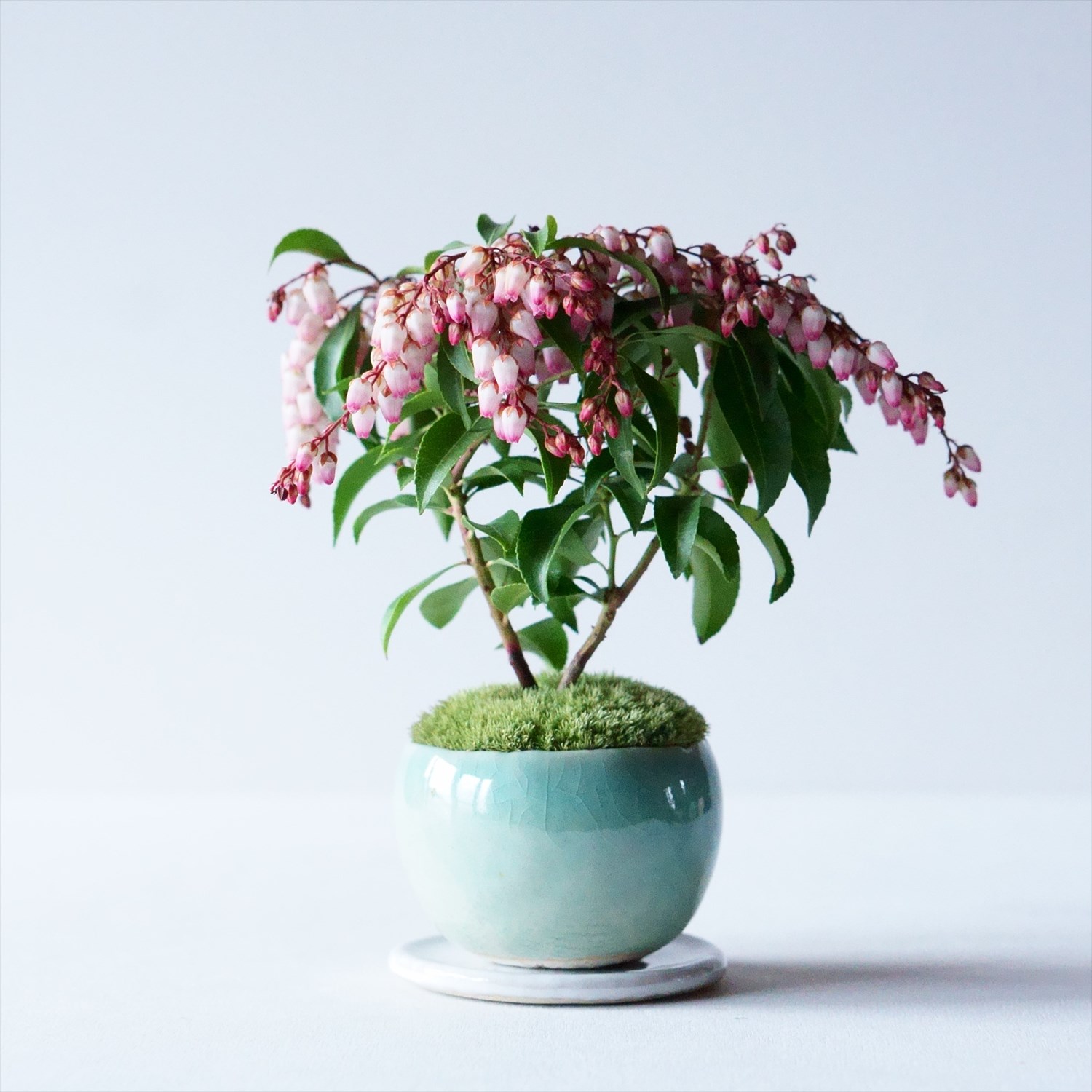 アセビ
-
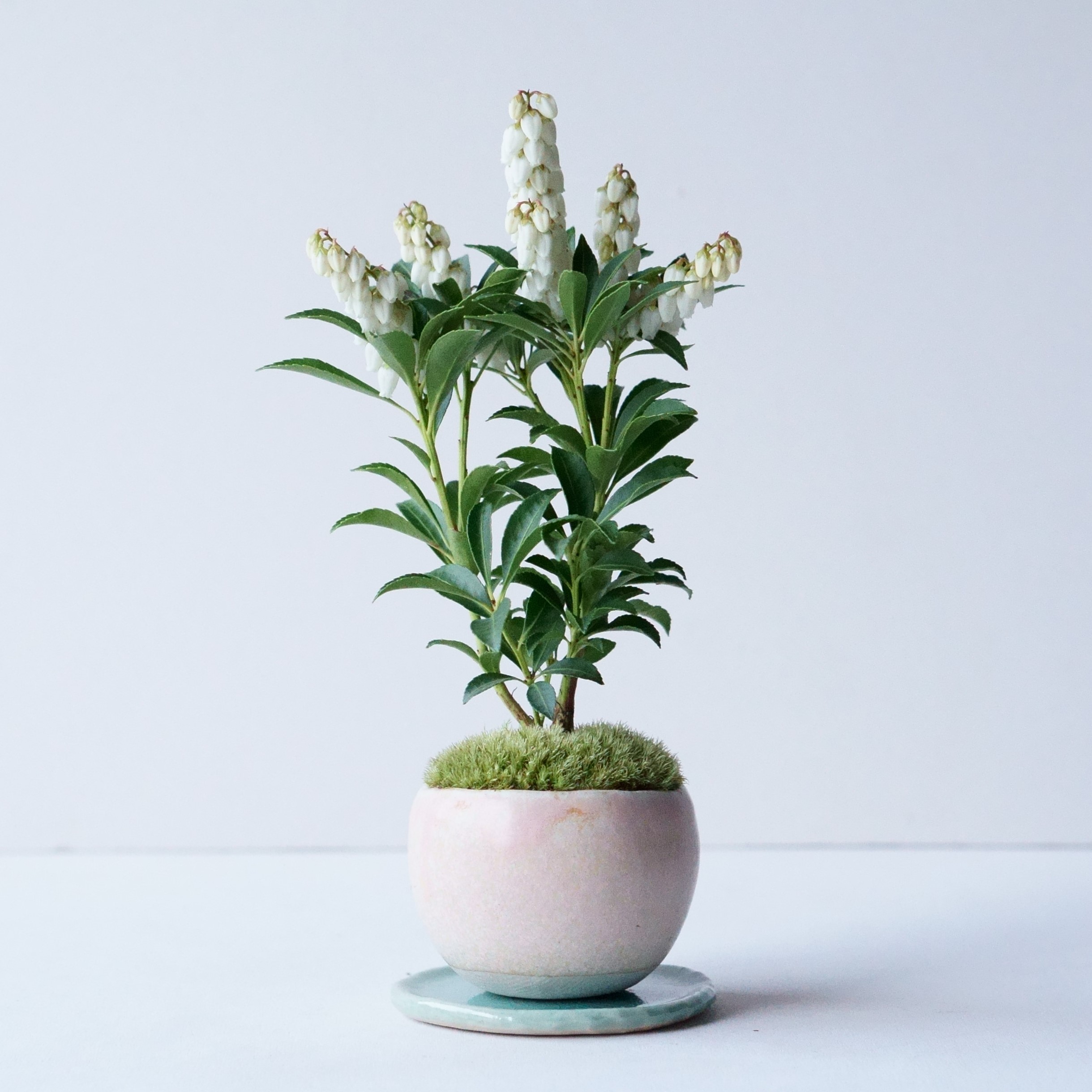 屋久島アセビ
-
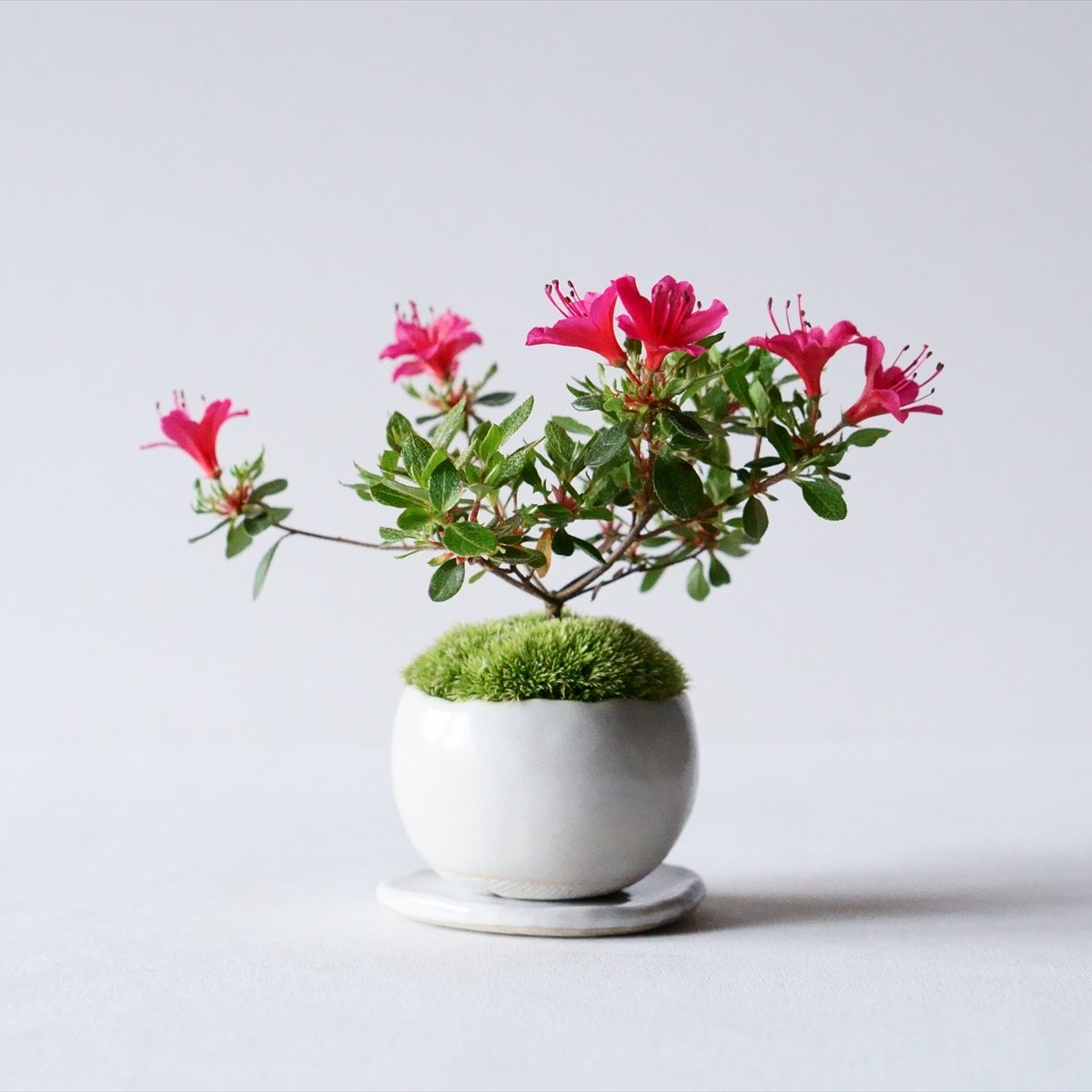 深山キリシマツツジ
-
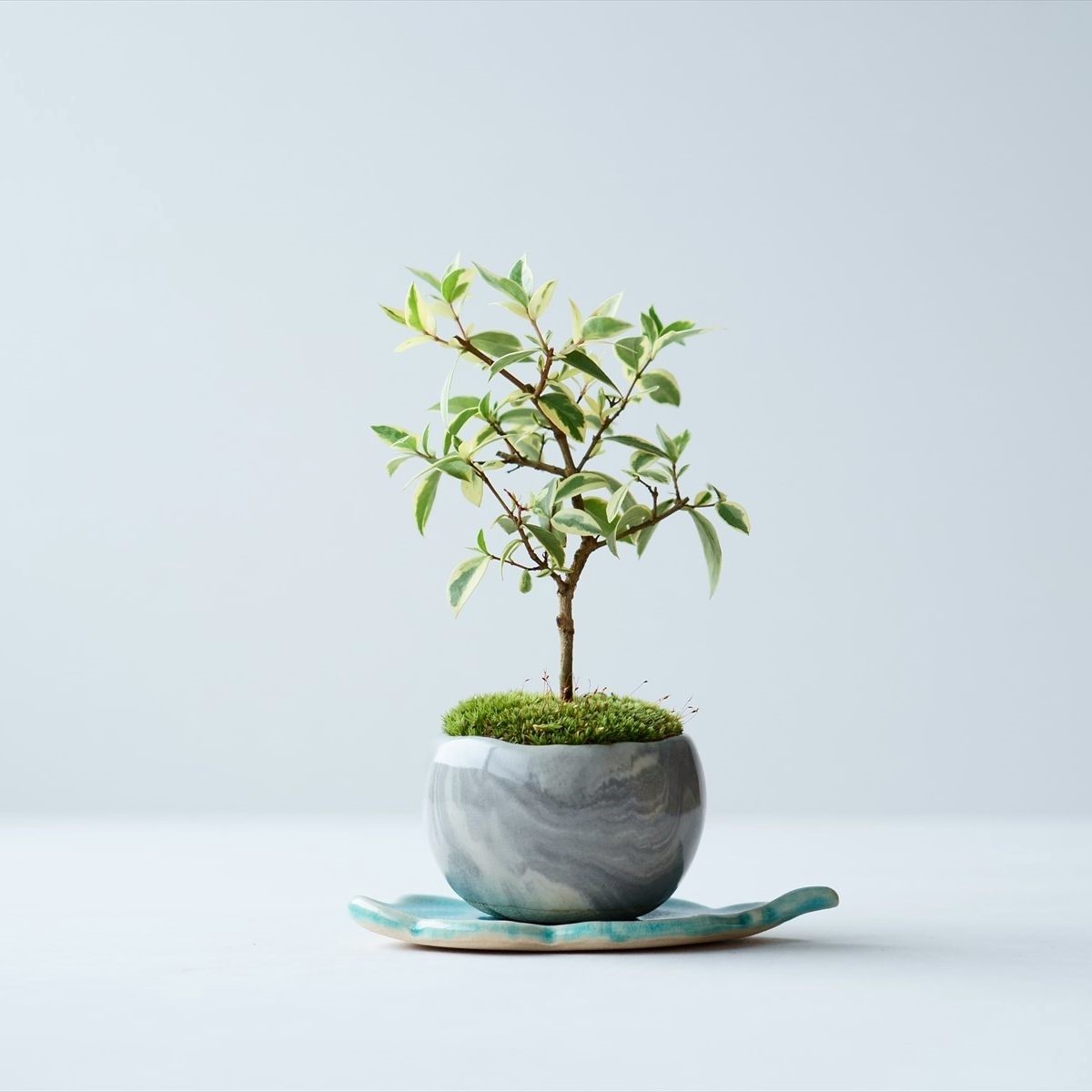 斑入りギンバイカ
-
 クロマツ
-
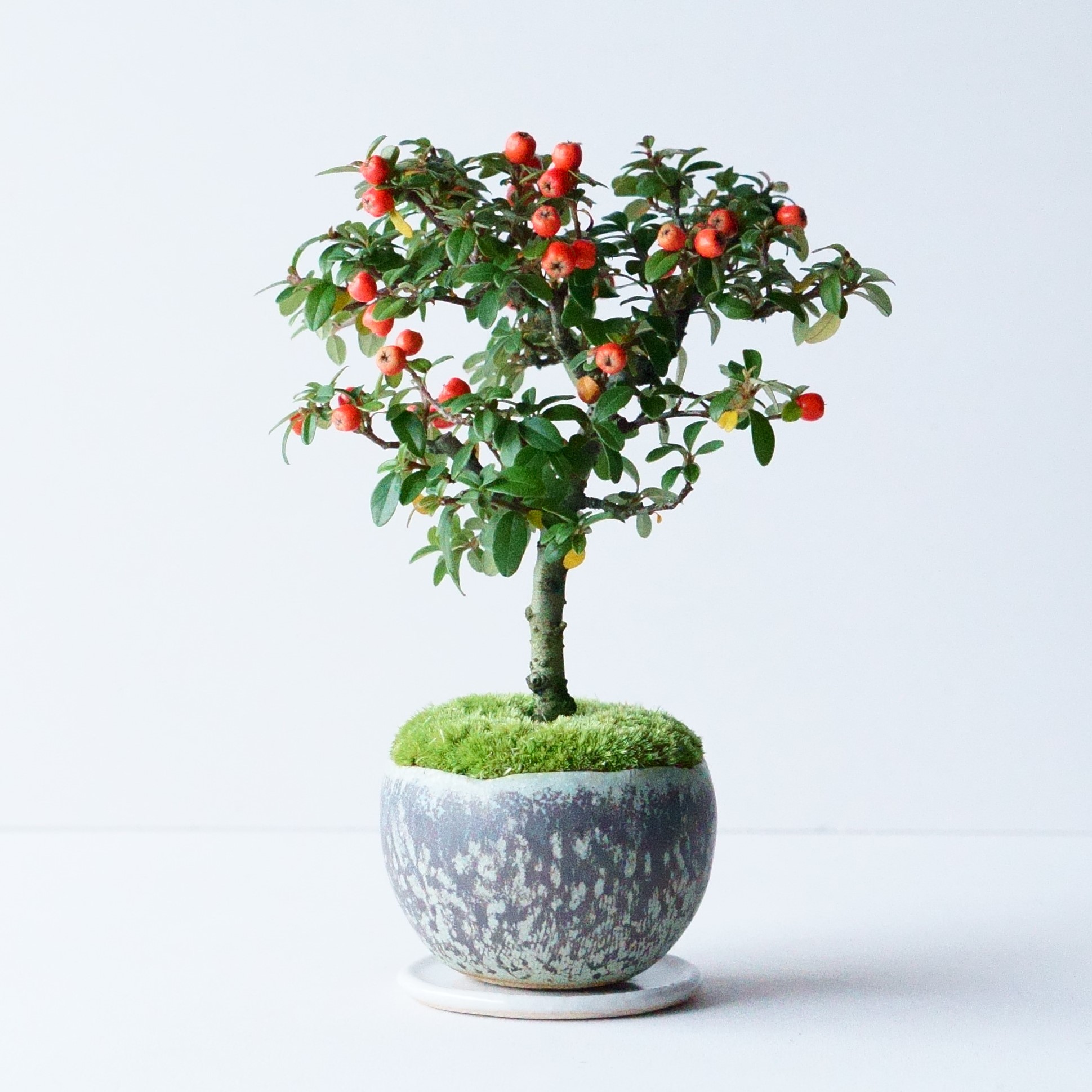 カマツカコケモモ
-
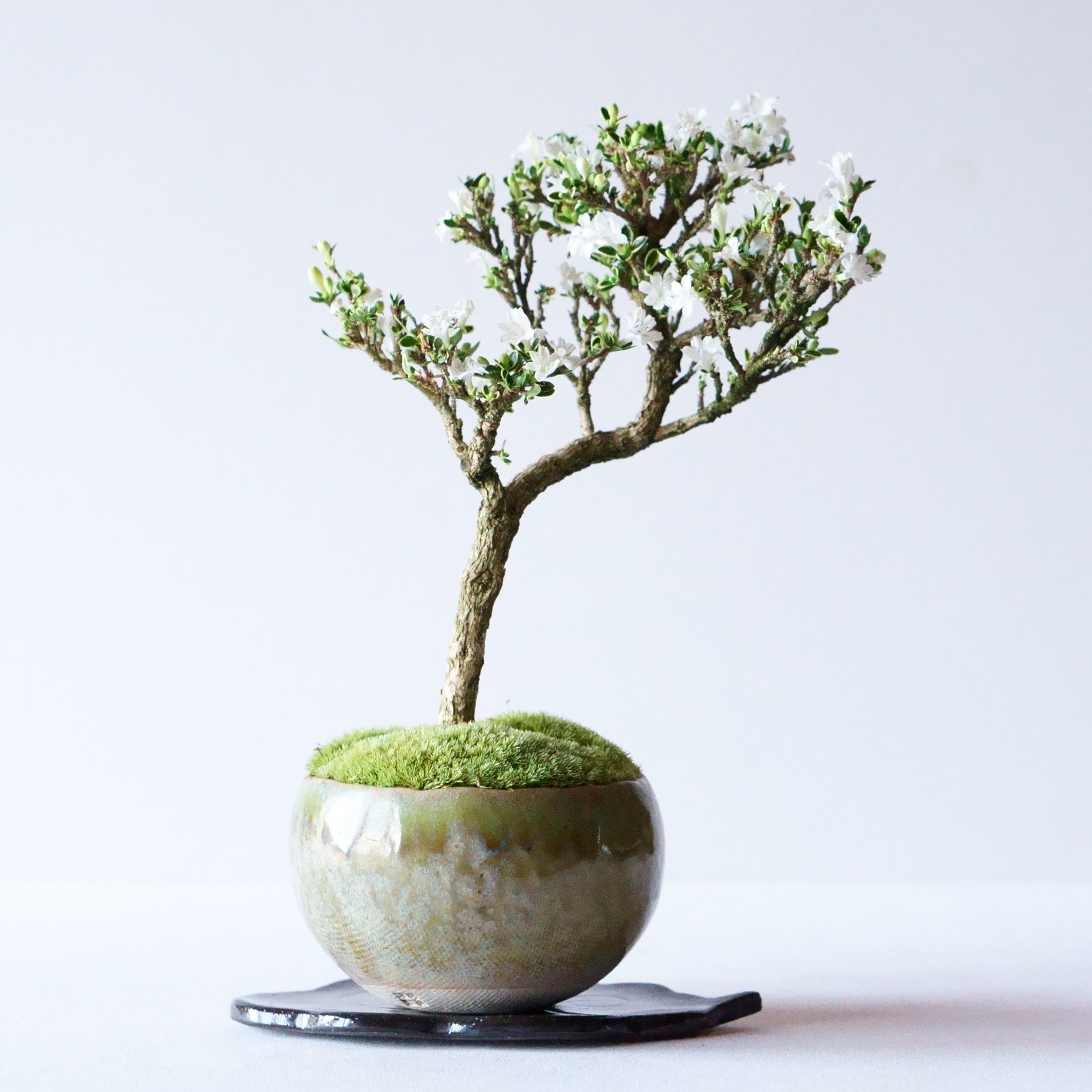 白鳥花
-
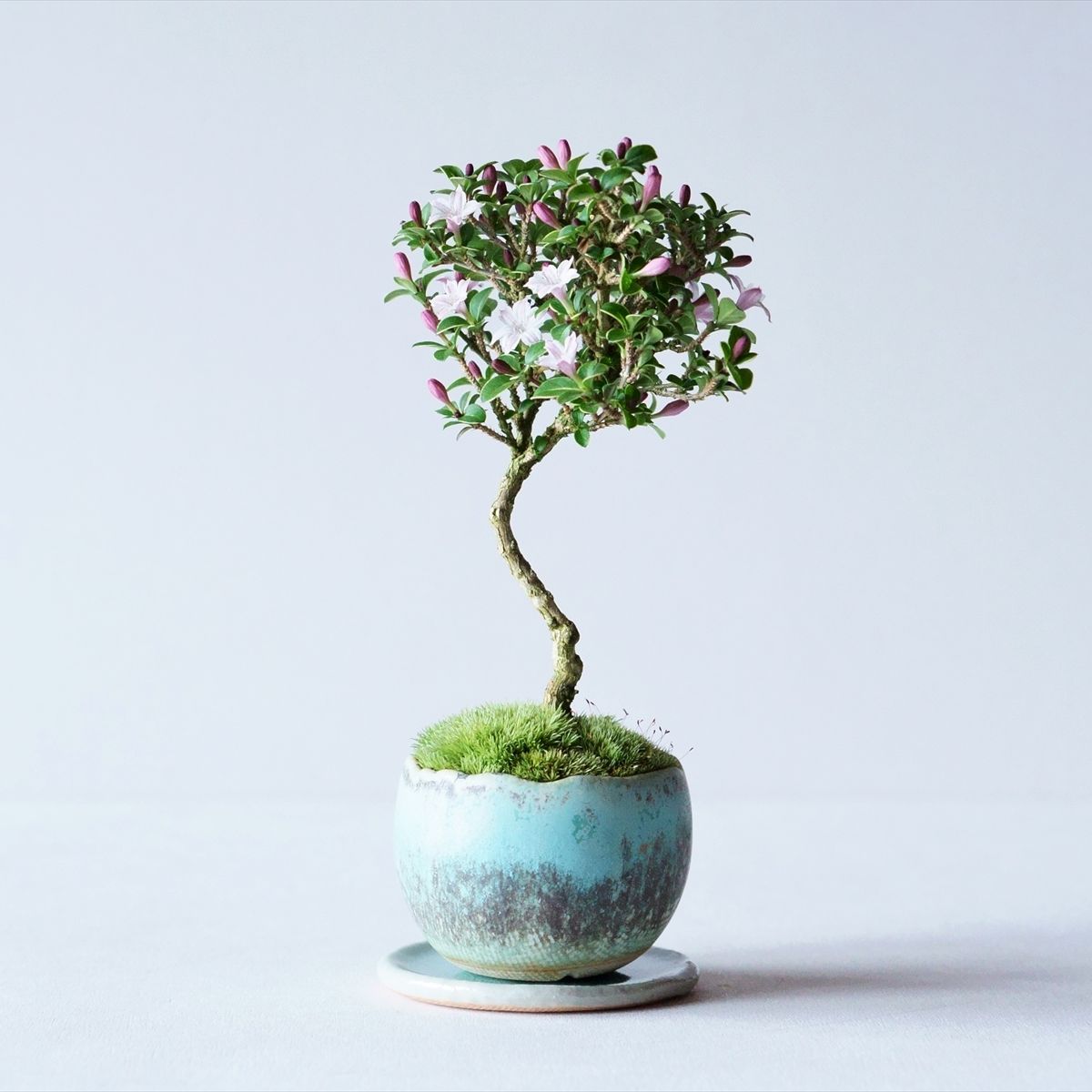 香丁木
-
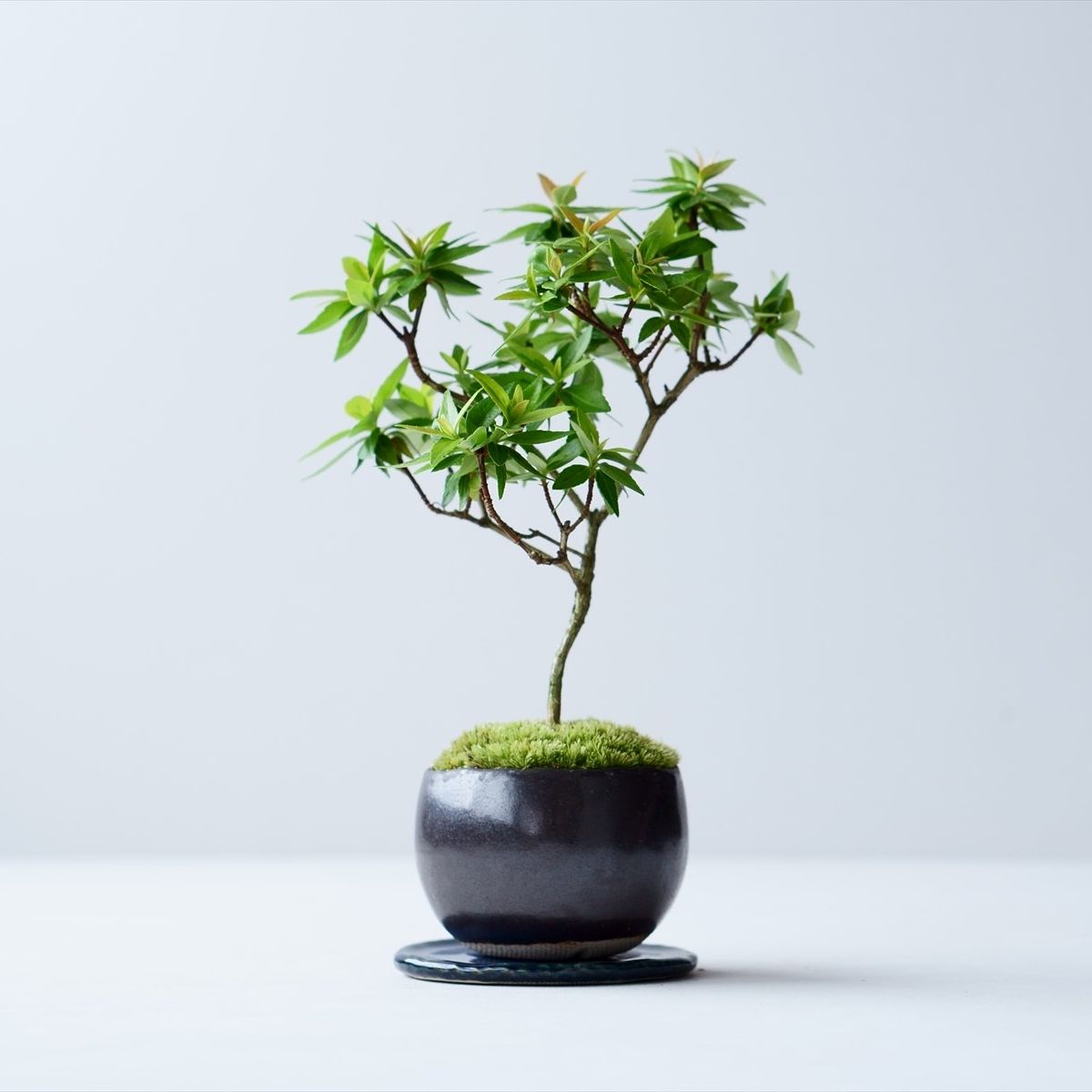 アベリア
-
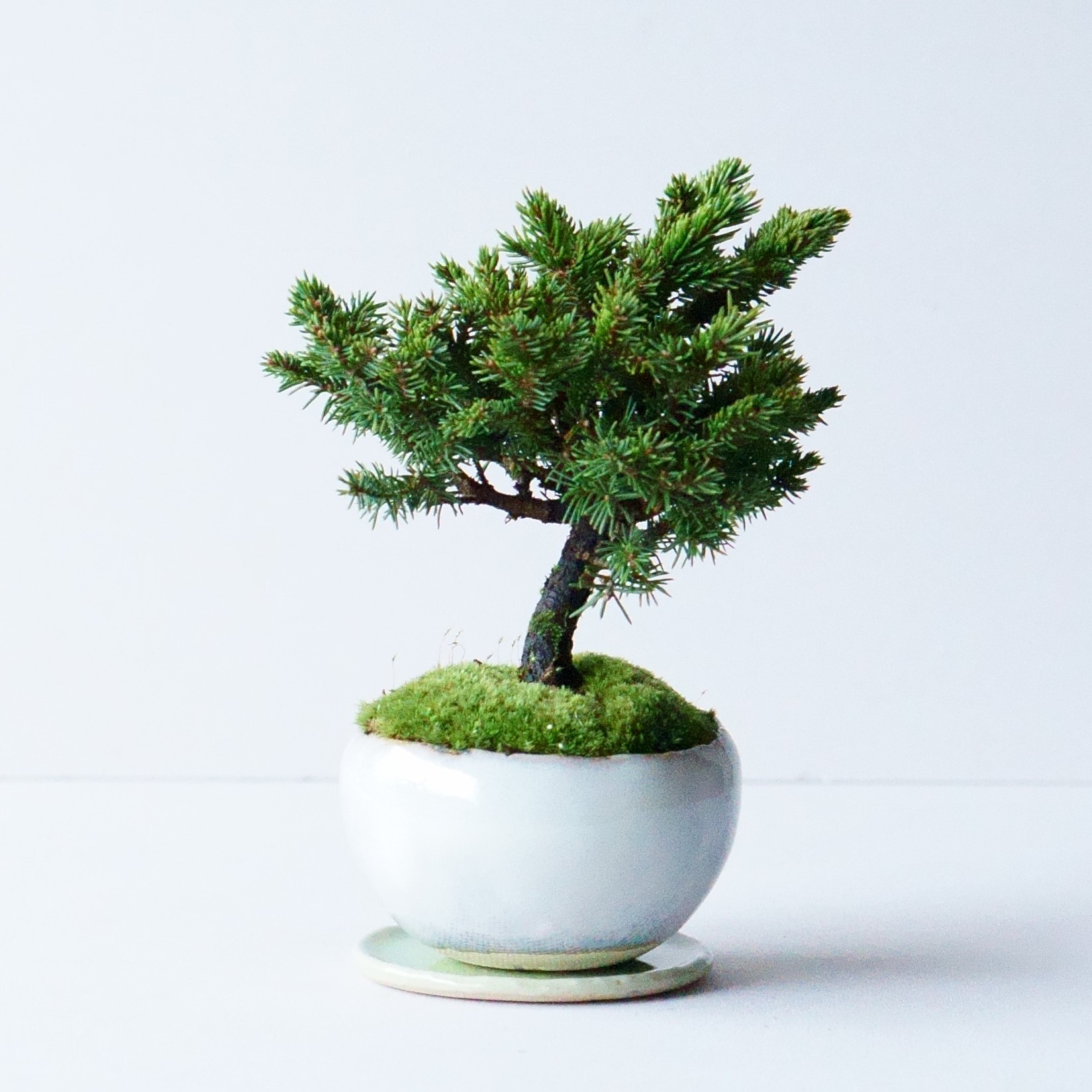 八房エゾマツ
-
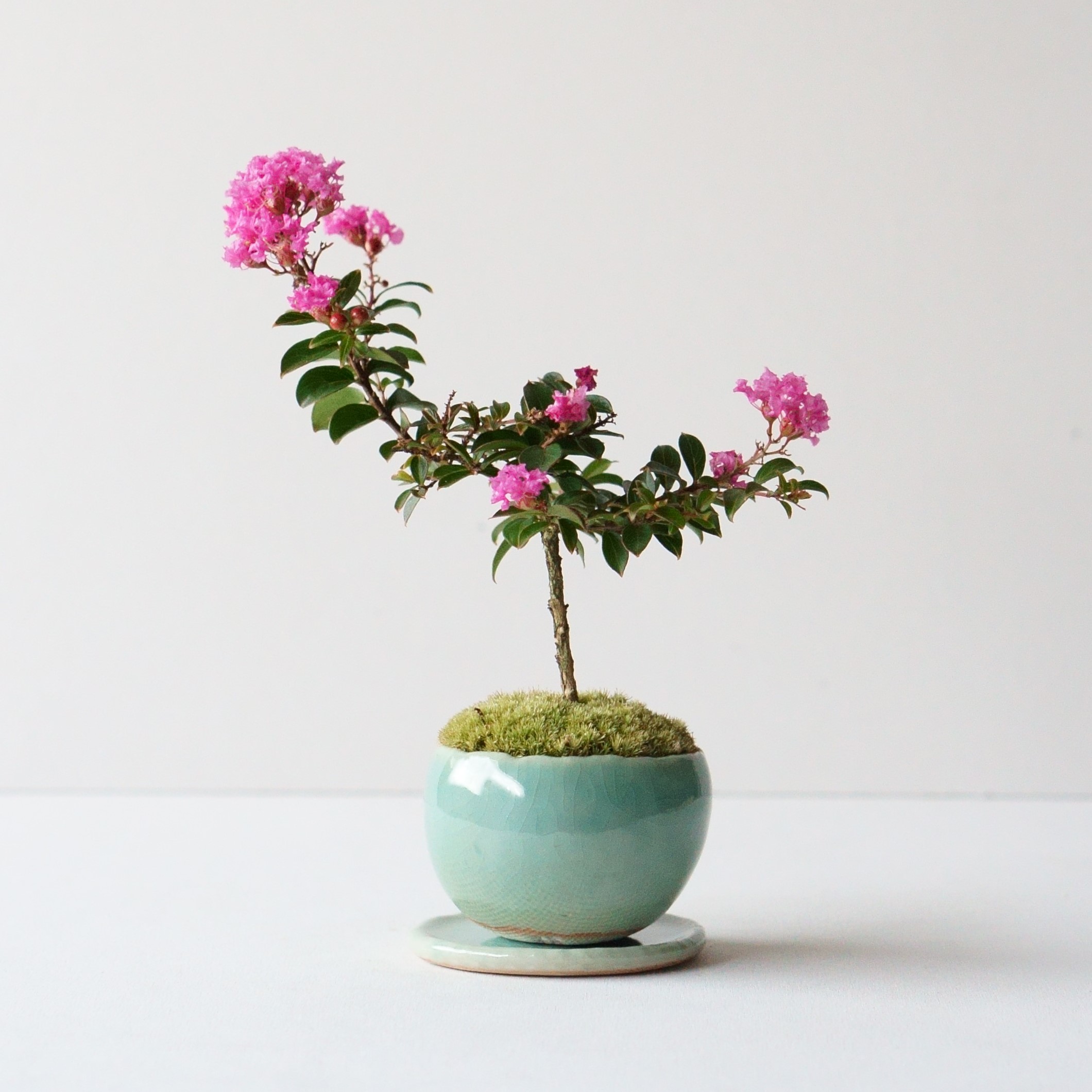 姫サルスベリ
-
 モミジバフウ
-
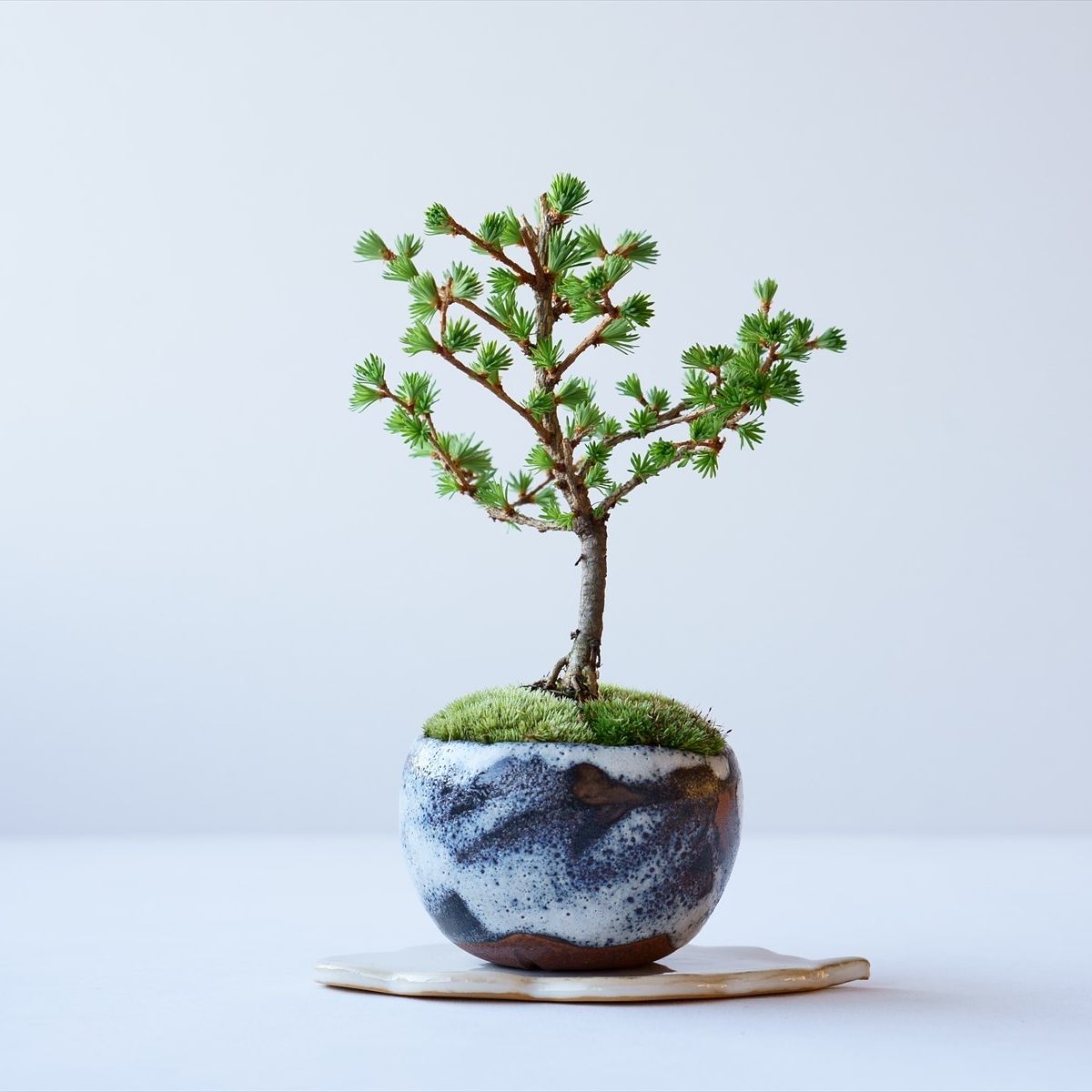 カラマツ
-
 ナナカマド
-
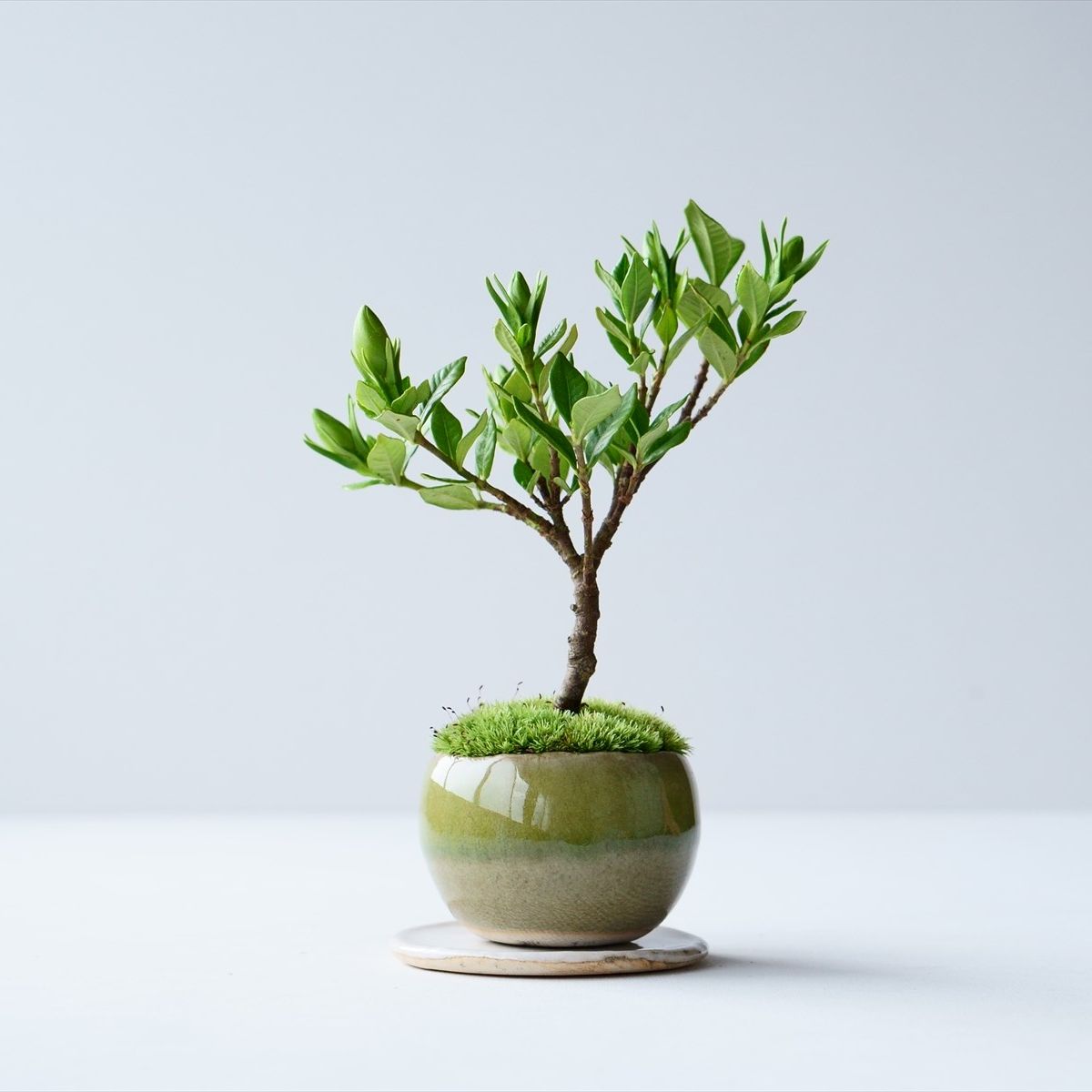 クチナシ
-
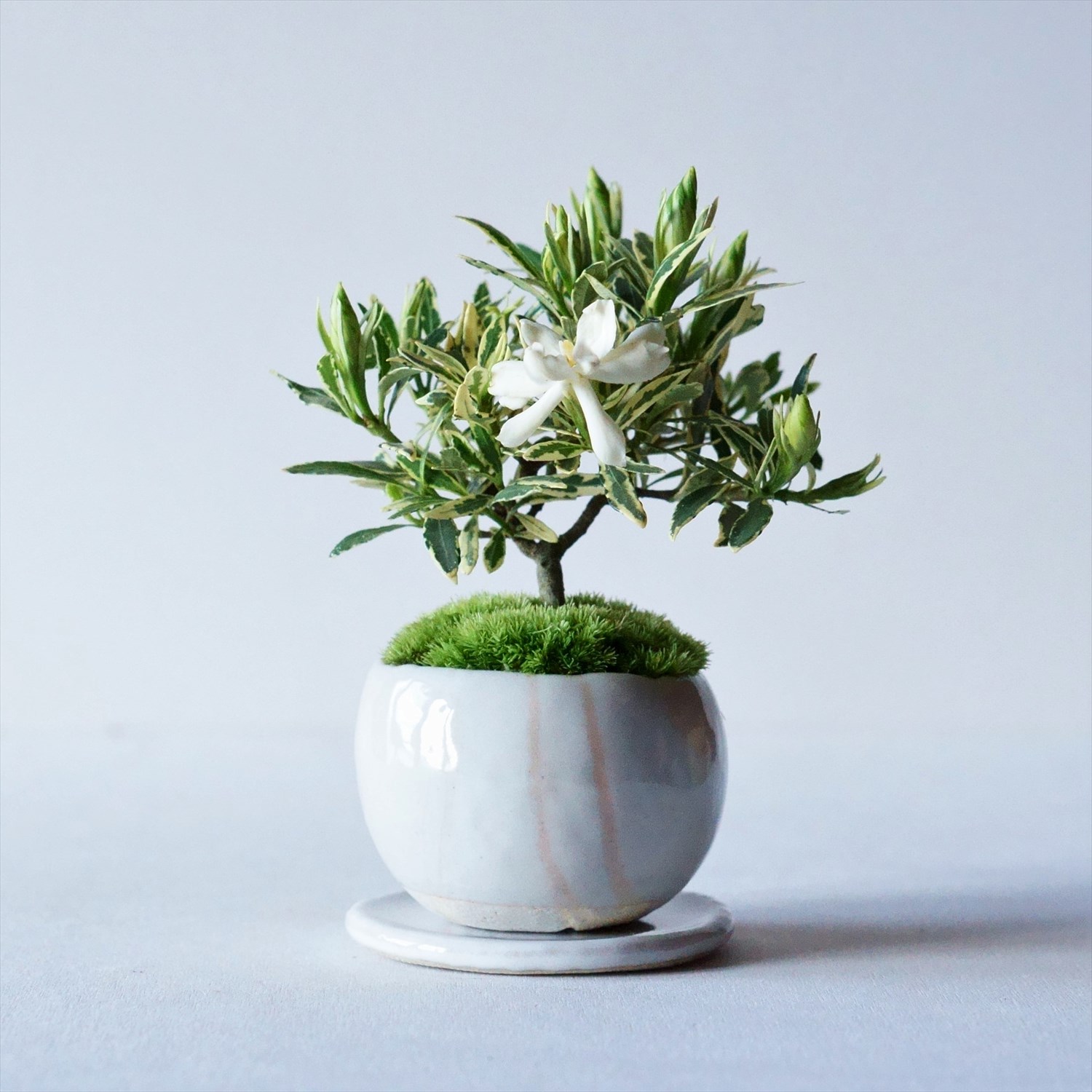 姫クチナシ
-
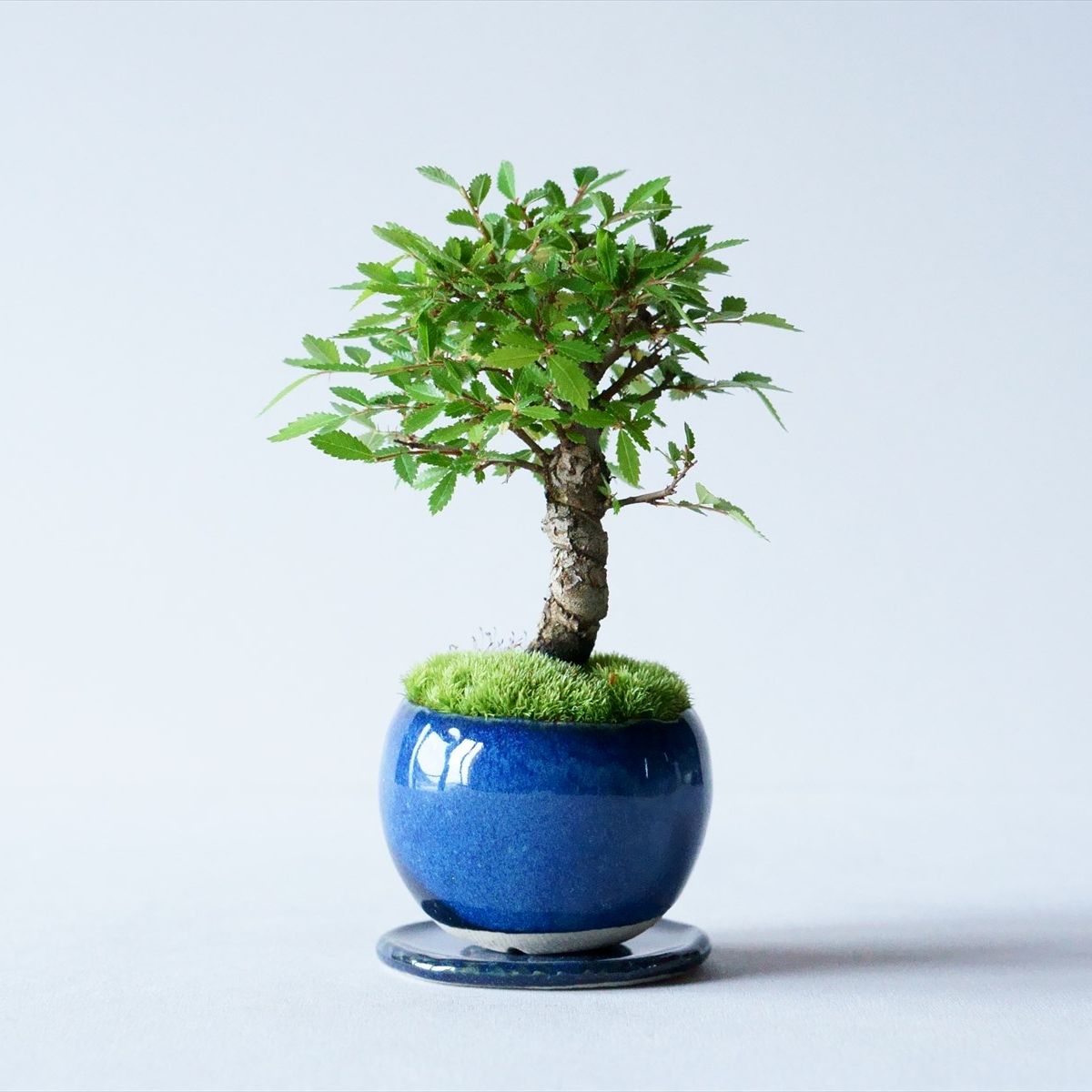 ニレケヤキ
-
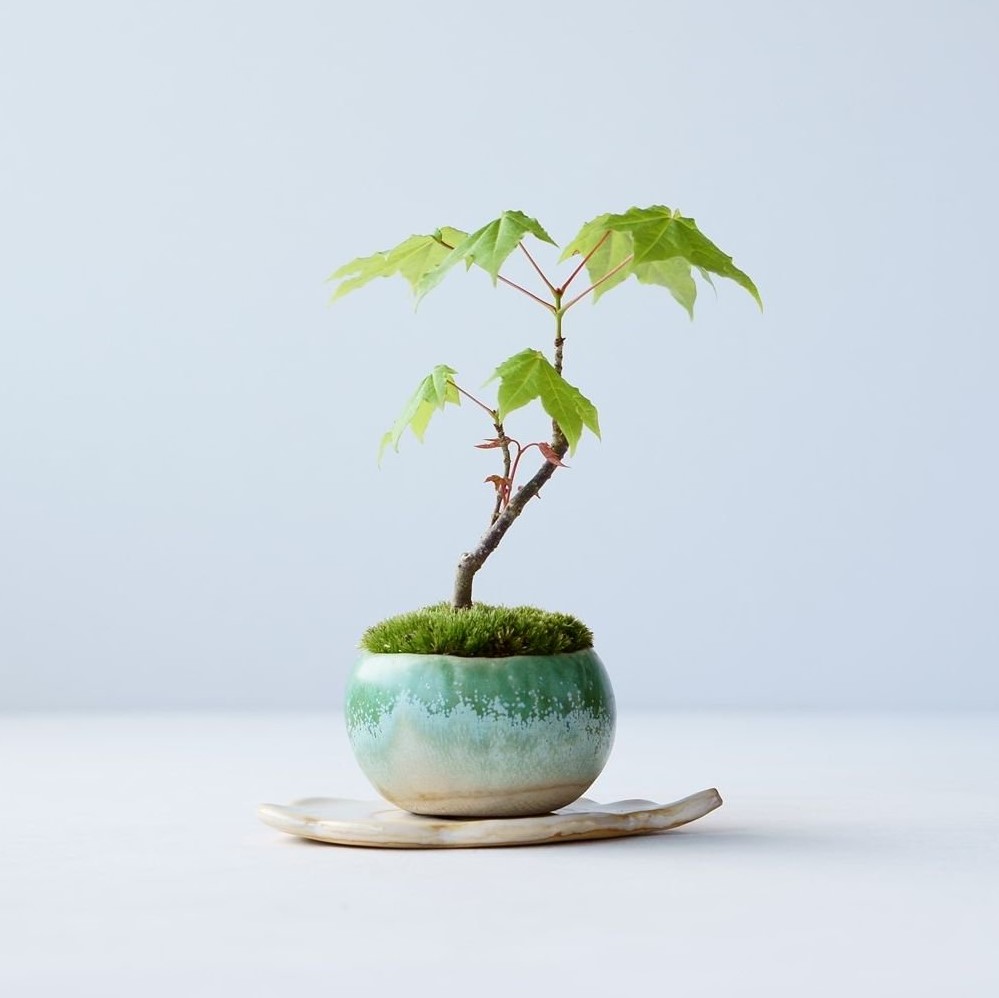 イタヤカエデ
-
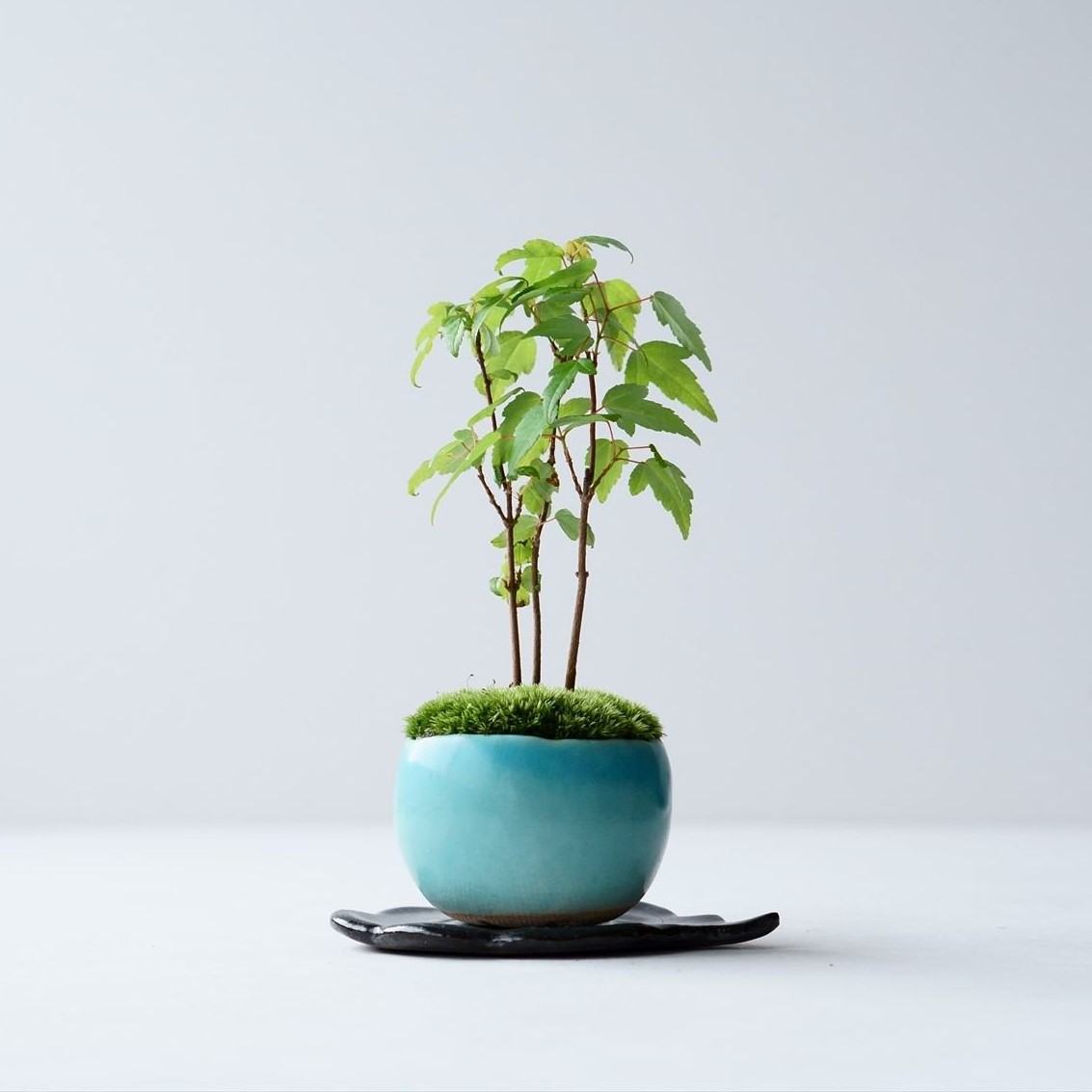 トウカエデ
-
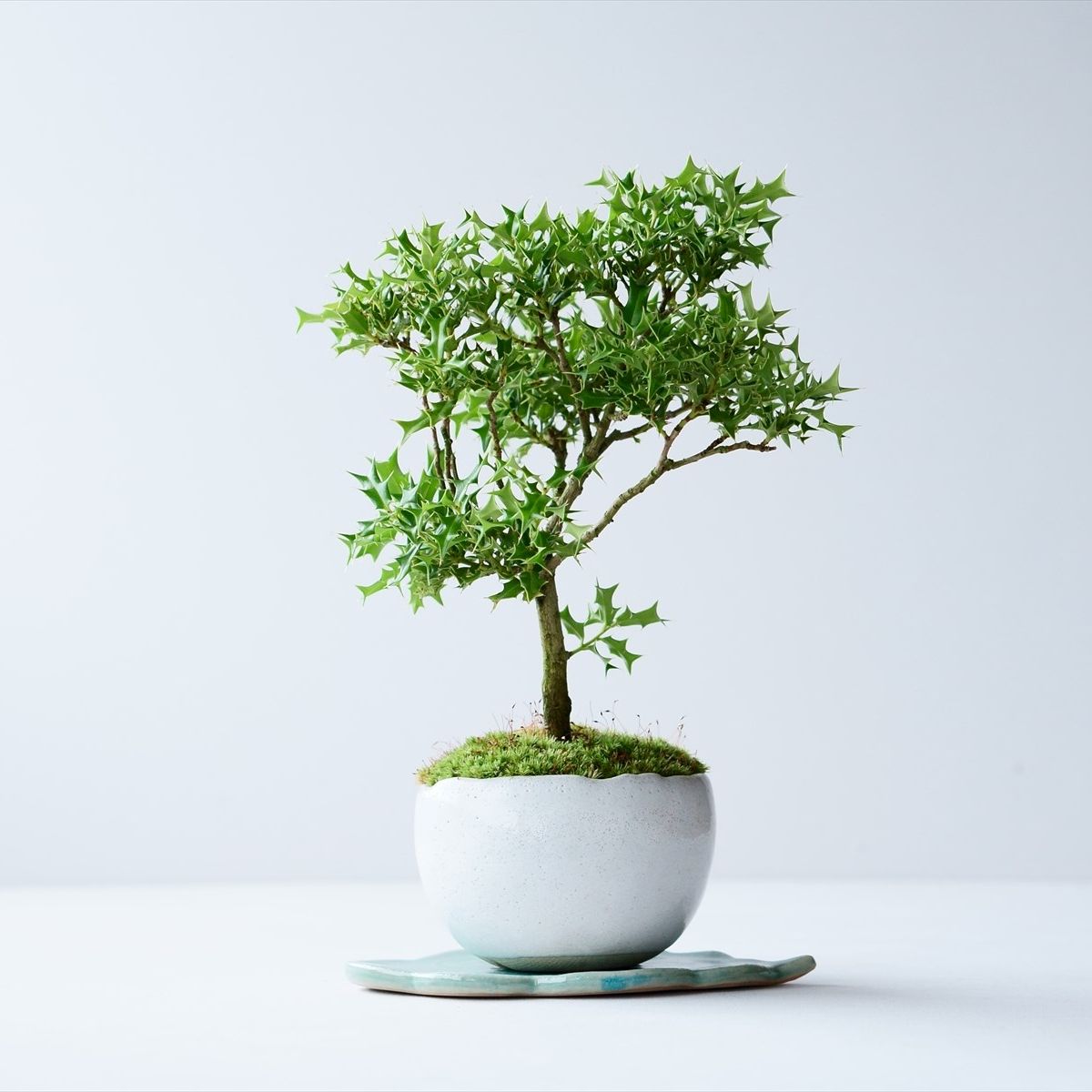 姫ヒイラギ
-
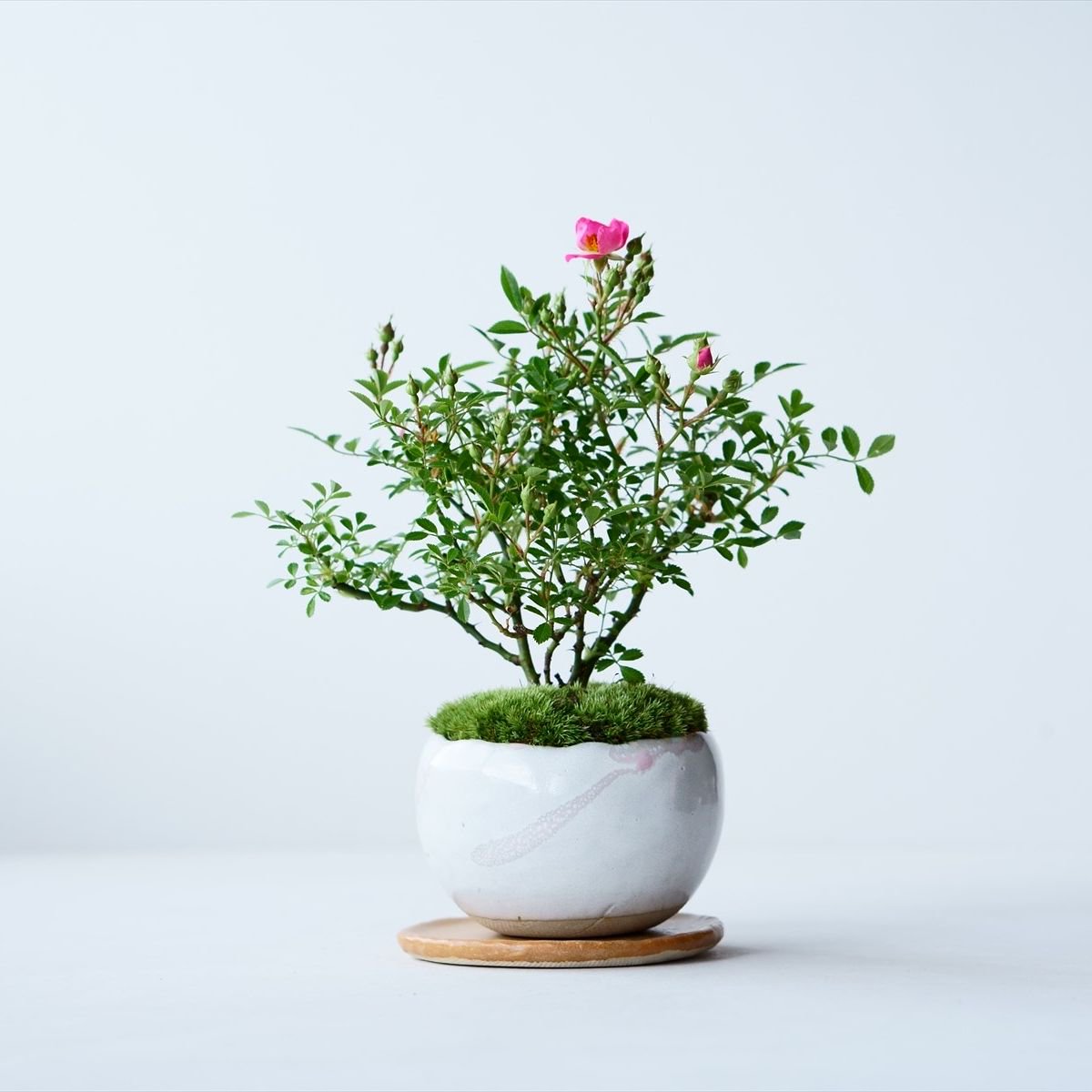 ノバラ
-
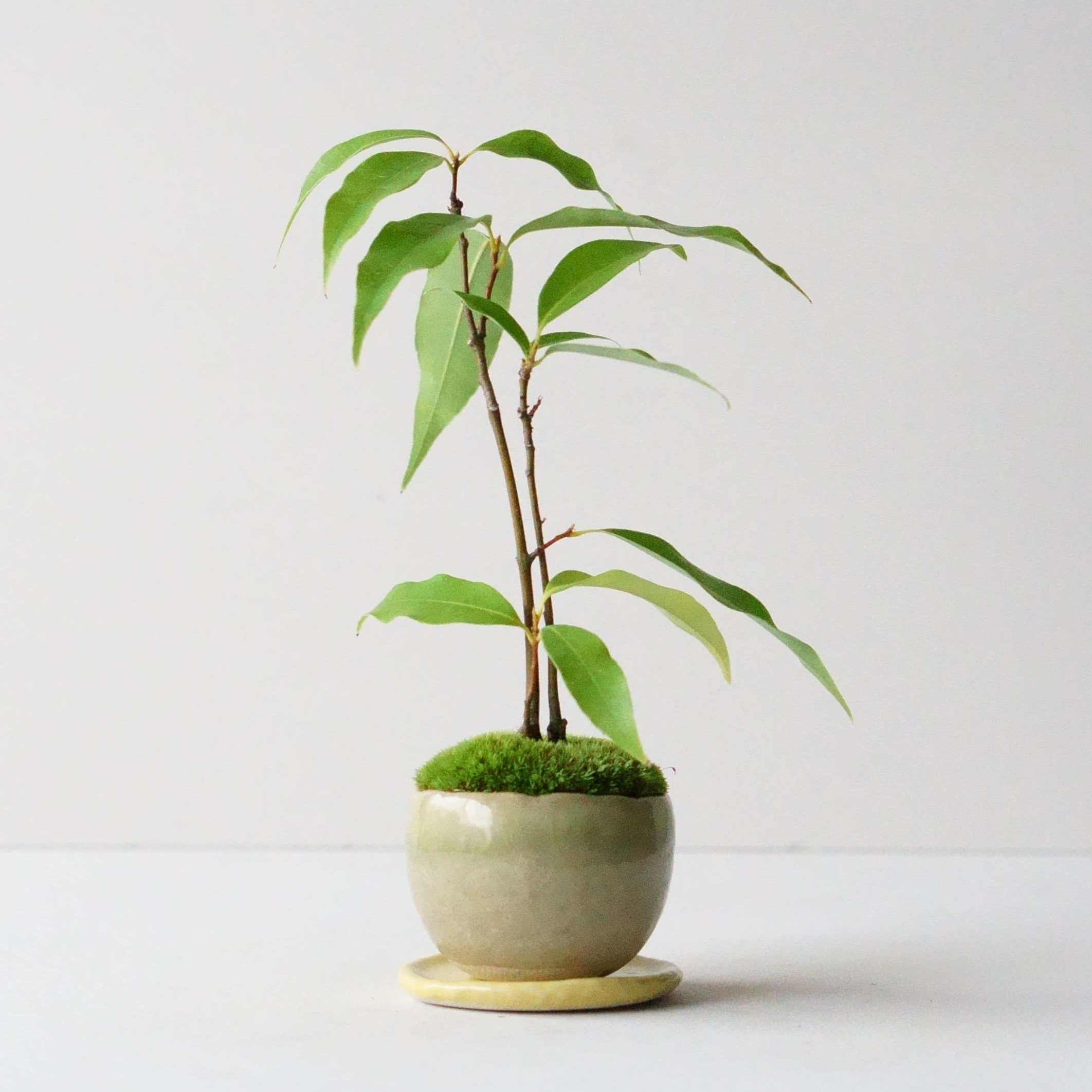 シラカシ
-
 モミ
-
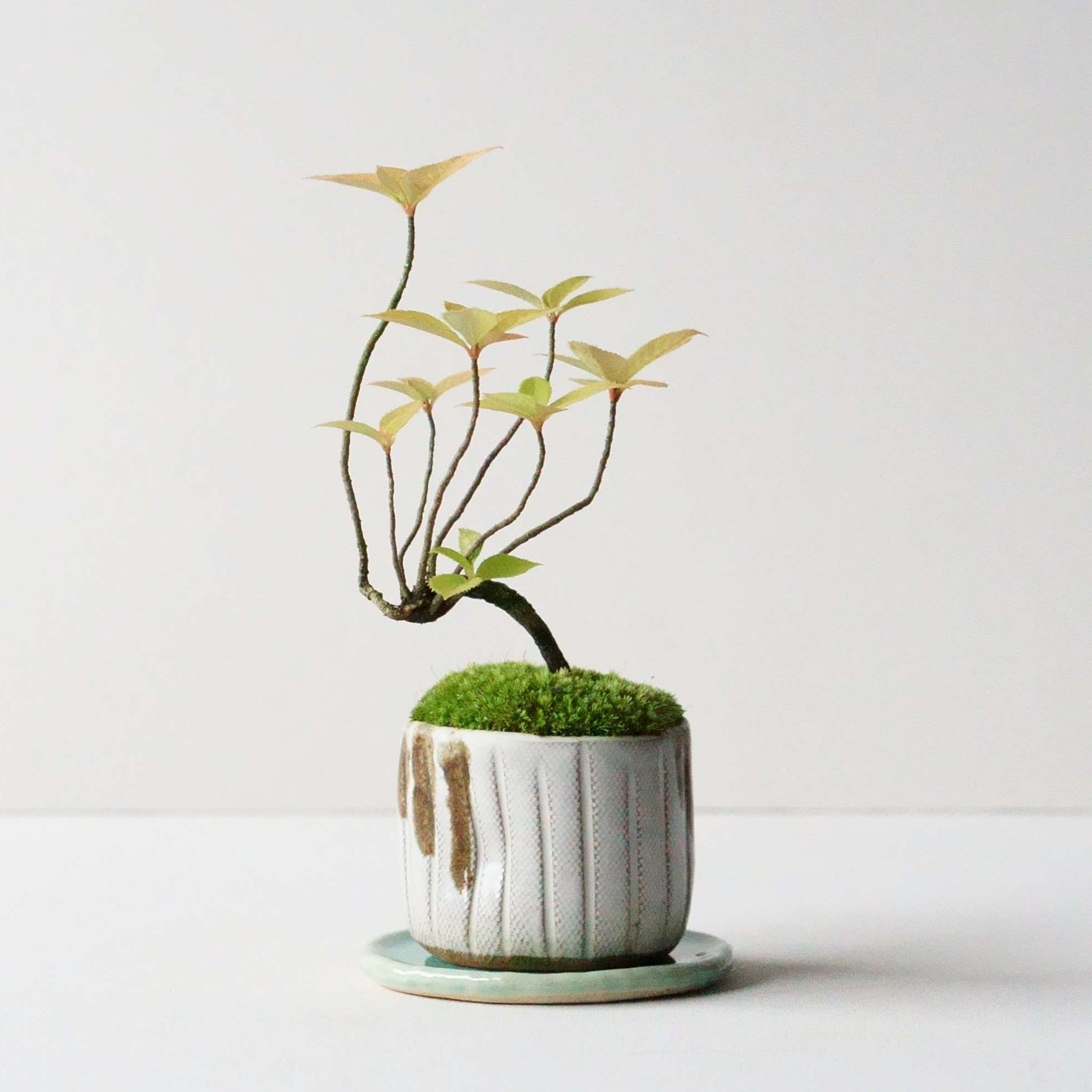 リョウブ
-
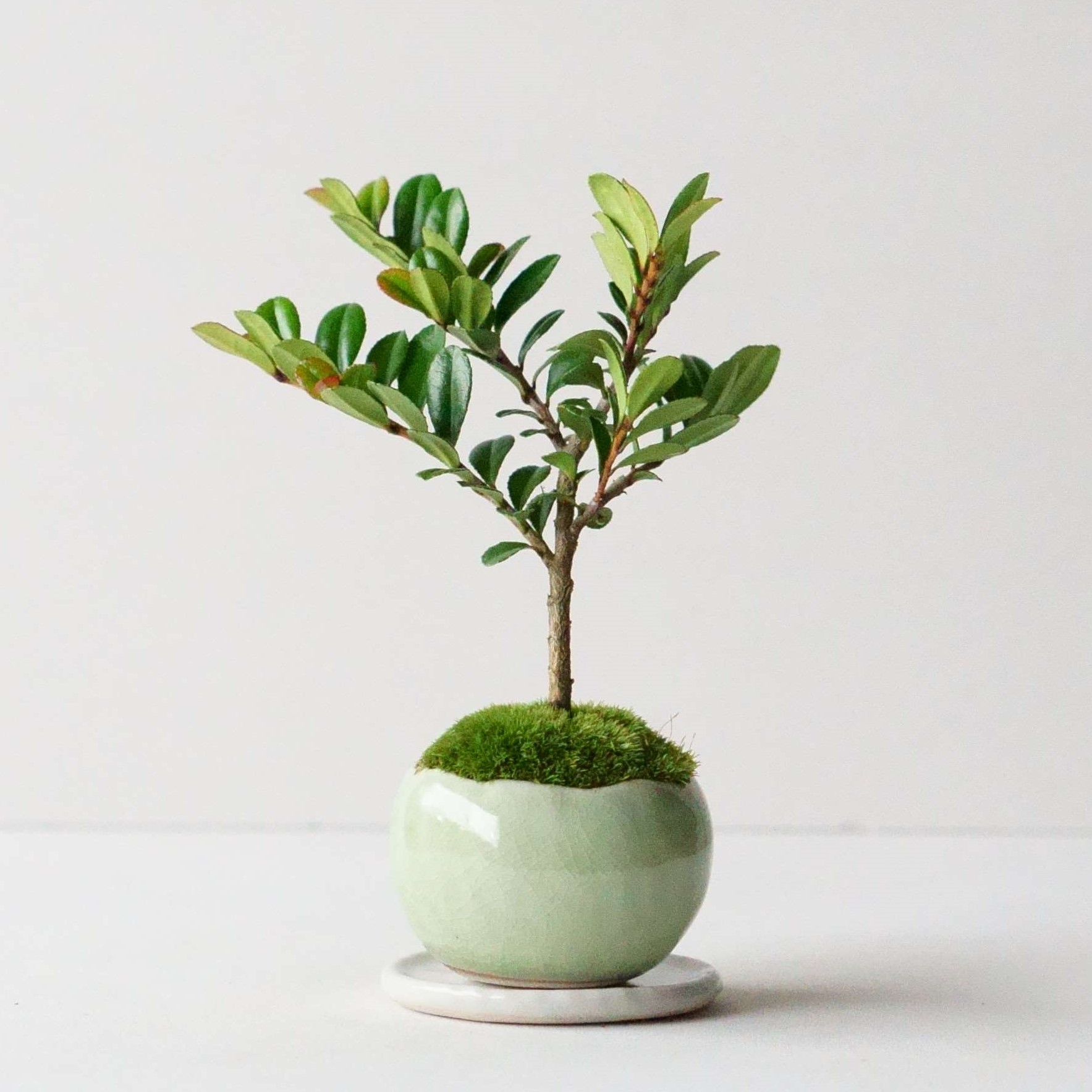 ヒメサカキ
-
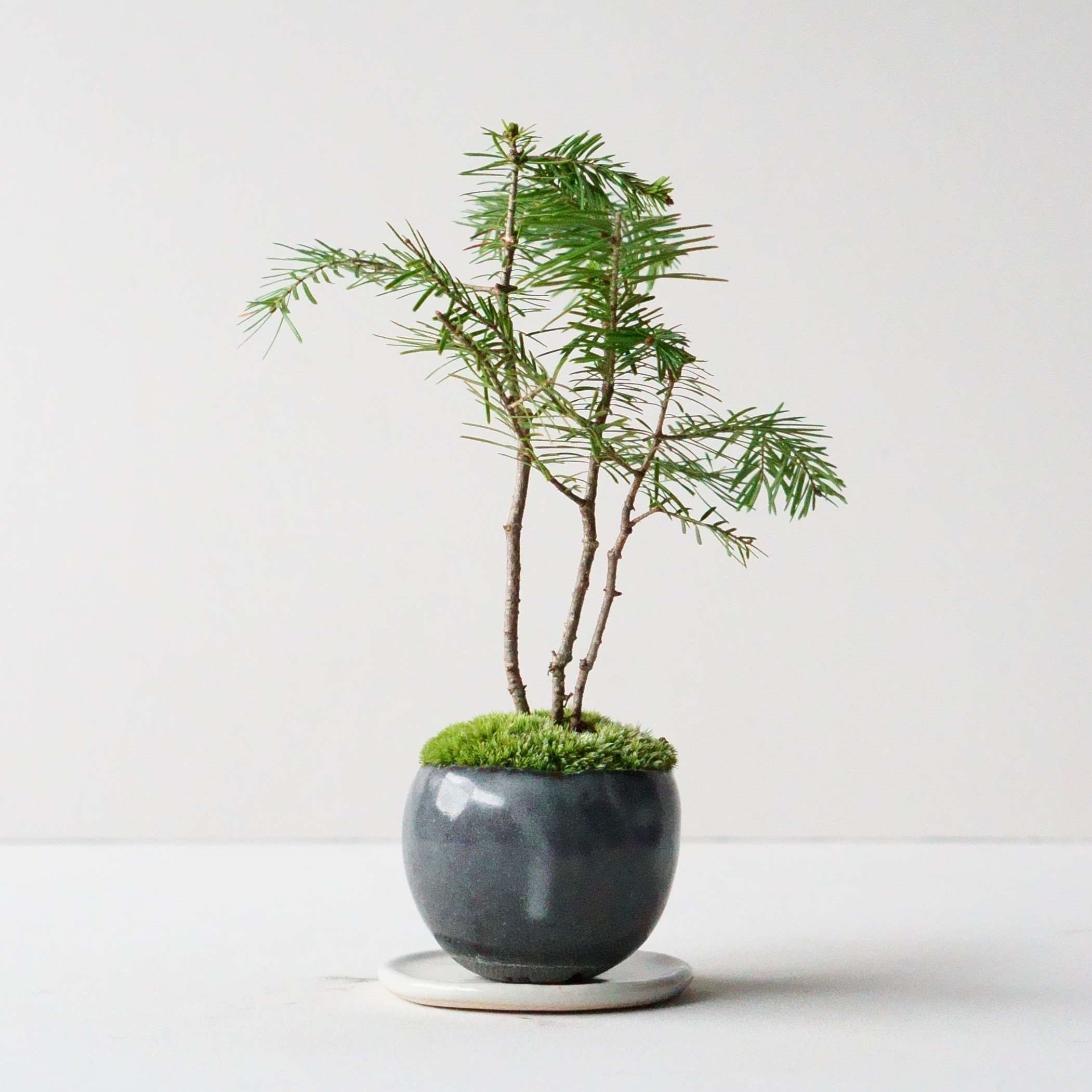 トドマツ
-
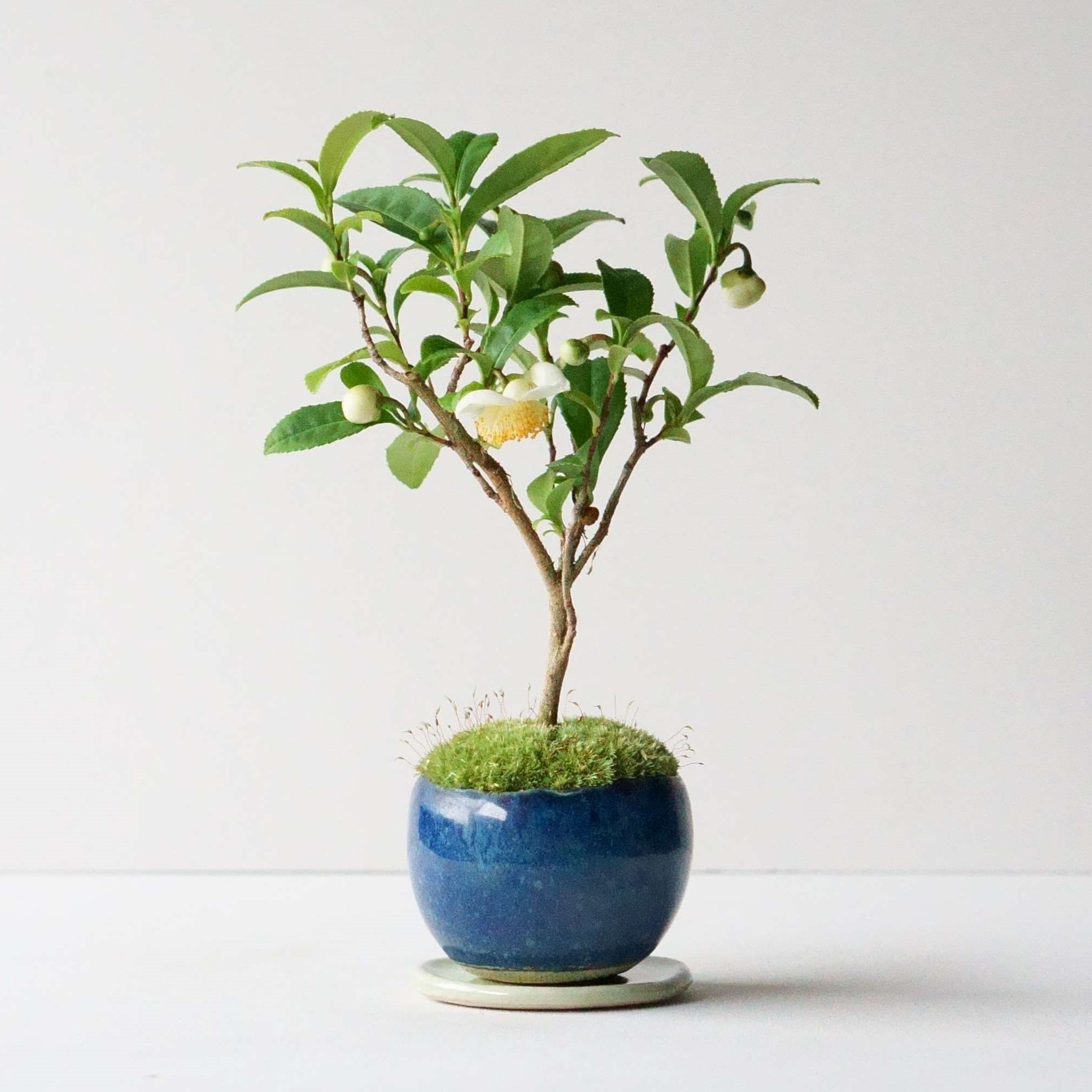 チャノキ
-
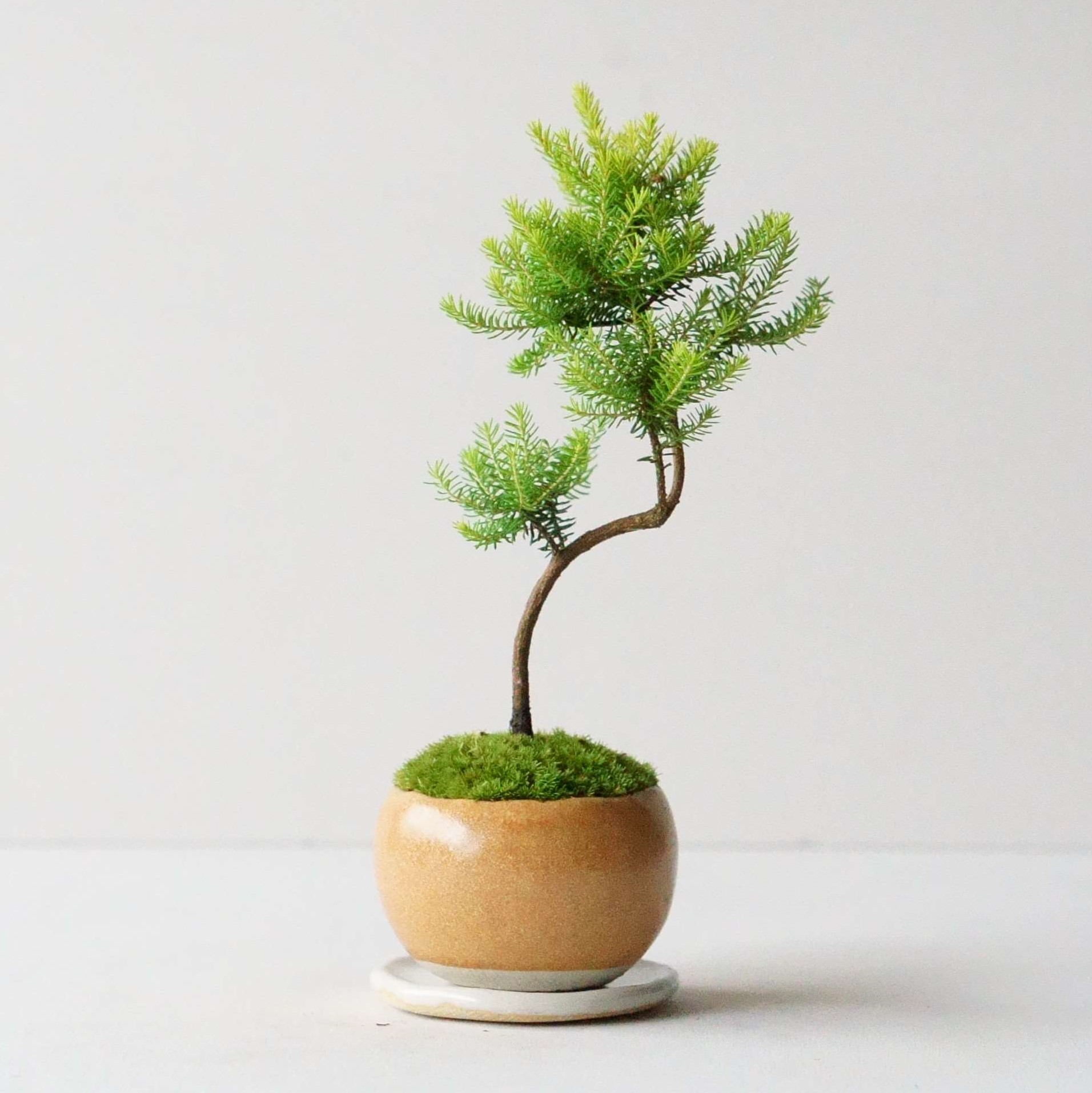 バレリーツリー
-
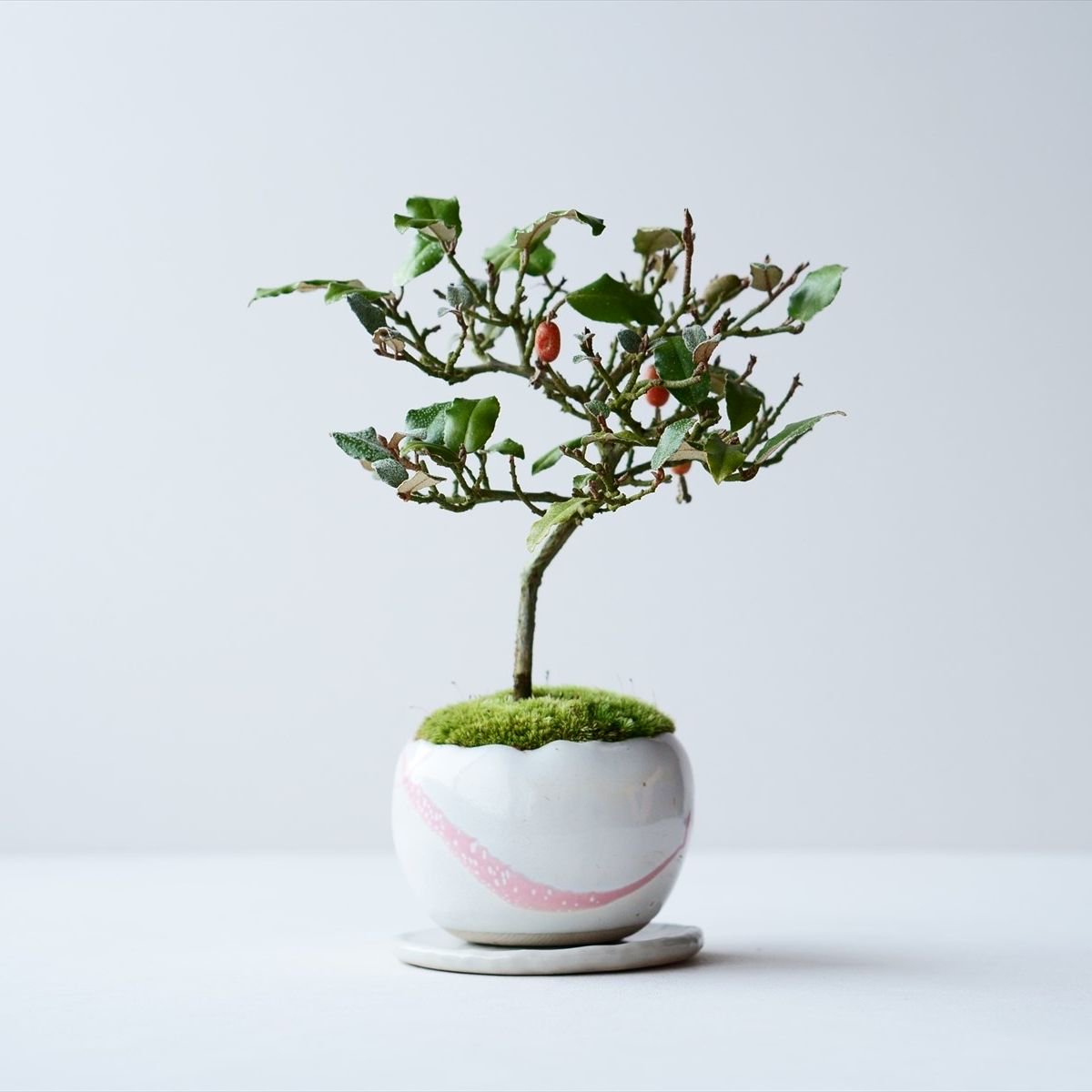 寒グミ
-
 モチノキ
-
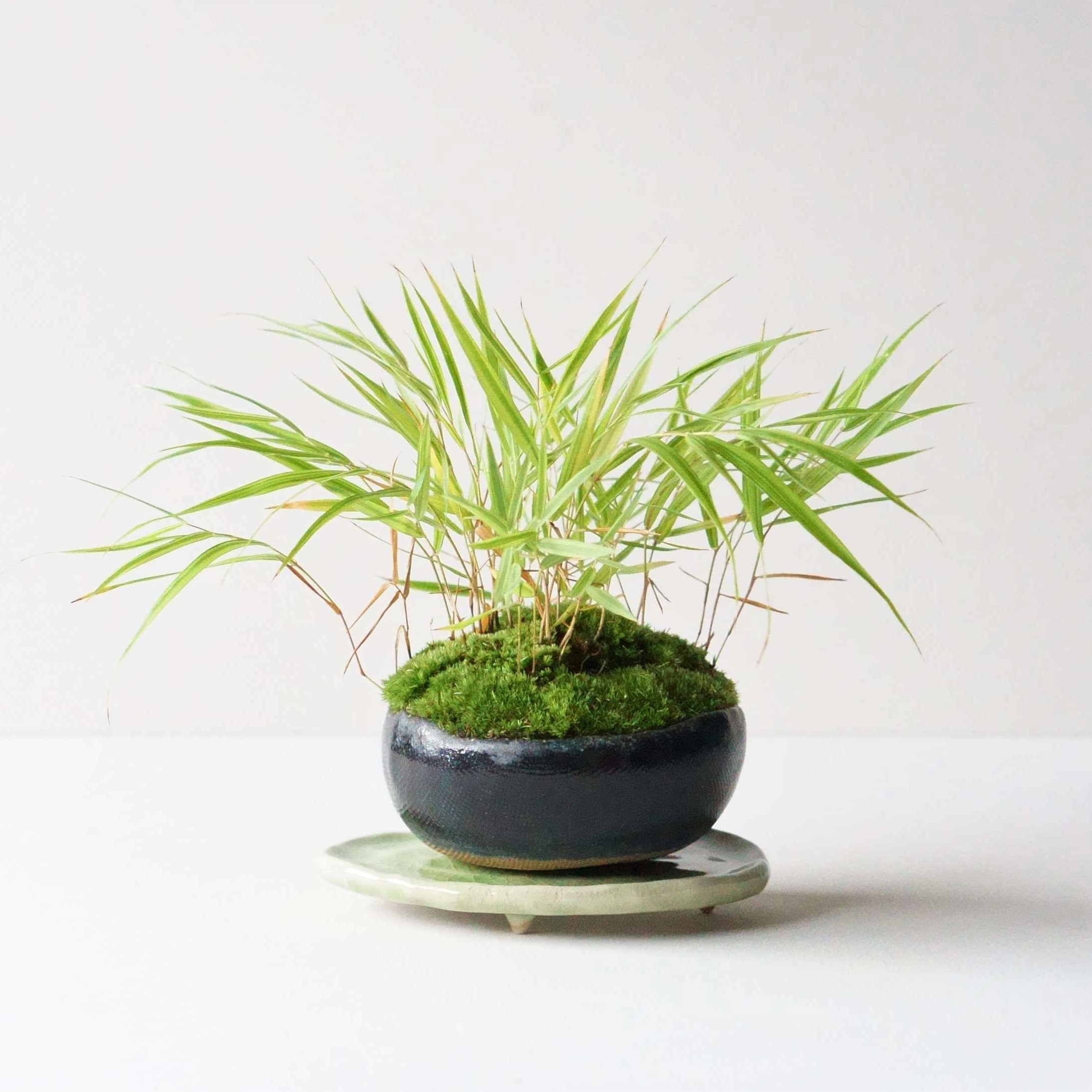 風知草
-
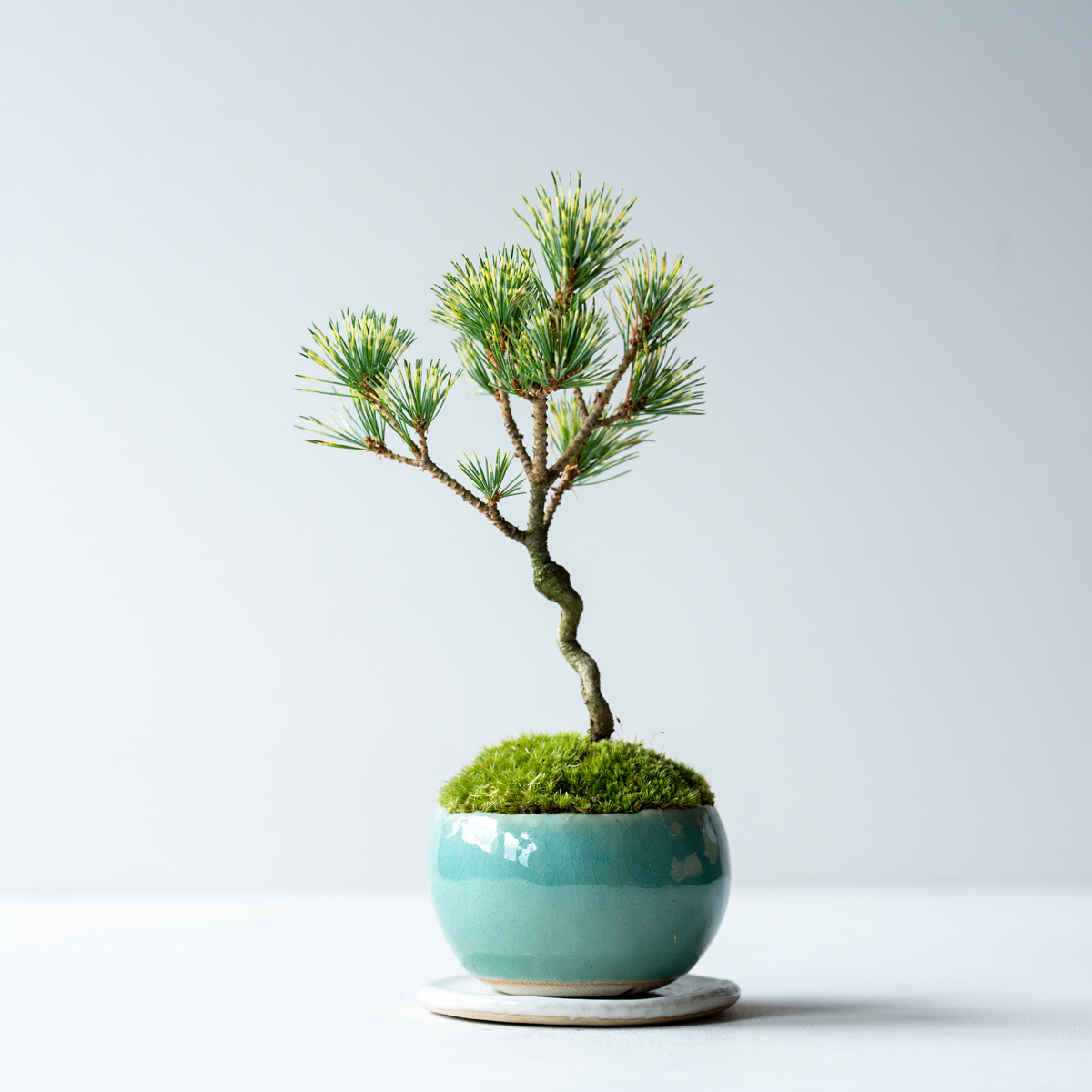 ジャノメマツ
-
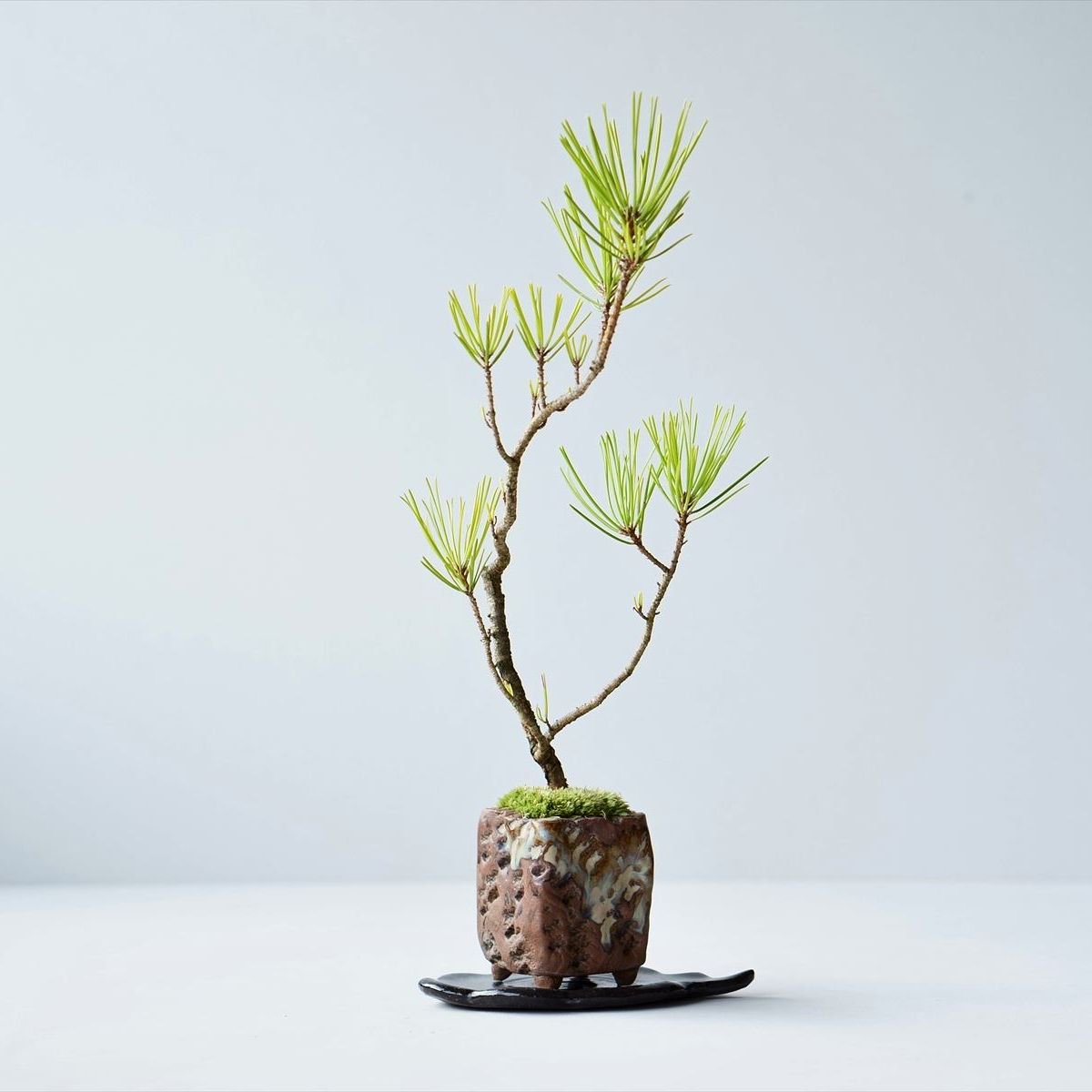 アカマツ
-
 ツクモヒバ
-
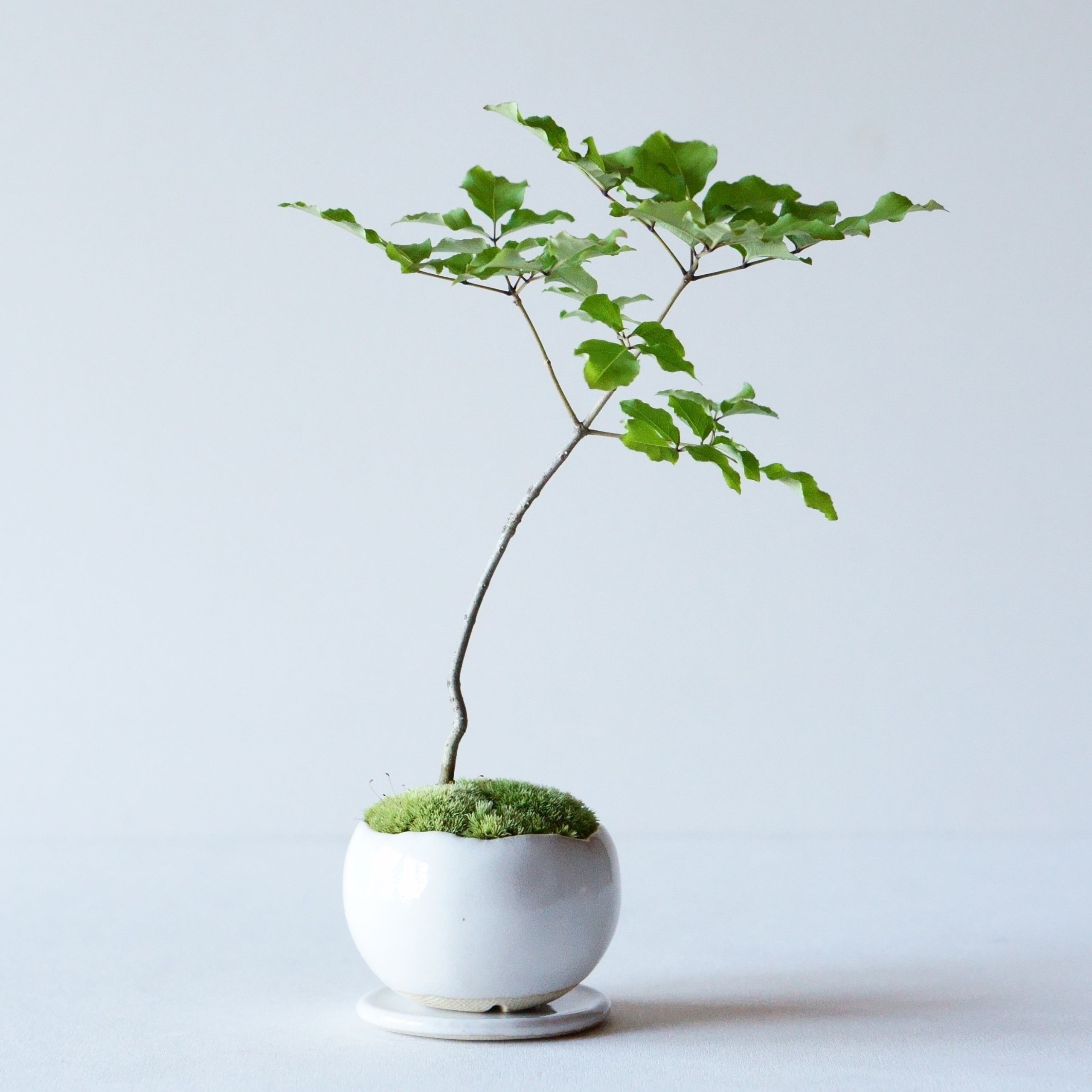 トネリコ(アオダモ)
-
 ブナ
-
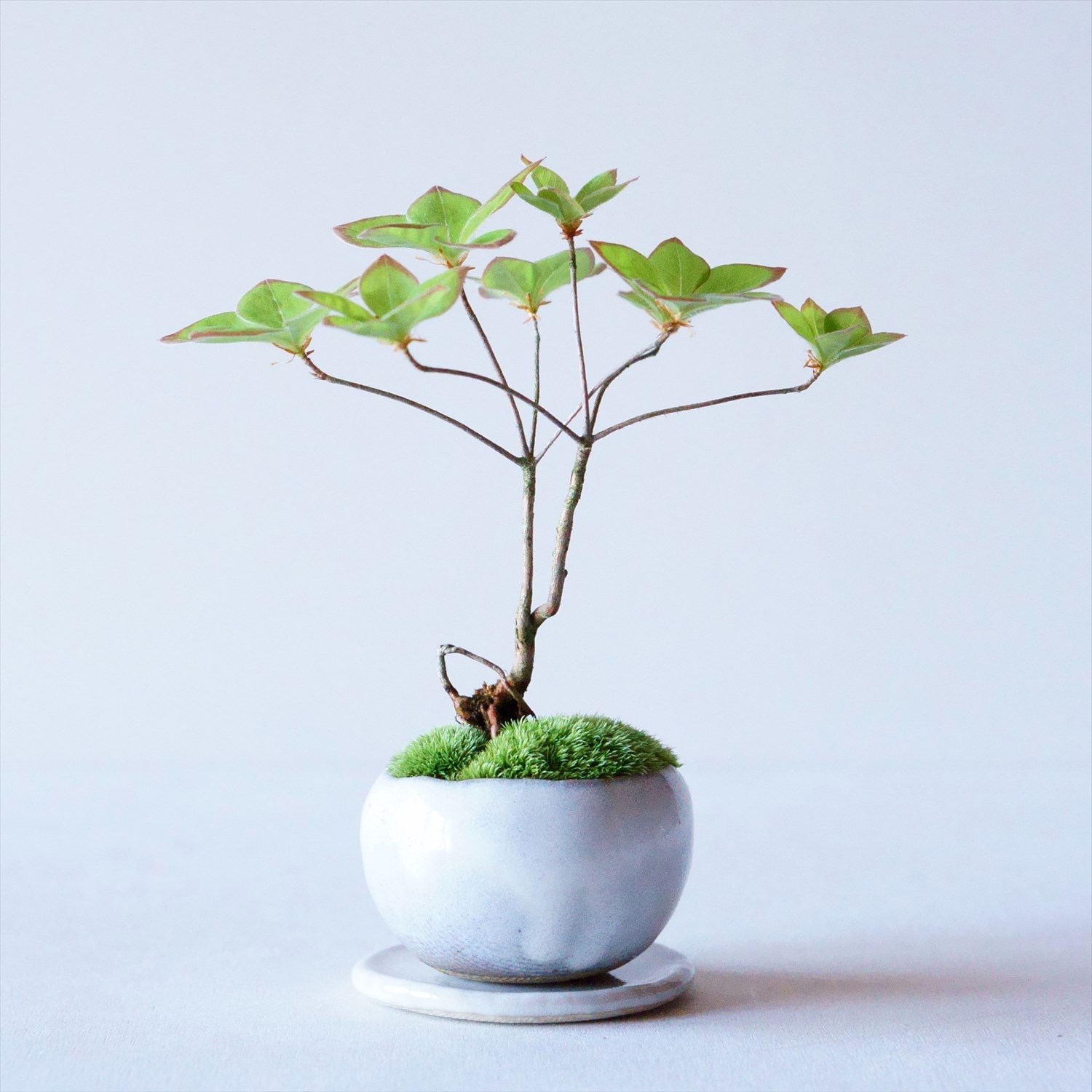 シロヤシオ
-
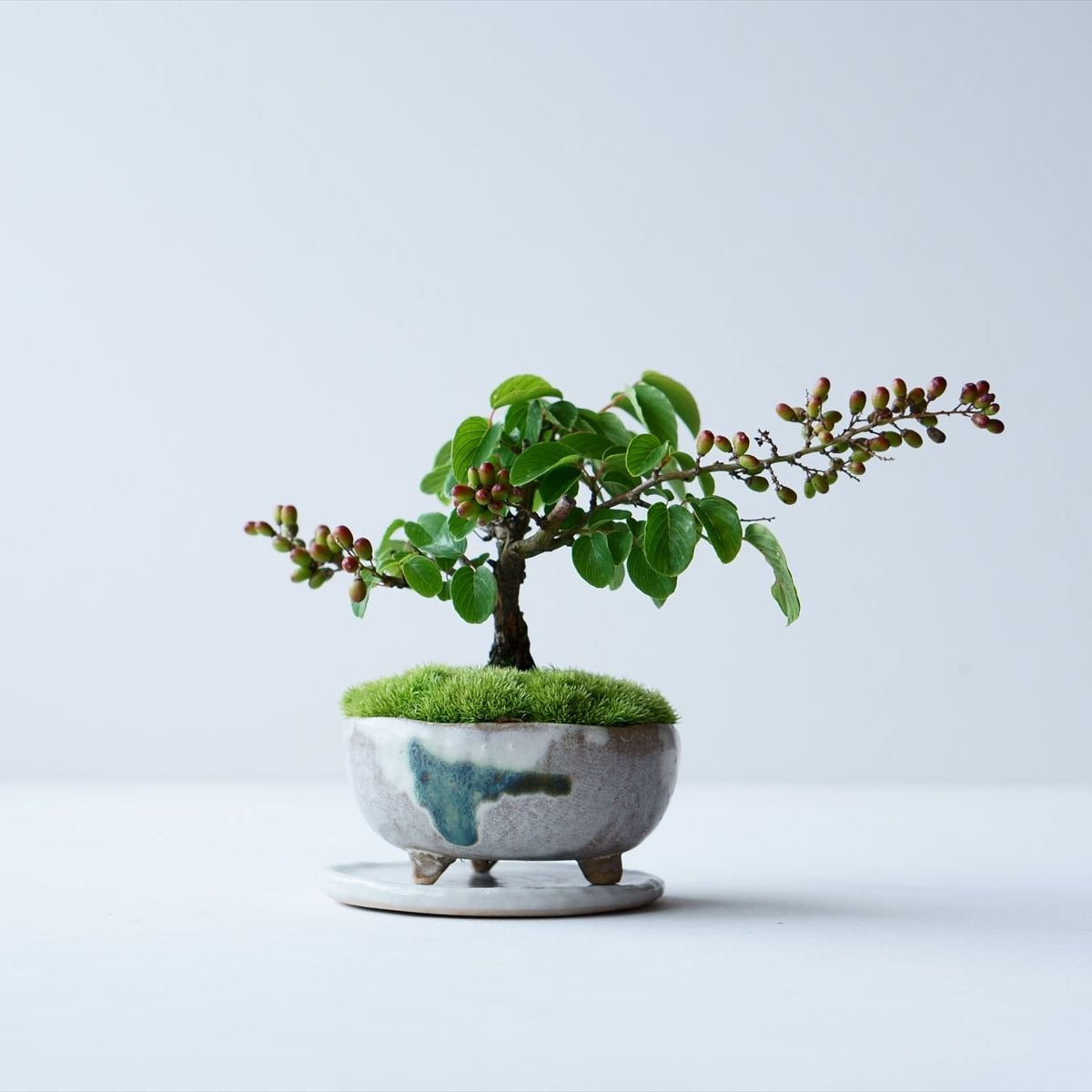 クマヤナギ
-
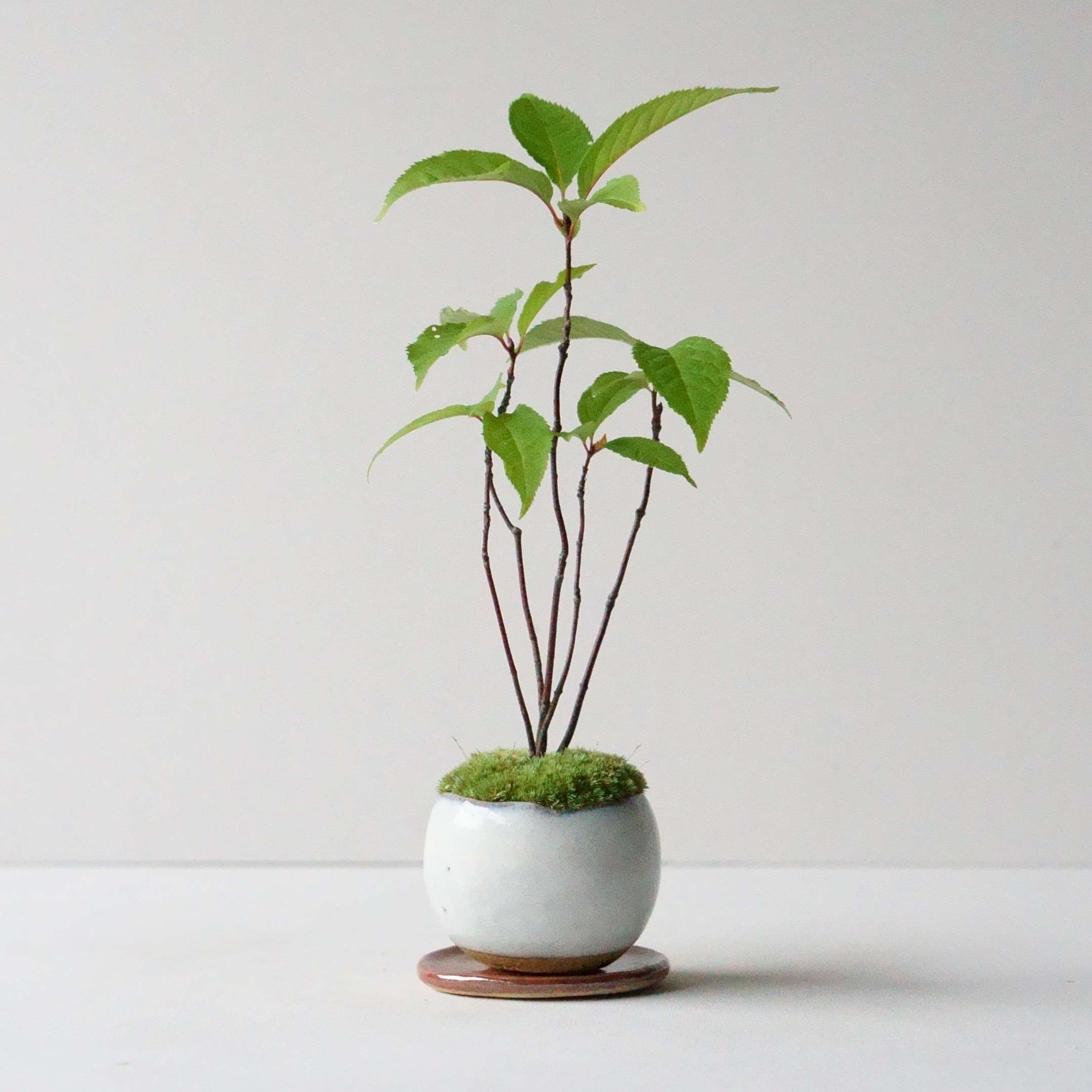 キブシ
-
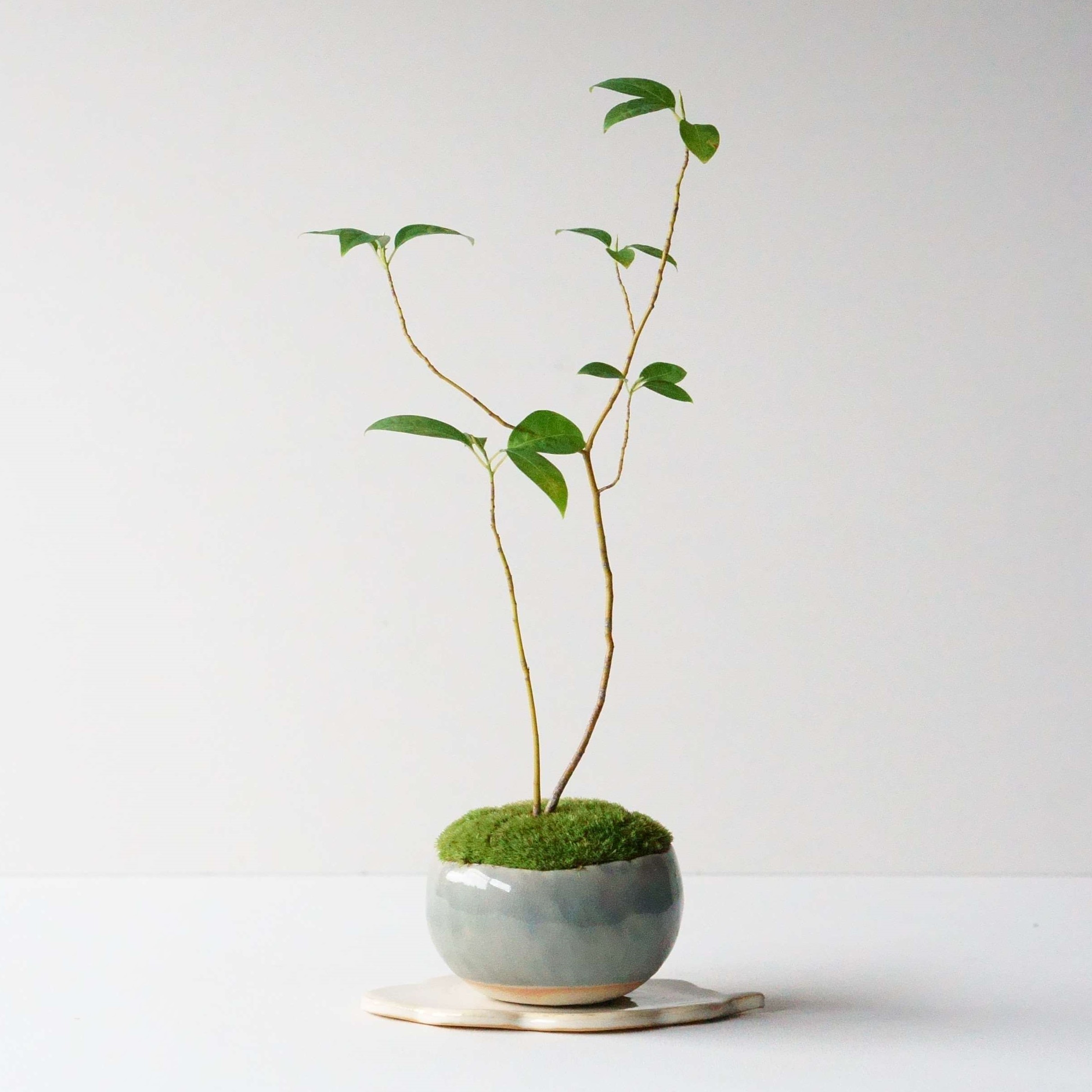 クロモジ
-
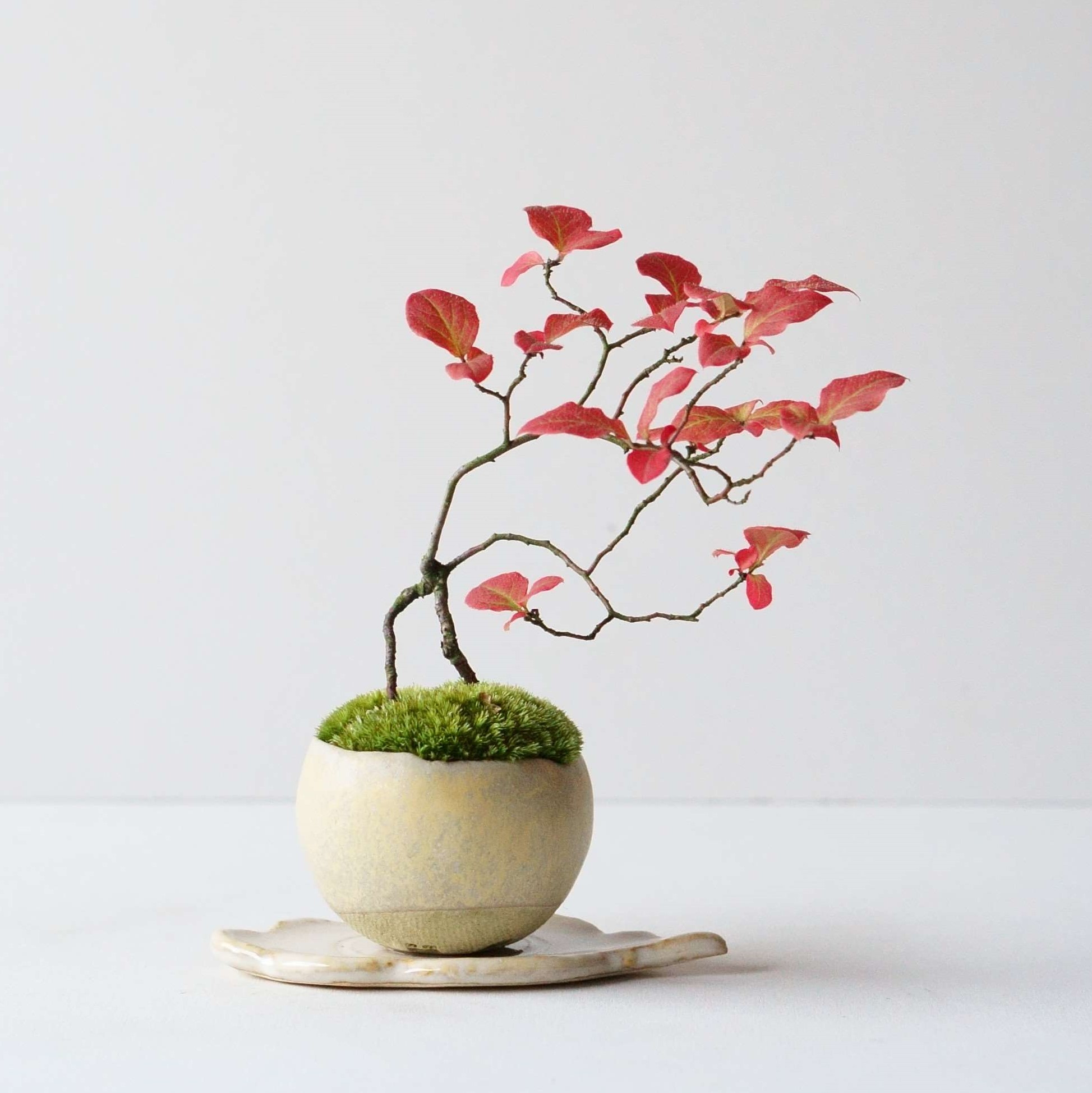 夏ハゼ
-
 マルバカエデ
-
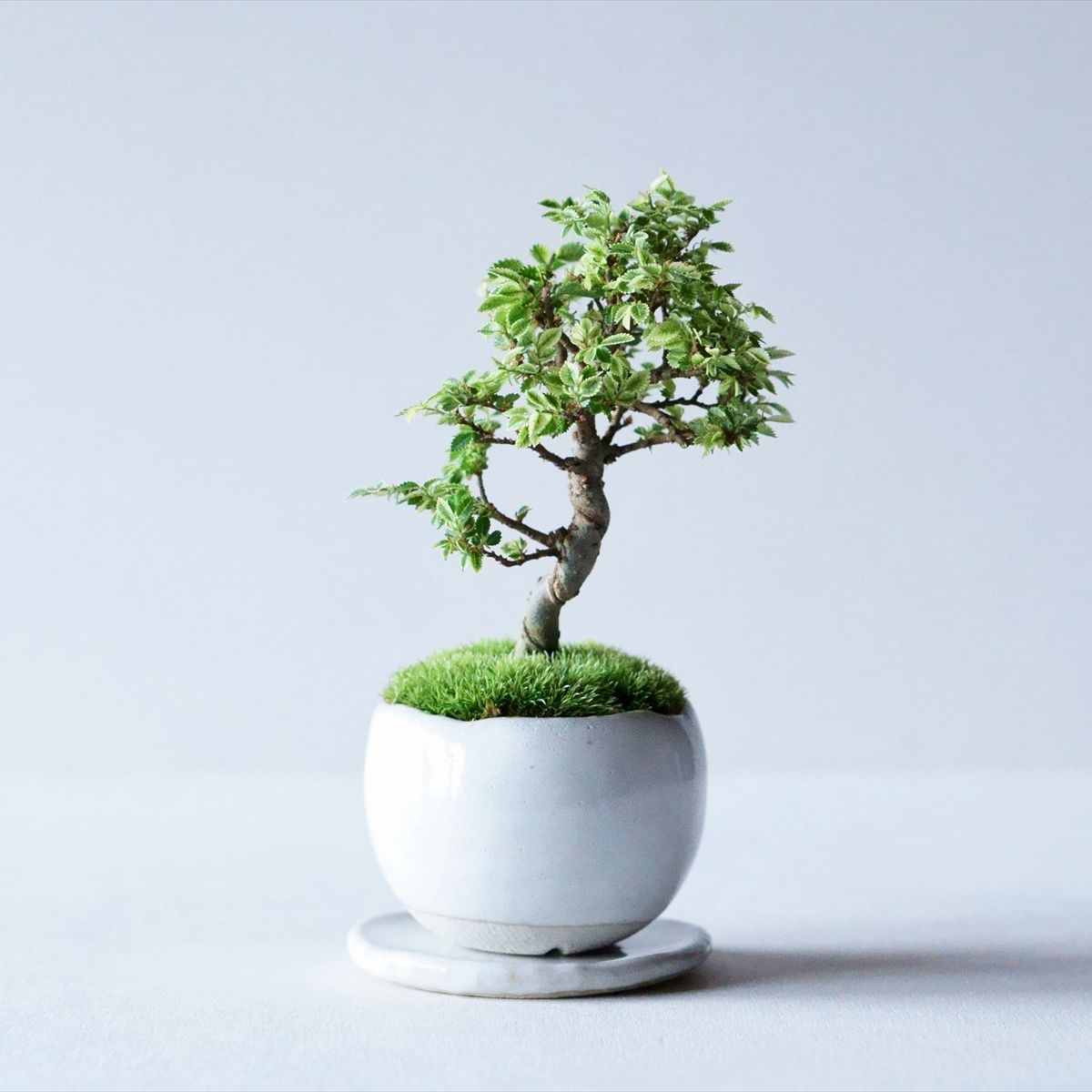 金芽ケヤキ
-
 ヤマドウタン
-
 エゴノキ
-
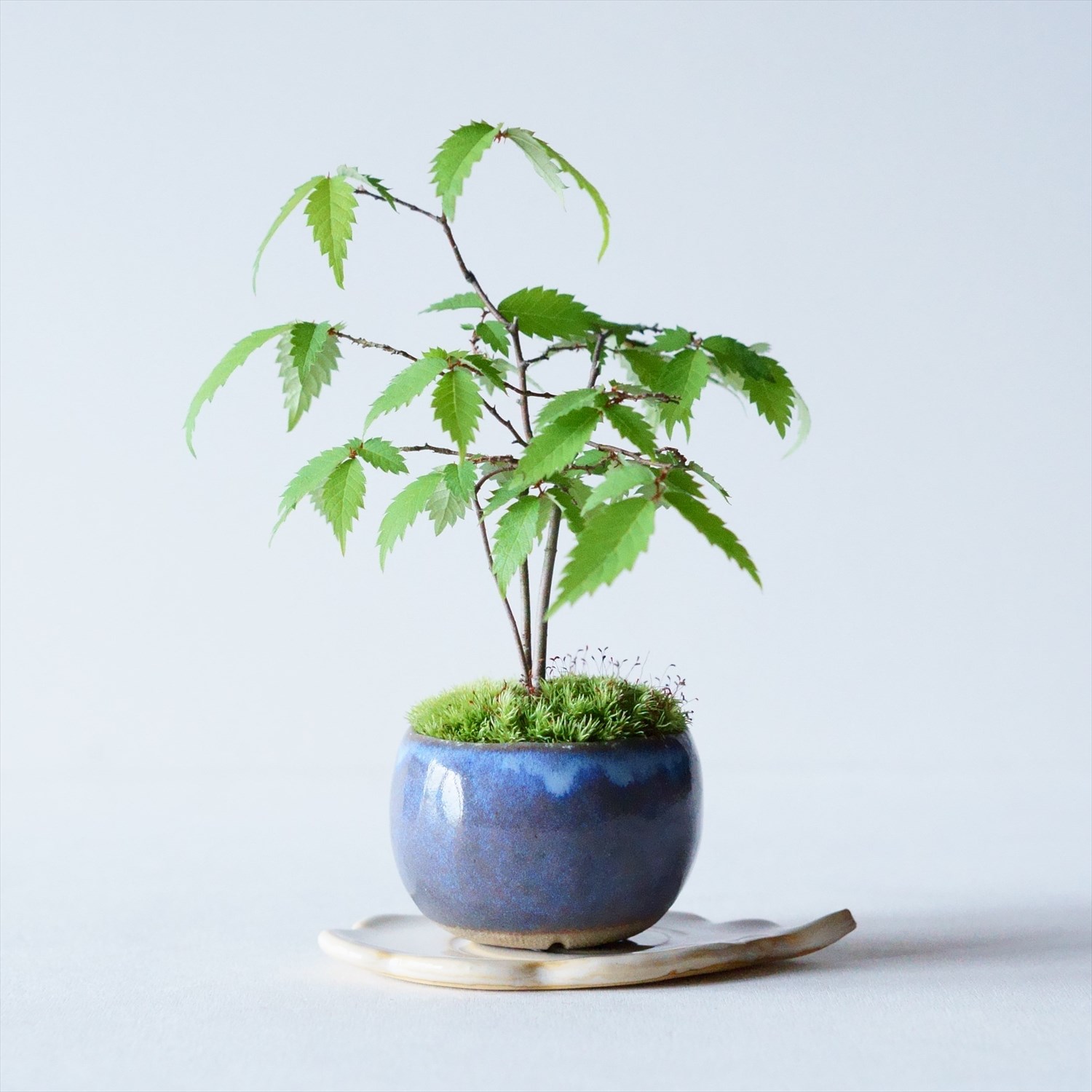 ケヤキ
-
 ガマズミ
-
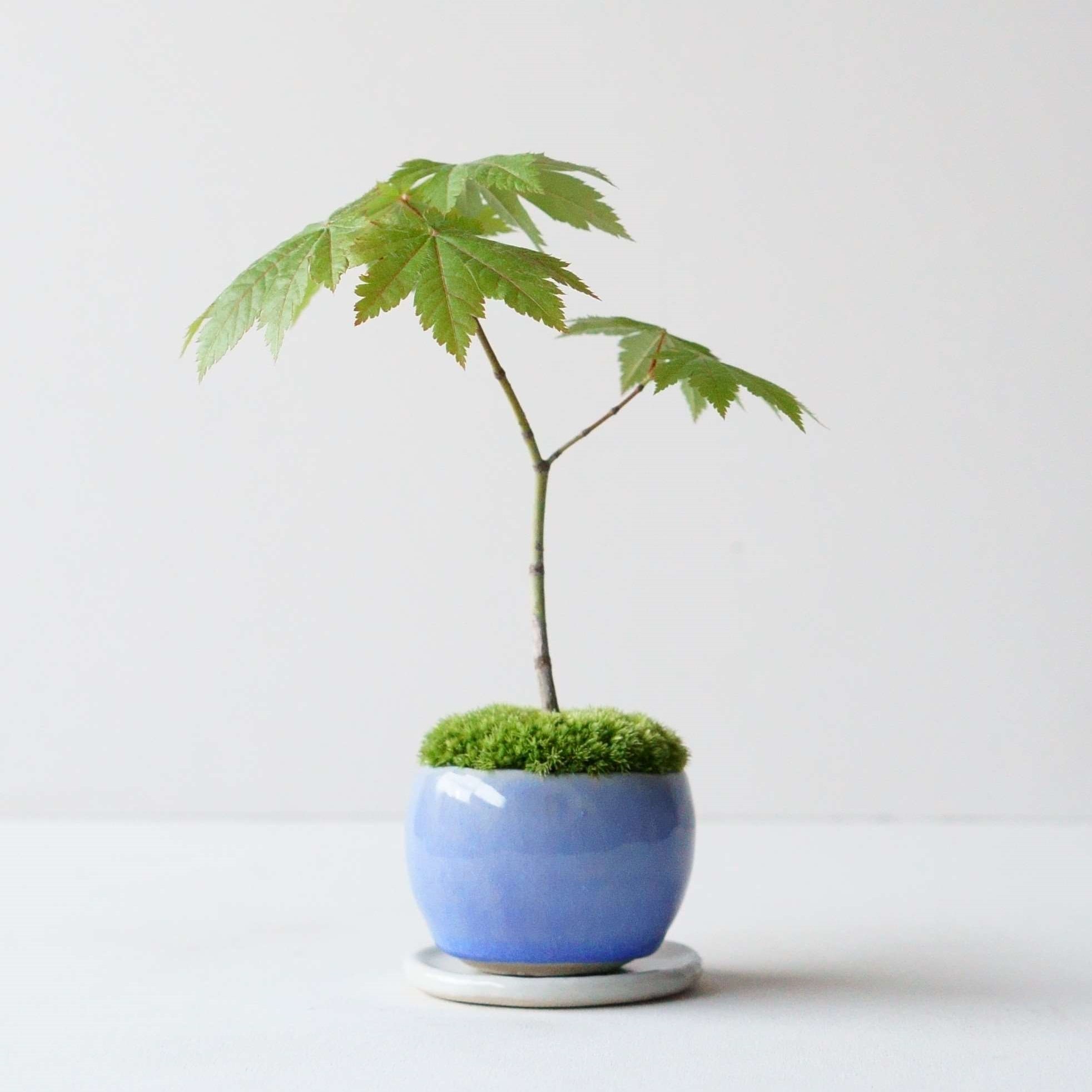 ウチワカエデ
-
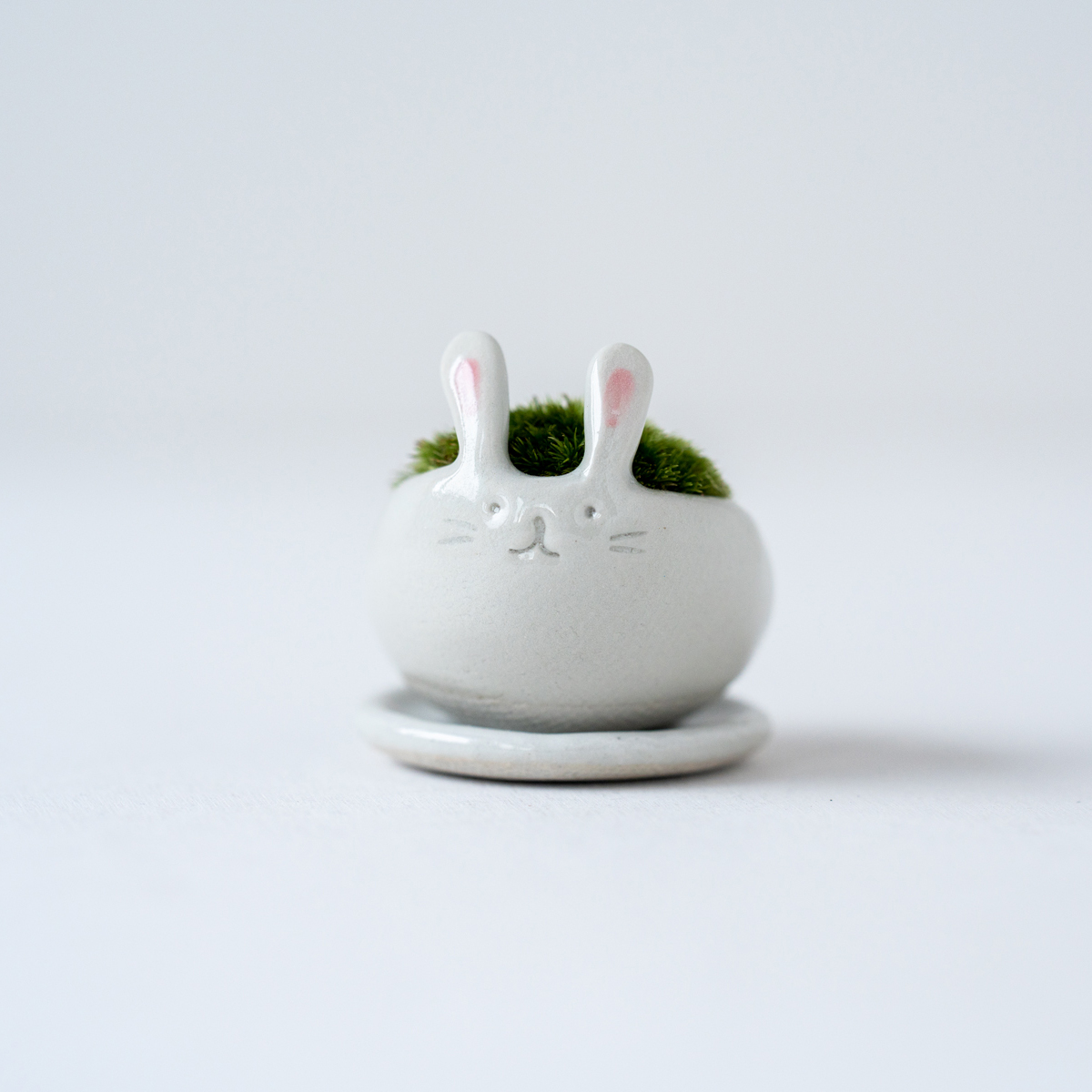 まるうさぎ


